
The Amish culture is known for its simplicity and traditional values, which often influences their lifestyle choices, including food and drink. One common question arises: can the Amish drink alcoholic beverages? This article will provide a detailed look at the drinking habits of the Amish community, addressing cultural norms, preferred beverages, and practical insights related to their consumption.
Understanding whether the Amish drink goes beyond just the question of alcohol; it delves into their values, social practices, and relationship with food and beverages in general. Let’s explore the distinctive characteristics of Amish drinking habits, including what they typically consume and the occasions that may call for it.
Can Amish Drink?
Many Amish communities do not drink alcohol, following their cultural and religious beliefs that promote moderation and discourage behaviors seen as socially irresponsible. However, this does not apply universally. Some Amish groups do consume alcohol, particularly in social gatherings or during special occasions. Understanding these nuances is key to grasping the broader context of Amish drinking habits.
Understanding Amish Culture and Values
The Amish are known for their commitment to simplicity, humility, and community. Their lifestyle often emphasizes moderation in all things, which reflects on their consumption of food and drinks. Alcohol is viewed differently across various Amish communities, largely due to their specific religious affiliations and local customs.
The Role of Alcohol in Some Amish Communities
In certain Amish groups, especially those that align more with the Old Order Brethren or other less strict sects, moderate drinking of alcohol is accepted. It can be a part of community celebrations, family gatherings, or special events such as weddings. Beer and wine may be enjoyed but in moderation, reflecting the community’s overall emphasis on self-control.
The Disapproval of Alcohol in Other Communities
Conversely, more conservative Amish groups strictly prohibit alcohol consumption. They believe that drinking can lead to behaviors that are disruptive to community harmony and a responsible lifestyle. In these more restrictive communities, abstinence from alcohol is a way to maintain their core values of simplicity and modesty.
Non-Alcoholic Beverages Preferred by the Amish
Homemade Root Beer
Root beer is a particularly beloved beverage among the Amish. It is often homemade and can be served at events and gatherings. The brewing process is usually simple, involving ingredients like sassafras root, sugar, and water, resulting in a flavorful, fizzy drink that’s perfect for family gatherings and celebrations.
Apple Cider
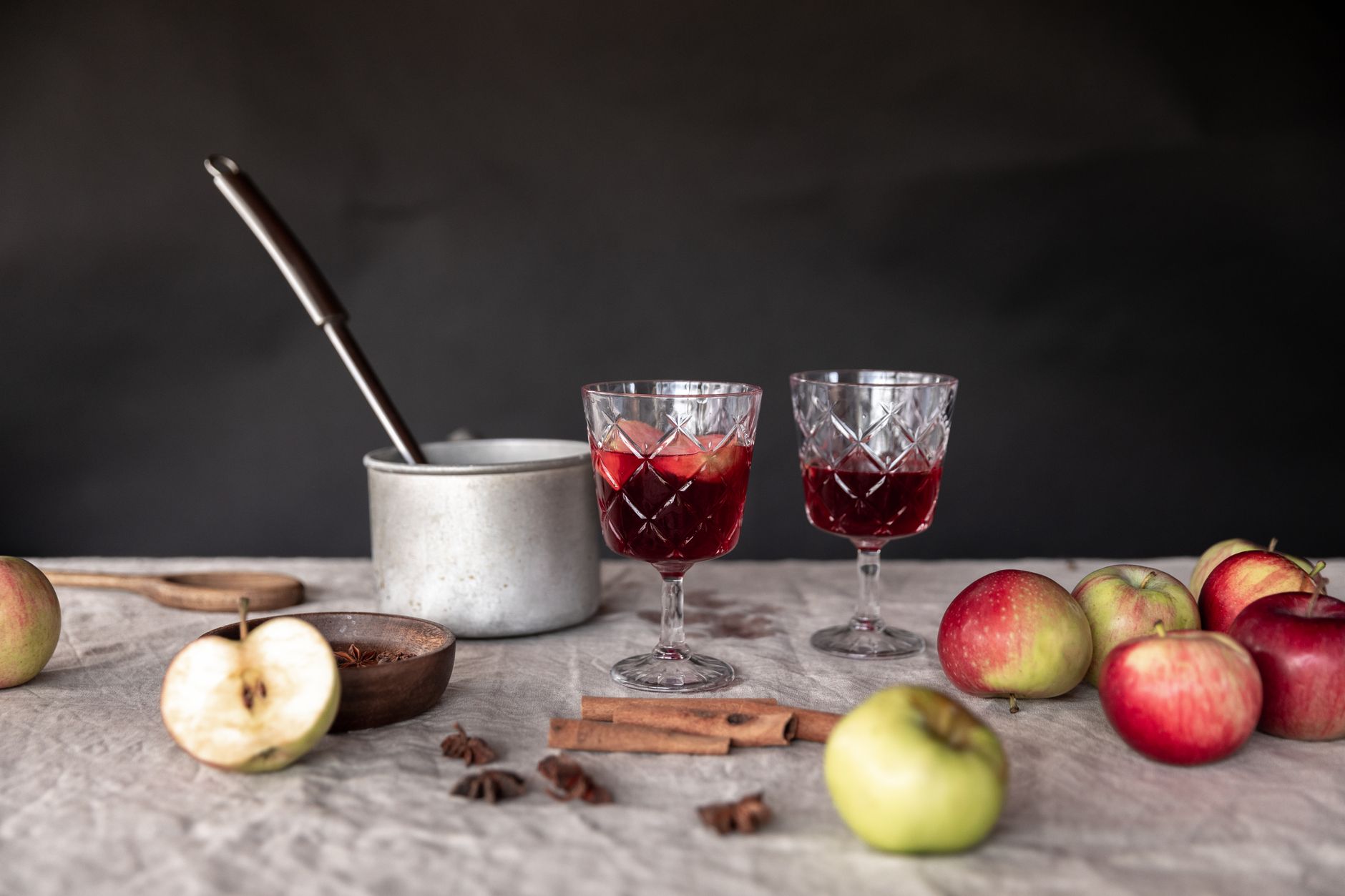
Apple cider is another popular Amish drink, especially in the fall when apples are in season. The cider is often freshly pressed and can be enjoyed cold or warm, sometimes spiced with cinnamon and other seasonings. This drink embodies the Amish practice of using fresh, local ingredients.
Fruit Juices and Soft Drinks
In addition to homemade drinks, Amish families may enjoy a variety of fruit juices. Grape, cherry, and peach juices are frequently enjoyed, often homemade to ensure simplicity. Carbonated soft drinks can also be found in some Amish households, though they are generally consumed less frequently than their homemade counterparts.
Herbal Teas
Herbal teas are another common beverage, often made using local herbs and plants. This aligns with the Amish value of using natural and organic ingredients to promote wellness. Herbal teas may be served at social events or enjoyed casually at home.
Occasions for Drinking in Amish Culture
When it comes to drinking, certain occasions are more likely to feature beverages, whether alcoholic or non-alcoholic. Understanding these events provides context to how and when the Amish community engages with drinks.
Weddings and Family Gatherings
Weddings are significant celebrations in Amish culture, often involving large gatherings of family and friends. Depending on the community’s beliefs, some may include alcohol as a part of the festivities, while others may focus entirely on non-alcoholic options, showcasing homemade beverages that reinforce community values.
Community Events and Fairs
Local fairs and community gatherings frequently have an array of refreshments available. Non-alcoholic drinks like homemade root beer and cider are typically favored, inviting everyone to partake in traditional flavors while fostering a sense of togetherness.
Seasonal Festivals
Celebrations for seasonal harvests or holidays may also involve unique drinks. For example, fall harvest festivals might feature spiced apple cider, while summer gatherings could see an abundance of fresh fruit juices. The focus is often on what is locally available and in season.
Practical Tips for Enjoying Amish-style Drinks
If you’re interested in incorporating Amish-inspired beverages into your own routines or gatherings, here are some practical tips and recipes to consider.
How to Make Homemade Root Beer
Here’s a simple guide to creating your own homemade root beer, reminiscent of traditional Amish recipes.
Ingredients
- 1 cup sassafras root (or root beer extract)
- 1 cup sugar (adjust for sweetness)
- 5 gallons water
- 1/4 teaspoon active dry yeast
Equipment Needed
- Large pot
- Fermentation vessel
- Bottles for storage
- Strainer
Method
- In a large pot, boil the sassafras root in 5 gallons of water for about 20 minutes.
- Add the sugar to the pot and stir until dissolved.
- Let the mixture cool to room temperature, then strain to remove the roots.
- Add the yeast to the brewed mixture.
- Transfer to a fermentation vessel, fitting it with an airlock or a loose cover.
- Allow to ferment at room temperature for 2-3 days, then bottle.
- Refrigerate to stop fermentation and enjoy your homemade root beer.
Creating Delicious Apple Cider
Fresh apple cider is easy to make at home with a few ingredients and some effort. Here’s how to do it.
Ingredients
- 20 apples (a mix of sweet and tart varieties)
- Water (if needed for consistency)
- Optional spices (such as cinnamon or cloves)
Equipment Needed
- Apple press or juicer
- Large pot
- Strainer
Method
- Wash and quarter your apples, removing any seeds or bad spots.
- If using an apple press, place the quarters in and press to extract juice. If using a juicer, process until juiced.
- If desired, heat the juice gently and add optional spices.
- Strain to remove pulp, then cool and serve.
Understanding Alcohol Alternatives
For those who want the taste of beverages commonly associated with alcohol, many non-alcoholic alternatives mimic the flavors without compromising values. Here are some suggestions:
Non-Alcoholic Beers and Wines
On the market today, there are many non-alcoholic beers and wines that capture familiar flavors without the alcohol content. These options can be good substitutes for traditional drinks during social events.
Mocktails and Creative Juices
Creating mocktails by blending various fruit juices, herbs, and sparkling water can provide a festive alternative to alcoholic beverages. Consider experimenting with combinations that pair well with various meals.
Herbal Infusions
Exploring herbal teas and infusions can yield exciting flavors that can be served at any occasion, offering both wellness benefits and unique tastes.
Common Mistakes to Avoid in Amish-style Drink Preparation
When preparing beverages inspired by Amish traditions, certain pitfalls can detract from the final product. Here are common mistakes to watch out for:
Over-Sweetening
Many traditional recipes lean on the natural sweetness of the ingredients. Avoid adding excessive sugar, which can mask the underlying flavors that make these drinks unique.
Neglecting to Use Fresh Ingredients
Amish recipes often rely on freshness for flavor, especially for juices and ciders. Selecting in-season fruits will enhance the quality of your final product.
Not Allowing Proper Fermentation
If you’re making fermented drinks like root beer, ensure you allow adequate time for fermentation. Cutting this process short can result in either flat or overly potent drinks.
Storage and Serving Suggestions
Understanding how to properly store your beverages will maintain their quality and freshness. Here’s a quick guide:
Storing Homemade Drinks
Homemade root beer and apple cider can typically be stored in the refrigerator for about one week. For longer storage, consider freezing them in bottles, but leave space for expansion.
Serving Recommendations
Serve homemade drinks in charming glassware, garnished with fresh herbs, fruit slices, or even cinnamon sticks. This can elevate the presentation and enhance the experience, particularly during gatherings.
Conclusion
The question of whether the Amish drink is nuanced and varies significantly across different communities. While alcohol consumption is often discouraged in more conservative groups, there are those who enjoy it in moderation during special occasions. On the other hand, the Amish community embraces a wide variety of non-alcoholic beverages, from refreshing herbal teas to traditional homemade ciders and root beers. Adopting elements of their beverage culture, whether through traditional recipes or modern alternatives, can bring a taste of Amish hospitality to any gathering.
If you’re interested in exploring more about beverages and drinks, check out these links for delicious recipes such as apple cider mocktails and non-alcoholic piña coladas.