
Picture yourself pouring a cup of liquid sapphire, watching it shift to soft purple as you squeeze in a touch of lemon juice, and suddenly you’re sipping on something that feels almost magical. Butterfly pea tea is a Southeast Asian treasure that transforms from a stunning blue into pink or purple depending on what you add, making every cup feel like a mini science experiment you can actually drink.
This recipe is special because it requires minimal effort but delivers maximum visual impact and genuine health benefits. The delicate floral notes and natural antioxidants make it a go-to choice for anyone seeking a calming ritual that looks as good as it tastes.
Why You’ll Love This Recipe
Butterfly pea tea checks every box for a modern beverage lover: it’s simple to make, naturally caffeine-free, and gives you a legitimate reason to pause and slow down.
- Stunning color-changing properties that make it Instagram-worthy without feeling like you’re trying too hard
- Packed with antioxidants and anthocyanins that support eye health and cognitive function
- Completely customizable with citrus, honey, herbs, or even as a cocktail mixer
- Zero artificial ingredients, just dried flowers and hot water
- Works beautifully hot, iced, or blended into smoothies and desserts
My Experience Making This Recipe
The first time I made butterfly pea tea, I honestly expected it to taste medicinal and bitter, like most “healthy” teas. Instead, I got this subtle floral sweetness with hints of earthiness that felt both sophisticated and approachable.
What really hooked me was watching my family’s faces light up when the color changed. My daughter squeezed lemon juice into hers and gasped like she’d discovered a potion, and suddenly this simple tea became an event rather than just another beverage.
Now I make pitchers of it for summer entertaining, and guests genuinely ask for the recipe. The combination of visual drama and actual delicious flavor makes people feel like you’ve put in way more effort than you actually have.
Recipe Overview
- Recipe Name: Butterfly Pea Tea
- Servings: 2 servings
- Prep Time: 5 minutes
- Cook Time: 5 minutes
- Total Time: 10 minutes
- Course: Beverage
- Cuisine: Southeast Asian
- Calories per Serving: 5
Equipment You Will Need
- Kettle or pot for boiling water
- Measuring spoons
- Teacup or glass mug
- Fine mesh strainer or tea infuser
- Spoon for stirring
- Small pitcher for serving cold
- Lemon or citrus juicer (optional)
Ingredients for Butterfly Pea Tea
- Dried butterfly pea flowers: 1 to 2 teaspoons per cup
- Hot water: 8 ounces (1 cup) per serving
- Honey or agave nectar: 1 teaspoon (optional)
- Fresh lemon or lime juice: 1/2 teaspoon to 1 tablespoon (optional)
- Fresh mint leaves: 2 to 3 leaves (optional)
- Ice cubes: as needed for cold serving
Ingredient Notes and Substitutions
- Dried butterfly pea flowers: These are the star of the show, delivering both the stunning blue color and the subtle floral flavor. If you can’t find butterfly pea flowers, you can substitute with blue spirulina powder, though you’ll lose the color-changing magic when adding acids.
- Hot water: Use filtered or spring water when possible for the cleanest, purest flavor. Regular tap water works fine, but filtered versions tend to highlight the delicate floral notes better.
- Honey: This adds subtle sweetness without overpowering the flowers. Agave nectar or maple syrup work equally well and dissolve smoothly in hot liquid.
- Lemon or lime juice: The acid triggers the color change from blue to pink or purple, adding brightness to the flavor. Any citrus juice works, but lemon and lime are most traditional.
- Fresh mint: This adds a cooling, herbaceous note that pairs beautifully with the floral base. Basil or fresh ginger slices offer different but equally delicious flavor twists.
How to Make Butterfly Pea Tea
Step 1: Boil Fresh Water
Fill your kettle with filtered water and bring it to a rolling boil. Using fresh, filtered water ensures you’re starting with the cleanest base, which lets the delicate floral notes shine without any metallic or chlorine undertones.
Step 2: Measure Your Butterfly Pea Flowers
Scoop 1 to 2 teaspoons of dried butterfly pea flowers into your infuser or directly into your cup. Start with 1 teaspoon if you prefer a lighter, more delicate flavor, and bump it up to 2 teaspoons if you want a deeper blue color and stronger floral taste.
Step 3: Pour Hot Water Over the Flowers
Once your water reaches a boil, pour 8 ounces of it over your butterfly pea flowers, completely submerging them. The hot water immediately begins extracting the color and flavor from the petals, so don’t skip pouring water at full heat.
Step 4: Steep for 3 to 5 Minutes
Cover your cup and let the flowers steep, watching as the water transforms into that stunning bright blue. At 3 minutes, you’ll get a lighter, more delicate cup; at 5 minutes, the color deepens and the flavor becomes richer and more pronounced.
Step 5: Strain the Tea
Use your fine mesh strainer to remove all the flower petals from the liquid, pressing gently to extract every bit of flavor. Make sure no flower bits slip through, as they can create a gritty texture if you plan to sip slowly.
Step 6: Add Sweetener If Desired
Stir in honey or your preferred sweetener while the tea is still hot, as this helps it dissolve completely and blend evenly. Taste it plain first, though; many people find butterfly pea tea sweet enough on its own.
Step 7: Add Citrus to Trigger the Color Change
Squeeze in 1/2 to 1 tablespoon of fresh lemon or lime juice and watch the magic happen as the blue shifts to pink, purple, or magenta. The anthocyanins in the flowers react to the acidity, creating this stunning visual transformation that never gets old.
Step 8: Garnish and Serve
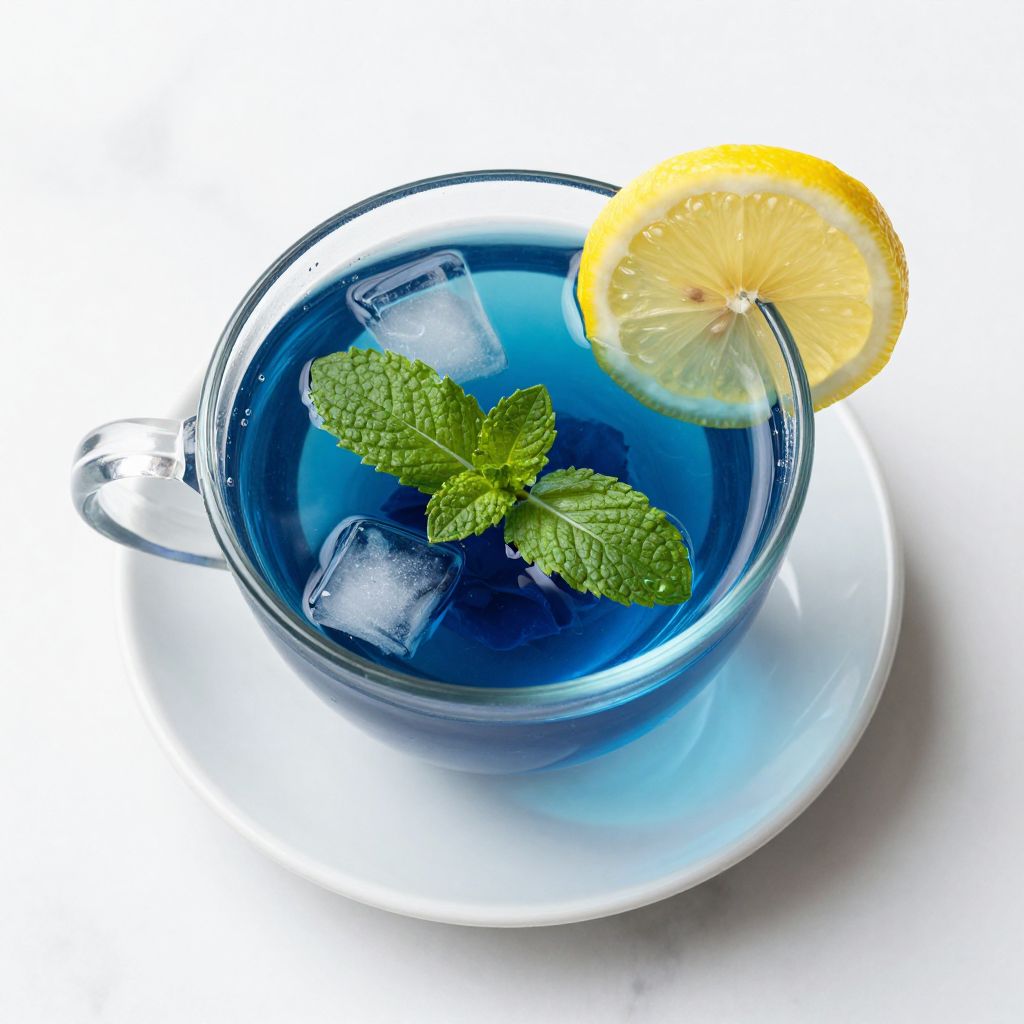
Drop in a few fresh mint leaves, a thin lemon slice, or a sprig of basil to elevate the presentation and add another layer of flavor. Serve immediately while it’s hot, or pour over ice for a refreshing cold version.
Pro Tip: The color-changing magic only works with acidic ingredients like lemon, lime, or apple cider vinegar, so if you want the full visual experience, save the citrus until after you’ve admired the initial blue hue.
Tips for the Best Butterfly Pea Tea
- Source high-quality, organic butterfly pea flowers from reputable sellers to ensure freshness and potency. Older flowers lose their vibrant color and subtle flavor over time.
- Don’t overstep your tea; anywhere from 3 to 5 minutes is perfect, and going beyond can make it taste slightly bitter or grassy.
- Add your sweetener and citrus while the tea is still hot so they integrate smoothly without leaving residue or cloudy spots.
- For an iced version, brew a stronger batch by using 2 teaspoons of flowers per cup, then pour over ice to prevent dilution as it melts.
- Store dried butterfly pea flowers in an airtight container away from direct sunlight to preserve their vivid blue color and fresh flavor for several months.
- Experiment with different citrus juices, herbal additions, and sweeteners to find your perfect combination and make this tea truly your own.
Common Mistakes to Avoid
- Using water that isn’t hot enough slows down the extraction process and results in a pale, weak-tasting tea that doesn’t showcase the flowers’ full potential.
- Steeping too long creates a bitter, astringent flavor that overpowers the delicate floral notes you’re trying to enjoy.
- Forgetting to strain the flowers completely leaves particles floating in your cup, creating an unpleasant grainy mouthfeel.
- Adding citrus too early in the process turns it cloudy and pale before you’ve had a chance to appreciate the stunning blue color.
- Storing butterfly pea flowers in clear containers or under bright light causes them to fade and lose their vibrant color and antioxidant potency.
Serving Suggestions
Butterfly pea tea shines on its own, but it also plays beautifully with a wide range of accompaniments and settings. Serve it as a sophisticated non-alcoholic option at brunch, pair it with light pastries, or use it as a conversation starter at any gathering.
- Pair with delicate shortbread cookies, madeleines, or French macarons for an elegant afternoon tea experience
- Serve alongside fresh fruit platters and light cheeses for a refreshing summer spread
- Mix into lemonade or sparkling water for a naturally colored, Instagram-worthy punch
- Offer as a before-dinner digestif alternative or palate cleanser between courses at a dinner party
- Chill and serve in tall glasses with fresh mint and berries for an impressive non-alcoholic mocktail
Variations to Try
- Iced Butterfly Pea Tea Latte: Brew a strong batch and pour it over ice with a splash of coconut milk, almond milk, or oat milk for a creamy, visually striking beverage that tastes like a fancy cafe drink.
- Butterfly Pea Floral Punch: Mix your brewed tea with sparkling water, fresh citrus juices, and a touch of honey to create a vibrant, refreshing punch for parties that’s both beautiful and delicious.
- Herbal Blend Version: Steep butterfly pea flowers alongside chamomile, lavender, or jasmine flowers to create a more complex, layered floral profile that feels extra special.
- Butterfly Pea Cocktail Mixer: Use cooled butterfly pea tea as a base for gin, vodka, or rum cocktails, letting the color-changing property work its magic when you add citrus or tonic water.
- Butterfly Pea Smoothie Bowl: Blend chilled brewed tea with banana, yogurt, and berries to create a gorgeous blue smoothie bowl base, then top with granola, coconut, and fresh fruit.
Dietary Adaptations
- Gluten-Free: Butterfly pea tea is naturally gluten-free, so this recipe requires zero changes unless you’re using flavored additions that contain gluten.
- Dairy-Free: The base recipe contains no dairy, but if you’re making a latte version, use any plant-based milk like coconut, almond, or oat milk without any trade-offs.
- Vegan: This recipe is completely vegan as written; just swap any honey for agave nectar, maple syrup, or coconut sugar if you prefer.
- Low-Carb and Keto: Butterfly pea tea is naturally low in carbohydrates and calories, making it perfect for keto diets; skip added sweeteners or use stevia and erythritol instead.
- Low-Caffeine or Caffeine-Free: Butterfly pea flowers contain virtually no caffeine, making this an ideal choice for evening sipping or anyone sensitive to stimulants.
Storage and Reheating
Refrigerator
Store brewed butterfly pea tea in an airtight glass container for up to 3 days in the refrigerator. The color may fade slightly over time, but the flavor and health benefits remain intact.
- Pour into ice cube trays and freeze for butterfly pea tea cubes to add to smoothies or other beverages
- Keep dried flowers in an airtight, opaque container away from heat and light for up to 6 months
Freezer
Freeze brewed tea in freezer-safe containers for up to 3 months, though the color may deepen or shift slightly. Thaw overnight in the refrigerator before serving, or blend frozen cubes directly into smoothies.
- Frozen tea cubes work beautifully in cold beverages and prevent dilution from regular ice
Reheating
Gently warm chilled tea in a saucepan over low heat or microwave it in 30-second intervals until it reaches your desired temperature. Avoid boiling, as excessive heat can diminish the delicate flavor and some of the antioxidant benefits.
- Add fresh citrus or sweetener after reheating to restore brightness and flavor intensity
Nutrition Information
| Nutrient | Amount |
|---|---|
| Calories | 5 |
| Total Fat | 0g |
| Saturated Fat | 0g |
| Carbohydrates | 1g |
| Fiber | 0g |
| Sugar | 0g |
| Protein | 0g |
| Sodium | 2mg |
| Cholesterol | 0mg |
This nutritional information is for the plain brewed tea without added sweeteners or milk. Adding honey, sugar, or milk will increase the calorie and nutrient counts accordingly.
Frequently Asked Questions
What exactly are butterfly pea flowers?
Butterfly pea flowers are small, delicate blooms from a Southeast Asian climbing plant that produce a stunning blue pigment when steeped in hot water. They’re completely safe to eat or drink and have been used in traditional medicine and cooking for centuries.
Can I make butterfly pea tea ahead of time?
Yes, you can brew it several hours ahead and store it in the refrigerator in an airtight container for up to 3 days. Just add your citrus and sweetener fresh when you’re ready to serve for the best flavor and color-changing effect.
Why does my butterfly pea tea taste bitter?
Bitterness typically comes from steeping the flowers too long, usually beyond 5 minutes. Try reducing your steeping time to 3 to 4 minutes, and make sure your water isn’t too hot or the flowers are fresh and not stale.
Is butterfly pea tea safe for pregnant women and children?
Butterfly pea tea is generally considered safe for most people, including children and pregnant women, but it’s always wise to check with your healthcare provider first. The flowers contain anthocyanins and antioxidants that are beneficial, but individual health circumstances vary.
Can I use butterfly pea flowers more than once?
You can reuse the flowers once by steeping them again in fresh hot water, though the second brew will be noticeably lighter in color and flavor. For the best-tasting and most visually striking cup, use fresh flowers each time.
What health benefits does butterfly pea tea offer?
Butterfly pea flowers are rich in anthocyanins, antioxidants, and compounds that support eye health, brain function, and overall wellness. They’ve been shown to have anti-inflammatory properties and may help improve memory and focus, though more research is ongoing.
Where do I buy butterfly pea flowers?
Look for them online at specialty tea retailers, Asian grocery websites, or general online marketplaces. They’re also increasingly available at health food stores, natural food markets, and specialty spice shops.
Final Thoughts
Butterfly pea tea is the kind of recipe that feels like you’ve discovered a delightful secret that nobody else knows about, even though it’s been enjoyed in Southeast Asia for generations. The combination of ease, visual magic, and genuine flavor makes it something you’ll want to make again and again.
Next time you need a moment to pause, impress houseguests, or just want to sip on something that makes you smile, reach for your butterfly pea flowers and brew a cup. Trust me, once you taste it and watch that stunning color change happen, you’ll understand why this tea deserves a permanent spot in your kitchen.
Explore More Tea Recipes
If you enjoyed making butterfly pea tea, consider exploring other herbal tea recipes that offer similar health benefits and sensory experiences. Discover the warming properties of chaga tea for immune support, or try the rich, fruity flavors of elderberry tea for a cozy alternative that works beautifully hot or cold.
Butterfly Pea Tea
Ingredients
Equipment
Method
- Bring filtered water to a rolling boil in a kettle or pot.
- Place 1 to 2 teaspoons of dried butterfly pea flowers into a tea infuser or directly into your cup.
- Pour 8 ounces of boiling water over the flowers, fully submerging the petals.
- Cover and steep for 3 to 5 minutes, depending on desired color and flavor intensity.
- Strain the tea through a fine mesh strainer, pressing gently to extract all flavor.
- Stir in honey or agave nectar while the tea is hot, if using.
- Add fresh lemon or lime juice to trigger the color change from blue to pink or purple.
- Garnish with mint leaves or a lemon slice and serve hot, or pour over ice for a cold version.