
There’s something incredibly nostalgic about the aroma of Boiled Grape Juice wafting through the kitchen, reminding me of warm family gatherings and laughter. This delightful drink is not only a taste of childhood but also a fantastic way to capture the essence of fresh grapes, turning them into a sweet and tangy beverage that’s perfect for any occasion.
What makes this recipe special is its simplicity and the deep, rich flavor that comes from boiling the grapes. You’ll love the syrupy texture and vibrant color, making it a versatile addition to your drinks or desserts. Let’s get started with the ingredients you’ll need!
Why You’ll Love This Recipe
This Boiled Grape Juice recipe is a must-try for several reasons:
- Rich, fruity flavor that evokes memories.
- Easy to make with minimal ingredients.
- Perfect for mixing with cocktails or enjoying on its own.
- Great way to use up excess grapes.
- Can be customized with spices or other fruits.
My Experience Making This Recipe
When I first made this recipe, I was amazed at how such a simple process could yield such a delicious drink. The vibrant color and aroma filled my kitchen, and I couldn’t resist a taste right away.
My friends were equally impressed when I served it at a gathering. They kept asking for the recipe, which made me feel like a kitchen superstar, even if I was just boiling grapes!
Recipe Overview
- Recipe Name: Boiled Grape Juice
- Servings: 4 cups
- Prep Time: 10 minutes
- Cook Time: 30 minutes
- Total Time: 40 minutes
- Course: Beverage
- Cuisine: American
- Calories per Serving: 120
Equipment You Will Need
- Large pot
- Colander
- Wooden spoon
- Measuring cups
- Glass bottles or jars for storage
Ingredients for Boiled Grape Juice
- 4 cups of fresh grapes (red or green)
- 1 cup of water
- 1/2 cup of sugar (adjust to taste)
- 1 teaspoon of lemon juice (optional)
Ingredient Notes and Substitutions
- Fresh grapes: They provide the base flavor. You can substitute with frozen grapes, but the taste may vary slightly.
- Sugar: It balances the acidity. Honey or agave syrup can also be used for sweetness.
- Lemon juice: Adds brightness. If you prefer a sweeter juice, you can skip this ingredient.
How to Make Boiled Grape Juice
Step 1: Prepare the Grapes
Start by rinsing the grapes under cold water to remove any dirt or impurities. This ensures a clean taste in your juice.
Step 2: Boil the Grapes
Place the grapes in a large pot and add the water. Bring it to a boil over medium heat, stirring occasionally to help release the juices.
Step 3: Simmer
Once boiling, reduce the heat and let it simmer for about 20 minutes. The grapes should soften and burst, releasing their delicious juice.
Step 4: Mash the Grapes
Using a wooden spoon, gently mash the grapes against the pot’s sides. This step helps extract even more juice and flavor.
Step 5: Strain the Juice
Set a colander over a large bowl and pour the grape mixture into it. Allow the juice to strain through, discarding the solids left behind.
Step 6: Sweeten the Juice
Return the strained juice to the pot and add sugar. Stir well over low heat until the sugar completely dissolves, creating a sweetened juice.
Step 7: Add Lemon Juice
If desired, stir in the lemon juice for a bit of tartness. This step enhances the flavor and balances the sweetness.
Step 8: Cool and Store
Let the juice cool completely before transferring it to glass bottles or jars. Store it in the refrigerator and enjoy it chilled.
Pro Tip: For a more complex flavor, try adding a cinnamon stick or a few cloves during the simmering process.
Tips for the Best Boiled Grape Juice
- Use ripe grapes for the best flavor; overripe grapes are even sweeter!
- Experiment with different grape varieties for unique tastes.
- Adjust the sugar based on your personal preference and the sweetness of the grapes.
- Serve chilled or over ice for a refreshing drink.
- Consider using the leftover solids in smoothies or as a topping for yogurt.
Common Mistakes to Avoid
- Not rinsing the grapes well can lead to a gritty texture in your juice.
- Skipping the mashing step may result in less juice being extracted.
- Overcooking the mixture can make the juice taste cooked rather than fresh.
- Using too much sugar can mask the grape flavor, so taste as you go.
Serving Suggestions
This Boiled Grape Juice is delightful on its own or can be used in various ways. Here are some serving ideas:
- Serve it chilled in a tall glass over ice.
- Mix it with sparkling water for a refreshing spritzer.
- Use it as a base for cocktails or mocktails.
- Drizzle it over desserts like vanilla ice cream or pancakes.
- Add it to smoothies for an extra burst of flavor.
Variations to Try
- Add a splash of orange juice for a citrus twist.
- Incorporate fresh herbs like mint or basil for a refreshing note.
- Use different fruits like apples or pears to create mixed fruit juice.
- Experiment with spices like ginger or cardamom for warmth.
Dietary Adaptations
- Gluten-free: This recipe is naturally gluten-free, making it safe for those with gluten sensitivities.
- Dairy-free: The juice contains no dairy, suitable for lactose-intolerant individuals.
- Vegan/vegetarian: Completely plant-based, perfect for all dietary preferences.
- Low-carb/keto: Substitute sugar with a low-carb sweetener like stevia for a keto-friendly option.
Storage and Reheating
Refrigerator
You can store the boiled grape juice in an airtight container in the refrigerator.
- It will stay fresh for about a week.
- Make sure to shake or stir before serving, as separation may occur.
Freezer
For longer storage, freeze the juice in ice cube trays.
- Once frozen, transfer the cubes to a freezer bag.
- They can last up to 6 months in the freezer.
Reheating
If you prefer warm juice, gently reheat it on the stove over low heat.
- Avoid boiling it again to preserve the flavor.
- Consider adding a splash of water if it’s too thick after freezing.
Nutrition Information
| Nutrient | Amount |
|---|---|
| Calories | 120 |
| Total Fat | 0g |
| Saturated Fat | 0g |
| Carbohydrates | 30g |
| Fiber | 1g |
| Sugar | 28g |
| Protein | 1g |
| Sodium | 5mg |
| Cholesterol | 0mg |
This nutrition information is approximate and can vary based on the specific ingredients used.
Frequently Asked Questions
Can I use frozen grapes for this recipe?
Yes, frozen grapes can be used, but they may yield a slightly different flavor and texture.
How far in advance can I make this juice?
This juice can be made up to a week in advance and stored in the refrigerator.
Can I add more sugar if I like it sweeter?
Absolutely! Feel free to adjust the sugar to your liking during the cooking process.
What if my juice is too thick?
If the juice is too thick, simply add a bit of water to thin it out to your desired consistency.
Is this recipe suitable for kids?
Yes, this juice is a great option for kids as it is natural and doesn’t contain any artificial ingredients.
Final Thoughts
Making Boiled Grape Juice is a rewarding experience that brings the taste of fresh grapes right into your home. I encourage you to try it out; the flavor is simply unmatched!
For more delightful recipes, check out my take on Concord Grape Juice and explore the sweet goodness of Boiled Cider. Happy cooking!
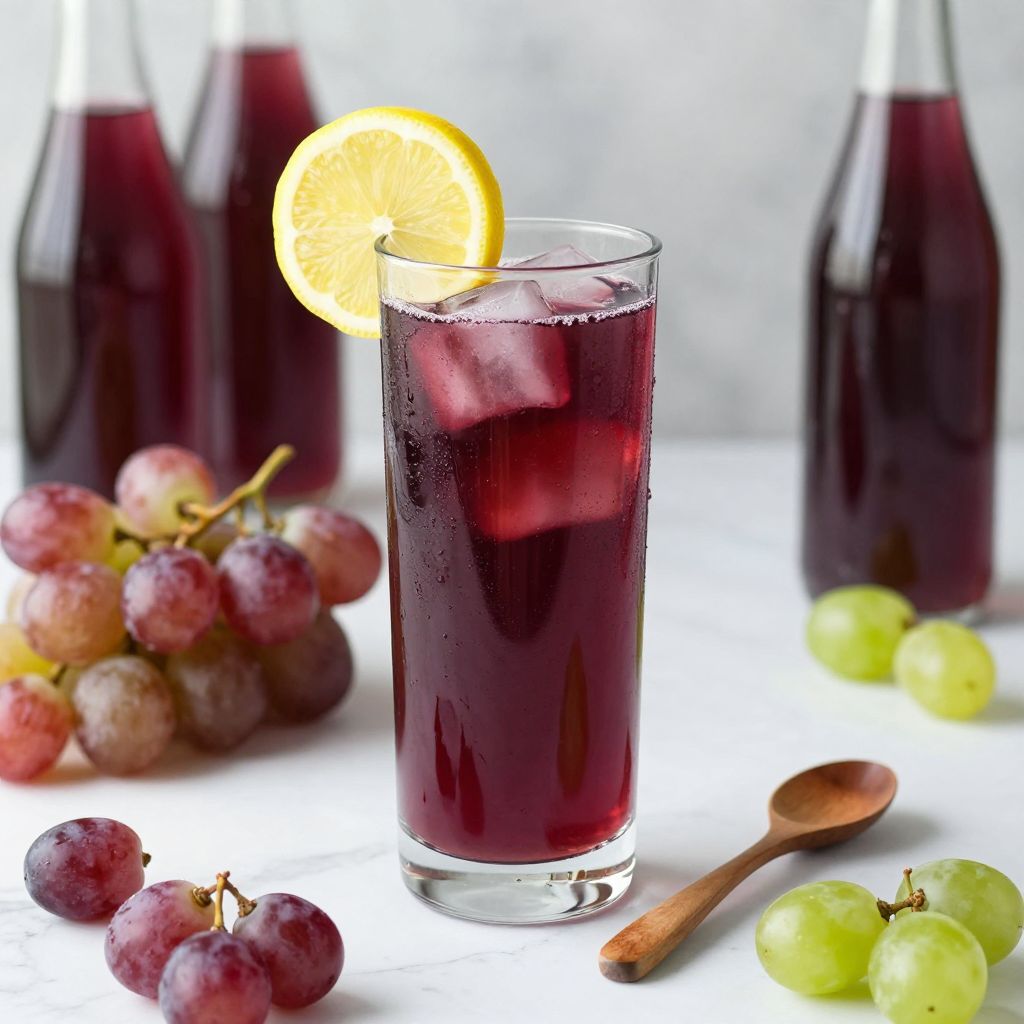
Boiled Grape Juice
Ingredients
Equipment
Method
- Start by rinsing the grapes under cold water to remove any dirt or impurities.
- Place the grapes in a large pot and add the water.
- Bring it to a boil over medium heat, stirring occasionally to help release the juices.
- Once boiling, reduce the heat and let it simmer for about 20 minutes.
- Using a wooden spoon, gently mash the grapes against the pot's sides.
- Set a colander over a large bowl and pour the grape mixture into it.
- Allow the juice to strain through, discarding the solids left behind.
- Return the strained juice to the pot and add sugar.
- Stir well over low heat until the sugar completely dissolves.
- If desired, stir in the lemon juice for a bit of tartness.
- Let the juice cool completely before transferring it to glass bottles or jars.
- Store it in the refrigerator and enjoy it chilled.