
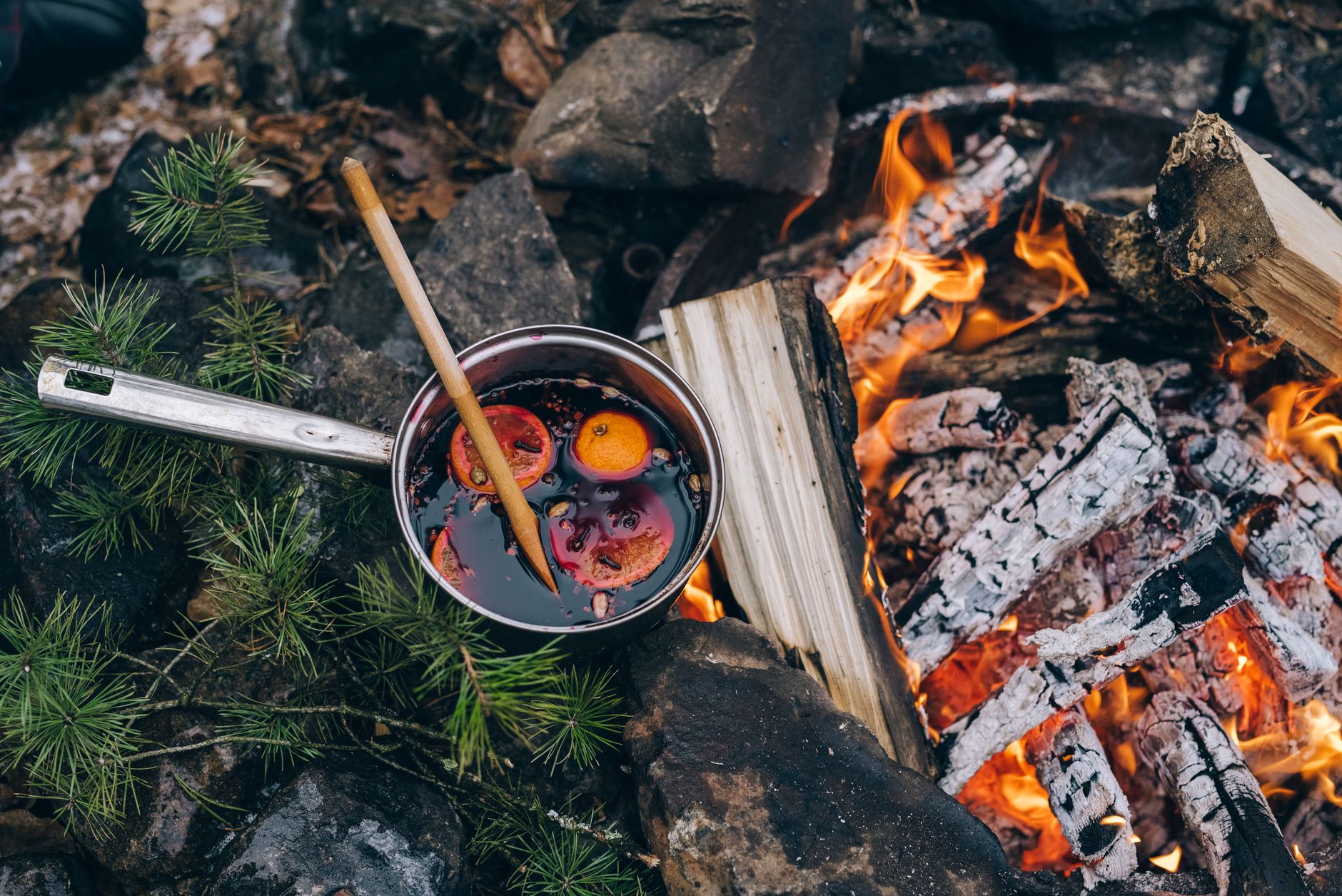
Understanding at what temperature alcohol evaporates is essential for anyone interested in cooking, baking, or crafting cocktails. This knowledge not only affects the flavor and potency of dishes and drinks but also informs how we cook with alcohol in various recipes.
Alcohol is volatile, meaning it evaporates at a lower temperature compared to water. The temperature at which alcohol evaporates depends on its concentration and type, primarily affecting its baking and cooking applications.
At What Temperature Does Alcohol Evaporate?
Alcohol starts to evaporate at temperatures as low as 78.5°C (173.3°F). However, complete evaporation is a different story; it requires longer exposure to heat. When cooking, the rate of evaporation will depend on various factors, including the alcohol’s concentration, cooking method, and duration.
Understanding Alcohol in Cooking
Cooking with alcohol can enhance flavors, add complexity, and create a unique dining experience. Alcohol is used in many culinary traditions, from deglazing pans to marinating meats. Knowing how alcohol interacts with heat can elevate the dishes you prepare.
For instance, dishes like coq au vin or chicken marsala benefit from wine’s acidity, which helps tenderize the meat and adds depth to the flavor profile. However, it’s essential to recognize how much alcohol remains in the food after cooking.
Alcohol Evaporation Rates
The evaporation rate of alcohol differs based on several factors, including:
- Alcohol Concentration: Higher concentrations of alcohol evaporate more slowly than diluted versions.
- Cooking Time: Longer cooking times lead to more evaporation.
- Cooking Method: Open cooking methods like frying or simmering allow alcohol to evaporate faster than baking.
- Temperature: While alcohol evaporates at lower temperatures, higher cooking temperatures speed up the process.
The Cooking Process: A Breakdown
When you cook with alcohol, the process can be broken down into several stages:
- Initial Heating: As your cooking begins, the alcohol starts to evaporate, usually noticeable after the first few minutes.
- Simmering or Cooking: At this point, alcohol starts to evaporate more rapidly, especially if the dish is uncovered. The longer the alcohol is subjected to heat, the more it decreases.
- Finishing: Depending on the cooking time, a significant amount of the alcohol may be evaporated, but the flavors are still infused into the dish.
How Cooking Methods Impact Alcohol Evaporation
Different cooking methods can significantly alter the rate of alcohol evaporation. Here’s how:
1. Boiling
Boiling is one of the most effective ways to remove alcohol quickly. When a dish containing alcohol is boiled, it reaches temperatures that maximize alcohol evaporation.
2. Baking
Baking often falls short in completely removing alcohol. Even at higher temperatures, like 350°F (175°C), some alcohol can remain. It takes about 30 minutes to significantly reduce the alcohol content.
3. Simmering
Simmering allows the alcohol to gradually evaporate while also allowing flavors to blend. Simmering for around 15-30 minutes can effectively reduce the alcohol content significantly, depending on concentration.
4. Steaming
Steaming usually retains more alcohol than boiling, as it doesn’t reach the same temperature levels. The alcohol may not fully evaporate during a short cooking time.
5. Grilling and Searing
Grilling and searing are excellent methods for using alcohol in marinades. However, because these techniques often involve high heat for short periods, not all the alcohol may evaporate.
Useful Cooking Techniques with Alcohol
Cooking techniques can better utilize alcohol in various recipes:
1. Deglazing
Deglazing a pan with wine after sautéing meat can lift the fond (the caramelized bits) off the pan, creating a rich sauce. After adding wine, cook it for several minutes to evaporate most of the alcohol.
2. Marinades
Using alcohol in marinades can help to tenderize meats. Aim to marinate for at least an hour to allow enough time for the flavors to infuse while evaporation occurs.
3. Sauces and Soups
Incorporating alcohol into sauces and soups enriches the flavor. Allow the mixture to simmer long enough for the alcohol to reduce, enhancing taste without leaving an overpowering alcohol essence.
Practical Experiment: Cooking with Wine
An effective way to understand alcohol evaporation is through an experiment:
- Take 1 cup of wine, pour it into a saucepan, and bring it to a simmer over medium heat.
- Observe the steam rising, indicating that alcohol is evaporating. After five minutes, taste the sauce to note the flavor intensity.
- Continue simmering for 10, 15, and finally 30 minutes, tasting at each interval to notice flavor changes.
Substitutions for Cooking with Alcohol
Whether you’re avoiding alcohol for dietary preferences, health concerns, or personal choice, there are effective substitutions available:
- Wine Substitute: Use vinegar or broth mixed with a dash of something sweet (like grape juice) to mimic wine’s acidity.
- Beer Substitute: Use non-alcoholic beer or broth with malt flavoring for recipes that call for beer.
- Spirits Substitute: Use flavored extracts such as vanilla, almond, or rum extract diluted in water or simple syrup.
Common Mistakes When Cooking with Alcohol
Understanding common mistakes can refine your cooking techniques:
1. Not Reducing Enough
Some cooks add alcohol without allowing it enough time to reduce. Always allow adequate cooking time to enhance flavors while reducing alcohol content.
2. Adding Alcohol at the End
Adding alcohol too late in the cooking process leaves the harsh taste of alcohol without the benefits. Incorporate wine, beer, or spirits earlier for better flavor integration.
3. Choosing the Wrong Type
Not all alcohol is suitable for every dish. For instance, a delicate fish dish might not pair well with strong red wine. Match alcohol types with the dish for optimal results.
Safety Concerns
When cooking with alcohol, safety should always be paramount:
- Ensure proper ventilation when cooking with alcohol to prevent excessive fumes which can be harmful.
- Use proper cooking techniques to avoid flare-ups when using flammable spirits in high heat.
- Remember that dishes may still contain residual alcohol, so adjust servings based on dietary restrictions.
Conclusion
Understanding at what temperature alcohol evaporates and how it interacts with food will improve your cooking skills and enable you to create delicious dishes. The nuances involved in using alcohol offer countless opportunities for exploration in flavor and technique.
Whether you’re deglazing a pan, marinating meats, or creating sauces, taking the time to understand alcohol will undoubtedly elevate your culinary creations. Explore more ways to enhance your dishes with our Bourbon Vanilla Extract Recipe or check our Limoncello Recipe for a fresh homemade touch.