
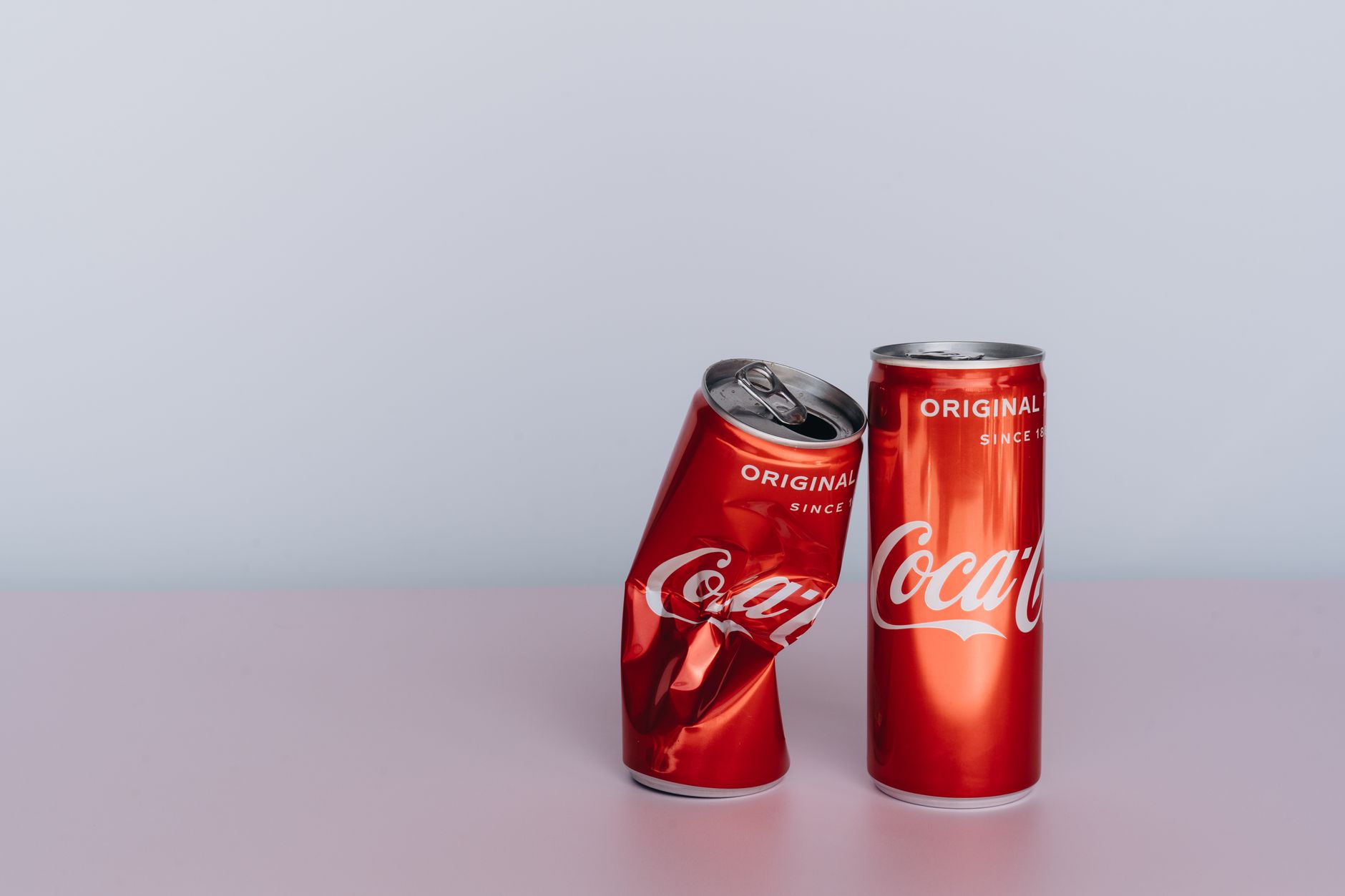
Coca-Cola is one of the most recognizable beverages worldwide, but many people might overlook what’s inside that iconic can. One critical component that draws attention is the amount of sugar in a can of Coke. Grasping this detail is important for those who are monitoring their sugar intake or simply want to make informed choices about what they drink.
In this article, we will explore the sugar content in a standard can of Coke, how it compares to other drinks, potential health effects, and tips for enjoying beverages wisely. This extensive guide aims to help you understand the role of sugar in your diet while enjoying your favorite drinks in moderation.
What is the Amount of Sugar in a Can of Coke?
A standard 12-ounce (355 ml) can of Coca-Cola contains approximately 39 grams of sugar. This sugar primarily comes from high fructose corn syrup (HFCS), which is commonly used in soft drinks. To put this into perspective, the sugar content in a can of Coke translates to about 9.75 teaspoons of sugar. Many consumers might find this surprising, especially considering the daily recommended intake of sugar for an average adult is about 24-36 grams, depending on various health guidelines.
The Sugar Content Compared to Other Beverages
To better understand the sugar content in Coke, it’s beneficial to compare it with other common beverages:
- Pepsi: A 12-ounce can of Pepsi contains about 41 grams of sugar.
- Mountain Dew: A 12-ounce can of Mountain Dew has approximately 46 grams of sugar.
- Snapple Lemon Tea: A 16-ounce bottle has around 40 grams of sugar.
- Gatorade: A 12-ounce bottle contains about 21 grams of sugar.
As you can see, many sodas and sweetened drinks have similar sugar levels, which may contribute to high daily sugar consumption if consumed frequently.
Health Effects of Consuming High Sugar Beverages
While enjoying a Coke every now and then is generally considered acceptable for many people, regular consumption of high-sugar beverages can lead to various health issues. Here are some of the potential effects of consuming too much sugar:
- Weight Gain: Sugary drinks like Coke are high in calories but may not satisfy hunger, leading to overconsumption.
- Diabetes Risk: Excessive sugar intake can contribute to insulin resistance, increasing the risk of Type 2 diabetes.
- Cavities: Sugar is a major contributor to dental problems, such as tooth decay and cavities.
- Heart Disease: High sugar consumption has been linked to an increased risk of heart disease.
Understanding the health implications can guide you in making healthier choices regarding your beverage consumption.
Understanding Sugar Labels
Reading food labels is crucial for informed beverage choices. Here’s how to make sense of the nutrition facts on a can of Coke:
- Serving Size: This indicates how much of the product is considered a single serving. For Coke, one serving is typically a 12-ounce can.
- Sugars: This will show the total amount of sugar per serving. It’s important to note whether the sugar is added (like in sodas) or naturally occurring (like in juice).
- Other Nutrients: Check for calories, carbohydrates, and other nutrients, which can give you a broader picture of how a drink fits into your daily diet.
By familiarizing yourself with these components, you can better regulate your sugar intake.
Alternatives to Sugary Beverages
If you’re looking to cut back on sugar but still want a flavorful drink, there are several alternatives to Coca-Cola and similar sodas:
- Sparkling Water: Flavored or plain sparkling water offers hydration without added sugars.
- Iced Herbal Tea: Unsweetened iced tea can be a refreshing alternative, and you can flavor it with slices of lemon or mint.
- Natural Fruit Juices: These can also provide flavor without excessive sugar when consumed in moderation. Opt for 100% juice and limit serving sizes.
- Homemade Lemonade: Making lemonade at home allows you to control the sugar content, using fresh lemons and less sugar than store-bought versions.
These alternatives can help satisfy taste cravings without overwhelming your body with sugar.
How to Cut Down on Sugar Intake
If you’ve decided you want to decrease your sugar consumption, consider these practical tips:
- Limit Sugary Beverages: Pay attention to your beverage choices and opt for low-sugar or no-sugar options more frequently.
- Stay Hydrated: Drink plenty of water throughout the day. Sometimes our bodies mistake thirst for hunger.
- Check Labels: Always read labels when shopping. You might be surprised at how much sugar is hidden in packaged foods and drinks.
- Introduce Natural Sweeteners: If you need a sweetener, consider using natural options like honey or agave, but use them sparingly.
Being mindful of your sugar consumption can lead to healthier overall dietary choices.
The Role of Sugar in Taste and Enjoyment
While cutting back on sugar is beneficial, it is also important to understand that sugar does play a significant role in flavor. Here are a couple of concepts to consider:
- Balance: Sugar can enhance flavors and create balance in drinks, often masking bitterness or acidity.
- Enjoyment in Moderation: It’s okay to treat yourself occasionally; moderation is key. Enjoying a Coke once in a while can fit into a balanced lifestyle.
Finding a balance between enjoyment and health is essential for sustainable dietary habits.
Frequently Asked Questions about Sugar in Coke
Is there a difference in sugar content between Diet Coke and Regular Coke?
Yes, Diet Coke contains artificial sweeteners instead of sugar, meaning it has zero calories and no sugar. However, the taste differs, and some people prefer one over the other.
Can I still enjoy Coke while on a low-sugar diet?
Yes, you can enjoy Coke occasionally, but it’s advisable to limit your intake depending on your dietary goals. Include it as a rare treat rather than a staple beverage.
Are there any health benefits to consuming sugar?
While sugar provides energy, excess sugar is linked to numerous health problems. Natural sugars found in fruits and vegetables come with vitamins and minerals, making them healthier options.
Summing It Up
Understanding the amount of sugar in a can of Coke is essential for making informed choices about your beverage consumption. With approximately 39 grams of sugar in each 12-ounce can, it’s important to consider how this fits into your overall diet. By comparing drinks, being mindful of sugar intake, and exploring healthier alternatives, you can enjoy beverages while prioritizing your health.
For those who wish to explore more beverage options and recipes, consider trying a refreshing Rum and Coke or venturing into the world of cold drinks with a Cold Brew Coffee Concentrate. Awareness of sugar content allows for a healthier lifestyle while still indulging in your favorites.