
Picture yourself in a sunny German beer garden, holding a tall, slender glass of something refreshingly crisp and golden that tastes like bottled sunshine with a hint of apple and subtle spice. That’s Kolsch, a traditional ale from Cologne that bridges the gap between lagers and ales with its elegant simplicity and drinkability.
Brewing Kolsch at home is rewarding because this beer style teaches you fundamental techniques while delivering a genuinely delicious result that your friends will assume you bought from a professional brewery. The magic lies in its clean fermentation, delicate balance, and that signature crisp finish that makes you reach for another sip.
Why You’ll Love This Recipe
Kolsch rewards patient brewers with a beer that’s approachable yet sophisticated, light yet flavorful, and endlessly drinkable.
- Crisp, clean flavor profile with subtle fruity notes and a dry finish
- Lower alcohol content makes it perfect for social brewing and longer sessions
- Quick turnaround time compared to many lager styles
- Teaches you hybrid fermentation without requiring constant temperature precision
- Incredibly versatile for food pairings and casual gatherings
My Experience Making This Recipe
The first time I brewed Kolsch, I was intimidated by its simplicity. How could something so straightforward produce such layered complexity in the glass?
I quickly learned that Kolsch thrives on balance rather than boldness. The clean malt backbone shines through without aggressive hops, and fermentation at slightly warmer temperatures than typical lagers created those delicate esters that make this beer sing.
Two weeks after bottling, my first taste transported me straight to Cologne. The bright, crisp character with that barely-there apple note convinced me I’d nailed it, and every person who tried it asked for the recipe or the brewery name.
Recipe Overview
- Recipe Name: Kolsch Ale
- Servings: 10 gallons (38 liters), approximately 50 12-ounce servings
- Prep Time: 2 hours
- Brew Day: 6 to 8 hours
- Fermentation Time: 2 to 3 weeks
- Carbonation Time: 2 to 3 weeks
- Total Time: 4 to 6 weeks
- Course: Beverage
- Cuisine: German
- Alcohol Content: 4.8 to 5.2% ABV
- Color: 3.5 to 5.5 SRM (pale golden)
- Bitterness: 20 to 30 IBU
Equipment You Will Need
- 10-gallon brewing kettle
- Mash tun or brew-in-a-bag system
- Water thermometer (0 to 220 degrees Fahrenheit)
- Hydrometer and test jar
- Stirring paddle or mash rake
- Counterflow or immersion wort chiller
- Fermentation vessel (glass carboy or plastic bucket with airlock)
- Auto-siphon and tubing
- Bottling bucket with spigot
- Bottle filler and capper
- 12-ounce beer bottles
- Bottle brush and sanitizer
- pH strips or meter
- Scale accurate to 0.1 ounce
Ingredients for Kolsch Recipe
For the Grain Bill
- Pilsner malt: 6 pounds 8 ounces (primary base malt)
- Vienna malt: 1 pound (adds complexity and subtle sweetness)
- Wheat malt: 8 ounces (contributes smoothness and head retention)
- German noble hops: 1 ounce at 60 minutes (bittering)
- German noble hops: 0.5 ounce at 15 minutes (flavor)
- German noble hops: 0.5 ounce at 0 minutes (aroma)
For Fermentation
- Kolsch yeast: 1 vial of liquid culture or 1 packet of dry yeast, properly hydrated
- Yeast nutrient: 0.5 teaspoon at 15 minutes (supports fermentation)
- Brewing salts: adjust to match Cologne water profile or use base recipe
For Bottling
- Corn sugar or dextrose: 5 ounces (provides carbonation)
- Water: 1 cup (dissolve sugar for priming solution)
Ingredient Notes and Substitutions
- Pilsner malt: This is your foundation, providing the clean, crisp character Kolsch is known for. Substitute with pale ale malt if absolutely necessary, though you’ll lose some of the delicate crispness and get a slightly fuller body.
- Vienna malt: Vienna adds warmth and complexity without overpowering the profile. You can substitute with Munich malt in a pinch, but reduce the amount to 0.75 ounces since Munich is more assertive.
- Wheat malt: Wheat contributes silkiness and improves head retention for that picture-perfect pour. Omitting it won’t ruin the beer, but you’ll lose some of those textural qualities.
- German noble hops: Hallertau, Tettnang, or Saaz all work beautifully here, each adding slightly different character. American noble hops like Cascade will create a less authentic but still delicious beer with more citrus presence.
- Kolsch yeast: This hybrid yeast is non-negotiable for authentic character. A clean ale yeast like WLP001 or Safale US-05 will work but produces a different beer with more fruity esters.
How to Make Kolsch Recipe
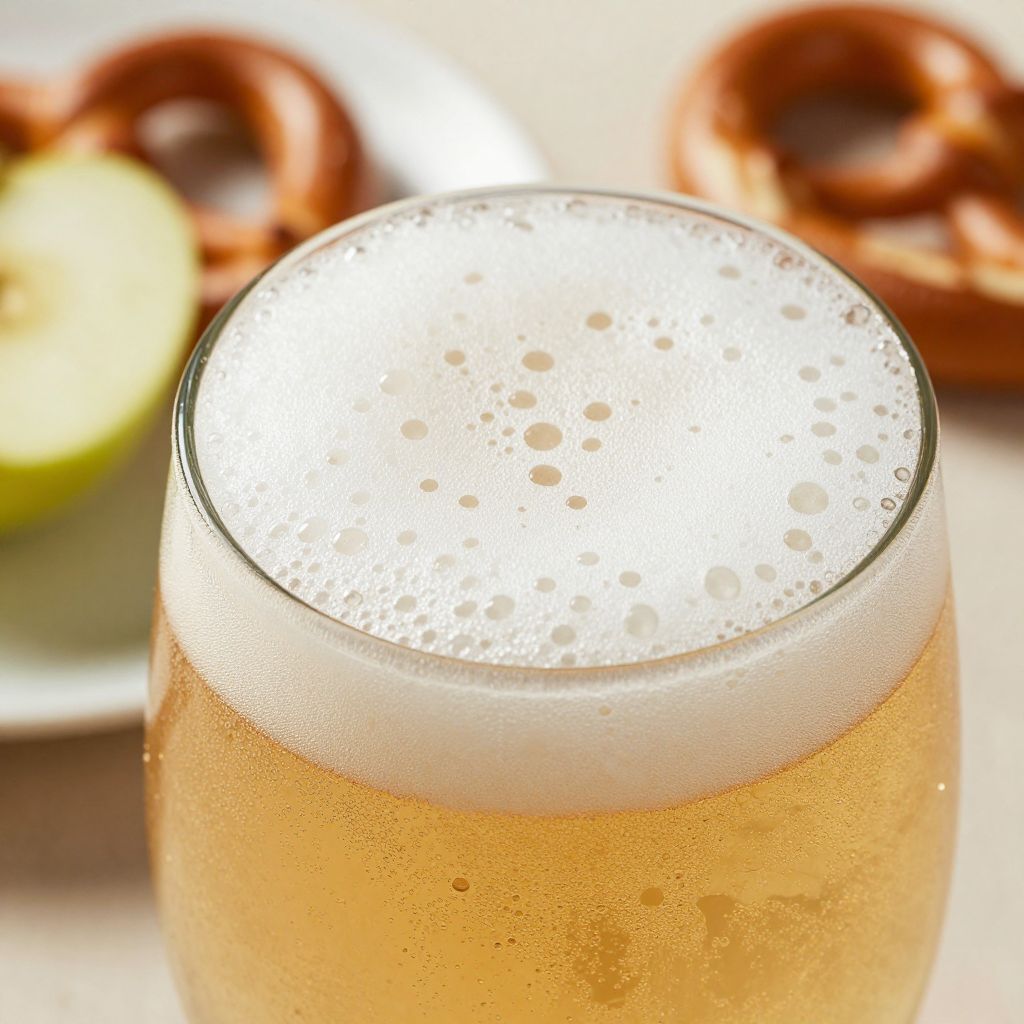
Step 1: Prepare Your Water and Mash Chemistry
Measure out 12 gallons of water and heat it to 162 degrees Fahrenheit, as this is your strike water temperature. Kolsch water is typically soft and slightly alkaline, so adjust your brewing salts accordingly if you have hard water or want to match the Cologne mineral profile.
Step 2: Mill Your Grains
Crush your Pilsner, Vienna, and wheat malts just before brewing using a grain mill set for a medium crack. Milling fresh grain exposes the starches to water, accelerating the conversion process and maximizing efficiency.
Step 3: Execute the Mash
Add your crushed grains to the mash tun and slowly pour in the 162-degree strike water while stirring, aiming for a mash temperature of 152 degrees Fahrenheit. Hold this temperature for 60 minutes, stirring occasionally to prevent channeling and ensure even conversion.
Step 4: Sparge and Collect Wort
After 60 minutes, slowly sparge with 170-degree water until you collect approximately 11 gallons of wort with a gravity around 1.050 to 1.055. Sparging at this temperature extracts sugars efficiently without pulling harsh tannins from the grain husks.
Step 5: Boil and Add Bittering Hops
Bring your collected wort to a rolling boil and add 1 ounce of German noble hops immediately for bittering, targeting 20 to 30 IBU. A full 60-minute boil allows these hops to fully isomerize, providing clean bitterness without aggressive harshness.
Step 6: Add Flavor and Aroma Hops
With 15 minutes remaining in the boil, add 0.5 ounce of noble hops and your yeast nutrient to round out the flavor profile. At 0 minutes, add the final 0.5 ounce of hops to preserve delicate aroma compounds that volatile oils carry.
Step 7: Chill and Aerate Your Wort
After the boil, immediately begin chilling your wort using a wort chiller, aiming to reach 65 degrees Fahrenheit within 30 minutes. Rapid cooling prevents unwanted bacterial growth and produces a cold break, which results in a clearer final beer.
Transfer your chilled wort to your sanitized fermentation vessel and aerate aggressively by shaking the carboy or stirring vigorously for 5 minutes. Yeast needs oxygen during the initial growth phase to reproduce efficiently and produce a healthy fermentation.
Step 8: Pitch Yeast and Ferment at Proper Temperature
Once your wort reaches 65 degrees, pitch your properly hydrated Kolsch yeast and maintain fermentation temperature at 62 to 68 degrees Fahrenheit for the first week. Kolsch is a hybrid ale that ferments cooler than typical ales, producing fewer fruity esters while retaining clean character.
Allow fermentation to rise naturally to 68 degrees during the second week, then conduct a diacetyl rest at 68 degrees for 3 to 4 days before cold conditioning. This process reduces unwanted buttery flavors and creates the crisp, clean profile Kolsch demands.
Step 9: Crash Cool and Clarify
Lower your fermentation temperature to 45 to 50 degrees Fahrenheit over 24 hours and hold for 7 days to allow yeast and sediment to drop. Cold conditioning improves clarity and allows delicate flavors to develop without oxidation.
Step 10: Take a Final Gravity Reading
Use your hydrometer to confirm fermentation is complete by taking readings 24 hours apart and confirming they’re stable, typically landing between 1.009 and 1.012. A stuck fermentation below this range requires investigation and correction before packaging.
Step 11: Prepare for Bottling
Dissolve 5 ounces of corn sugar in 1 cup of boiling water to create your priming solution, then cool it completely. This measured sugar dose creates approximately 2.5 volumes of carbonation, the traditional level for Kolsch.
Step 12: Bottle Your Kolsch
Rack your beer into a sanitized bottling bucket, mix in your cooled priming solution, and fill 50 sanitized 12-ounce bottles using a bottle filler. Bottle quickly and cap immediately to seal in freshness and prevent oxidation.
Pro Tip: Temperature control during fermentation makes or breaks a Kolsch, so invest in a fermentation chamber or temperature-controlled space if you’re serious about brewing this style correctly.
Tips for the Best Kolsch Recipe
- Use fresh Kolsch yeast whenever possible, as this specific strain is responsible for the beer’s signature clean character and hybrid fermentation behavior.
- Maintain consistent fermentation temperatures between 62 and 68 degrees during active fermentation, as temperature swings produce unwanted esters or stalled fermentation.
- Don’t skip the diacetyl rest phase, as this 3 to 4 day period at 68 degrees dramatically improves the final flavor profile by reducing buttery notes.
- Source German noble hops specifically rather than substitutes, as their refined character directly impacts the beer’s delicate balance and authenticity.
- Bottle conditioning for 2 to 3 weeks at room temperature develops carbonation slowly and evenly, creating fine, stable bubbles rather than harsh carbonation.
- Store finished Kolsch at 50 to 60 degrees if possible, as warmer temperatures accelerate aging and create stale, oxidized flavors within weeks.
Common Mistakes to Avoid
- Fermenting too warm: Temperatures above 72 degrees produce excessive fruity esters and destroy Kolsch’s clean character, making it taste like a typical ale instead.
- Skipping the cold conditioning phase: Rushing to bottle without 7 days of cold conditioning leaves yeast in suspension, creating haze and off-flavors in the finished beer.
- Using stale or low-quality yeast: A weak yeast pitch or old yeast culture produces slow fermentation, stuck batches, and unwanted wild yeast character.
- Over-bittering with aggressive hops: Adding more than 30 IBU or using high-alpha hops destroys the delicate balance and turns your Kolsch into an IPA.
- Improper carbonation levels: Under-carbonating creates a flat, lifeless beer, while over-carbonating produces excessive foam and an unpleasant mouthfeel.
Serving Suggestions
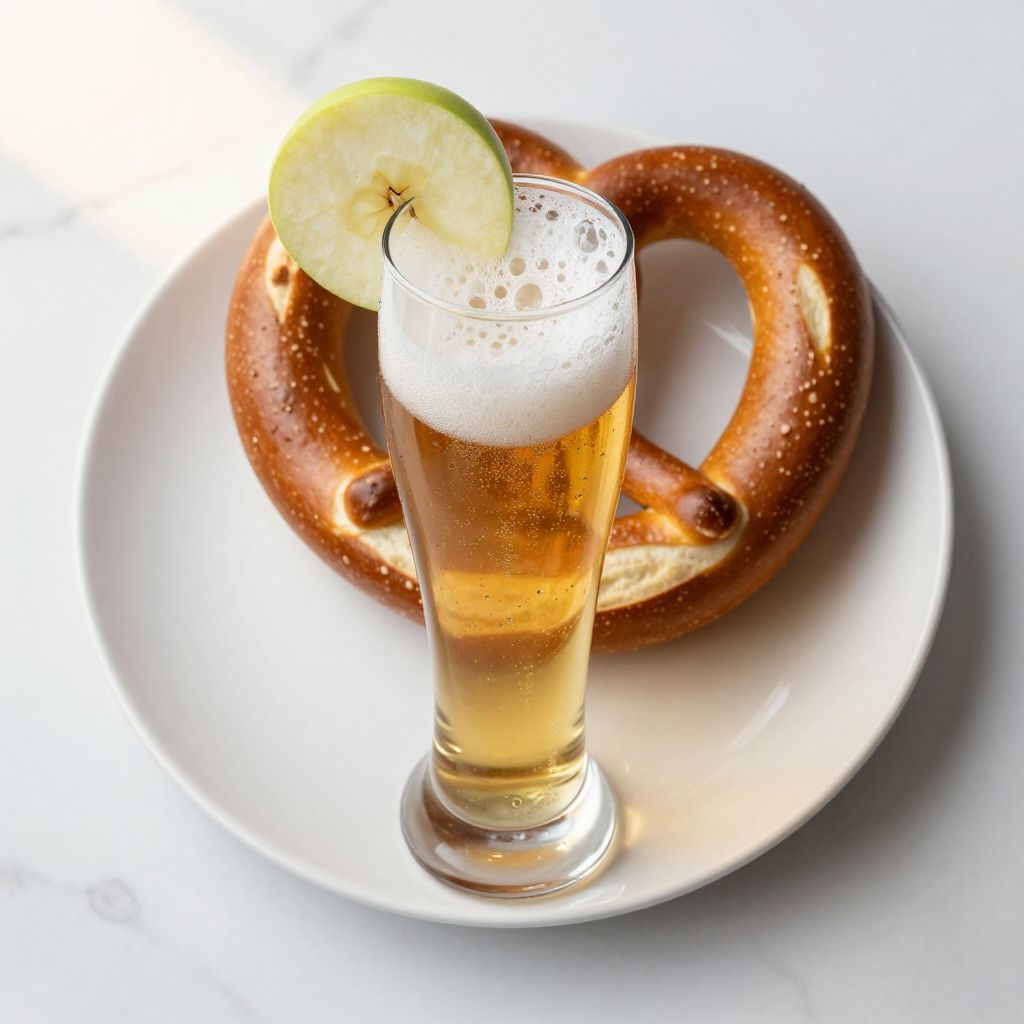
Kolsch shines in tall, slender glasses that showcase its brilliant golden color while maintaining a proper head. Serve ice-cold at 45 to 50 degrees to preserve the crisp, refreshing character that defines this style.
- Grilled fish or seafood like halibut, sole, or shrimp pasta
- Light chicken dishes or herb-roasted chicken breast
- Fresh salads with vinaigrette dressing or mild cheese components
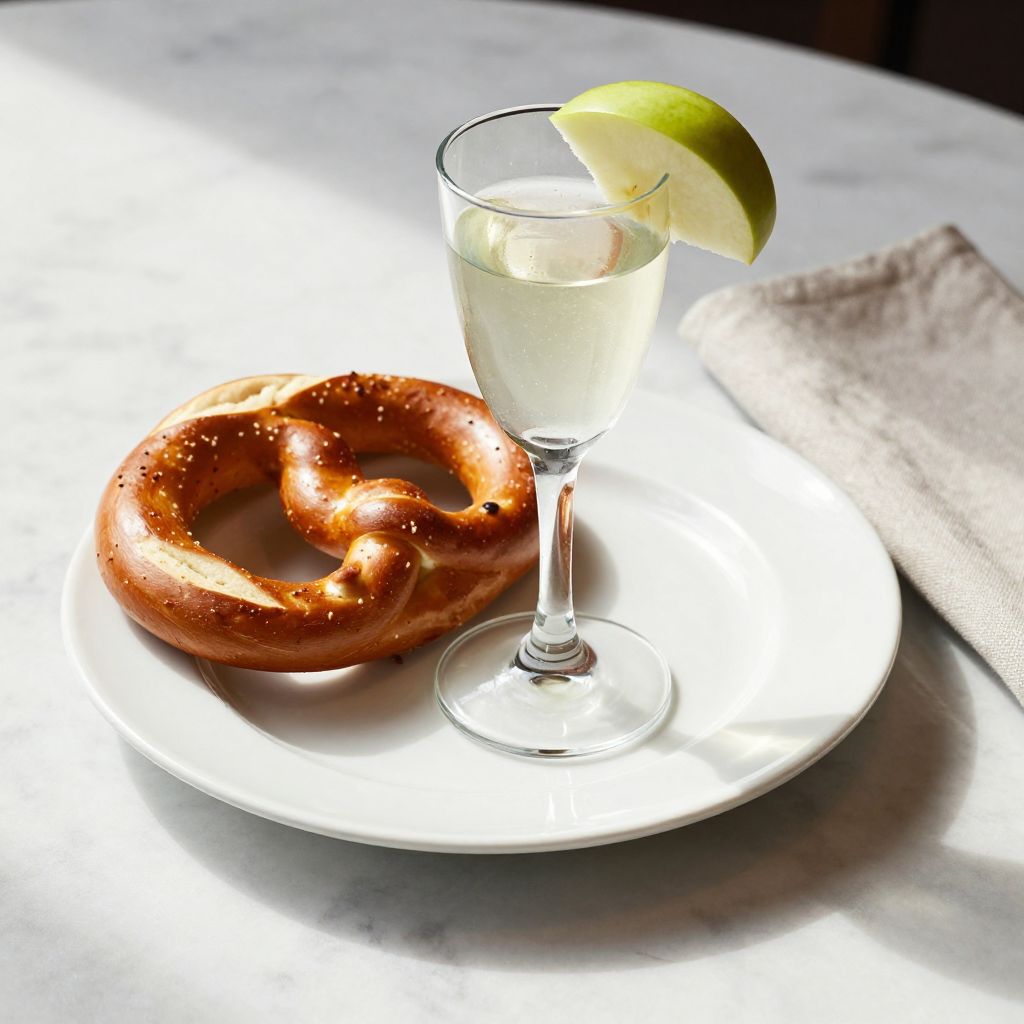
- German pretzels, bread, or fresh-baked pastries
- Spicy Asian cuisine or Thai curries for balance and refreshment
Variations to Try
- Kolsch with Flaked Oats: Replace 4 ounces of wheat malt with flaked oats for increased smoothness and creamier mouthfeel, creating a silkier texture while maintaining the clean finish.
- Honey Kolsch: Add 8 ounces of honey during the last 5 minutes of the boil to introduce subtle floral sweetness and slightly increase alcohol content to 5.3% ABV.
- Citrus Kolsch: Add 1 ounce of dried bitter orange peel during the final 5 minutes of the boil to introduce bright citrus character that complements the noble hops beautifully.
- Spiced Kolsch: Include a small pinch of coriander seed and a touch of cumin during the boil to create a complex spice backdrop without overwhelming the delicate base beer.
- Lighter Kolsch: Reduce the grain bill to 7 pounds total and extend the boil slightly to create a 4.2% ABV version that’s even more sessionable and refreshing.
Dietary Adaptations
- Gluten-Free: Substitute with gluten-free sorghum malt and gluten-free pale malt, though you’ll lose some traditional complexity and may need additional body-building ingredients like rice syrup.
- Lower Carbohydrate: Use a lower mash temperature of 148 degrees for 60 minutes to produce more fermentable sugars and fewer residual carbs, resulting in a drier finish.
- Low Alcohol: Reduce the grain bill to 6 pounds total or use a lower-gravity base, producing a 3.5 to 4.0% ABV beer that’s technically a session beer.
- Vegan: All ingredients in this recipe are naturally vegan, though avoid any fining agents like isinglass when clarifying if you’re strict about processing additives.
Storage and Reheating
Refrigerator
Store finished Kolsch upright in a dark refrigerator at 45 to 50 degrees for up to 3 months, protecting it from light exposure which causes skunky flavors.
- Keep bottles away from direct sunlight and fluorescent lighting
- Monitor flavor quality weekly, as this style degrades faster than darker beers
- Consume within 2 months for optimal freshness and brightness
Freezer
Kolsch doesn’t freeze well due to its delicate flavor profile and carbonation concerns, so freezer storage isn’t recommended for this style.
- Freezing can cause cracks in bottles from expansion
- Thawing damages carbonation and releases excess CO2
- The delicate esters oxidize during freeze-thaw cycles
Reheating and Serving
Never heat Kolsch, as this style is meant to be served cold and loses all character when warmed.
- Chill bottles to 45 to 50 degrees before opening
- Pour into a chilled glass for maximum retention of carbonation and aroma
- Consume immediately after opening for best quality
Nutrition Information
| Nutrient | Amount |
|---|---|
| Calories | 98 |
| Total Fat | 0 grams |
| Saturated Fat | 0 grams |
| Carbohydrates | 3.5 grams |
| Fiber | 0 grams |
| Sugar | 0.5 grams |
| Protein | 0.7 grams |
| Sodium | 5 milligrams |
| Cholesterol | 0 milligrams |
These values represent a 12-ounce serving of finished Kolsch at 5.0% ABV and assume proper fermentation to completion with residual gravity near 1.011.
Frequently Asked Questions
Can I Use a Different Yeast Strain for Kolsch?
You technically can substitute with a clean ale yeast like WLP001, but you’ll lose the signature hybrid fermentation character and crisp finish that defines authentic Kolsch. The beer will taste more like a standard pale ale than true Kolsch.
How Important Is Temperature Control During Fermentation?
Temperature control is absolutely critical for Kolsch because even 5-degree variations produce noticeable differences in flavor, from excessive fruity esters to stalled fermentation. If you can’t maintain 62 to 68 degrees consistently, this style will be frustrating for you.
Why Is My Kolsch Hazy After Bottling?
Haze usually indicates incomplete fermentation with yeast still in suspension, or fermentation occurred too warm and produced excessive proteins. Ensure you complete the diacetyl rest phase and cold condition for the full 7 days before bottling.
How Long Before My Kolsch Is Ready to Drink?
From pitch to drinking, you’re looking at 4 to 6 weeks total. Fermentation takes 2 to 3 weeks, cold conditioning adds 1 week, and bottle conditioning adds 2 to 3 weeks for proper carbonation development.
What Makes Kolsch Different From Other Ales or Lagers?
Kolsch is a hybrid beer that ferments warm like an ale but uses lager yeast characteristics to produce clean, crisp flavors typically associated with lagers. The result is a beer that’s crisp and refined without the time commitment of traditional lager fermentation.
Can I Age Kolsch Long Term?
Kolsch is best consumed fresh within 3 months, as its delicate character and low alcohol content make it vulnerable to oxidation and staleness. Unlike hoppy IPAs or strong ales, this beer doesn’t improve with aging.
Final Thoughts
Brewing Kolsch teaches you that simplicity and precision produce magic when executed properly. This beer style respects your ingredients and rewards your attention to detail with a genuinely delicious result that tastes far more complex than its straightforward ingredient list suggests.
Your first batch of Kolsch is waiting, and your friends will thank you for bringing this crisp, golden treasure into their lives. Grab your gear, commit to proper temperature control, and join the proud tradition of Kolsch brewers who’ve discovered that sometimes the best beers come from understanding the fundamentals rather than chasing complexity.
Explore more classic beer styles like our Doppelbock recipe for deeper, richer options. If you prefer lighter refreshment during warmer months, check out our summer beer recipe collection for additional crisp and sessionable options.
Kolsch Ale
Ingredients
Equipment
Method
- Heat 12 gallons of water to 162°F for strike water.
- Mill the pilsner, Vienna, and wheat malts to a medium crush.
- Mash grains at 152°F for 60 minutes, stirring occasionally.
- Sparge with 170°F water until you collect approximately 11 gallons of wort.
- Bring wort to a rolling boil and add 1 ounce bittering hops at the start; boil for 60 minutes.
- With 15 minutes remaining, add 0.5 ounce flavor hops and 0.5 teaspoon yeast nutrient.
- At flameout (0 minutes), add 0.5 ounce aroma hops.
- Chill wort to 65°F within 30 minutes using a wort chiller.
- Transfer wort to a sanitized fermenter and aerate vigorously for 5 minutes.
- Pitch Kolsch yeast at 65°F and ferment at 62–68°F for 2 weeks, then perform a diacetyl rest at 68°F for 3–4 days.
- Crash cool to 45–50°F and hold for 7 days for cold conditioning.
- Take final gravity readings 24 hours apart; target 1.009–1.012.
- Dissolve 5 ounces corn sugar in 1 cup boiling water and cool for priming solution.
- Rack beer into a bottling bucket, mix in priming solution, and bottle 50 12-ounce bottles; cap and condition for 2–3 weeks.