
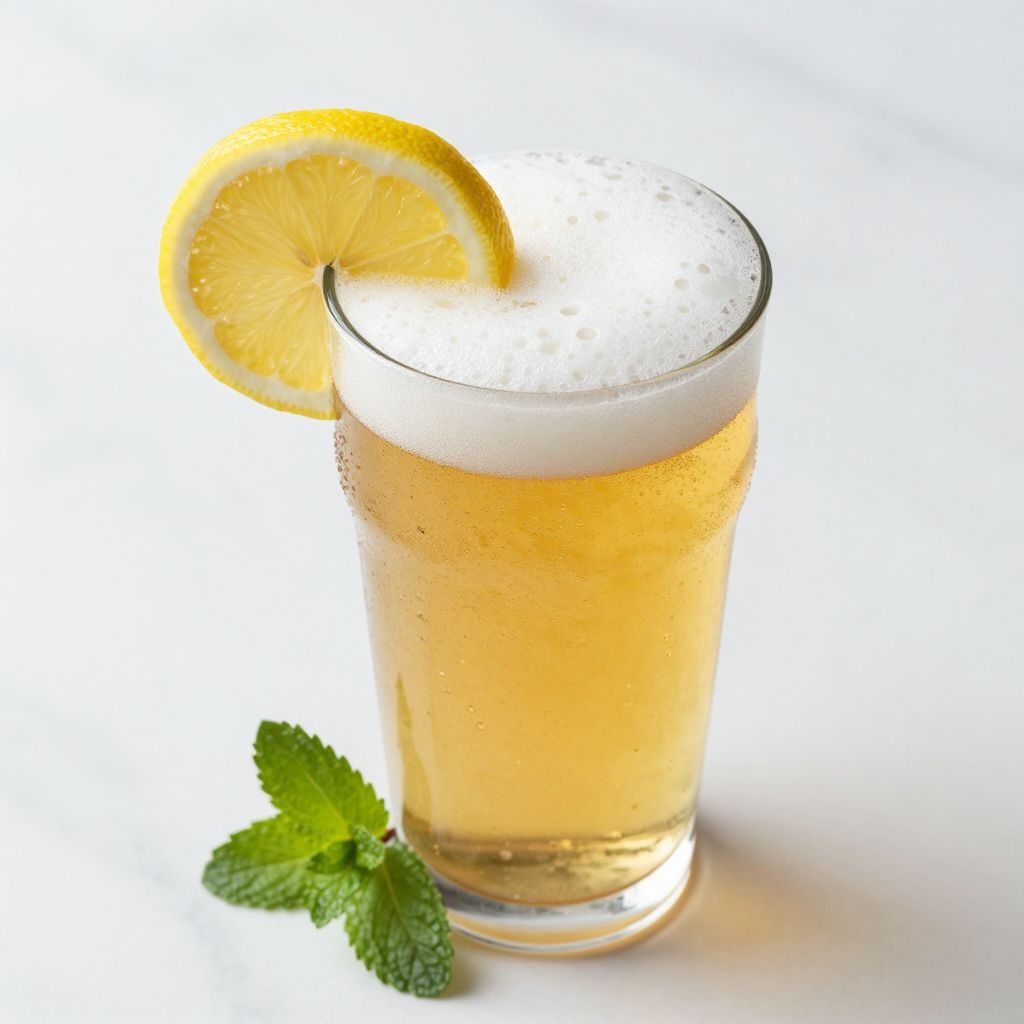
There’s nothing quite like the crack of a cold bottle cap on a sweltering afternoon, followed by that first crisp sip of a beer you crafted yourself in your own kitchen. Homemade summer beer is refreshing, light, and infinitely more rewarding than anything you’ll grab off a shelf.
This summer beer recipe delivers a crisp, citrusy ale that’s perfect for backyard gatherings, lazy Sundays by the pool, or any moment when you need a cold drink that actually tastes like something special. Best of all, brewing at home is far less intimidating than most people think, and the flavor payoff makes every step worthwhile.
Why You’ll Love This Recipe
This summer beer strikes the perfect balance between approachable and impressive. You’ll end up with a refreshing, light-bodied ale that finishes clean and crisp, making it ideal for warm weather drinking.
- Light, crisp flavor profile with subtle citrus notes that feels refreshing on hot days
- Beginner-friendly brewing process that doesn’t require expensive equipment or years of experience
- Full batch yields about 50 bottles, giving you plenty to share or enjoy over several weeks
- Customizable with different hop varieties to match your personal taste preferences
- Homemade quality costs a fraction of what you’d pay for craft beer at a bar or store
My Experience Making This Recipe
I brewed my first batch of this summer ale on a Saturday morning in May, skeptical but curious about the whole process. Within hours, my kitchen smelled like a brewery, and I realized I’d stumbled onto a genuinely fun hobby.
The best part came four weeks later when I cracked open the first bottle at a dinner party and watched my friends’ faces light up. They couldn’t believe I’d made something this clean and drinkable in my apartment, and neither could I.
What surprised me most was how forgiving the recipe turned out to be. I made a couple of small mistakes during my first brew session, yet the final beer still tasted fantastic. That taught me that home brewing rewards careful attention without demanding perfection.
Recipe Overview
- Recipe Name: Summer Citrus Ale
- Servings: 50 (12 oz bottles)
- Prep Time: 2 hours
- Cook Time: 1 hour 15 minutes
- Total Time: 4 weeks (includes fermentation)
- Course: Beverage
- Cuisine: American Craft
- Calories per Serving: 145
Equipment You Will Need
- Large stainless steel brewing pot (at least 5 gallons)
- Digital thermometer with a probe
- Long stirring spoon or paddle (wood or stainless steel)
- Fermentation vessel or carboy (glass or food-grade plastic, 5+ gallons)
- Airlock and bung to fit your fermentation vessel
- Auto-siphon with tubing for transferring beer
- Bottle capper and caps (standard crown caps)
- Hydrometer to measure specific gravity
- Sanitizer (StarSan or similar)
- Cheesecloth or mesh bag for hops
- Scale or measuring cups for dry ingredients
- Clean bottles (50 twelve-ounce bottles)
Ingredients for Summer Citrus Ale
For the Mash and Boil
- Pale malt: 6 pounds (provides the base fermentable sugars)
- Caramel malt (20L): 1 pound (adds slight sweetness and body)
- Filtered water: 5.5 gallons for the mash, plus extra for top-up
- Bittering hops (Cascade): 1 ounce (30 IBU at 60 minutes)
- Aroma hops (Amarillo): 0.5 ounce (at 15 minutes)
- Flavor hops (Citra): 0.75 ounce (at 5 minutes for citrus notes)
- Whirlpool hops (Saaz): 0.5 ounce (steep in hot wort after flame-out for delicate floral notes)
For Fermentation
- Ale yeast: 1 vial of liquid ale yeast (such as Safale US-05 or equivalent)
- Yeast nutrient: 1 teaspoon (helps yeast ferment cleanly)
- Dextrose: 0.75 cup (for carbonation at bottling)
Ingredient Notes and Substitutions
- Pale malt: This is your base grain and provides fermentable sugars that become alcohol. If unavailable, two-row malt works identically. You cannot substitute with non-malt ingredients without fundamentally changing the beer.
- Caramel malt: Adds body and subtle caramel sweetness to balance the bitterness. Crystal malt or Munich malt can replace it one-to-one, though you’ll lose some of the caramel character.
- Cascade hops: Classic American bittering hop with mild citrus undertones. Centennial or Magnum hops substitute well and deliver similar bitterness levels.
- Citra hops: Brings distinct grapefruit and lime notes to the finish. If unavailable, Mosaic or Denali hops offer similar citrus character, though the exact flavor profile shifts slightly.
- Ale yeast: US-05 is reliable and forgiving for home brewers. Wyeast 1056 or White Labs WLP001 work identically, though liquid yeasts may produce slightly different ester profiles.
How to Make Summer Citrus Ale
Step 1: Prepare Your Water and Equipment
Fill your brew pot with 5.5 gallons of filtered water and insert your thermometer. Heat the water to 152 degrees Fahrenheit, which is the ideal temperature for converting the malt’s starches into fermentable sugars.
Meanwhile, sanitize all your equipment (fermentation vessel, stirring spoon, thermometer, and auto-siphon) with your sanitizer solution. Proper sanitation prevents wild bacteria from competing with your yeast and ruining your batch.
Step 2: Mash the Grains
Crush your pale malt and caramel malt coarsely (this breaks open the grain but keeps the husk intact for filtering). Slowly pour the crushed grains into your hot water while stirring gently to avoid clumping.
The mixture should feel like wet sand and hold a temperature around 150 degrees Fahrenheit. Let it rest for 60 minutes without stirring; this time allows enzymes in the grain to break down starches into fermentable sugars.
Step 3: Sparge and Run Off
After 60 minutes, slowly raise the temperature to 168 degrees Fahrenheit to stop enzyme activity. Pour the entire contents through a fine mesh strainer or into a cooler fitted with a spigot (if you have one) to separate the liquid wort from the spent grain.
Collect about 5.5 gallons of clear, golden wort in your brew pot. Discard the spent grain; you’re after the sugar-rich liquid that will become your beer.
Step 4: Bring Wort to a Boil
Turn up the heat and bring your collected wort to a rolling boil. This step sterilizes the wort and begins concentrating its flavors.
Once boiling, reduce the heat slightly to maintain a steady, vigorous boil without it boiling over. Boiling for 90 minutes total is standard, so mark this time now.
Step 5: Add Bittering Hops at 60 Minutes
When you reach the 60-minute mark on your boil timer, add 1 ounce of Cascade bittering hops. These early hops dissolve into the hot wort and contribute bitterness to balance the malt’s sweetness.
Stir gently and let them simmer for the next 45 minutes. The longer hops boil, the more bitterness they impart and the less aroma they retain.
Step 6: Add Flavor Hops at 15 and 5 Minutes
When your boil timer shows 15 minutes remaining, add 0.5 ounce of Amarillo hops. These contribute both bitterness and aroma, creating complexity in the mid-palate.
With 5 minutes left, add 0.75 ounce of Citra hops for a bright, citrusy finish. Stir gently and let these final five minutes complete the boil.
Step 7: Whirlpool and Cool the Wort
When the 90-minute boil finishes, turn off the heat and add your 0.5 ounce of Saaz whirlpool hops. Stir the wort in one direction for a minute to create a whirlpool, then stop and let it settle for 10 minutes; this helps sediment sink to the bottom and keeps hop matter out of your fermenter.
Now chill the wort to 65 degrees Fahrenheit as quickly as possible. Place your pot in an ice bath (a sink or bathtub filled with ice and cold water) and stir occasionally, or use a wort chiller if you have one; chilling quickly prevents unwanted bacteria from settling in and keeps your beer clean-tasting.
Step 8: Pitch the Yeast and Start Fermentation
Once your wort reaches 65 degrees, pour it into your sanitized fermentation vessel, pouring from one container to another a few times to add oxygen (yeast needs oxygen at the start). Fill to about 5 gallons, leaving a couple inches of headspace for foam.
Rehydrate your ale yeast in a cup of cool, dechlorinated water for 15 minutes, then pour the yeast mixture into the wort. Seal your fermentation vessel with an airlock and keep it at 65 to 70 degrees Fahrenheit in a dark, quiet spot for the next two weeks.
Step 9: Monitor Fermentation
Check your airlock daily; you should see bubbles rising through it within 12 to 24 hours, indicating active fermentation. The beer will smell yeasty and alive, which is exactly what you want.
Fermentation typically peaks around day 5 and slows significantly by day 10. After two weeks, take a gravity reading with your hydrometer; when the specific gravity stabilizes for three consecutive days, fermentation is complete.
Step 10: Bottle Your Beer
Sanitize 50 bottles, your auto-siphon, and tubing thoroughly. Dissolve 0.75 cup of dextrose in 2 cups of water, heat to 165 degrees Fahrenheit, and cool it to room temperature; this priming sugar carbonates your beer during bottle conditioning.
Siphon the beer into a bottling bucket, stir in the cooled priming solution gently, and use your auto-siphon to fill each bottle, leaving about an inch of headspace. Cap each bottle immediately and store them upright in a cool, dark place for two weeks while carbonation develops.
Pro Tip: Keep your fermentation temperature steady between 65 and 70 degrees Fahrenheit; temperature swings cause off-flavors and slow fermentation, while steady warmth produces the cleanest, crispest summer beer.
Tips for the Best Summer Citrus Ale
- Use filtered or bottled water if your tap water is heavily chlorinated; chlorine reacts with beer compounds and creates off-flavors that linger in the finished product.
- Invest in a good digital thermometer early; temperature control is the single biggest factor in quality beer, and guessing leads to inconsistent results.
- Keep meticulous notes during your brew day, recording exact times, temperatures, and any deviations; your future batches will be better because you’ll know what worked and what didn’t.
- Handle your hops gently once they’re in the wort; excessive stirring at the end of the boil stirs up sediment and creates cloudiness in the final beer.
- Store your finished bottles in a cool, dark place; light and heat break down beer and degrade its flavor far faster than time alone.
- Chill your beer to 50 degrees before serving; warmer beer masks the crisp citrus character that makes this summer ale special.
Common Mistakes to Avoid
- Skipping sanitization: Even one unsterilized piece of equipment can introduce bacteria that sours your entire batch or creates funky, vinegary flavors that ruin weeks of work.
- Boiling over: If your pot boils over, you lose volume and the mess is painful to clean; reduce heat slightly once it reaches a boil and watch for the first signs of overflow.
- Fermenting too warm: Temperatures above 75 degrees cause yeast to produce excessive fruity esters and harsh flavors that overpower the citrus character you’re aiming for.
- Bottling too early: If you bottle before fermentation finishes, excess carbonation builds up and bottles explode; always wait for three consecutive stable gravity readings before bottling.
- Oxidizing the beer during transfer: Splashing and excessive stirring after the boil introduces oxygen, which stales the beer and creates papery, cardboard-like flavors within weeks.
Serving Suggestions
Serve this summer ale ice-cold in a clean pint glass or pilsner glass to let the citrus aromas shine. The crisp finish pairs beautifully with light summer foods and social gatherings where you want a refreshing drink that doesn’t overpower conversation.
- Grilled chicken with lemon herb rub: The citrus notes in the beer echo the brightness of the marinade
- Fish tacos with fresh cilantro and lime: The clean finish cuts through rich fish perfectly
- Cheese and charcuterie board: Light beers pair well with a variety of hard and soft cheeses, cured meats, and crackers
- Spicy barbecue ribs: The crisp body and mild bitterness cool down heat and cleanse the palate between bites
- Poolside gathering with no food: Sometimes the best pairing is simply cold beer on a hot day with friends
Variations to Try
- Citrus Wheat Summer Ale: Replace 2 pounds of pale malt with wheat malt for a hazy, silky texture that amplifies citrus perception. The trade-off is slightly less body, but the result feels even more refreshing.
- Dry-Hopped Citrus Ale: After fermentation finishes, add 1 ounce of Citra or Mosaic hops directly to the fermenter for five days before bottling. This cold-soak boosts aroma without adding bitterness, creating an explosively aromatic version.
- Ginger Summer Ale: Steep 2 ounces of fresh ginger slices in the hot wort for 10 minutes after flame-out, then remove before cooling. Ginger adds spice and warming complexity that pairs oddly well with citrus hops.
- Session IPA Version: Increase bittering hops to 1.5 ounces and keep the rest the same for a more assertive, hop-forward beer. This creates a cleaner, drier finish that appeals to IPA lovers.
- Fruit-Infused Summer Ale: Rack the beer into a secondary fermenter and add 3 pounds of fresh grapefruit juice before bottling. The result is a unique, juice-forward ale that tastes like summer in a bottle.
Dietary Adaptations
- Gluten-Free: Substitute millet or sorghum malt for pale and caramel malt in equal amounts; this removes gluten but produces a slightly thinner body and more residual sweetness, requiring a touch more bittering hops to balance.
- Dairy-Free: Beer is naturally dairy-free; no adaptations are needed for this recipe.
- Vegan: Confirm your yeast is vegan (most ale yeasts are); some brewers use gelatin fining agents, but this recipe skips them, making it vegan as written.
- Low-Carb or Keto: Use a special yeast strain marketed as “super attenuative” to ferment more sugars into alcohol; you’ll end up with a drier beer around 3.5 grams of carbs per serving instead of 8, though the body becomes thinner.
Storage and Reheating
Refrigerator
Store bottles upright in a cold fridge at 35 to 50 degrees Fahrenheit in the dark. Properly stored beer stays fresh and crisp for up to three months.
- Check the bottle cap seal regularly for any signs of seepage or corrosion
- Avoid freezing, which can force carbonation out of solution and flatten your beer
- Keep bottles away from light, which triggers skunky, sulfur-like flavors within days
Freezer
Freezing beer is not recommended for long-term storage. However, bottles survive brief freezing (a few hours) to get ice-cold for serving without significant damage, as long as you monitor them carefully to prevent the liquid from freezing solid and cracking the bottle.
- Remove beer from the freezer every 30 minutes to check progress toward your desired temperature
- Never leave beer in the freezer overnight unattended
Reheating
Beer should never be reheated. If a bottle warms up after serving, simply chill it again in the refrigerator for a few hours or in an ice bath for 20 minutes before enjoying.
- Cold beer tastes crisp and clean; warm beer tastes flat and loses its character
- If beer must sit out at room temperature, consume it within a couple of hours before oxidation ruins the flavor
Nutrition Information
WP Recipe Maker #447remove
 Summer Citrus Ale A crisp, citrusy homemade ale that’s perfect for backyard gatherings and warm weather drinking. This beginner-friendly brewing recipe delivers a light-bodied beer with subtle citrus notes that’s refreshing and rewarding. Course: Drinks and Beverages Cuisine: American Craft Keyword: ale recipe, brewing, citrus ale, craft beer, homemade beer, summer beer Prep Time: 120m Cook Time: 75m Total Time: 195m Servings: 50 12 oz bottles – Large stainless steel brewing pot (at least 5 gallons) – Digital thermometer with a probe – Long stirring spoon or paddle (wood or stainless steel) – Fermentation vessel or carboy (glass or food-grade plastic, 5+ gallons) – Airlock and bung – Auto-siphon with tubing – Bottle capper and caps – Hydrometer – Sanitizer (StarSan or similar) – Cheesecloth or mesh bag for hops – Scale or measuring cups – 50 twelve-ounce bottles For the Mash and Boil – 6 pounds pale malt – 1 pound caramel malt 20L – 5.5 gallons filtered water plus extra for top-up – 1 ounce bittering hops Cascade – 0.5 ounce aroma hops Amarillo – 0.75 ounce flavor hops Citra – 0.5 ounce whirlpool hops Saaz For Fermentation – 1 vial liquid ale yeast such as Safale US-05 – 1 teaspoon yeast nutrient – 0.75 cup dextrose for carbonation at bottling 1) Fill your brew pot with 5.5 gallons of filtered water and heat to 152 degrees Fahrenheit. Meanwhile, sanitize all your equipment (fermentation vessel, stirring spoon, thermometer, and auto-siphon) with sanitizer solution. 2) Crush your pale malt and caramel malt coarsely. Slowly pour the crushed grains into your hot water while stirring gently to avoid clumping. The mixture should hold a temperature around 150 degrees Fahrenheit. Let it rest for 60 minutes without stirring. 3) After 60 minutes, slowly raise the temperature to 168 degrees Fahrenheit. Pour the entire contents through a fine mesh strainer to separate the liquid wort from the spent grain. Collect about 5.5 gallons of clear, golden wort in your brew pot. 4) Bring your collected wort to a rolling boil. Once boiling, reduce the heat slightly to maintain a steady, vigorous boil for 90 minutes total. 5) At the 60-minute mark on your boil timer, add 1 ounce of Cascade bittering hops. Stir gently and let them simmer for the next 45 minutes. 6) When your boil timer shows 15 minutes remaining, add 0.5 ounce of Amarillo hops. With 5 minutes left, add 0.75 ounce of Citra hops. Stir gently and let these final five minutes complete the boil. 7) When the 90-minute boil finishes, turn off the heat and add your 0.5 ounce of Saaz whirlpool hops. Stir the wort in one direction for a minute to create a whirlpool, then stop and let it settle for 10 minutes. 8) Chill the wort to 65 degrees Fahrenheit as quickly as possible using an ice bath or wort chiller. Stir occasionally to speed cooling. 9) Once your wort reaches 65 degrees, pour it into your sanitized fermentation vessel, pouring from one container to another a few times to add oxygen. Fill to about 5 gallons. Rehydrate your ale yeast in a cup of cool, dechlorinated water for 15 minutes, then pour the yeast mixture into the wort. 10) Seal your fermentation vessel with an airlock and keep it at 65 to 70 degrees Fahrenheit in a dark, quiet spot for the next two weeks. Check your airlock daily for bubbles indicating active fermentation. 11) After two weeks, take a gravity reading with your hydrometer. When the specific gravity stabilizes for three consecutive days, fermentation is complete. 12) Sanitize 50 bottles, your auto-siphon, and tubing thoroughly. Dissolve 0.75 cup of dextrose in 2 cups of water, heat to 165 degrees Fahrenheit, and cool it to room temperature. 13) Siphon the beer into a bottling bucket, stir in the cooled priming solution gently, and use your auto-siphon to fill each bottle, leaving about an inch of headspace. Cap each bottle immediately and store them upright in a cool, dark place for two weeks while carbonation develops. Keep your fermentation temperature steady between 65 and 70 degrees Fahrenheit for the cleanest, crispest summer beer. Use filtered or bottled water if your tap water is heavily chlorinated. Store finished bottles in a cool, dark place and chill to 50 degrees before serving. calories 145