
There’s something magical about the moment you pop open a bottle of champagne on a crisp December morning, watching the bubbles catch the winter light as you pour. Holiday mimosas are the ultimate celebration in a glass, combining the elegance of sparkling wine with festive citrus flavors that make any gathering feel special.
This recipe shines because it’s effortless yet feels refined, and you can batch-prep it for a crowd or sip one quietly by yourself. The beauty lies in its versatility: stick with classic orange juice, or experiment with cranberry, pomegranate, or blood orange for a more seasonal twist.
Whether you’re hosting a brunch or toasting at dinner, these mimosas deliver consistent flavor and visual appeal every single time. Let’s walk through how to make them perfectly.
Why You’ll Love This Recipe
Holiday mimosas check all the boxes: they’re elegant without fussiness, quick to assemble, and crowd-pleasing for nearly any gathering.
- Ready in under one minute per drink
- Customizable with different juices and garnishes
- Makes a strong first impression at any brunch or celebration
- Works beautifully for batch serving large groups
- Naturally feels festive without needing extra decoration
My Experience Making This Recipe
I first started making holiday mimosas years ago when a friend brought a bottle of prosecco to a Christmas morning breakfast. I quickly realized that the quality of the champagne and juice ratio mattered far more than any fancy technique.
The texture and taste transform when you get the balance right: too much juice and it tastes like flavored soda, too little and it’s just champagne with a whisper of flavor. I’ve learned that chilling everything beforehand makes the biggest difference in how the drink feels on your palate.
Now when I make them for gatherings, people consistently ask for the recipe, which tells me something simple done well beats complicated every time. The joy comes from watching friends’ faces light up when they take that first sip.
Recipe Overview
- Recipe Name: Holiday Mimosa
- Servings: 1 drink (multiply as needed)
- Prep Time: 2 minutes
- Cook Time: 0 minutes
- Total Time: 2 minutes
- Course: Beverages
- Cuisine: American/French
- Calories per Serving: 95
Equipment You Will Need
- Champagne flute or similar tall glass
- Measuring jigger or 1-ounce measure
- Bar spoon for gentle stirring
- Bottle opener or cork screw
- Citrus zester or peeler for garnish
- Cutting board and knife for fruit prep
- Large pitcher for batch serving (optional)
Ingredients for Holiday Mimosa
- Champagne or sparkling wine: 3 ounces (chilled)
- Fresh orange juice: 3 ounces (freshly squeezed or chilled)
- Fresh cranberry juice: 0.5 ounces (optional, for color and tartness)
- Orange slice: 1 thin slice for garnish
- Ice: 2 to 3 cubes (optional, for serving)
Ingredient Notes and Substitutions
- Champagne or Sparkling Wine: Champagne adds prestige and fine bubbles that carry flavor beautifully. Prosecco or Cava offer similar results at lower cost with slightly different bubble structures and dryness levels.
- Orange Juice: Freshly squeezed juice provides bright acidity and natural sweetness that bottled juice struggles to match. Store-bought fresh juice works fine if you strain it to remove pulp that can cloud the drink.
- Cranberry Juice: This adds tartness and a festive deep red color that reads as holiday appropriate. Pomegranate juice or blood orange juice deliver similar tartness with different visual appeal.
- Orange Slice Garnish: A fresh slice provides visual interest and a hint of oils when squeezed into the drink. A twist of orange peel or a sprig of fresh rosemary work as alternatives.
How to Make Holiday Mimosa
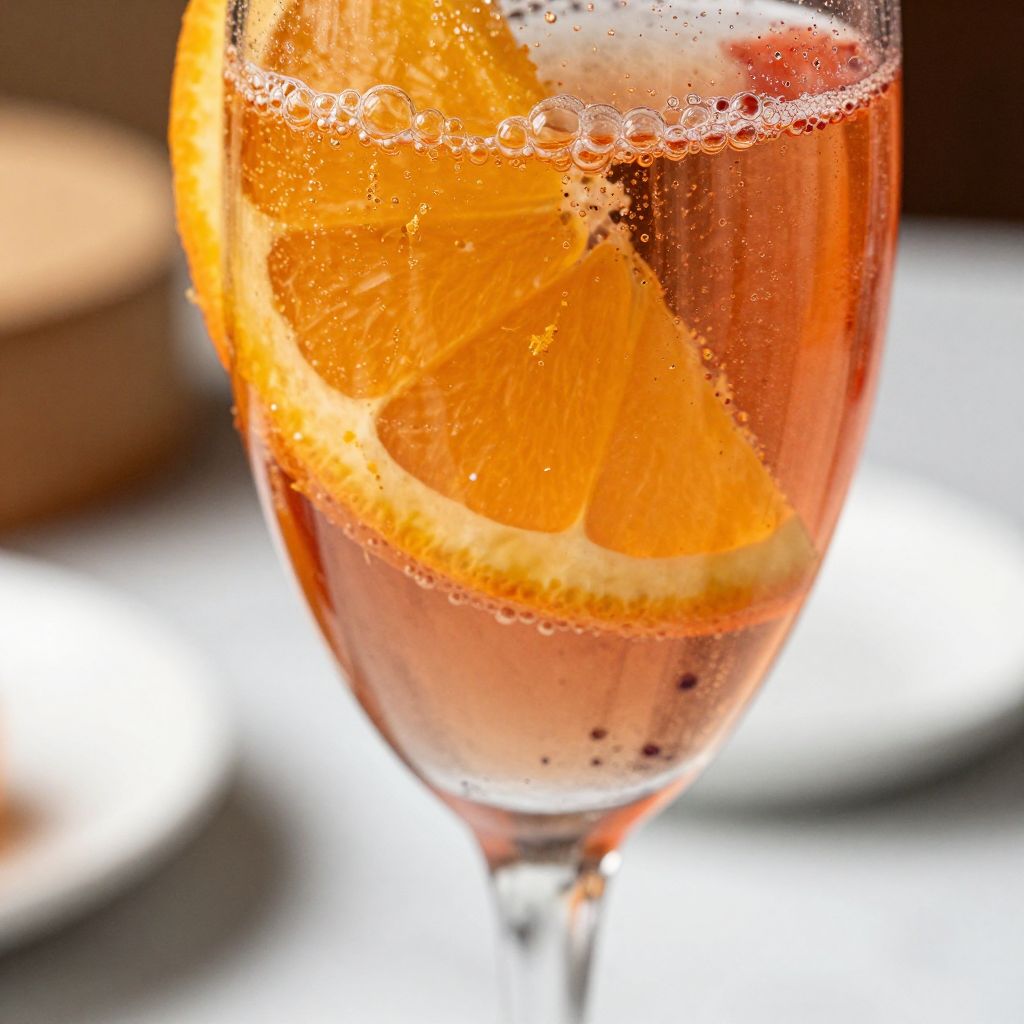
Step 1: Chill Your Glass
Place your champagne flute in the freezer for at least five minutes before mixing. Cold glassware keeps the drink cold longer and prevents the champagne from losing its carbonation too quickly.
Step 2: Prepare Fresh Orange Juice
If using fresh oranges, cut them in half and squeeze the juice through a fine strainer to catch pulp. Pulp-free juice creates a cleaner presentation and smoother mouthfeel.
Step 3: Add Cranberry Juice (Optional)
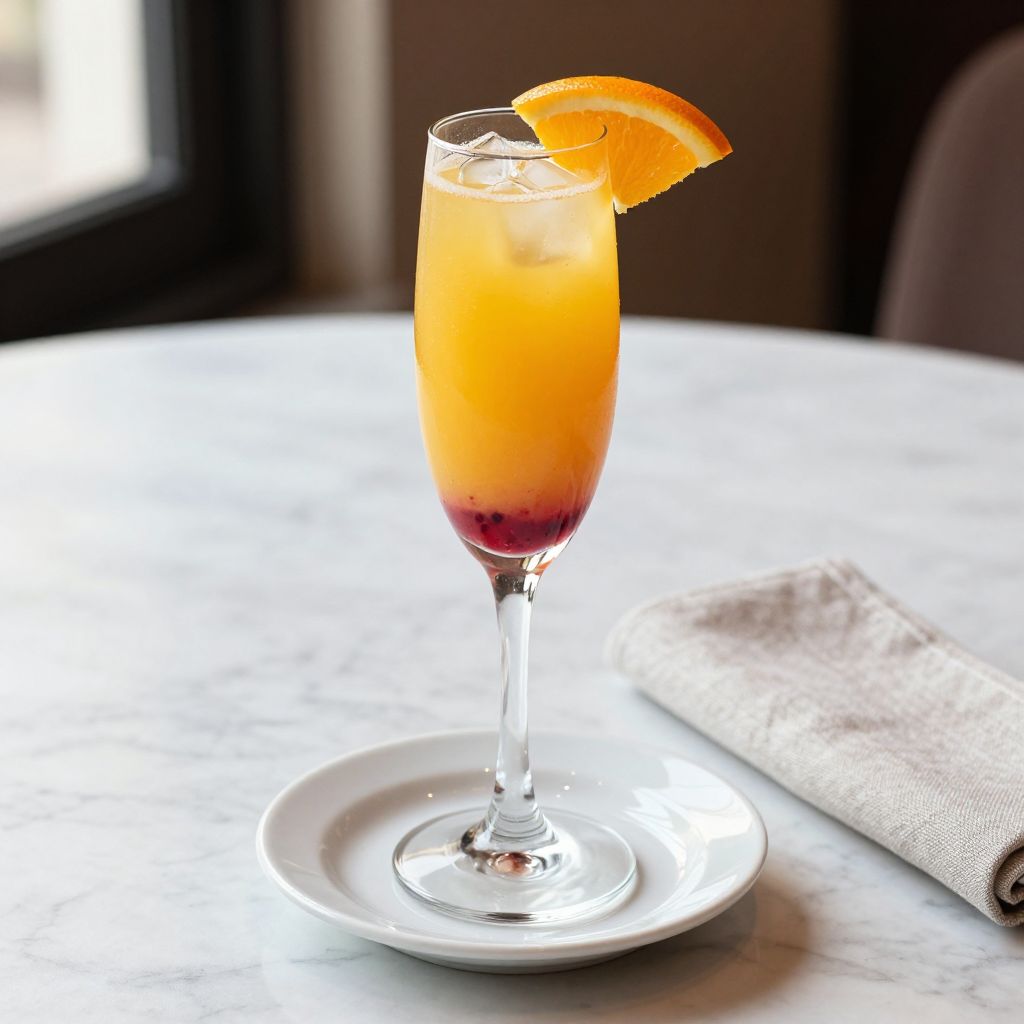
Pour 0.5 ounces of cranberry juice into your chilled flute first. This layers beautifully with the orange juice and creates a gradient effect that looks festive.
Step 4: Pour the Orange Juice
Add 3 ounces of freshly chilled orange juice slowly into the glass. Pour gently to preserve the cranberry layer and avoid excessive mixing at this stage.
Step 5: Top with Champagne
Slowly pour 3 ounces of chilled champagne into the glass, filling it to near the top. Pour at a slight angle so the bubbles don’t overflow, and watch how the champagne mixes with the juice.
Step 6: Stir Gently
Use a bar spoon to stir slowly from bottom to top, just three or four times. This blends the flavors without deflating all the bubbles or creating unnecessary carbonation loss.
Step 7: Prepare Your Garnish
Take a thin orange slice and make one cut from the center to the edge, then twist it slightly. This creates a stable garnish that sits perfectly on the glass rim.
Step 8: Garnish and Serve
Place the twisted orange slice on the rim of the glass and serve immediately. The visual appeal combined with that first sip sets the tone for a celebration.
Pro Tip: Always add juice before champagne, never the reverse, so carbonation doesn’t cause the drink to overflow when you pour the sparkling wine.
Tips for the Best Holiday Mimosa
- Chill all ingredients separately before mixing; warm champagne ruins the entire drink instantly.
- Use a 1:1 ratio of champagne to juice as your baseline, then adjust toward more juice if you prefer something lighter and more refreshing.
- Squeeze oranges fresh on the morning of serving rather than the night before, since juice oxidizes and loses brightness over time.
- Serve mimosas within ten minutes of mixing so they stay properly carbonated and cold throughout.
- For batch serving, mix juice in a large pitcher, then top each glass with champagne individually just before handing it to guests.
- Avoid ice unless absolutely necessary; it dilutes the drink as it melts and waters down the flavor balance.
Common Mistakes to Avoid
- Pouring warm champagne into cold juice causes temperature shock that flattens bubbles and affects the drinking experience.
- Using bottled juice concentrate or low-quality juice makes the entire drink taste thin and artificial no matter how good the champagne is.
- Overfilling the glass prevents you from fully appreciating the bubbles and makes the drink harder to manage.
- Adding ice immediately causes rapid dilution that ruins the flavor balance within two minutes.
- Mixing multiple drinks in advance and holding them causes all the carbonation to escape before anyone takes a sip.
Serving Suggestions
Holiday mimosas pair beautifully with brunch foods that complement their sweetness and acidity. Serve them alongside pastries, egg dishes, or light seafood preparations for a cohesive meal.
- Buttery croissants or fresh pastries with jam
- Smoked salmon and cream cheese on toasted bagels
- Scrambled eggs or omelets with fresh herbs
- Fresh fruit platters with berries and citrus
- Light salads with vinaigrette dressing
Variations to Try
- Pomegranate Mimosa: Replace cranberry juice with pomegranate juice for deeper tartness and a ruby-red color that feels even more festive.
- Blood Orange Mimosa: Use fresh blood orange juice instead of regular orange juice for earthier flavor and natural deep red tones without needing cranberry juice.
- Ginger Holiday Mimosa: Add 0.5 ounces of fresh ginger juice or ginger liqueur for spiced warmth that complements winter flavors beautifully.
- Pomegranate Sparkler: Mix equal parts pomegranate juice and ginger ale with champagne for a lighter, less sweet variation that appeals to those who prefer drier drinks.
- Mixed Berry Mimosa: Combine cranberry juice with a splash of raspberry juice and top with champagne for complex berry flavor that surprises the palate.
Dietary Adaptations
- Gluten-Free: All standard mimosa ingredients are naturally gluten-free; verify that your champagne brand doesn’t add any gluten-containing additives during production.
- Dairy-Free: Mimosas contain no dairy, so they work perfectly for anyone avoiding milk or cream products.
- Vegan: Most champagnes and sparkling wines are vegan, though some use animal-derived fining agents; check labels or choose certified vegan sparkling wines.
- Lower Sugar: Use sugar-free cranberry juice or skip it entirely, and choose a champagne labeled brut or extra dry rather than sweet varieties.
Storage and Reheating
Refrigerator
Store unopened champagne in the coldest part of your fridge for up to a week. Opened champagne should be recorked or capped and consumed within three days.
- Keep orange juice in a sealed container for up to five days
- Store cranberry juice similarly for up to one week
- Prepare fruit garnishes and store in airtight containers for two days maximum
Freezer
Freezing champagne actually damages the flavor and carbonation structure, so keep it in the refrigerator instead. You can freeze orange juice concentrate for later use, though fresh juice always tastes better.
- Freeze orange slices on a sheet pan, then transfer to freezer bags for up to three months
- These frozen slices work as both garnish and ice cubes in a pinch
Reheating
Never reheat a mimosa; always prepare fresh drinks when serving. Warmed champagne loses all carbonation and develops flat, unpleasant flavors.
- Pour any leftover juice into a sealed container and chill for the next day’s service
- Always recork champagne if any remains after opening
Nutrition Information
| Nutrient | Amount |
|---|---|
| Calories | 95 |
| Total Fat | 0.2 grams |
| Saturated Fat | 0 grams |
| Carbohydrates | 12 grams |
| Fiber | 0.1 grams |
| Sugar | 11 grams |
| Protein | 0.5 grams |
| Sodium | 8 milligrams |
| Cholesterol | 0 milligrams |
Nutritional values are approximate and based on a standard 6-ounce mimosa using fresh orange juice and brut champagne. Values vary slightly based on juice sweetness and champagne type.
Frequently Asked Questions
Can I Make Mimosas Ahead of Time?
You can prepare the juice mixture several hours ahead, but always add champagne just before serving. Mixing champagne early causes carbonation loss that completely changes the drink’s character.
What Type of Champagne Works Best?
Brut champagne or prosecco offers the ideal balance of dryness and acidity without overwhelming the juice. Avoid sweet champagne varieties like demi-sec, which tip the drink too far toward dessert territory.
How Do I Keep Mimosas Cold During a Party?
Keep champagne in an ice bucket and juice in a pitcher surrounded by ice, then assemble drinks individually rather than batching everything together. This preserves carbonation and ensures each guest receives a properly cold drink.
Can I Use Bottled Orange Juice?
Yes, chilled bottled juice works in a pinch, though fresh-squeezed juice always tastes noticeably brighter. Strain bottled juice through a fine mesh to remove pulp for a cleaner presentation.
What’s the Ideal Champagne-to-Juice Ratio?
The classic ratio is equal parts champagne and juice (1:1), though you can adjust toward 2 parts champagne to 1 part juice if you prefer something drier. Personal preference matters more than rigid rules here.
Can I Make Non-Alcoholic Mimosas?
Absolutely: substitute champagne with sparkling water or ginger ale for a similar drinking experience without alcohol. The flavors shift slightly toward citrus and carbonation rather than yeast complexity, but it still feels celebratory.
Final Thoughts
Holiday mimosas represent one of those rare recipes where simplicity and elegance merge perfectly. When you use quality ingredients and respect the basic technique, you end up with something that tastes far more impressive than the effort required.
Make these next time you want to mark a morning as special, whether that’s Christmas, New Year’s Day, or simply a Saturday that deserves celebration. Your guests will notice the care you took, and you’ll find yourself reaching for this recipe again and again.
Explore More Festive Drinks
If you enjoyed making holiday mimosas, you might also love exploring other champagne-based beverages for your celebrations.
Check out our green mimosa recipe for a creative variation featuring fresh herbs and cucumber, or try our holiday spritz recipe for a refreshing aperitif that pairs beautifully with appetizers. Both offer festive flavors that complement your holiday entertaining perfectly.
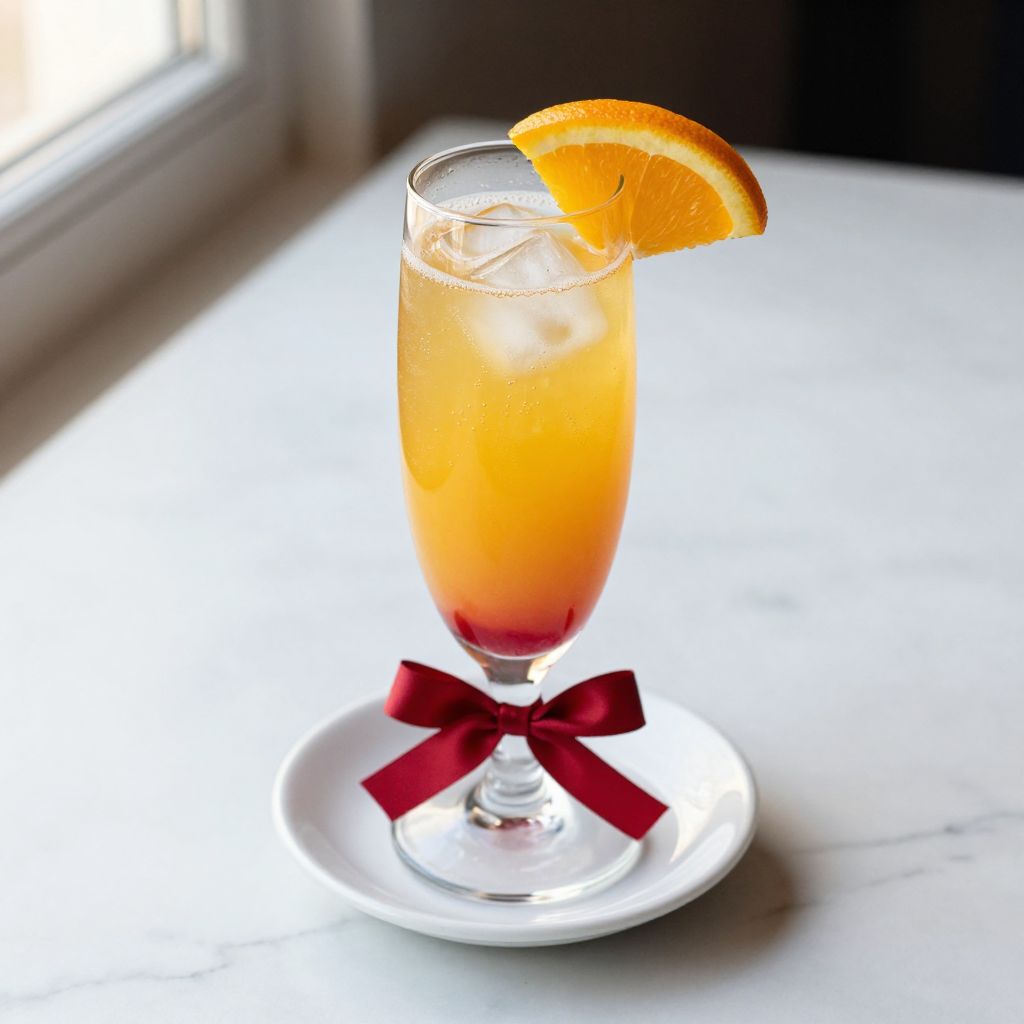
Holiday Mimosa
Ingredients
Equipment
Method
- Chill the champagne flute in the freezer for at least 5 minutes.
- Strain fresh orange juice through a fine mesh to remove pulp if desired.
- Pour 0.5 ounces cranberry juice into the chilled glass for color layering.
- Add 3 ounces of chilled orange juice slowly to preserve the cranberry layer.
- Tilt the glass and pour 3 ounces of chilled champagne slowly to avoid overflow.
- Gently stir the mixture 3 to 4 times with a bar spoon to combine flavors.
- Cut a thin slice of orange and twist it to make a garnish slit.
- Place the orange slice on the rim of the glass and serve immediately.