
There’s something grounding about warming your hands around a steaming mug of kratom tea on a quiet morning, especially when you’re looking for a natural way to support your focus and energy.
Kratom tea has become a favorite among wellness enthusiasts who appreciate its earthy flavor and potential benefits without the fuss of complicated brewing methods. This recipe delivers smooth, balanced kratom tea in under 15 minutes, with techniques that maximize flavor while keeping bitterness at bay.
Whether you’re new to kratom or a seasoned sipper, this guide walks you through every step to brew a cup that tastes genuinely good, not like a chore to drink.
Why You’ll Love This Recipe
This kratom tea recipe balances simplicity with results, delivering a clean cup every time. You control the strength, flavor, and texture without any special equipment.
- Quick brewing in 10-12 minutes with minimal hands-on time
- Smooth, naturally sweet taste when prepared correctly
- Customizable potency to match your preferences and tolerance
- Budget-friendly compared to pre-made kratom products
- Works with any kratom strain you prefer
My Experience Making This Recipe
I started brewing kratom tea out of necessity when I wanted something warmer and more enjoyable than tossing powder with water. My first attempt was a gritty disaster that tasted like dirt and regret.
After experimenting with water temperature, steeping times, and filtering methods, I landed on this approach. The tea now tastes genuinely pleasant, with subtle earthy notes and a creamy texture when done right.
Friends and family who tried it were surprised by how much better it tasted than their previous experiences. The key is respecting the plant material and not overcomplicating things.
Recipe Overview
- Recipe Name: Kratom Tea
- Servings: 1
- Prep Time: 2 minutes
- Cook Time: 10-12 minutes
- Total Time: 12-14 minutes
- Course: Beverage
- Cuisine: Wellness
- Calories per Serving: 10-15
Equipment You Will Need
- Electric kettle or stovetop pot with thermometer
- Small saucepan or tea infuser mug
- Fine mesh strainer or coffee filter
- Measuring spoon
- Whisk or small spoon for stirring
- Coffee mug or tea cup
- Optional: milk frother or blender for creamy texture
Ingredients for Kratom Tea
- Kratom powder: 2-3 grams (adjust for potency preference)
- Filtered water: 8-10 ounces
- Honey or agave nectar: 1-2 teaspoons (optional, balances earthiness)
- Fresh lemon juice: 1/2 teaspoon (optional, enhances flavor)
- Milk or milk alternative: 1-2 tablespoons (optional, adds creaminess)
- Ginger powder or fresh ginger: Pinch (optional, complements kratom well)
Ingredient Notes and Substitutions
- Kratom powder: The foundation of your tea, kratom provides alkaloid content and earthy flavor. If you run out, matcha or ceremonial-grade green tea powder cannot replicate kratom’s effects, but they offer similar brewing methods and a smoother taste profile.
- Filtered water: Chlorine in tap water can interfere with kratom’s alkaloids and taste. Distilled water works if filtered water isn’t available, though some find it flat.
- Honey: Natural sweetness masks kratom’s bitterness while adding gentle warmth. Maple syrup or coconut sugar work as substitutes with slightly different flavor notes.
- Lemon juice: Citric acid may increase alkaloid extraction and brightness. Lime juice offers similar acidity with a different flavor dimension.
- Milk: Dairy or non-dairy options both work equally well. Coconut milk adds richness, almond milk stays neutral, and oat milk provides subtle sweetness.
How to Make Kratom Tea
Step 1: Heat Your Water to the Right Temperature
Pour 8-10 ounces of filtered water into your kettle and heat it to 160-180 degrees Fahrenheit. Water that’s too hot can damage kratom’s beneficial alkaloids, while water that’s too cool won’t extract flavor properly.
Step 2: Measure Your Kratom Powder
Scoop 2-3 grams of kratom powder into a small bowl or directly into your strainer. Two grams gives you a mild effect, while three grams delivers stronger results; adjust based on your tolerance and goals.
Step 3: Add Kratom to Your Mug
Place your kratom powder into a fine mesh strainer, tea infuser ball, or directly into your mug if you’re filtering afterward. Using a strainer upfront saves cleanup time and ensures a smoother final cup.
Step 4: Pour Water Over the Kratom
Slowly pour your heated water over the kratom powder, wetting it gradually rather than dumping everything at once. This helps prevent clumping and ensures even extraction.
Step 5: Let It Steep for 8-10 Minutes
Allow your tea to steep without disturbance, timing it carefully to avoid over-extraction. Steeping longer than 10 minutes tends to increase bitterness without adding much benefit.
Step 6: Stir the Mixture Gently
After five minutes, give the tea a gentle stir to promote even extraction and help settle any powder. Vigorous stirring can create unwanted grittiness in your final cup.
Step 7: Strain Out the Powder
Pour your steeped tea through a fine mesh strainer into your drinking mug, pressing gently on the kratom solids to extract remaining liquid. Be careful not to oversqueeze, which can push fine particles through into your cup.
Step 8: Add Your Optional Flavor Enhancers
Stir in honey, lemon juice, ginger, or milk if desired, mixing well to combine flavors. Honey works best when added to warm tea, as it dissolves smoothly and balances earthiness perfectly.
Step 9: Taste and Adjust
Take your first sip and adjust sweetness or creaminess as needed for future batches. Everyone’s kratom sensitivity differs, so personalizing flavor is part of mastering your brew.
Pro Tip: Keep your water temperature between 160-180 degrees Fahrenheit, never boiling; this temperature sweet spot extracts kratom’s best qualities while preserving beneficial alkaloids that higher heat can destroy.
Tips for the Best Kratom Tea
- Use fresh kratom powder stored in an airtight container away from sunlight and heat, as kratom degrades over time and loses potency.
- Don’t skip the lemon juice; even a small amount increases alkaloid bioavailability and brightens the overall flavor profile.
- Invest in a good strainer or use unbleached coffee filters to catch fine powder particles that create grittiness.
- Brew kratom tea in the morning or early afternoon to avoid sleep disruption, as kratom can energize when consumed late in the day.
- Experiment with different kratom strains like green, red, or white varieties to discover which flavor and effect profile you prefer most.
- Keep your initial dose modest if you’re new to kratom, then gradually adjust upward once you understand how your body responds.
Common Mistakes to Avoid
- Using boiling water scorches kratom’s alkaloids and creates harsh, bitter tea that’s unpleasant to drink.
- Steeping longer than 12 minutes extracts excess tannins and increases bitterness without improving effects.
- Adding kratom directly to cold water creates a gritty suspension that never fully integrates, resulting in sandy texture.
- Skipping the strainer and drinking unmilled powder can cause digestive discomfort and an unpleasant mouthfeel.
- Using old kratom powder that’s been exposed to air and moisture delivers weak flavor and reduced potency.
Serving Suggestions
Kratom tea works best as a morning or midday beverage when you want sustained focus and calm energy. Pair it with breakfast or a light snack to enhance absorption and minimize any digestive sensitivity.
- Sip alongside fresh fruit, pastries, or toast to balance kratom’s earthy taste
- Enjoy with a protein-rich breakfast like eggs or Greek yogurt to slow absorption and extend effects
- Serve warm in a ceramic mug during quiet morning moments for a mindful ritual
- Pair with meditation, journaling, or focused work sessions to maximize kratom’s clarity benefits
- Combine with herbal tea blends like chamomile for a layered flavor experience
Variations to Try
- Spiced Kratom Tea: Add cinnamon, cardamom, and nutmeg to your brew for warming spice notes that complement kratom’s earthiness and create a chai-like experience.
- Kratom Latte: Froth your milk with honey and add it to strained kratom tea for a creamy, coffee-shop-style beverage that masks bitterness effectively.
- Citrus Kratom Tea: Mix fresh orange juice or grapefruit juice with your brewed tea for bright, tropical notes that enhance alkaloid absorption naturally.
- Herbal Blend: Steep your kratom alongside peppermint or spearmint tea bags for refreshing coolness and digestive support without overpowering kratom’s profile.
- Cold Brew Kratom: Mix kratom powder with room-temperature water, let sit overnight in the refrigerator, then strain and serve chilled for a smoother, less bitter version.
Dietary Adaptations
- Gluten-Free: Kratom powder is naturally gluten-free, making this tea safe for celiac diets; just confirm your kratom source is certified gluten-free to avoid cross-contamination.
- Dairy-Free: Skip milk entirely or use coconut, almond, oat, or soy milk alternatives; the tea tastes equally good without dairy, just lighter in texture.
- Vegan: Use agave nectar instead of honey and any plant-based milk to keep this recipe fully vegan-compliant without sacrificing sweetness or creaminess.
- Low-Carb/Keto: Skip sweeteners entirely or use stevia and erythritol; kratom tea contains minimal carbs on its own and fits easily into ketogenic eating patterns.
Storage and Reheating
Refrigerator
Store leftover brewed kratom tea in a sealed glass container for up to 48 hours. Cold tea separates slightly, so stir well before reheating or drinking cold.
- Keep in the coldest part of your fridge away from strong-smelling foods
- Discard any tea that develops mold, cloudiness, or off-smell
Freezer
Kratom tea freezes well for up to one month in ice cube trays, perfect for blending into smoothies or quickly reconstituting drinks. Freeze in small portions for easier thawing.
- Pour strained tea into ice cube trays and freeze solid before transferring to freezer bags
- Thaw cubes in the refrigerator overnight or microwave gently to avoid overheating
Reheating
Warm refrigerated kratom tea gently on the stovetop or microwave for 30-45 seconds, avoiding boiling. Never microwave frozen kratom cubes directly; thaw first to prevent alkaloid damage.
- Use low to medium heat on the stove for best results
- Check temperature before drinking to avoid burns
Nutrition Information
| Nutrient | Amount |
|---|---|
| Calories | 10-15 |
| Total Fat | 0g |
| Saturated Fat | 0g |
| Carbohydrates | 2-3g |
| Fiber | 0.5g |
| Sugar | 0-1g (before sweetener added) |
| Protein | 0.5g |
| Sodium | 5mg |
| Cholesterol | 0mg |
These values represent unsweetened kratom tea without added milk or honey; customize your nutritional content by choosing your sweeteners and cream additions carefully.
Frequently Asked Questions
Can I reuse kratom powder after brewing?
You can reuse kratom powder once for a second, weaker batch if you prefer less potency. A second steep yields diminishing returns, as most alkaloids extract in the first brewing.
Does kratom tea stain teeth or cups?
Kratom can stain light-colored cups and potentially teeth with regular consumption, similar to coffee or green tea. Rinse your mug immediately after drinking and consider using darker mugs to minimize appearance of staining.
How long do kratom’s effects last?
Most people feel kratom’s effects within 15-30 minutes, with peak effects around one to two hours. Duration varies by individual metabolism, tolerance, and strain type, typically lasting three to five hours.
Is kratom tea safe to drink daily?
Many regular users drink kratom daily without issues, though some develop tolerance over time. Rotate between different strains and take occasional breaks if you use kratom consistently to maintain effectiveness.
Why does my kratom tea taste so bitter?
Over-steeping, boiling water, or low-quality powder causes excessive bitterness that overshadows kratom’s natural flavor. Stick to 160-180 degree water, limit steeping to 10 minutes maximum, and source fresh powder from reputable vendors.
Can I add kratom to cold drinks or smoothies?
Yes, kratom mixes into smoothies, iced tea, and cold beverages easily, though cold water extraction is slower and less efficient than warm water. Cold brewing works but requires longer steeping times of 12-24 hours.
What’s the difference between red, green, and white kratom strains?
Red strains tend to feel more relaxing and grounding, green strains offer balanced effects with mild energy, and white strains lean more stimulating and focus-enhancing. Personal response varies widely, so experimenting helps you find your ideal strain.
Final Thoughts
Brewing kratom tea at home transforms a wellness ritual into something warm, intentional, and genuinely enjoyable. Once you master this basic recipe, customizing flavors and experimenting with different strains becomes part of the fun.
Give this method a try, and you’ll likely find yourself reaching for fresh-brewed kratom tea as your go-to morning or afternoon ritual. The effort you invest in proper brewing technique pays back in flavor and satisfaction every single cup.
Explore More Wellness Tea Recipes
Ready to expand your herbal tea collection beyond kratom? Check out these complementary wellness beverages to deepen your tea ritual and discover new flavors you’ll love.
If you enjoy earthy, grounding teas, you’ll want to explore our chaga tea recipe for an immune-supporting option with rich, woody notes. For something with bright, tart refreshment, our hibiscus tea recipe cold delivers vibrant flavor that works beautifully alongside your kratom routine.
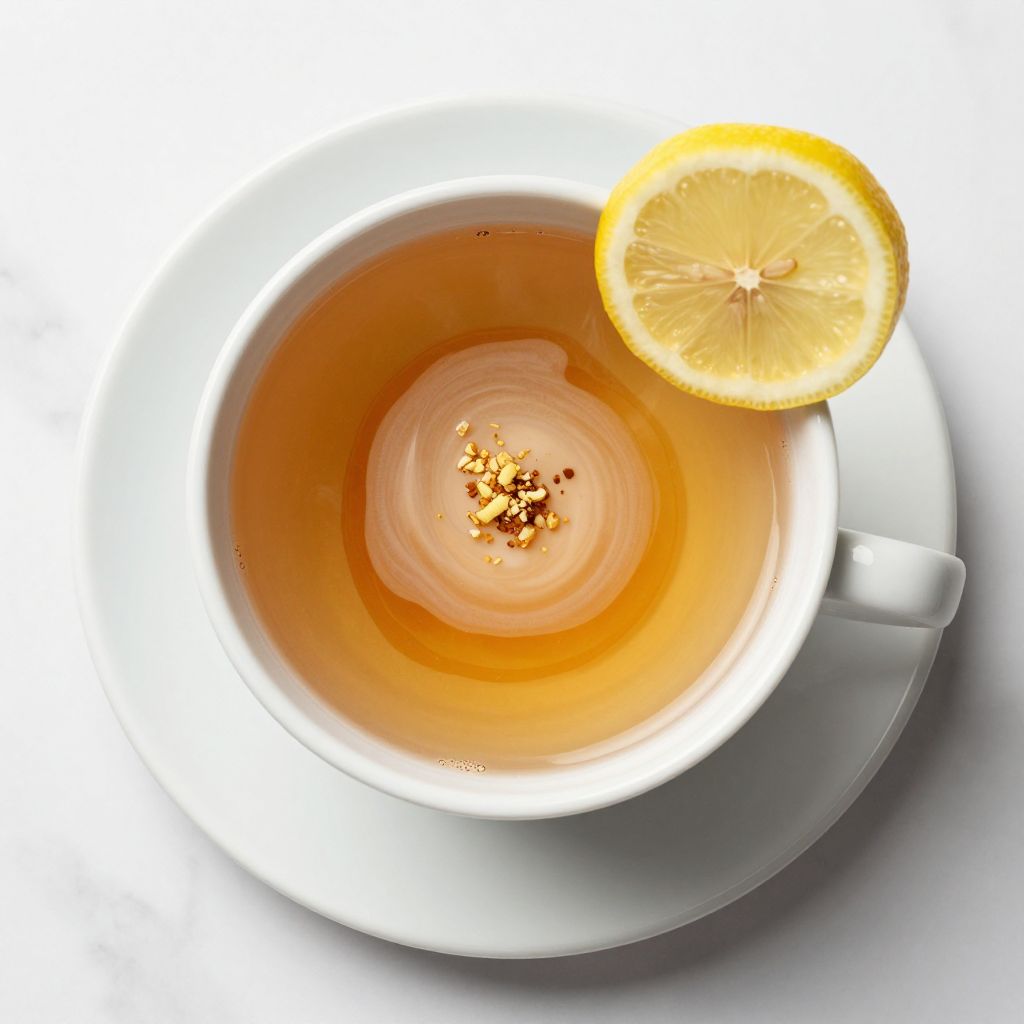
Kratom Tea
Ingredients
Equipment
Method
- Heat 8-10 ounces of filtered water in an electric kettle or saucepan to 160-180°F.
- Measure 2-3 grams of kratom powder into a fine mesh strainer or tea infuser.
- Place the strainer over a mug and slowly pour the hot water over the kratom powder, wetting it evenly.
- Let the tea steep undisturbed for 8-10 minutes to extract flavor and alkaloids.
- After 5 minutes, gently stir the mixture to ensure even extraction.
- Remove the strainer and press lightly to extract remaining liquid, avoiding fine particles.
- Stir in honey or agave nectar, lemon juice, milk, and ginger if desired.
- Taste the tea and adjust sweetness or creaminess to suit your preference.
- Serve warm and enjoy immediately, storing leftovers in the refrigerator up to 48 hours.