
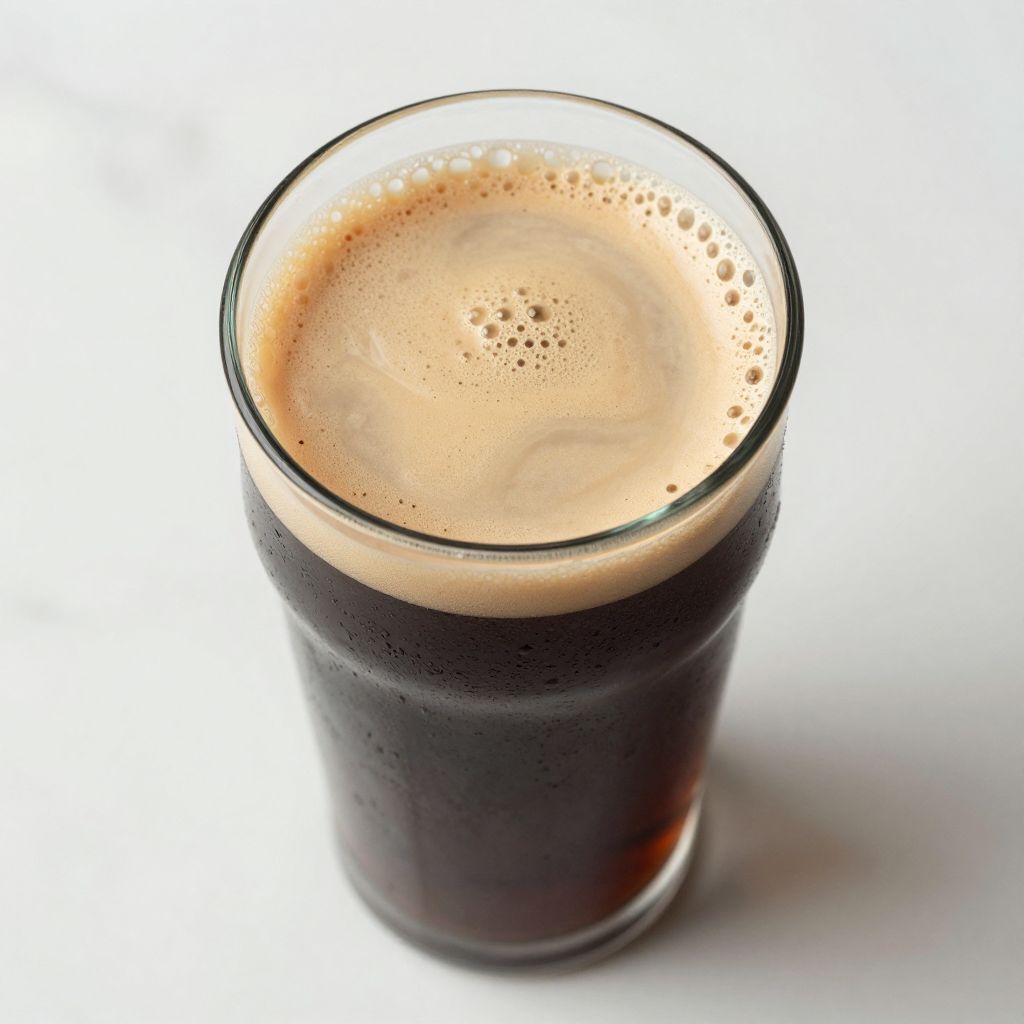
Picture yourself on a crisp autumn evening, wrapping your hands around a pint glass filled with two distinct layers of rich, dark beer and smooth, lighter ale creating a striking visual moment that tastes even better than it looks. The black and tan beer recipe is a timeless classic that combines the bold roasted notes of a stout with the crisp, malty smoothness of an ale, making it a crowd-pleasing choice for home brewers and beer enthusiasts alike. What makes this recipe special is its stunning presentation paired with the complexity you get from blending two complementary styles, and the fact that you don’t need advanced brewing equipment or extreme patience to create something truly impressive. Whether you’re hosting a casual gathering or simply want to explore home brewing, this recipe delivers depth of flavor and visual drama in every sip.
Why You’ll Love This Recipe
This beer recipe strikes the perfect balance between visual impact and genuine flavor complexity that will make you feel like a skilled brewer. You’ll appreciate how two distinct beer styles work together to create something greater than the sum of its parts.
- Stunning two-layer presentation that impresses guests immediately
- Balanced flavor profile combining roasted depth with crisp smoothness
- Achievable for beginners with basic brewing knowledge and equipment
- Versatile pairing with both food and casual conversations
- Lower commitment than many craft beer recipes without sacrificing quality
My Experience Making This Recipe
The first time I attempted a black and tan, I was genuinely nervous about the layering technique, worried I’d end up with a muddy brown mess instead of distinct layers. When I slowly poured the lighter ale over the back of a bar spoon and watched those two colors separate perfectly, I felt like I’d unlocked something special.
The aroma hit me immediately when I lifted the glass to my nose, with coffee and chocolate notes from the stout mixing with subtle grain sweetness from the pale ale. My friends gathered around as if I’d performed actual magic, and honestly, the experience of watching their faces when they took that first sip made the entire process worthwhile.
What surprised me most was how the flavors evolved as the beer warmed slightly and the layers began to naturally blend in my mouth, creating this interesting progression from light to dark with each sip. I’ve made this recipe dozens of times since, and it remains one of my most requested offerings when people visit.
Recipe Overview
- Recipe Name: Black and Tan Beer
- Servings: 4 pints
- Prep Time: 15 minutes
- Brew Time: 4-6 weeks
- Total Time: 4-6 weeks
- Course: Beverages
- Cuisine: Irish-inspired
- Calories per Serving: 180 calories
Equipment You Will Need
- Large brewing pot (10+ gallons)
- Thermometer
- Hydrometer
- Fermentation vessel with airlock
- Siphon or auto-siphon
- Bottling wand and capper
- Beer bottles (cleaned and sanitized)
- Sanitizing solution
- Bar spoon or cocktail spoon
- Pint glasses
- Measuring cups and spoons
- Strainer or hop spider
Ingredients for Black and Tan Beer
For the Black Stout Layer
- 2 lbs roasted barley
- 1.5 lbs black patent malt
- 3 lbs pale two-row malt
- 1 oz Fuggles hops (60 minute boil)
- 0.5 oz Fuggles hops (5 minute boil)
- Irish ale yeast (Wyeast 1084 or similar)
- Water (5 gallons)
For the Pale Ale Layer
- 4 lbs pale two-row malt
- 0.5 lbs crystal 20 malt
- 0.5 lbs Munich malt
- 1 oz Cascade hops (60 minute boil)
- 0.75 oz Cascade hops (5 minute boil)
- English ale yeast (Wyeast 1968 or similar)
- Water (5 gallons)
Ingredient Notes and Substitutions
- Roasted barley: Creates the deep black color and coffee-like character essential to stout. You can substitute with additional black patent malt, though you’ll lose some subtle complexity.
- Black patent malt: Provides intense roasted, slightly bitter notes that define the stout’s flavor. Chocolate malt is a workable substitute but will create a slightly sweeter profile.
- Pale two-row malt: The foundation grain that provides fermentable sugars and body. You can use pilsner malt for a slightly different character, though it won’t ferment quite the same.
- Fuggles hops: Classic bittering hops with earthy, slightly fruity notes that complement stout perfectly. Cluster hops work as a substitute with similar bitterness and similar character.
- Cascade hops: Floral and citrus notes that brighten the pale ale layer beautifully. Centennial hops provide a similar aromatic profile with comparable bitterness.
- Irish ale yeast: Produces clean fermentation with slight fruity esters that match stout tradition. SafAle S-04 is a reliable substitute with slightly different ester production.
- English ale yeast: Creates balanced fermentation with subtle fruity character for the pale ale. US-05 yeast will work but produces a cleaner, less characterful result.
How to Make Black and Tan Beer
Thoroughly clean all your brewing equipment with hot water, then sanitize everything that will contact your beer using a proper sanitizing solution like Star San. This step prevents wild yeast and bacteria from contaminating your batch and ruining weeks of work.
Step 1: Prepare Your Equipment
Thoroughly clean all your brewing equipment with hot water, then sanitize everything that will contact your beer using a proper sanitizing solution like Star San. This step prevents wild yeast and bacteria from contaminating your batch and ruining weeks of work.
Step 2: Brew the Black Stout Base
Heat 5 gallons of water to 165 degrees Fahrenheit, then add your crushed grains (roasted barley, black patent malt, and pale two-row) and hold the temperature between 150-158 degrees for 60 minutes. This steeping process extracts the sugars, colors, and flavors that create your stout foundation.
Step 3: Sparge and Boil the Stout Wort
Strain the grains and rinse them with 170-degree water to extract remaining sugars, then bring your collected liquid to a rolling boil and add the 1 oz of Fuggles hops. This 60-minute boil develops bitterness that balances the roasted character of your stout.
Step 4: Finish the Stout Wort
During the final 5 minutes of the boil, add the 0.5 oz of Fuggles hops for subtle flavor notes, then remove from heat and cool the wort to 65 degrees as quickly as possible. Rapid cooling prevents unwanted flavors and allows you to safely pitch your yeast.
Step 5: Ferment the Stout
Transfer your cooled stout wort to a sanitized fermentation vessel and pitch your Irish ale yeast according to package directions, then seal the vessel with an airlock and maintain a temperature around 68 degrees. This fermentation typically takes 2-3 weeks, with visible activity in the first 48-72 hours.
Step 6: Brew the Pale Ale Base
Once your stout is fermenting, repeat the process with pale ale ingredients: heat 5 gallons of water to 165 degrees, add your crushed grains (pale two-row, crystal 20, and Munich malt), and hold between 150-158 degrees for 60 minutes. This creates your lighter-colored, crisper second layer.
Step 7: Complete the Pale Ale Boil
Strain and sparge your pale ale grains, bring the liquid to a boil, and add 1 oz of Cascade hops for the 60-minute boil, then add 0.75 oz during the final 5 minutes. Cool this wort to 65 degrees and pitch your English ale yeast into a separate fermentation vessel.
Step 8: Ferment and Bottle
Allow both beers to ferment for 2-3 weeks at their respective temperatures until fermentation is complete, then carefully siphon each beer into sanitized bottles with appropriate priming sugar for carbonation. Store bottles upright in a cool, dark place for 2 weeks to allow carbonation to develop.
Step 9: Pour Your Black and Tan
Pour your stout into a pint glass until it’s roughly two-thirds full, then slowly pour the pale ale over the back of a bar spoon held just above the stout’s surface. The density difference keeps the layers separate, creating that signature visual presentation.
Pro Tip: The key to perfect layering is pouring the pale ale slowly over a bar spoon held at a 45-degree angle just above the dark beer’s surface, allowing the lighter beer to gently slide down instead of plunging directly into the stout.
Tips for the Best Black and Tan Beer
- Use properly chilled glasses before pouring, as temperature affects how cleanly the layers separate and how long they remain distinct.
- Pour your stout first and ensure it’s fully settled before attempting the pale ale pour, as residual movement disrupts the layer separation.
- Practice your pouring technique with water and food coloring before attempting with your finished beer to build confidence and muscle memory.
- Serve immediately after pouring while the temperature gradient between the two beers is greatest, as they will naturally blend as they warm.
- Ensure your yeast is fresh and properly pitched at the correct temperature to avoid stuck fermentations or off-flavors in either beer.
- Take gravity readings before and after fermentation to confirm alcohol content and that fermentation completed fully.
Common Mistakes to Avoid
- Pouring the pale ale too quickly or directly into the stout creates immediate mixing and loses the beautiful layered effect that makes this beer special.
- Using beers with too-similar densities results in blending instead of layering, so ensuring your stout is significantly darker and heavier is critical.
- Failing to properly sanitize equipment introduces contamination that ruins months of brewing work and creates unpleasant flavors.
- Fermenting at incorrect temperatures produces off-flavors and sluggish fermentation that never fully completes, leaving excess sugars in your finished beer.
- Serving warm beer makes the density difference negligible, so the layers blend together before you can enjoy the presentation.
Serving Suggestions
This beer shines in social settings where the visual presentation can be appreciated, and pairs remarkably well with hearty foods and casual conversation. The layered flavor profile makes it equally enjoyable sipped slowly or consumed with enthusiasm.
- Alongside grilled burgers and fries for a classic pub experience
- With roasted meats and rich gravies that echo the stout’s roasted notes
- After dinner with chocolate desserts that complement the coffee flavors
- At parties where the pouring technique sparks interest and conversation
- During casual weeknight hangouts when you want something more interesting than typical pale ale
Variations to Try
- Irish Red and Stout: Substitute an Irish red ale for the pale ale to create different color contrast while maintaining complementary flavors. The result is less dramatic visually but offers different flavor dynamics as the layers blend.
- Porter and Blonde Ale: Use a porter instead of stout for slightly less intensity, paired with a blonde ale for brighter, more delicate contrasts. This combination suits those who find pure stout overly heavy.
- Chocolate Stout and Wheat Ale: Add chocolate notes to your stout base and pair with a light wheat ale for an interesting sweet and spicy flavor interaction. The wheat ale’s smooth character balances the chocolate’s richness beautifully.
- Imperial Stout and IPA: Combine a higher-gravity stout with an IPA for bold contrasts in both color and flavor profile. This creates a more adventurous drinking experience with complex interplay between roasted and hoppy notes.
- Nitro Black and Tan: Serve the stout on nitrogen instead of CO2 for a creamier mouthfeel and smaller bubbles that maintain layer separation longer. The visual effect becomes even more striking with the dense, creamy head.
Dietary Adaptations
- Gluten-Free: Substitute regular malts with certified gluten-free alternatives like sorghum or rice malt, though this will noticeably change flavor and body characteristics. The fermentation process will proceed normally, but the flavor profile shifts considerably.
- Lower Alcohol: Use fewer grains or add non-fermentable sugars to control alcohol content while maintaining the visual presentation. This produces a less intense version suitable for extended social drinking.
- Lower Calorie: Reduce grain quantities and use lighter malts in both beers to create a version with fewer calories and less body. The trade-off is reduced flavor complexity and less dramatic visual presentation.
- Vegan: Use vegan-friendly gelatin clarifiers or skip clarification entirely, as all malts and hops are naturally vegan. The primary concern is yeast sourcing, as some brewers prefer vegan yeast strains.
Storage and Reheating
Refrigerator
Properly bottled black and tan beer keeps in the refrigerator for 3-6 months when stored upright in a cool, dark location. Keep the temperature steady around 50-55 degrees Fahrenheit to maintain carbonation and prevent premature aging.
- Store bottles upright to minimize oxygen exposure through the cap
- Keep away from direct light to prevent skunky flavors
- Maintain consistent temperature to preserve carbonation levels
Freezer
While not ideal for long-term storage, you can freeze bottled black and tan for up to one year if necessary for extended preservation. However, freezing damages carbonation and can cause bottles to crack if liquid expands during freezing.
- Only freeze as a last resort for preservation beyond the 6-month mark
- Allow bottles to thaw slowly in the refrigerator before opening
- Expect some loss of carbonation and texture quality
Reheating
Never heat beer as a beverage, as this destroys flavor compounds and creates unpleasant tastes. Simply chill bottles in the refrigerator for 2-3 hours before serving to the proper drinking temperature.
- Remove from refrigerator 30 minutes before serving if starting from frozen
- Chill glasses in the freezer for 15 minutes before pouring
- Serve immediately after chilling for optimal layering
Nutrition Information
| Nutrient | Amount |
|---|---|
| Calories | 180 |
| Total Fat | 0g |
| Saturated Fat | 0g |
| Carbohydrates | 15g |
| Fiber | 0g |
| Sugar | 2g |
| Protein | 2g |
| Sodium | 10mg |
| Cholesterol | 0mg |
These values represent a standard 12-ounce serving of finished black and tan beer and may vary slightly based on your specific ingredients and brewing process variations.
Frequently Asked Questions
Can I use store-bought beers instead of brewing from scratch?
Absolutely, and this is a great starting point if you’re interested in the layering technique without the brewing commitment. Simply purchase a quality stout and pale ale, chill them properly, and practice the pouring technique for impressive results.
Why do my layers blend together immediately?
This usually happens because the pale ale is poured too quickly or too directly into the stout, or because your beer isn’t cold enough when you pour. Ensure both beers are thoroughly chilled and pour very slowly over a bar spoon for clean separation.
How long do the layers stay separate?
The layers typically remain visibly distinct for 5-10 minutes depending on temperature and how cold your glass is. As the beer warms, the density difference decreases and the layers naturally blend together.
What temperature should I ferment each beer at?
Irish ale yeast ferments best around 65-68 degrees Fahrenheit, while English ale yeast prefers slightly warmer temperatures around 68-70 degrees. Maintaining consistent temperature within each range produces cleaner flavors with minimal off-notes.
Can I use the same yeast for both beers?
While possible, using different yeasts for each beer allows you to optimize fermentation for each style and create distinct flavor profiles. If you must use one yeast, English ale yeast works reasonably well for both beer styles.
How do I know when fermentation is complete?
Take gravity readings over consecutive days until you get two identical readings 24 hours apart, indicating fermentation has stopped. You should also see reduced activity in the airlock and clearer liquid as sediment settles to the bottom.
Final Thoughts
The black and tan beer recipe represents more than just a beverage, it’s an opportunity to connect with brewing tradition while creating something genuinely impressive to share with others. The combination of technical brewing skill and elegant presentation makes this recipe feel special every single time you pour it.
Whether you’re brewing this for the first time or perfecting your technique after dozens of batches, the reward of watching someone’s face light up when they see those perfectly separated layers and taste the complexity of two distinct beers working together never gets old. I encourage you to give this recipe a try and discover why this classic drink has remained beloved across generations of beer enthusiasts.
Explore More Beer Recipes
If you enjoyed creating this black and tan, you’ll find plenty of other exciting brewing projects worth exploring to expand your home brewing skills and repertoire.
Check out our summer beer recipe for a lighter, more refreshing option perfect for warm weather gatherings. For something sweeter and more dessert-like, our boozy butterbeer recipe offers a completely different brewing experience that’s equally rewarding.
Black and Tan Beer
Ingredients
Equipment
Method
- Thoroughly clean all brewing equipment with hot water and sanitize with a no-rinse sanitizer.
- Heat 5 gallons of water to 165°F and add roasted barley, black patent malt, and pale two-row malt; hold at 150–158°F for 60 minutes to mash.
- Strain the grains and sparge with 170°F water, then bring the wort to a rolling boil and add 1 oz Fuggles hops; boil for 60 minutes.
- With 5 minutes remaining in the boil, add 0.5 oz Fuggles hops, then remove from heat and cool the wort to 65°F as quickly as possible.
- Transfer the cooled stout wort to a sanitized fermenter, pitch Irish ale yeast, seal with an airlock, and ferment at 68°F for 2–3 weeks.
- Meanwhile, heat 5 gallons of water to 165°F and add pale two-row, crystal 20, and Munich malt; hold at 150–158°F for 60 minutes to mash the pale ale.
- Strain and sparge the pale ale grains, bring the wort to a boil, add 1 oz Cascade hops for 60 minutes, then add 0.75 oz Cascade hops in the last 5 minutes and cool to 65°F.
- Transfer the cooled pale ale wort to a separate sanitized fermenter, pitch English ale yeast, seal with an airlock, and ferment at 68–70°F for 2–3 weeks.
- After fermentation completes for both beers, siphon into bottles with priming sugar, cap, and condition upright in a cool dark place for 2 weeks.
- To serve, pour the stout into a chilled pint glass until two-thirds full, then slowly pour the pale ale over the back of a bar spoon held just above the stout’s surface.