
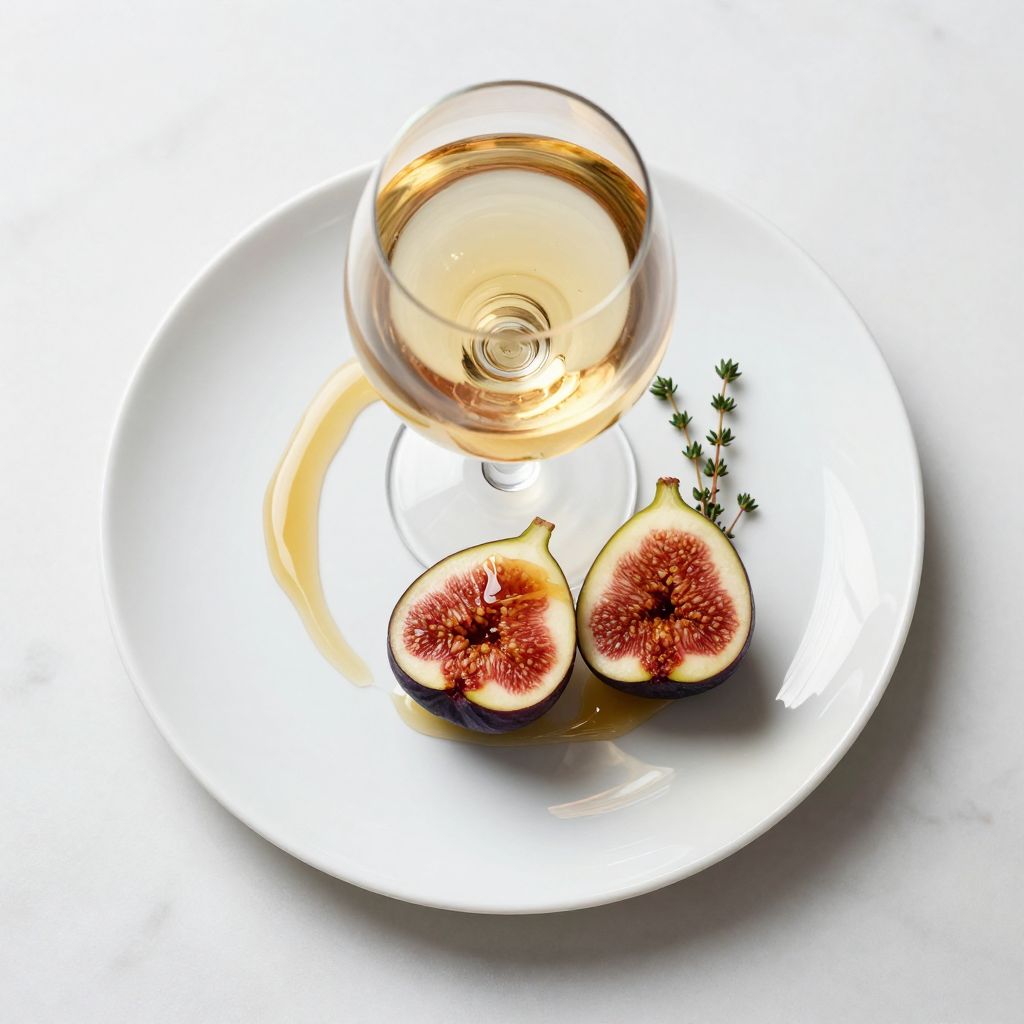
The first time I opened a bottle of homemade fig wine, the aroma transported me straight to a Mediterranean orchard—rich, honeyed, and impossibly complex. Fig wine is one of those special fermented beverages that feels like you’ve uncovered a secret, yet it’s surprisingly approachable for home winemakers of any skill level.
This recipe creates a smooth, naturally sweet wine with floral notes and a subtle earthiness that pairs beautifully with desserts, cheeses, or quiet evenings. The magic happens when fresh or dried figs ferment with simple ingredients and time, transforming humble fruit into something you’ll want to share (or keep all to yourself).
Why You’ll Love This Recipe
Fig wine rewards patience with complexity and charm. You’ll create a sophisticated beverage from basic pantry staples, and the entire process teaches you real winemaking fundamentals.
- Naturally sweet with layered honey and floral flavors
- Requires minimal specialized equipment or expertise
- Makes an impressive gift for food and wine lovers
- Shelf-stable for years when stored properly
- Works with fresh or dried figs depending on the season
My Experience Making This Recipe
I started my first batch on a whim, using dried figs from my pantry and basic baker’s yeast. The fermentation took six weeks, and I obsessively checked the carboy every few days, watching the liquid transform from murky to crystalline.
The first taste was humbling in the best way. My homemade fig wine had depth I never expected from such simple ingredients, with subtle notes of honey, vanilla, and something floral that I still can’t quite name.
Friends who tried it assumed I’d bought it from a specialty winery. That moment of pride never gets old, and now I make several batches each year using both fresh figs in late summer and dried figs throughout the rest of the year.
Recipe Overview
- Recipe Name: Homemade Fig Wine
- Servings: Approximately 5 bottles (750 ml each)
- Prep Time: 20 minutes
- Fermentation Time: 6 to 8 weeks
- Total Time: 6 to 8 weeks plus bottling
- Course: Beverage
- Cuisine: Mediterranean
- Alcohol Content: Approximately 11% ABV
Equipment You Will Need
- 1-gallon glass carboy or fermentation vessel
- Airlock and bung (rubber stopper)
- Large stainless steel pot (non-reactive)
- Wooden spoon or glass stirring rod
- Cheesecloth or fine mesh strainer
- Hydrometer (optional but helpful)
- Siphon tubing or auto-siphon
- Wine bottles and corks or crown caps
- Bottle corker or capping tool
- Sanitizing solution (Star San or similar)
- Kitchen scale or measuring cups
Ingredients for Fig Wine
- 3 pounds fresh figs (or 2 pounds dried figs)
- 3 pounds sugar (or honey for a richer flavor)
- 1 gallon water (filtered or dechlorinated)
- 1/4 teaspoon wine tannins (optional, adds structure)
- 1/2 teaspoon yeast nutrient (helps fermentation)
- 1 packet wine yeast (champagne or white wine yeast)
- 1/4 teaspoon potassium sorbate (optional, stops fermentation)
Ingredient Notes and Substitutions
- Fresh figs provide lighter, more delicate flavors and work best during late summer and early fall. Dried figs concentrate the sugars and create deeper, more caramel-forward notes, making them ideal for winter batches.
- Honey instead of sugar produces a smoother, more complex wine with floral undertones. Sugar ferments faster and creates a crisper final product, though honey requires slightly longer aging.
- Wine tannins add structure and aging potential by balancing the wine’s sweetness. Skip them if you prefer a lighter, fruitier result, though the wine may taste flabby without structure.
- Champagne yeast ferments cleanly and completes fermentation reliably. White wine yeast works but ferments more slowly and can leave slight residual sweetness.
- Potassium sorbate prevents refermentation during storage, which matters if you prefer a stable finished product. Omit it if you want the wine to continue developing complexity, though this requires careful storage conditions.
How to Make Fig Wine
Step 1: Prepare Your Equipment
Sanitize all equipment thoroughly with your chosen sanitizing solution, following the product directions carefully. Sterilized equipment prevents unwanted bacteria or wild yeast from competing with your wine yeast.
Step 2: Prepare the Figs
If using fresh figs, wash them and remove the stems, then roughly chop them into halves or quarters. If using dried figs, chop them into small pieces to maximize surface area for yeast contact during fermentation.
Step 3: Create the Must
Heat your water to approximately 170 degrees Fahrenheit in a large non-reactive pot. Add your chopped figs and sugar (or honey), stirring gently until the sugar dissolves completely.
Step 4: Cool and Transfer
Allow the mixture to cool to room temperature, which typically takes two to three hours. This cooling step is critical because adding yeast to hot liquid kills it instantly, ruining your fermentation.
Step 5: Add Yeast Nutrients
Once cooled, add the yeast nutrient and wine tannins to your must, stirring thoroughly. These ingredients give the yeast everything it needs for vigorous fermentation and add complexity to the final wine.
Step 6: Pitch the Yeast
Sprinkle your wine yeast directly over the surface of the must and let it sit for five minutes before gently stirring. This rehydration period helps the yeast acclimate to its new environment and begin fermenting more reliably.
Step 7: Primary Fermentation
Transfer the mixture to your sanitized carboy and fit it with an airlock and bung. Place the carboy in a cool, dark location between 65 and 75 degrees Fahrenheit, where it will remain undisturbed for four to six weeks.
You’ll see vigorous bubbling through the airlock within 24 to 48 hours. This is normal and exciting, though resist the urge to open the carboy or sample the wine yet.
Step 8: Rack and Clear
After primary fermentation slows dramatically and most sediment settles to the bottom (typically four to six weeks), siphon the clear wine off the sediment into a clean carboy. This racking step removes dead yeast and other particles that could affect flavor.
Step 9: Secondary Fermentation
Fit the carboy with a fresh airlock and let it sit in your cool location for another two to three weeks. The wine clarifies further and any remaining fermentation completes during this quieter phase.
Step 10: Stabilize and Bottle
Add potassium sorbate if desired to prevent any future fermentation, then let the wine rest for one week. Siphon into clean, sanitized bottles and cork or cap them securely for storage.
Pro Tip: Use a hydrometer before and after fermentation to track the actual alcohol content and ensure fermentation completed properly, which gives you confidence that your wine is shelf-stable.
Tips for the Best Fig Wine
- Maintain consistent temperature throughout fermentation, as yeast performs best between 65 and 75 degrees Fahrenheit. Warmer conditions speed fermentation but can create off-flavors, while colder conditions slow it dangerously.
- Use filtered or dechlorinated water, since chlorine in tap water can interfere with yeast performance. Most home wine suppliers sell dechlorination tablets, or you can boil and cool tap water overnight.
- Resist opening the carboy frequently, as each time you do, you risk infection and lose protective carbon dioxide. Trust the process and check progress only through the airlock.
- Keep detailed notes on dates, temperatures, and observations. These records help you refine future batches and troubleshoot any problems that arise.
- Taste small samples at each racking to monitor flavor development and catch any problems early. A small sample tube designed for winemaking works perfectly for this.
- Age the bottled wine for at least three months before drinking, though six months or longer produces noticeably smoother, more integrated flavors.
Common Mistakes to Avoid
- Adding yeast while the must is still warm kills the yeast instantly and stops fermentation before it starts. Always cool to room temperature first.
- Using equipment that isn’t properly sanitized introduces competing bacteria or wild yeast that spoils the wine or creates off-flavors. Clean and sanitize everything without exception.
- Bottling too early, before fermentation completes, results in carbonated wine that explodes or develops excessive pressure. Wait until bubbling stops completely and sediment settles.
- Storing wine in direct sunlight or heat degrades color and flavor rapidly, creating flat or vinegary notes. Keep bottles in a cool, dark closet or basement.
- Skipping the racking step leaves dead yeast and sediment in contact with the wine, creating off-flavors and a murky appearance. Rack even if you’re impatient for the final product.
Serving Suggestions
Fig wine shines when chilled to 50 to 55 degrees Fahrenheit and sipped slowly, allowing its complex flavors to unfold. Serve it as a dessert wine or aperitif, depending on your mood and company.
- Pair with soft cheeses like brie or goat cheese for a sophisticated pairing
- Serve alongside dark chocolate or chocolate tortes for a decadent combination
- Enjoy with dried fruit, nuts, and biscotti for a casual tasting board
- Complement poached pears or fig-based desserts for thematic harmony
- Sip on its own as a reflective evening beverage without food pairing
Variations to Try
- Fig and Honey Wine: Replace sugar entirely with raw honey for a smoother, more complex final product with deeper floral notes and improved aging potential. The wine takes slightly longer to clear but rewards patience with superior depth.
- Fig and Spice Wine: Add one cinnamon stick, three whole cloves, and a small piece of fresh ginger during primary fermentation. Remove these spices before racking to prevent overextraction, creating warming notes without dominating the fig flavor.
- Fig and Vanilla Wine: Add one split vanilla bean to the secondary fermentation to impart creamy, floral notes that complement fig’s natural sweetness. Extract the bean after two weeks to prevent vanilla from overpowering.
- Fig and Port Style Wine: Increase sugar to four pounds and extend fermentation to produce a wine closer to 13 to 14 percent alcohol. Age for at least one year in the bottle for rich, concentrated flavors reminiscent of fortified wines.
- Fig and Elderflower Wine: Add one cup of elderflower cordial or fresh elderflowers to secondary fermentation for delicate floral complexity. This variation brightens fig’s earthiness and creates a more elegant, refined final product.
Dietary Adaptations
- Gluten Free: Wine is naturally gluten-free, but verify your yeast and nutrient packets are certified gluten-free if you have celiac disease or sensitivity. Most winemaking supplies are safe, but cross contamination is theoretically possible.
- Dairy Free: Fig wine contains no dairy by default, making it suitable for anyone avoiding milk products. This recipe naturally accommodates dairy-free diets without modification.
- Vegan: Fig wine is vegan-friendly since it uses plant-based ingredients only. Verify your fining agents if clarifying, as some use animal-derived products, though this recipe doesn’t require them.
- Low Sugar: Use sugar alcohols or stevia instead of standard sugar to reduce final alcohol content and residual sweetness. The trade-off is that fermentation becomes unpredictable and the wine may taste less rounded.
Storage and Reheating
Refrigerator
Unopened bottles keep for months in the refrigerator at 50 to 55 degrees Fahrenheit. Once opened, consume within two to three weeks, as oxidation gradually flattens flavors.
- Store bottles upright to minimize cork contact with wine
- Recork bottles promptly after pouring to slow oxidation
- Keep away from light sources and temperature fluctuations
Freezer
Wine freezes at approximately 20 degrees Fahrenheit and becomes unpalatable. Don’t freeze fig wine for storage, as freezing separates components and damages flavor.
- Never intentionally freeze wine except for ice blocks in cold beverages
- Thawed wine develops flat, disconnected flavors
Room Temperature Cellar Storage
Properly bottled and corked fig wine improves with age when stored horizontally in a dark, cool space between 50 and 60 degrees Fahrenheit. Most home wine improves for one to three years in the bottle.
- Store bottles horizontally to keep cork moist and prevent shrinkage
- Keep storage area dark, as light degrades wine rapidly
- Maintain stable temperature, as fluctuations encourage oxidation
- Avoid storing near strong odors, as cork allows some gas exchange
Nutrition Information
| Nutrient | Amount |
|---|---|
| Calories | 125 |
| Total Fat | 0g |
| Saturated Fat | 0g |
| Carbohydrates | 10g |
| Fiber | 0g |
| Sugar | 9g |
| Protein | 0g |
| Sodium | 5mg |
| Cholesterol | 0mg |
Nutrition values are estimates based on a five-ounce serving of finished wine with approximately 11 percent alcohol. Values vary depending on whether fermentation completed fully and any residual sugar remaining in the final product.
Frequently Asked Questions
Can I use fresh figs and dried figs together in the same batch?
Absolutely, and many winemakers combine them for balanced flavor. Fresh figs add delicate, bright notes while dried figs contribute caramel depth, creating complexity neither alone achieves.
What if fermentation seems to have stopped but it’s only been three weeks?
Check the temperature first, as yeast slows dramatically below 65 degrees Fahrenheit. If temperature is fine, the yeast may have consumed available sugars faster than expected; wait two more weeks before racking to confirm fermentation truly finished.
Can I make fig wine without wine yeast using just baker’s yeast?
Baker’s yeast works but creates off-flavors and cloudy wine that takes longer to clear. Wine yeast is inexpensive and produces a far superior product, making the small upgrade cost absolutely worth it.
How do I know when fermentation is actually complete?
Bubbling through the airlock stops completely, and sediment settles to the carboy bottom. A hydrometer reading that doesn’t change between two days confirms fermentation finished; without a hydrometer, wait six weeks minimum before racking.
Is homemade fig wine safe to drink, and can it go bad?
Yes, it’s safe when made with proper sanitization and bottling techniques. Wine stored properly lasts indefinitely and improves with age; it goes bad only if exposed to heat, light, or contamination after opening.
Can I age fig wine longer than a year for even better flavor?
Most fig wines peak between one and three years in the bottle. Extended aging beyond five years risks oxidation and degradation, though well-stored bottles in cool conditions sometimes improve longer.
Final Thoughts
Making fig wine connects you to centuries of home fermentation traditions while producing something completely personal and unique. The satisfaction of sharing a bottle you crafted yourself with friends or family creates memories far beyond the actual tasting experience.
Start your first batch today and give yourself permission to learn, experiment, and enjoy the process. In six weeks, you’ll be uncorking your own fig wine and wondering why you didn’t start sooner.
If you love homemade wine, explore other fruit fermentation projects like our strawberry wine recipe for bright, summery flavors or our blueberry wine recipe for deeper, more subtle tones. Each fruit brings its own magic to the fermentation process, and you’ll quickly develop favorite combinations and techniques across multiple batches.
Homemade Fig Wine
Ingredients
Equipment
Method
- Sanitize all equipment thoroughly with your chosen sanitizing solution according to manufacturer instructions.
- If using fresh figs, wash, remove stems, and halve or quarter them; if using dried figs, chop into small pieces.
- Heat 1 gallon of filtered water to 170°F in a large stainless steel pot.
- Add chopped figs and 3 pounds sugar (or honey), stirring until completely dissolved.
- Remove pot from heat and cool mixture to room temperature (about 2 to 3 hours).
- Once cooled, stir in 1/2 teaspoon yeast nutrient and 1/4 teaspoon wine tannins (optional).
- Sprinkle wine yeast evenly over the surface of the must and let it stand for 5 minutes, then stir gently.
- Transfer must to a sanitized 1-gallon carboy, fit with airlock and bung, and ferment at 65–75°F for 4 to 6 weeks without disturbance.
- After primary fermentation slows and most sediment settles (4 to 6 weeks), siphon clear wine off sediment into a clean carboy.
- Attach a fresh airlock and ferment for an additional 2 to 3 weeks until fully clear.
- Optionally add 1/4 teaspoon potassium sorbate to stabilize, let sit for 1 week, then bottle into sanitized bottles and cork or cap securely.