
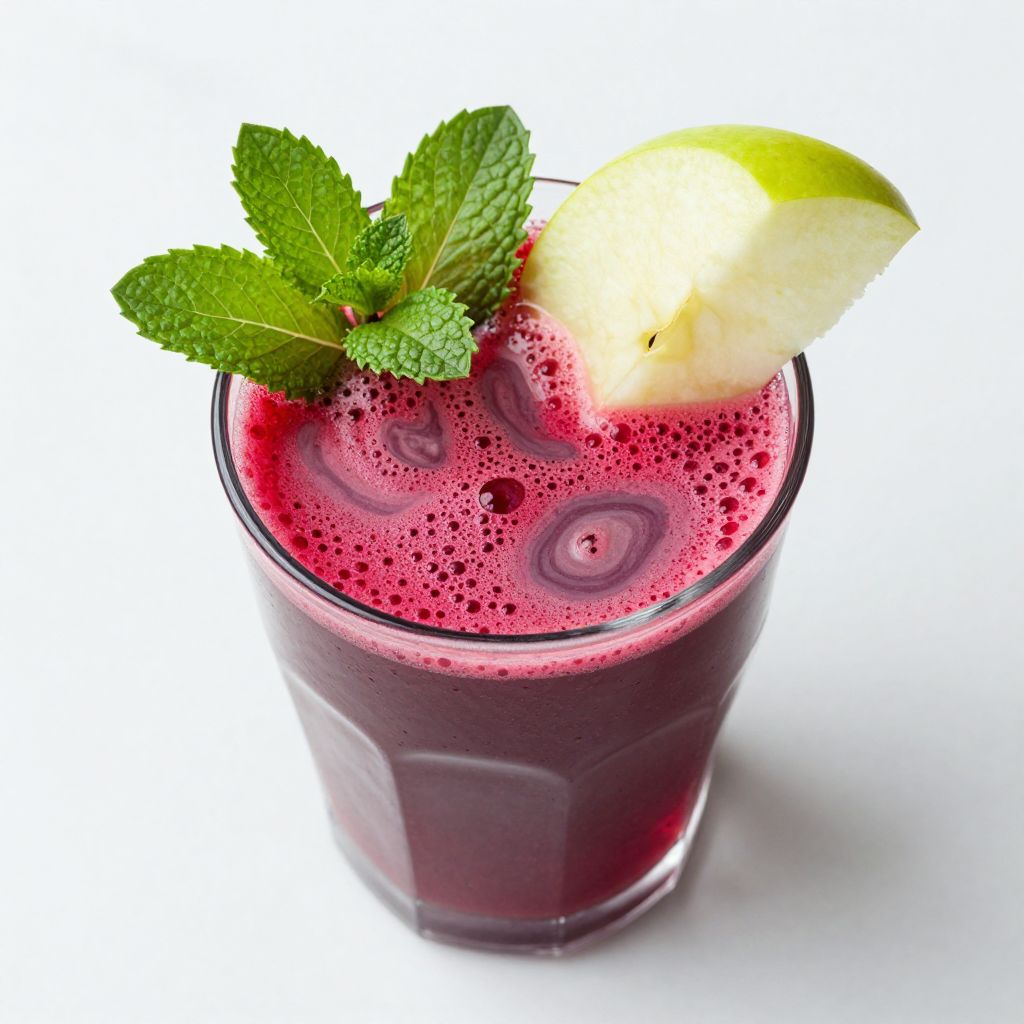
There’s something almost magical about pressing a handful of deep crimson beets and watching that vibrant juice flow into a glass, knowing you’re about to do something genuinely good for your body. Beet juice for blood pressure isn’t a fad or a shortcut, it’s backed by real science and tastes fresh, earthy, and surprisingly sweet when you get the blend right.
This recipe takes just minutes to make but delivers weeks of cardiovascular benefits, and you’ll notice the difference in how you feel. The natural nitrates in beets relax your blood vessels, improve circulation, and help lower tension without any pharmaceutical side effects.
Why You’ll Love This Recipe
Fresh beet juice for blood pressure works fast, tastes better than anything store-bought, and costs a fraction of the price. You control every ingredient, skip the added sugars and preservatives, and get maximum nutrients in every sip.
- Lower blood pressure naturally within 3 to 5 days of consistent use
- Takes only 5 to 10 minutes from beets to glass
- Packed with antioxidants, folate, and manganese
- Naturally sweet with no added sugar or artificial ingredients
- Customizable to your taste and nutritional needs
My Experience Making This Recipe
I started making fresh beet juice after my doctor mentioned my blood pressure was creeping up, and I wanted to try something natural before medication. The first time I juiced fresh beets, I was shocked by how vibrant and alive the drink tasted compared to bottled versions I’d bought before.
Within the first week of drinking one glass daily, I felt noticeably calmer and my energy levels stayed steady throughout the day. My next blood pressure reading showed a meaningful drop, and my doctor was genuinely impressed that a simple juice recipe made such a measurable difference.
Now I make a batch twice a week and keep it in my fridge for quick morning drinks or post-workout refills. Friends who’ve tried it report better sleep, clearer skin, and more stable energy, which makes sense given how many nutrients you’re flooding your body with.
Recipe Overview
- Recipe Name: Beet Juice for Blood Pressure
- Servings: 2 servings
- Prep Time: 5 minutes
- Cook Time: 0 minutes
- Total Time: 5 minutes
- Course: Beverage
- Cuisine: Health-focused
- Calories per Serving: 85 calories
Equipment You Will Need
- Cold-press juicer or centrifugal juicer
- Cutting board
- Sharp chef’s knife
- Large glass or drinking vessel
- Measuring cup
- Strainer or fine mesh sieve (optional, for extra pulp removal)
- Vegetable brush for cleaning beets
Ingredients for Beet Juice for Blood Pressure
- 4 large fresh beets (about 1.5 pounds), peeled and roughly chopped
- 2 large carrots (about 8 ounces), peeled and chopped
- 1 large apple (Granny Smith or Honeycrisp), cored and chopped
- 1 small piece fresh ginger (about 1 inch), peeled
- 1/2 lemon, peeled
- Filtered water (optional, for dilution)
Ingredient Notes and Substitutions
- Fresh beets are the star and deliver the most bioavailable nitrates for blood pressure support; frozen beets work in a pinch but lose some potency during storage.
- Carrots add natural sweetness and beta-carotene to balance the earthiness of beets; swap with one medium parsnip if you prefer a milder, slightly sweeter taste.
- Apple cuts through the intense beet flavor and adds fiber; use red apple varieties instead of green if you prefer more sweetness.
- Ginger adds warming spice and anti-inflammatory benefits; skip it or reduce to 1/4 inch if you find it too sharp or have a sensitive stomach.
- Lemon brightens the juice and aids nutrient absorption; lime works equally well if lemon isn’t available.
How to Make Beet Juice for Blood Pressure
Step 1: Wash and Prep the Beets
Run your beets under cool water and use a vegetable brush to scrub away any dirt or soil, rubbing gently to avoid damaging the skin. Pat them dry with a clean kitchen towel, then slice off the stem and root ends with a sharp knife.
Step 2: Peel the Beets
Use a vegetable peeler or small paring knife to remove the thin outer skin from each beet, working carefully to minimize waste. You can also leave the skin on if your juicer handles it well, but peeling ensures a cleaner, less gritty juice.
Step 3: Cut Beets Into Juicer-Friendly Pieces
Roughly chop the peeled beets into 2-inch chunks so they feed smoothly into your juicer’s chute without jamming. Uniform sizing helps your juicer process them more efficiently and extract maximum juice from each piece.
Step 4: Prepare Supporting Vegetables and Fruit
Peel your carrots with a vegetable peeler and chop them into 2-inch pieces, wash your apple and remove the core, then cut into chunks. Peel your ginger by scraping the skin with a spoon or peeler, and cut your lemon in half, removing any seeds visible on the cut surface.
Step 5: Set Up Your Juicer
Place your juicer on a clean, stable countertop surface with a large glass or measuring cup positioned underneath the juice outlet. If using a centrifugal juicer, plug it in and ensure the pulp container is properly seated and ready to catch waste.
Step 6: Juice in the Right Order
Start with the harder vegetables like carrots and beets, then follow with softer items like apple and ginger. This order pushes softer produce through the juicer more effectively and helps extract every drop of liquid from the harder items.
Step 7: Juice All Ingredients
Feed your chopped beets through the juicer chute, using the plunger gently to push them down without forcing or jamming the machine. Continue with carrots, apple, ginger, and finally lemon, watching the vibrant red juice flow into your glass.
Step 8: Strain if Desired
Pour the fresh juice through a fine mesh strainer into a clean glass if you prefer a smoother texture without pulp. Some people enjoy the fiber and thickness of unstrained juice, so this step is purely to your preference.
Step 9: Dilute and Serve
If the juice tastes too concentrated or intense, add filtered water to reach your desired strength, starting with 1/4 cup and adjusting to taste. Serve immediately in a chilled glass for the freshest flavor and maximum nutrient retention.
Pro Tip: Drink your beet juice within 30 minutes of making it, or store it in an airtight glass container in the fridge for up to 3 days if you must wait, and shake well before drinking since juice naturally separates.
Tips for the Best Beet Juice for Blood Pressure
- Choose beets with smooth, unblemished skin and no soft spots, as these indicate fresher, more nutrient-dense roots that will yield sweeter, more flavorful juice.
- Organic beets are worth the small premium because you avoid pesticide residues and get noticeably more vibrant color and flavor in your final juice.
- Make your juice in the morning so it’s part of your routine and you’re more likely to drink it consistently, which is key for seeing blood pressure benefits.
- Start with smaller beet portions if this is your first time, since some people experience mild digestive adjustment to the concentrated nutrients in fresh beet juice.
- Chill your glasses in the freezer for 5 minutes before serving, as cold juice tastes cleaner and more refreshing than room-temperature juice.
- Add a pinch of sea salt to your juice if you find it tastes flat, as salt enhances the natural sweetness and mineral taste of beets.
Common Mistakes to Avoid
- Buying pre-packaged beet juice from the store defeats the purpose, since heat processing and long storage destroy many of the heat-sensitive nitrates that lower blood pressure.
- Juicing rotten or soft beets produces bitter, off-tasting juice and loses nutrients; always inspect your produce before juicing.
- Overloading the juicer chute and forcing produce through jams the machine and reduces extraction efficiency, leaving valuable juice behind in the pulp.
- Storing juice for more than 3 days causes oxidation and nutrient loss; make fresh batches 2 to 3 times per week for maximum benefit.
- Skipping the apple or lemon makes the juice overpowering and earthy; these ingredients balance the beet flavor and make the drink actually enjoyable to consume daily.
Serving Suggestions
Fresh beet juice works best on an empty stomach first thing in the morning so your body absorbs the nitrates efficiently without food competition. You can also sip it as a mid-afternoon pick-me-up or post-workout recovery drink for sustained energy and muscle support.
- Drink it straight as a morning shot followed by a glass of water to flush your system
- Pair it with a light breakfast like oatmeal or eggs to slow absorption and prevent any digestive upset
- Blend it into a smoothie with yogurt, banana, and berries for added creaminess and nutrition
- Mix it with sparkling water and fresh mint for a refreshing afternoon beverage
- Combine it with vodka or gin for a vibrant beet juice cocktail at dinner parties
Variations to Try
- Add one small beet green leaf per serving for extra nitrates and oxalates that amplify the blood pressure-lowering effect, though this intensifies the earthy flavor noticeably.
- Swap carrots for equal parts sweet potato to add creaminess and slightly increase the carbohydrate content for sustained energy release.
- Include a 1-inch piece of turmeric root alongside the ginger to boost anti-inflammatory benefits and add warm, peppery notes to the flavor profile.
- Mix in one small cucumber for hydration and a cooling taste that cuts through the sweetness if your juice tastes too sugary.
- Add a handful of fresh parsley for chlorophyll content and a grassy green note that creates complexity in the flavor.
Dietary Adaptations
- Gluten-free: This recipe is naturally gluten-free with no modifications needed, making it safe for celiac disease or gluten sensitivity.
- Dairy-free: The recipe contains no dairy products, so it works perfectly for anyone avoiding milk or dairy-based products.
- Vegan and vegetarian: This juice is completely plant-based and suitable for both vegan and vegetarian diets without any ingredient swaps.
- Low-carb and keto: Reduce apple to one-quarter and add one extra carrot to lower sugar content, though beets themselves contain natural sugars that limit how keto-friendly this juice can be.
Storage and Reheating
Refrigerator
Store fresh beet juice in an airtight glass container on the coldest shelf of your fridge, where it keeps for up to 3 days with minimal nutrient loss. Shake vigorously before each use, as separation is normal and simply means the liquid and pulp have settled.
- Use dark glass bottles to minimize light exposure and slow oxidation
- Leave about one inch of headspace to allow for slight expansion
- Label your container with the date so you track freshness easily
Freezer
Pour fresh juice into ice cube trays and freeze for up to 3 months for convenient single-serving portions you can thaw as needed. This method preserves nutrients better than storing liquid juice and gives you grab-and-go options for busy mornings.
- Pop frozen cubes into a blender with water and blend until slushy for a refreshing cold beverage
- Add frozen juice cubes to smoothies for an intense beet flavor boost without dilution
Reheating
Never heat fresh beet juice above room temperature, as high heat destroys the nitrates and heat-sensitive vitamins that make this drink effective for blood pressure control. Simply thaw frozen juice cubes at room temperature or in the fridge overnight, then serve chilled.
- Blend thawed juice with ice and fresh mint for a cold beverage
- Stir thawed juice into yogurt or smoothie bowls for breakfast nutrition
Nutrition Information
| Nutrient | Amount |
|---|---|
| Calories | 85 |
| Total Fat | 0.3g |
| Saturated Fat | 0.1g |
| Carbohydrates | 19g |
| Fiber | 1.5g |
| Sugar | 14g |
| Protein | 1.2g |
| Sodium | 95mg |
| Cholesterol | 0mg |
These values are approximate and based on standard nutritional databases for the ingredients listed. Individual variations occur based on beet size, juicer efficiency, and exact produce selection.
Frequently Asked Questions
How long does it take to see blood pressure results from beet juice?
Most people notice measurable blood pressure drops within 3 to 5 days of drinking fresh beet juice daily, though full cardiovascular benefits build over 2 to 4 weeks of consistent use. Your results depend on baseline blood pressure, overall diet, and how regularly you drink the juice.
Can I use canned or bottled beets instead of fresh?
Canned beets lose much of their heat-sensitive nitrate content during processing, so fresh raw beets deliver significantly better blood pressure benefits. If fresh beets aren’t available, frozen raw beets are your next best option, though they still lose some potency compared to truly fresh produce.
Is it safe to drink beet juice daily?
Yes, one 8-ounce glass daily is safe for most adults, but check with your doctor if you take blood pressure medication to avoid over-correction. Some people experience temporary loose stools or mineral detox symptoms when first drinking beet juice, so start small if this is new for you.
Why does beet juice sometimes taste bitter or earthy?
Bitter taste usually means you used older beets or didn’t balance the recipe with enough apple, carrot, or lemon to cut the earthiness. Always use the freshest beets available and don’t skip the sweet vegetables that round out the flavor profile.
Can I make a larger batch and store it for the week?
Fresh juice loses its nitrate effectiveness and oxidizes quickly, so batches larger than 3 days old lose their blood pressure-lowering benefits significantly. Make smaller batches 2 to 3 times per week for maximum potency and freshness.
Final Thoughts
Making fresh beet juice for blood pressure is one of the simplest, most affordable ways to take control of your cardiovascular health without medication or complicated protocols. You’ll taste the difference immediately compared to store-bought options, and your body will thank you within days.
Start making a batch this week and notice how much better you feel with consistent, fresh nutrition flowing through your system. Your blood pressure, energy levels, and overall wellness are worth the five minutes it takes to make this powerful juice.
Beet Juice for Blood Pressure
Ingredients
Equipment
Method
- Run your beets under cool water and use a vegetable brush to scrub away any dirt or soil, rubbing gently to avoid damaging the skin. Pat them dry with a clean kitchen towel, then slice off the stem and root ends with a sharp knife.
- Use a vegetable peeler or small paring knife to remove the thin outer skin from each beet, working carefully to minimize waste.
- Roughly chop the peeled beets into 2-inch chunks so they feed smoothly into your juicer's chute without jamming.
- Peel your carrots with a vegetable peeler and chop them into 2-inch pieces, wash your apple and remove the core, then cut into chunks. Peel your ginger by scraping the skin with a spoon or peeler, and cut your lemon in half, removing any seeds visible on the cut surface.
- Place your juicer on a clean, stable countertop surface with a large glass or measuring cup positioned underneath the juice outlet.
- Feed your chopped beets through the juicer chute, using the plunger gently to push them down without forcing or jamming the machine. Continue with carrots, apple, ginger, and finally lemon, watching the vibrant red juice flow into your glass.
- Pour the fresh juice through a fine mesh strainer into a clean glass if you prefer a smoother texture without pulp.
- If the juice tastes too concentrated or intense, add filtered water to reach your desired strength, starting with 1/4 cup and adjusting to taste. Serve immediately in a chilled glass for the freshest flavor and maximum nutrient retention.