Ingredients
Equipment
Method
- Run your beets under cool water and use a vegetable brush to scrub away any dirt or soil, rubbing gently to avoid damaging the skin. Pat them dry with a clean kitchen towel, then slice off the stem and root ends with a sharp knife.
- Use a vegetable peeler or small paring knife to remove the thin outer skin from each beet, working carefully to minimize waste.
- Roughly chop the peeled beets into 2-inch chunks so they feed smoothly into your juicer's chute without jamming.
- Peel your carrots with a vegetable peeler and chop them into 2-inch pieces, wash your apple and remove the core, then cut into chunks. Peel your ginger by scraping the skin with a spoon or peeler, and cut your lemon in half, removing any seeds visible on the cut surface.
- Place your juicer on a clean, stable countertop surface with a large glass or measuring cup positioned underneath the juice outlet.
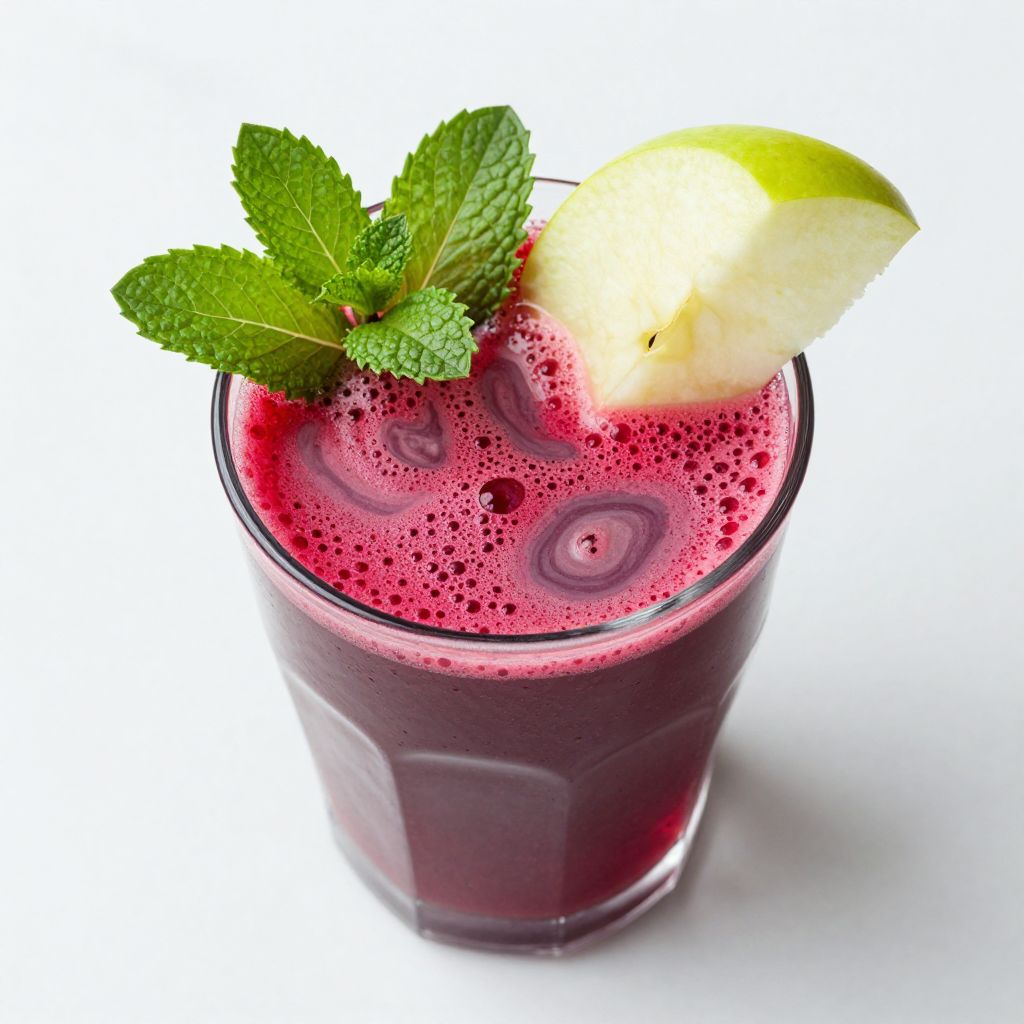
- Feed your chopped beets through the juicer chute, using the plunger gently to push them down without forcing or jamming the machine. Continue with carrots, apple, ginger, and finally lemon, watching the vibrant red juice flow into your glass.
- Pour the fresh juice through a fine mesh strainer into a clean glass if you prefer a smoother texture without pulp.
- If the juice tastes too concentrated or intense, add filtered water to reach your desired strength, starting with 1/4 cup and adjusting to taste. Serve immediately in a chilled glass for the freshest flavor and maximum nutrient retention.
Notes
Drink your beet juice within 30 minutes of making it, or store it in an airtight glass container in the fridge for up to 3 days. Shake well before drinking since juice naturally separates. Choose organic beets when possible and start with smaller portions if this is your first time drinking fresh beet juice.