
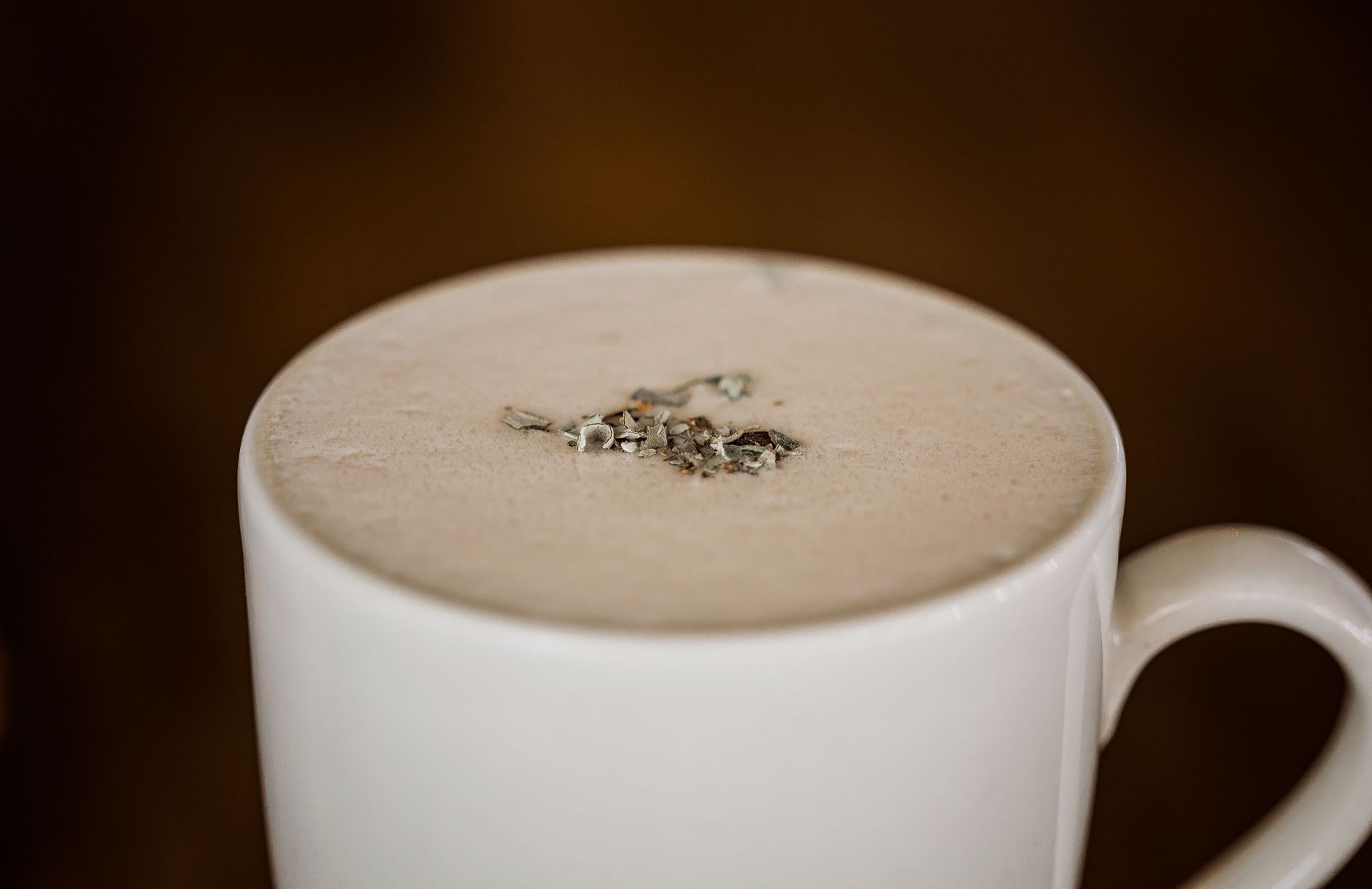
A chai latte is a beloved beverage that combines rich flavors with aromatic spices, enjoyed by many as a warming comfort drink. However, one common question often arises: Does a chai latte have caffeine? Understanding the caffeine content in a chai latte is essential for those monitoring their caffeine intake or simply curious about their favorite beverage.
This article delves into what a chai latte is, the sources of caffeine within this drink, and how you can tailor it to fit your caffeine preferences. By the end of this guide, you’ll have a clearer understanding of chai latte’s caffeine content and how you can enjoy it in different ways.
Does A Chai Latte Have Caffeine?
Yes, a chai latte does contain caffeine. The primary source of caffeine in a chai latte comes from the black tea used to make it. The specific caffeine content can vary based on the type of tea, brand, and specific preparation method, but generally, a standard chai latte can contain between 30 to 70 milligrams of caffeine per serving.
What is a Chai Latte?
A chai latte is a fusion of bold black tea, steamed milk, and a blend of aromatic spices such as cinnamon, cardamom, ginger, cloves, and black pepper. It is known for its warming qualities and unique flavor profile, which combines sweetness, spice, and creaminess. Originally derived from traditional Indian masala chai, which means “spiced tea,” the chai latte has gained popularity in coffee shops across the globe.
Understanding Caffeine in Tea
The caffeine content in tea, including black tea which is the base of chai lattes, is lower than that of coffee. While a typical cup of brewed coffee can contain about 95 milligrams of caffeine or more, a cup of black tea typically contains around 40 to 70 milligrams, depending on the brewing time and tea leaves used.
Caffeine Levels in Black Tea
Here’s a general guideline for caffeine levels in black tea:
- Standard Black Tea: Approximately 40-70 mg of caffeine per 8-ounce cup
- Chai Black Tea Blend: Often on the higher end, around 60-80 mg per serving, depending on how it’s brewed
- Decaffeinated Black Tea: Usually contains 2-5 mg of caffeine per 8-ounce cup
Factors Affecting Caffeine Content
The caffeine content in a chai latte can vary due to several factors:
- Type of Tea: Different brands and blends will have varying caffeine levels.
- Brewing Time: The longer the tea is steeped, the more caffeine is extracted.
- Milk and Sweetener Addition: These do not affect caffeine levels but can alter the drink’s overall caloric and flavor profile.
- Proportions Used: Variations in tea quantity versus milk can impact caffeine concentration.
How to Make a Chai Latte
Preparing a homemade chai latte allows you to control the ingredients and caffeine content. Below is a simple method for brewing your own chai latte.
Ingredients
- 1 cup water
- 2 teaspoons loose black tea or 1 black tea bag
- 1 cup milk of choice (dairy, almond, oat, etc.)
- 1-2 teaspoons of sugar or sweetener (adjust to taste)
- 1/2 teaspoon ground cinnamon
- 1/2 teaspoon ground ginger
- 1/4 teaspoon ground cardamom
- 1/4 teaspoon ground cloves
- 1/4 teaspoon ground black pepper
Equipment Needed
- Small saucepan
- Strainer or tea infuser
- Whisk or frother (optional)
- Mug or cup for serving
Instructions
- In a small saucepan, bring the water to a boil.
- Add the tea leaves or tea bag and let it steep for 3-5 minutes depending on desired strength.
- While the tea is steeping, heat the milk in another saucepan or in the microwave. If you like frothy milk, use a whisk or frother to create foam.
- Once the tea has steeped to your liking, strain the tea into a mug to remove the leaves or bag.
- Add the milk to the tea and stir in sugar and spices. Adjust to taste.
- Top with extra ground cinnamon or spices if desired, and enjoy!
Varying Caffeine Content: Make a Decaf Chai Latte
If you’re looking to enjoy a chai latte without the caffeine kick, you can easily swap the black tea for decaffeinated black tea leaves or chai tea bags. This substitution reduces the caffeine significantly while still allowing you to enjoy the spiced flavors of a traditional chai latte.
Decaf Chai Latte Ingredients
- 1 cup water
- 2 teaspoons decaffeinated black tea or 1 decaf chai tea bag
- 1 cup milk of your choice
- 1-2 teaspoons of sugar or sweetener (again, adjust to taste)
- Spices (same as standard recipe)
Instructions for Decaf Chai Latte
- Boil the water in a small saucepan.
- Add the decaffeinated tea and let steep for 3-5 minutes.
- Heat the milk separately and froth if desired.
- Strain the tea into your mug, add the frothed milk, sugar, and desired spices, and stir gently.
- Enjoy your caffeine-free chai latte!
Chai Latte Variations
Beyond the traditional recipe, there are many ways to customize a chai latte to suit your taste or dietary preferences:
Different Milks
- Dairy Milk: Provides a rich and creamy texture.
- Almond Milk: Offers a slightly nutty flavor.
- Oat Milk: Known for its creamy consistency without extra nuts or soy.
- Soy Milk: A good protein alternative that emulsifies well.
Sugar Substitutes
- Honey: A natural sweetener that pairs well with spices.
- Maple Syrup: Adds a unique flavor twist.
- Agave Nectar: A low-glycemic index sweetener.
Spice Variations
- Vanilla Extract: For added sweetness and flavor.
- Nutmeg: A warming spice that complements the chai flavor.
- Star Anise: Provides a different aromatic quality.
- Turmeric: A popular health addition, creating a “golden chai” effect.
Common Mistakes to Avoid When Making Chai Lattes
- Over-steeping the Tea: This can lead to a bitter taste. Stick with the recommended steeping time.
- Not Frothing Milk Correctly: For a great chai latte, frothed milk enhances the texture and visual appeal.
- Using Too Much Sugar: Start with a small amount and adjust accordingly. This will allow you to appreciate the spices more.
Storage and Reheating Guidance
Chai lattes are best enjoyed fresh, but you can refrigerate leftover chai for up to two days. To reheat, gently warm on the stove or in the microwave. Be cautious not to bring it to a boil again, to prevent spoiling the flavors and consistency.
Conclusion
A chai latte undeniably contains caffeine, primarily from black tea, offering a delicious and aromatic experience. Understanding what goes into your chai latte can enhance your enjoyment and allow you to adjust it according to your preferences. Whether you choose a classic recipe, a decaf variant, or a customized version, the chai latte remains a delightful choice for any time of day.
For more recipes and tips, explore these interesting links: Chai Tea Latte Recipe or check out this Dirty Chai Latte Recipe.