
Picture this: a cozy evening, a warm cup in hand, and a soothing aroma filling the air. That’s exactly what you get with 7 Leaves Herbal Tea — a delightful blend of flavors that not only warms you up but also offers a refreshing twist to your day. This recipe is special because it combines various herbs, creating a unique taste that’s both invigorating and calming. With its delightful flavors and myriad health benefits, it’s a perfect drink for any time of the day. Let’s dive into how to make this herbal elixir.
Why You’ll Love This Recipe
This herbal tea is a delightful blend that’s perfect for any occasion.
- Rich in flavor and health benefits.
- Customizable based on your herbal preferences.
- Easy to prepare with minimal ingredients.
- Great for relaxing or energizing your day.
- Perfect for sharing with friends and family.
My Experience Making This Recipe
Making 7 Leaves Herbal Tea was an exciting adventure for me. The moment I opened the bag of herbs, the aroma flooded my senses, making me eager to brew my first cup.
As I sipped the tea, I experienced a delightful harmony of flavors that stirred up nostalgic memories of tea time with my grandmother. It was comforting and refreshing all at once.
Recipe Overview
- Recipe Name: 7 Leaves Herbal Tea
- Servings: 4
- Prep Time: 10 minutes
- Cook Time: 10 minutes
- Total Time: 20 minutes
- Course: Beverage
- Cuisine: Herbal
- Calories per Serving: 30
Equipment You Will Need
- Teapot or saucepan
- Measuring cups
- Strainer or tea infuser
- Cup or mug for serving
- Stirring spoon
Ingredients for 7 Leaves Herbal Tea
- 1 tablespoon dried chamomile
- 1 tablespoon dried peppermint
- 1 tablespoon dried lemongrass
- 1 tablespoon dried hibiscus
- 1 tablespoon dried ginger (grated)
- 2 cups water
- Honey or sweetener to taste (optional)
Ingredient Notes and Substitutions
- Chamomile: Used for its calming properties; substitute with lemon balm for a different flavor.
- Peppermint: Adds freshness; spearmint works well as a substitute.
- Lemongrass: Provides citrus notes; try lemon zest if unavailable.
- Hibiscus: Contributes a tart flavor; cranberry tea can be a good alternative.
- Ginger: Offers warmth and spice; ground ginger can be used, though fresh is preferred.
How to Make 7 Leaves Herbal Tea
Step 1: Boil the Water
Start by boiling the water in a teapot or saucepan. This is essential for extracting the full flavors from the herbs.
Step 2: Measure the Herbs
While the water is boiling, measure out all the dried herbs. Accurate measurements ensure a balanced flavor profile.
Step 3: Combine Ingredients
Once the water reaches a boil, add the dried herbs directly into the pot. This allows the herbs to steep and release their properties effectively.
Step 4: Steep the Tea
Cover the pot and reduce the heat to low, allowing the tea to steep for about 10 minutes. This process is key to achieving a rich flavor.
Step 5: Strain the Tea
After steeping, strain the tea into a cup or mug using a strainer or tea infuser. This step ensures you enjoy a smooth sip without herb residue.
Step 6: Sweeten Your Tea
If desired, add honey or your preferred sweetener to taste. Sweetening can enhance the flavors and make your tea more enjoyable.
Step 7: Serve and Enjoy
Serve your herbal tea hot and enjoy its aromatic warmth. This drink is perfect for cozy relaxation or as a refreshing afternoon pick-me-up.
Step 8: Experiment with Flavors
Feel free to tweak the ingredients for your taste. Adding a slice of lemon can brighten the flavor, or you can mix in other herbs you love.
Pro Tip: To enhance the flavor, let the tea cool a bit before sipping. This allows the full bouquet of aromas to develop.
Tips for the Best 7 Leaves Herbal Tea
- Use fresh ingredients whenever possible for the best flavor.
- Adjust steeping time based on your strength preference; longer steeping results in bolder flavors.
- Experiment with additional herbs to customize your brew.
- Consider serving with a lemon wedge for a zesty kick.
- Store extra brewed tea in the refrigerator for a refreshing iced version later.
Common Mistakes to Avoid
- Not measuring herbs accurately can lead to overpowering flavors.
- Boiling water for too long might cause it to lose oxygen, affecting taste.
- Skipping the steeping time can result in a weak brew.
- Not covering the pot while steeping can lead to flavor loss.
Serving Suggestions
This herbal tea is wonderful on its own but pairs beautifully with light snacks or desserts.
- Enjoy with a slice of lemon pound cake.
- Pair with almond biscotti for a delightful crunch.
- Serve alongside fresh fruit for a light, refreshing combo.
- Try with a cheese platter for a savory contrast.
Variations to Try
- Add a pinch of cinnamon for a warm spice flavor.
- Incorporate dried lavender for a floral note.
- Swap out ginger for turmeric for an earthy twist.
- Use green tea as a base for a caffeinated version.
Dietary Adaptations
- Gluten-free: Naturally gluten-free, enjoy without worries.
- Dairy-free: This recipe is dairy-free as is.
- Vegan/Vegetarian: Perfect for all dietary preferences.
- Low-carb/Keto: A suitable option for low-carb diets.
Storage and Reheating
Refrigerator
Store any leftover tea in an airtight container in the refrigerator.
- Consume within 3 days for optimal freshness.
Freezer
Freezing herbal tea is possible but may alter flavor and texture.
- Pour into ice cube trays and freeze for later use.
Reheating
Reheat in the microwave or on the stovetop, gently warming until steaming.
- Avoid boiling again to preserve flavor.
Nutrition Information
| Nutrient | Amount |
|---|---|
| Calories | 30 |
| Total Fat | 0g |
| Saturated Fat | 0g |
| Carbohydrates | 8g |
| Fiber | 0g |
| Sugar | 0g |
| Protein | 1g |
| Sodium | 0mg |
| Cholesterol | 0mg |
This information is an estimate and may vary based on ingredients used.
Frequently Asked Questions
Can I make this tea ahead of time?
Absolutely! Brewed tea can be made ahead and stored in the refrigerator for up to three days.
What can I substitute for hibiscus?
You can use cranberry tea as an alternative to hibiscus for a similar tartness.
How can I sweeten the tea?
Honey, agave, or any sweetener of your choice works great. Adjust to your taste preference.
Why does my tea taste bitter?
Over-steeping the tea can lead to bitterness, so stick to the recommended time.
Can I use fresh herbs instead of dried?
Yes, but you’ll need to adjust the quantity since fresh herbs have a different potency.
Final Thoughts
Making 7 Leaves Herbal Tea is a delightful way to explore herbal flavors while enjoying a comforting beverage. I encourage you to try this recipe and make it your own.
For more delicious drink ideas, check out my other recipes like lymphatic drainage tea and elderberry tea. Happy brewing!
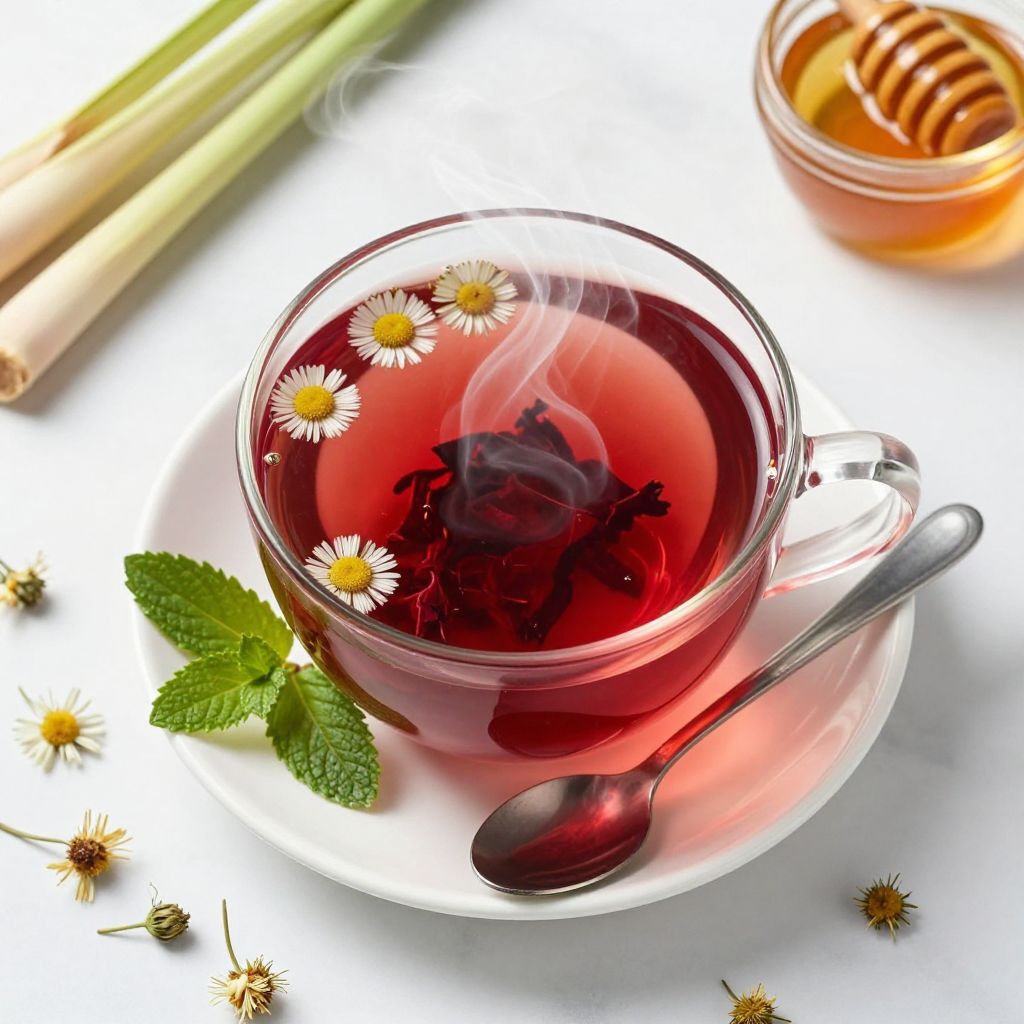
7 Leaves Herbal Tea
Ingredients
Equipment
Method
- Boil the water in a teapot or saucepan.
- While the water is boiling, measure out all the dried herbs.
- Once the water reaches a boil, add the dried herbs directly into the pot.
- Cover the pot and reduce the heat to low, allowing the tea to steep for about 10 minutes.
- After steeping, strain the tea into a cup or mug using a strainer or tea infuser.
- If desired, add honey or your preferred sweetener to taste.
- Serve your herbal tea hot and enjoy.
- Feel free to tweak the ingredients for your taste, adding slices of lemon or other herbs if desired.