
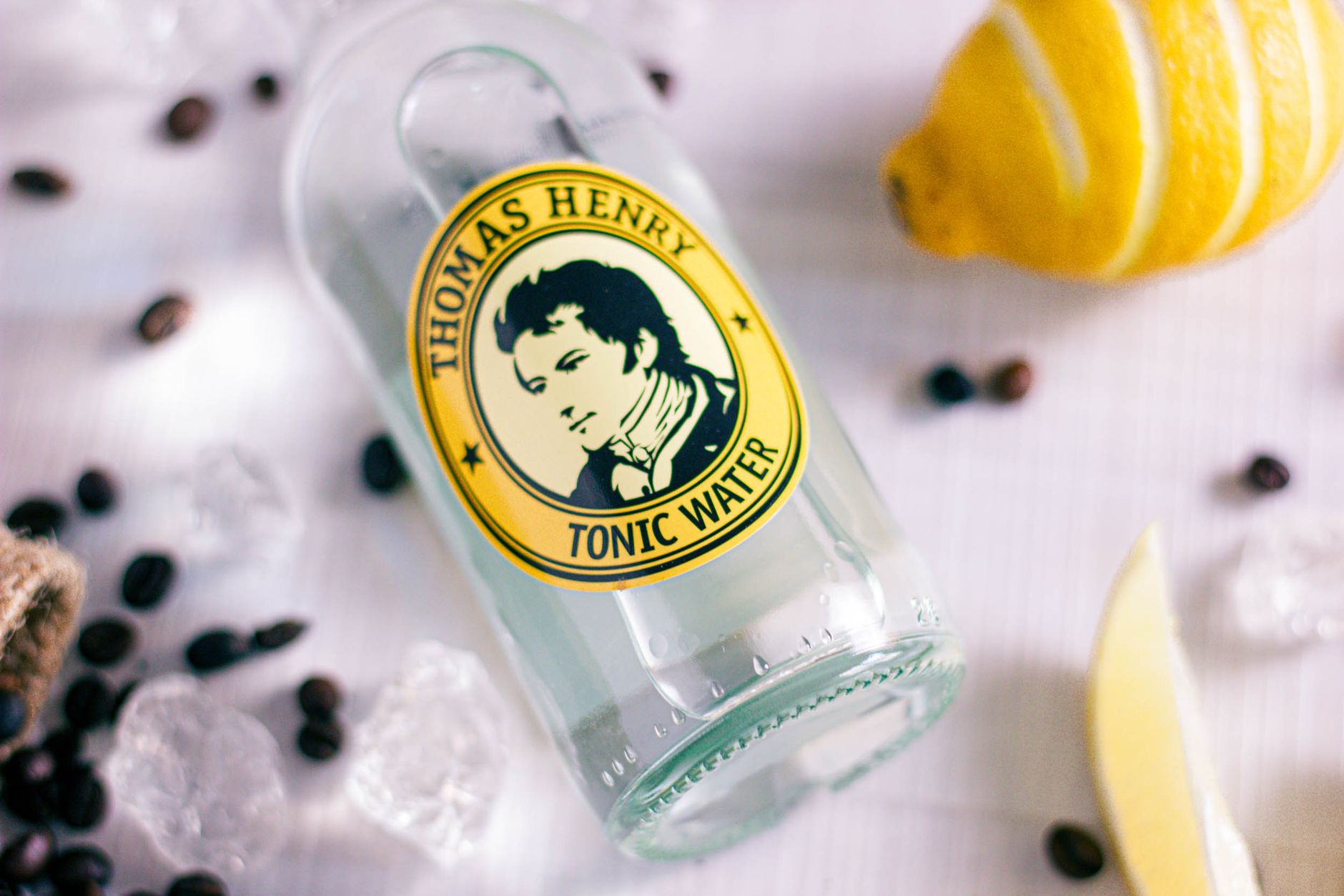
Tonic water is a classic mixer that elevates gin and tonics and many other cocktails. But have you ever wondered why quinine, that bitter compound traditionally associated with tonic water, is in it at all? This article explores the origins of quinine, its characteristics, its role in tonic water, and considerations when consuming it.
Understanding why quinine is in tonic water not only enlightens the drinker but also enhances the experience of enjoying this refreshing beverage. We will dive into its history, the science behind it, and tips for enjoying tonic water to its fullest potential.
Why Is Quinine In Tonic Water?
Quinine is in tonic water primarily for its historical use as a treatment for malaria. It originates from the bark of the cinchona tree, which was used by indigenous peoples in South America as a fever treatment long before it became a staple in European modern medicine. When tonic water was developed, quinine was added to provide flavor and a touch of medicinal properties, though the amounts found in modern tonic water are significantly lower than those needed for medicinal effects.
The History of Quinine and Tonic Water
The story of quinine began in the 17th century when Spanish Jesuit priests documented the use of the cinchona bark by the Quechua people of Peru. It wasn’t until the 19th century that quinine was isolated and used as an effective treatment for malaria, a disease that plagued European settlers in tropical regions.
To make the bitter medicine more palatable, British colonial officials mixed it with sugar and water, eventually forming what we now know as tonic water. The addition of carbonation not only made it fizzy but also refreshing, leading to its popularity as a mixer, particularly with gin. Nowadays, while the malaria-fighting aspect is relegated to the past, many still enjoy tonic water for its unique flavor profile.
Understanding Quinine’s Flavor Profile
Quinine is noted for its distinctive bitter flavor, which can be polarizing. Some people savor the complexity it brings to drinks, while others find it unappealing. In tonic water, the bitterness is balanced with sweeteners to create a refreshing drink. Here are a few characteristics of quinine’s flavor:
- Bitter: Quinine has a strong bitter taste, which is why it’s often paired with sweet mixers.
- Citrusy: Some tonic waters incorporate citrus flavors, which complement the bitterness of quinine.
- Herbal undertones: The natural origins of quinine give it an earthy quality that rounds out its complexity.
Health and Safety Considerations
While quinine is safe to consume in tonic water amounts, it’s important to be aware of certain populations and limit intake accordingly. Most tonic waters contain about 20-83 mg of quinine per liter, significantly lower than the medicinal doses used to treat malaria.
Excessive consumption can lead to side effects, including:
- Tinnitus: Some individuals may experience ringing in the ears.
- Nausea: High doses can lead to gastrointestinal discomfort.
- Allergic reactions: Rarely, people may have adverse reactions to quinine, leading to serious side effects.
For pregnant women and individuals with certain conditions, such as kidney issues or those taking certain medications, consulting a healthcare provider before consuming tonic water regularly is advised.
Types of Tonic Water
The tonic water landscape has evolved from its medicinal roots, leading to various types available on the market today. Here are some of the common types of tonic water you may encounter:
Classic Tonic Water
This is the traditional tonic water that includes quinine, sugar, and carbonation. It tends to have a pronounced bitterness balanced by sweetness, making it ideal for mixing with spirits.
Low-Calorie or Diet Tonic Water
These versions use artificial sweeteners to reduce caloric content while still containing quinine and carbonation. They are popular for those watching their sugar and calorie intake.
Flavored Tonic Water
Flavored options include additional botanicals or fruits, such as grapefruit, elderflower, or cucumber. These variations cater to those looking to experiment with different taste profiles.
Craft and Artisan Tonic Water
Small producers create premium versions using natural ingredients and organic quinine. They often aim for a more balanced or pronounced flavor profile compared to mass-produced tonic waters.
Using Tonic Water in Cocktails
Tonic water is a versatile mixer that works well with various spirits and flavors. Here are some popular cocktails that feature tonic water:
Classic Gin and Tonic
This iconic drink showcases the combination of gin’s botanicals with the bitterness of tonic water. It’s typically garnished with a lime wedge to enhance freshness.
Vodka Tonic
For those who prefer vodka, a vodka tonic maintains a crisp profile, allowing the spirit to shine through while the tonic adds intrigue.
Mexican Tonic Water
Made with tequila instead of gin or vodka, this drink often incorporates lime juice and sometimes jalapeño for a spicy kick.
Homemade Tonic Water Recipe
If you want to explore making your tonic water, you can create a simple homemade version. Here’s how:
Ingredients
- 4 cups water
- 2 tablespoons cinchona bark (available in specialty stores)
- 1 cup sugar (or adjust to taste)
- 1 tablespoon citric acid or the juice of 1 lemon or lime
- Fresh herbs like rosemary or mint (optional)
- Additional flavorings like fresh ginger, dried lavender, or citrus peels (optional)
Essential Equipment
- Medium saucepan
- Fine mesh strainer
- Glass jar or bottle for storage
Method
- In a medium saucepan, bring 4 cups of water to a boil.
- Add cinchona bark to boiling water, then reduce heat and let simmer for 15-20 minutes.
- Remove from heat and strain the liquid into a bowl using a fine mesh strainer to remove the bark.
- Add sugar and stir until completely dissolved. Mix in citric acid or the juice of your citrus choice.
- If using, add fresh herbs or additional flavorings, steeping for an additional 10 minutes.
- Store in a glass jar or bottle in the refrigerator and mix with club soda or carbonated water when ready to serve.
Practical Tips for Enjoying Tonic Water
To make the most of your tonic water experience, consider these tips:
- Chill Your Ingredients: Be sure to chill your tonic water and selected spirit before mixing for the best refreshing experience.
- Experiment with Garnishes: Beyond lime, try cucumber, herbs, or even flavored bitters to enhance your drink.
- Pair Carefully: Select spirits that harmonize with the bitter notes in tonic water, sticking with lighter, herbal, or citrus-infused flavors.
- Mind the Proportions: A standard mix is usually one part spirit to three parts tonic, but feel free to adjust according to personal preference.
Common Mistakes to Avoid
Even though tonic water is a straightforward mixer, some pitfalls can detract from your drink-making experience:
- Using Flat Tonic: Always ensure your tonic water is carbonated for that refreshing fizz.
- Ignoring Fresh Ingredients: Fresh herbs and quality garnishes can make or break a drink.
- Over-Complicating the Mix: Sometimes, simple is best. Avoid adding too many flavors that may clash.
Storage and Shelf Life of Tonic Water
To maintain the freshness of tonic water, store it in a cool, dark place and keep it tightly sealed. Once opened, it’s best consumed within a few days for optimal carbonation. Check for any changes in flavor, as expired tonic water can lose its fizz and may taste flat.
Incorporating Tonic Water into Other Recipes
Tonic water is not just for cocktails; it can also be used creatively in cooking and culinary applications:
Refreshing Salad Dressings
Mix tonic water with olive oil, lemon juice, and your choice of herbs for a zingy dressing that pairs well with mixed greens and grilled vegetables.
Marinades and Glazes
Add tonic water to marinades for chicken or fish, providing a touch of flavor that works well when grilled or roasted.
Baking Soda and Tonic Water
In some recipes, tonic water can replace soda (like club soda) to give cakes or pancakes a lighter texture due to its carbonation.
Conclusion
Quinine’s presence in tonic water traces back to its historical medicinal use, serving as a bridge between health and enjoyment. Today, tonic water is a delightful beverage choice, appreciated for both its unique flavor profile and its versatility in cocktails.
Whether you’re enjoying a classic gin and tonic, experimenting with flavored varieties, or making your homemade tonic, understanding the role of quinine can enhance your appreciation for this fizzy drink. Explore related recipes and tips to expand your culinary repertoire, such as trying a tonic water recipe or a refreshing matcha tonic recipe.