
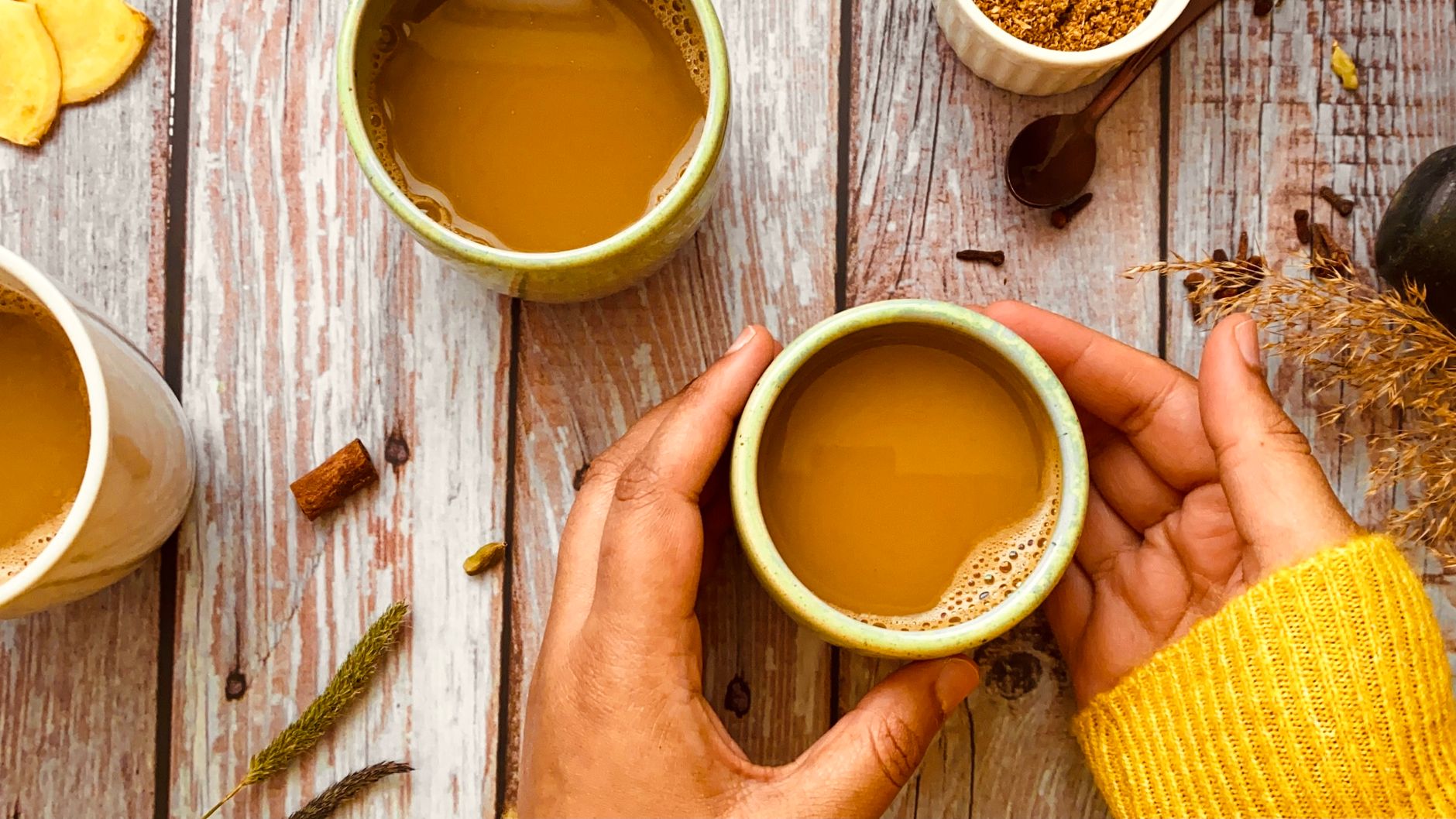
Chai tea, also simply known as chai, is a beloved beverage that hails from India, characterized by its aromatic blend of tea, milk, and an intricate mix of spices. The beauty of chai lies in its versatility; you can customize it according to your taste preferences and the ingredients you have on hand. This guide will explore what to put in chai tea, providing a detailed look at essential ingredients, variations, and helpful tips for crafting your perfect cup.
Whether you’re a novice at making chai or looking to enhance your current recipe, this guide has something for everyone. From the classic spices to modern twists, understanding the components of chai will allow you to enjoy this warming drink any time of the day.
What To Put In Chai Tea?
To create a delicious cup of chai tea, you need a few key components: tea, milk, sweeteners, and spices. The combination of these ingredients can vary based on personal taste, but at its core, chai is a harmonious blend of these elements.
Essential Ingredients for Chai Tea
Let’s break down the fundamental components necessary to prepare a traditional cup of chai tea.
1. Tea
- Black Tea: The most common choice for chai, black tea varieties like Assam and Darjeeling provide a robust base that complements the spices well.
- Green Tea: For a lighter version, substituting black tea with a mild green tea can offer a different flavor profile but may lack the richness found in traditional recipes.
- Herbal Tea: For a caffeine-free option, consider using herbal teas such as rooibos or chamomile, though the flavor will differ significantly from traditional chai.
2. Milk
- Whole Milk: Provides creaminess and balances the spice, making it the traditional choice for chai.
- Non-Dairy Milk: Almond, soy, oat, and coconut milk are popular alternatives. Each brings its distinct flavor and texture; for instance, coconut milk adds sweetness.
- Evaporated Milk: A richer option that can give your chai a luxurious texture.
3. Sweeteners
- Granulated Sugar: The traditional sweetener, it dissolves easily and balances the spices.
- Honey: A natural sweetener that complements the spices wonderfully, although its distinct flavor may change the overall taste of the chai.
- Agave Nectar: A good alternative for those looking for a lower glycemic index sweetener.
- Maple Syrup: Adds a unique flavor twist while sweetening the chai.
4. Spices
The heart of chai lies in its spices. You can use pre-ground spice blends or freshly grind your selected spices for maximum flavor. Here are the most common spices used in chai:
- Ginger: Fresh or dried ginger adds warmth and spiciness; it’s often one of the main components.
- Cinnamon: Adds sweetness and a beautiful aroma; ground or stick cinnamon can be used.
- Cardamom: Known for its floral aroma, cardamom pods lend a unique flavor; use them whole or ground.
- Cloves: Provide a strong, slightly astringent flavor; typically used in smaller amounts.
- Peppercorns: Black peppercorns add heat; they should be used sparingly to avoid overpowering the drink.
- Anise or Fennel Seeds: These can add a sweet, licorice-like flavor to the chai.
How to Make Chai Tea
Now that you know the essential ingredients, let’s explore how to prepare your chai tea step-by-step.
- Yield: 2 cups
- Preparation Time: 5 minutes
- Cooking Time: 10 minutes
- Total Time: 15 minutes
Ingredients
- 2 cups water
- 2 teaspoons black tea (Assam or Darjeeling)
- 1 cup milk (whole, non-dairy, or evaporated)
- 2 teaspoons sugar (or to taste)
- 1 inch fresh ginger (sliced or grated)
- 2-3 whole cardamom pods
- ½ a cinnamon stick or ½ teaspoon ground cinnamon
- 2-3 whole cloves (optional)
- 1 teaspoon black peppercorns (optional)
Method
- In a saucepan, combine the water, ginger, cardamom, cinnamon, and cloves if using. Bring the mixture to a boil over medium heat.
- Once boiling, add the black tea and allow it to simmer for about 5 minutes. Adjust the time depending on how strong you prefer your tea.
- Next, add the milk and sugar to the saucepan. Stir well to combine.
- Bring the mixture back to a simmer. Be careful not to let it boil over.
- Once it simmers, remove the saucepan from the heat and allow it to steep for 2-3 minutes.
- Strain the chai into cups using a fine mesh strainer to remove the spices and tea leaves.
- Serve hot and enjoy your homemade chai tea!
Flavor Variations
Chai tea is highly customizable, and you can shift its flavors by altering the ingredients or proportions.
1. Spice Variations
- Experiment with different spice ratios, such as increasing ginger for a spicier kick or adding fennel for sweetness.
- For a festive twist, add a pinch of nutmeg or a splash of vanilla extract.
2. Sweetness Levels
- Adjust your sweetener based on personal preference. For a less sweet chai, reduce the sugar or try unsweetened non-dairy milk.
- To create a spiced caramel chai, mix in a tablespoon of caramel sauce along with the regular sweeteners.
3. Different Milks
- Change the milk base for various flavor profiles. Full-fat coconut milk will give your chai a tropical twist.
- If using oat milk, it adds a creamy texture that works well with spices.
Common Mistakes to Avoid
Even a simple drink like chai can go awry if precautions are not taken. Here are common pitfalls and how to avoid them.
- Overcooking the Milk: Avoid boiling the milk; simmer it gently to prevent curdling or scorching.
- Using Too Much Tea: Too much black tea can lead to bitterness; stick to the recommended amounts.
- Neglecting to Strain: Always strain your chai to remove solid spices and tea leaves, yielding a smoother drink.
- Ignoring Preference: Adjust spice levels and sweetness according to your palate, as chai is highly personal.
Serving Suggestions
Chai can be enjoyed anytime, but certain accompaniments enhance the experience.
- Snacks: Pair chai with savory snacks such as samosas, pakoras, or biscuits for an authentic experience.
- Time of Day: Enjoy chai in the morning as a caffeine boost, during afternoon tea, or as a comforting drink in the evening.
Make-Ahead and Storage Tips
While fresh chai is always the finest option, here are tips for making it in advance:
- Chai can be brewed in larger batches and stored in the refrigerator for up to 2-3 days. Reheat gently before serving.
- If preparing the spice mix ahead of time, store it in an airtight container, so it’s ready whenever you want to make chai.
Final Thoughts on Chai Tea
Your exploration of chai tea knows no bounds, making it a delightful drink to personalize. Whether you stick to traditional spices or venture into creative variations, chai remains a warming, comforting hug in a cup.
As you practice and play with flavors, remember that the joy of chai lies in its adaptability. Explore further with related recipes, or discover unique variations by clicking on this homemade chai tea recipe and try the creative twist of a gingerbread chai latte recipe that combines seasonal flavors with your favorite beverage.