
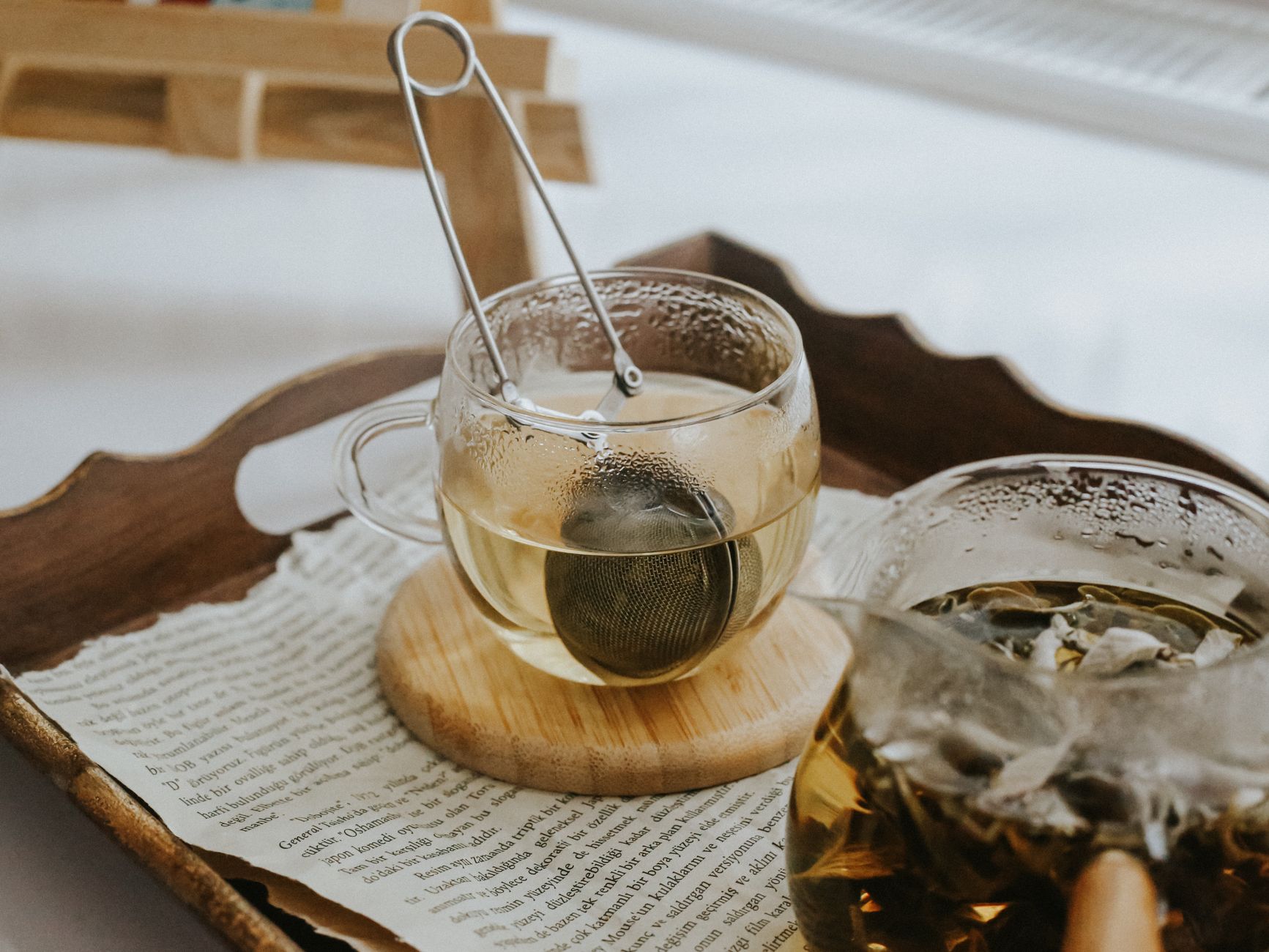
Pregnancy brings about numerous changes, prompting expectant mothers to rethink their dietary choices, including their beverage options. While many enjoy a good cup of tea, not all varieties are safe during this crucial period. This article provides essential insights into which teas are safe, their benefits, and tips for enjoying them responsibly.
As you navigate the world of teas during pregnancy, understanding the benefits and safety of herbal and traditional teas becomes vital. Let’s explore these aspects, highlighting safe choices to enjoy throughout your pregnancy journey.
What Tea Is Safe For Pregnancy?
During pregnancy, several teas are considered safe for consumption. Herbal teas such as ginger tea, peppermint tea, and raspberry leaf tea are generally acceptable in moderation. However, it’s crucial to be mindful of caffeine intake and avoid certain herbal teas that can pose risks. Always consult with a healthcare provider for personalized advice.
Why Tea Choices Matter During Pregnancy
Tea can contain various compounds, including caffeine and herbs that may not be safe for pregnant women. Understanding the influence of tea on pregnancy can help expectant mothers make informed health decisions.
Caffeine Content
Caffeine, found in regular black and green teas, can cross the placenta and affect fetal development. High caffeine intake during pregnancy has been linked to risks such as low birth weight and premature birth. Therefore, it’s advisable to limit caffeine to 200 mg per day during pregnancy. This translates to about one 12-ounce cup of brewed coffee. Herbal teas often contain little to no caffeine, making them an appealing alternative.
Herbal Considerations
Herbal teas may offer beneficial effects, such as alleviating nausea or promoting relaxation. However, not all herbal teas are safe. Some may stimulate the uterus or affect hormone levels, so it’s essential to be informed about what you’re consuming.
Safe Teas During Pregnancy
Here’s a detailed look at some teas that are generally considered safe for pregnant women:
1. Ginger Tea
Known for its ability to help combat morning sickness, ginger tea is one of the safest and most beneficial teas to drink during pregnancy. It can help alleviate nausea and improve digestion.
- Preparation: Use fresh ginger slices steeped in boiling water for 10 minutes; optionally, add honey for sweetness.
- Benefits: Reduces nausea, aids digestion, may soothe muscle pain.
- Suggested Serving: 1-2 cups per day.
2. Peppermint Tea
Peppermint tea can ease digestive discomfort and help relieve headaches commonly experienced during pregnancy. Its soothing properties make it a favorite choice.
- Preparation: Use peppermint leaves or tea bags steeped in hot water for about 5-7 minutes.
- Benefits: Alleviates nausea, enhances digestion, and relieves headaches.
- Suggested Serving: 1-3 cups per day.
3. Raspberry Leaf Tea
This tea is particularly recommended in the later stages of pregnancy, especially in the third trimester. It is believed to tone the uterus and support labor preparation.
- Preparation: Steep 1-2 teaspoons of dried raspberry leaves in boiling water for 5-10 minutes.
- Benefits: May support uterine health and improve labor outcomes.
- Suggested Serving: 1-2 cups daily during the third trimester.
4. Rooibos Tea
Rooibos tea is naturally caffeine-free and full of antioxidants. It is also gentle on the stomach, making it a soothing option for pregnant women.
- Preparation: Brew rooibos tea leaves in hot water for 5-7 minutes, adjusting the time for desired strength.
- Benefits: Rich in antioxidants, may help reduce stress and promote relaxation.
- Suggested Serving: 2-3 cups per day.
5. Lemon Balm Tea
Lemon balm tea is used for its calming properties, and it may help ease anxiety or insomnia, which are common during pregnancy.
- Preparation: Steep lemon balm leaves in hot water for about 5-10 minutes.
- Benefits: Promotes relaxation, alleviates stress.
- Suggested Serving: 1-2 cups per day.
Teas to Avoid During Pregnancy
While many teas are safe, certain varieties should be avoided to protect both maternal and fetal health. Below are teas that pregnant women should steer clear of:
1. Herbal Teas with High Caffeine
Herbal teas that contain high levels of caffeine can pose the same risks as regular caffeinated drinks. Always read labels carefully.
2. Licorice Root Tea
Licorice root may stimulate the uterus and can lead to pregnancy complications if consumed in large quantities.
3. Dong Quai Tea
This herb is often used in traditional medicine but is not recommended during pregnancy, as it may stimulate uterine contractions.
4. Ginseng Tea
Ginseng can affect hormone levels and may not be safe during pregnancy.
5. Any Tea with Strong Medicinal Effects
Herbal teas that are marketed for medicinal benefits should be approached with caution. Always check with a healthcare provider.
Tips for Enjoying Tea During Pregnancy
To ensure safe tea consumption during pregnancy, consider the following tips:
- Moderation: Stick to moderate amounts of tea, typically no more than 4 cups per day, depending on caffeine levels.
- Consult Healthcare Providers: Always discuss your tea choices with your healthcare provider to ensure they are appropriate for your individual health circumstances.
- Be Cautious with Herbal Blends: Many herbal blends may contain ingredients that are not safe during pregnancy. Always check ingredient lists.
- Stay Hydrated: Tea can contribute to your daily fluid intake, but ensure you’re drinking water and other hydrating beverages as well.
- Warm or Cold: Enjoy your tea hot, warm, or iced, depending on your preference, but avoid adding too much sugar or sweeteners.
Considerations for Flavor and Enjoyment
If you find some teas too strong or bitter, consider adding natural sweeteners like honey or a splash of lemon. Some teas, like ginger or peppermint, can be consumed with added herbs for enhanced flavors.
Conclusion
Choosing the right teas during pregnancy can enhance your experience and provide comfort at various stages. Opting for safe options like ginger, peppermint, raspberry leaf, rooibos, and lemon balm tea can offer relief from common pregnancy discomforts while ensuring you and your baby stay healthy.
For more culinary adventures, consider trying a refreshing ginger lemon honey tea recipe or exploring the wonders of raspberry leaf tea for its potential benefits.
Explore related recipes such as ginger lemon honey tea or learn more about raspberry leaf tea to enjoy the comforting benefits of tea during your pregnancy journey.