
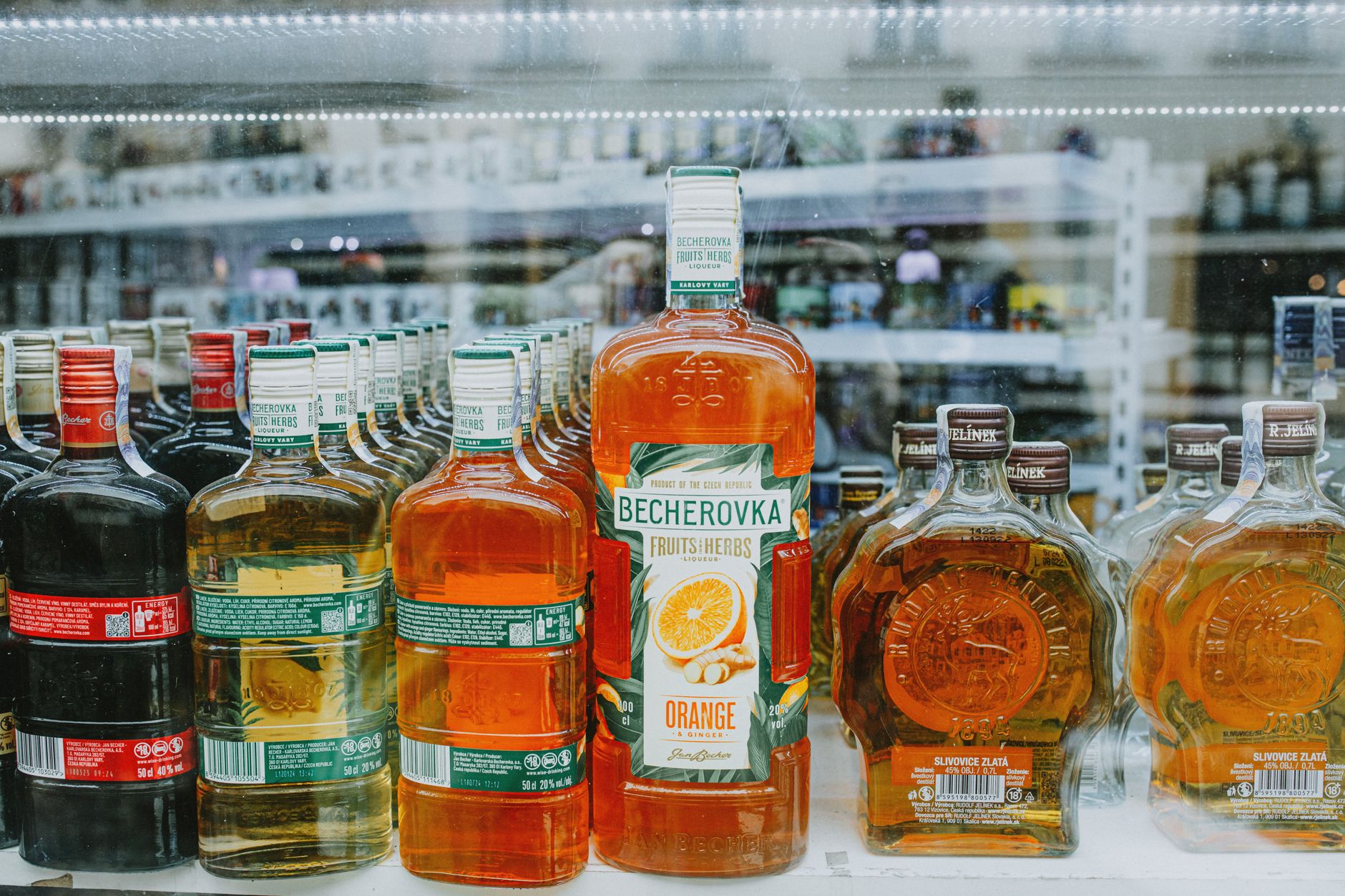
Liqueur is a type of alcoholic beverage that is sweetened and flavored with various ingredients, including fruits, herbs, spices, and even cream. These distinctive flavors and textures make liqueurs popular in cocktails, desserts, and as digestifs. Understanding liqueurs can enhance your enjoyment of drinks and add a unique twist to your culinary creations.
This guide will cover the fundamentals of liqueurs, their varieties, how they’re made, and practical tips for using them in your kitchen and cocktails. Whether you’re a curious novice or a seasoned cocktail enthusiast, this article will provide valuable insights into the world of liqueurs.
What Is Liqueur?
Liqueur is a sweetened spirit that is flavored with a variety of ingredients such as fruits, nuts, spices, and herbs. The primary base for liqueurs is usually distilled spirits, such as vodka, gin, whiskey, or rum, which are then combined with the flavoring agents and sweeteners. Most liqueurs have an alcohol content ranging from 15% to 55% by volume, making them stronger than wine but typically less potent than straight spirits.
History of Liqueurs
The history of liqueurs dates back centuries. They were originally created for medicinal purposes, believed to enhance health and longevity. Monks and alchemists were pioneers in creating these herbal concoctions. It wasn’t until the 19th century that liqueurs began to emerge as popular consumer products, with brands like Chartreuse and Grand Marnier leading the way.
Types of Liqueurs
Liqueurs can be categorized based on their ingredients, alcohol base, or flavor profile. Here are some of the most common types:
- Fruit Liqueurs: Made by infusing fruits in alcohol, these liqueurs include favorites like Limoncello and Raspberry Liqueur.
- Herbal Liqueurs: These liqueurs, such as Jägermeister and Benedictine, are infused with various herbs and spices, offering complex flavors.
- Cream Liqueurs: Cream liqueurs, such as Baileys Irish Cream, combine cream and spirits for a rich and indulgent treat.
- Nut Liqueurs: Made from nuts like almonds and hazelnuts, Amaretto is a well-known nut liqueur.
- Bitters: While often used as cocktail ingredients, some bitters can be served alone or in specific mixed drinks.
How Liqueurs Are Made
The production of liqueurs involves several essential steps:
- Base Spirit Selection: The base spirit is typically a neutral alcohol like vodka or grain alcohol, but flavored spirits can also be used.
- Flavoring: Ingredients such as fruits, herbs, flowers, or nuts are steeped in the base spirit to extract their flavors. This process can take days, weeks, or even months.
- Sweetening: After the flavor extraction is complete, sugar or another sweetening agent is added to achieve the desired sweetness.
- Filtration and Bottling: The liqueur is then filtered to remove any solids and is bottled for sale.
Using Liqueurs in Cocktails
Liqueurs are versatile ingredients in the cocktail world, providing texture, sweetness, and depth of flavor. Here are a few classic cocktails that highlight the use of liqueurs:
- Margarita: This celebrated cocktail features lime juice, tequila, and orange liqueur (like Cointreau or Triple Sec) for sweetness.
- White Russian: Made with vodka, cream, and coffee liqueur (or Kahlúa), this cocktail is rich and indulgent.
- Mojito: This refreshing drink combines mint, lime, sugar, and rum; adding a splash of fruit liqueur can enhance its flavor.
- Espresso Martini: A sophisticated blend of vodka, coffee liqueur, and espresso creates this energizing cocktail.
Cooking with Liqueurs
Liqueurs can also be wonderful additions to your cooking repertoire. They can enhance desserts, sauces, and marinades. Here are some ideas:
- Flavored Whipped Cream: Adding a tablespoon of liqueur to whipped cream can elevate its flavor, perfect for topping desserts.
- Sauces: Incorporate liqueurs into sauces for savory dishes, like a fruity sauce for pork or chicken, to add depth and sweetness.
- Baking: Use liqueurs in cake batters or as a brush over sponge cake layers to impart flavor and moisture.
Making Your Own Liqueurs
If you’re interested in experimenting, making liqueurs at home can be rewarding. Here’s a simple process to create your own fruit liqueur:
Homemade Fruit Liqueur Recipe
Yield: About 1 liter | Preparation Time: 15 minutes | Infusion Time: 2 weeks
Ingredients
- 2 cups of fresh or frozen fruit (peaches, raspberries, cherries, etc.)
- 2 cups of vodka or another neutral spirit
- 1 cup of granulated sugar
- 1 cup of water
Essential Equipment
- Large jar with a tight-fitting lid
- Fine mesh strainer or cheesecloth
- Bottles for storage
Method
- In a large jar, combine the fruit and vodka. Seal tightly and let infuse in a cool, dark place.
- After two weeks, make a simple syrup by combining sugar and water in a saucepan. Heat until the sugar dissolves, then cool.
- Strain the fruit from the vodka and mix in the simple syrup to taste.
- Bottle your liqueur and let sit for an additional week to meld flavors.
Storing Liqueurs
Storing liqueurs properly ensures their flavors stay fresh. Here are some storage tips:
- Keep in a Cool, Dark Place: Liqueurs should be stored away from light and heat to prevent degradation of flavors.
- Seal Tightly: Ensure bottles are sealed correctly to avoid oxidation, which can alter taste.
- Refrigerate Cream Liqueurs: Cream liqueurs require refrigeration once opened, while most fruit or herbal liqueurs can be kept at room temperature.
Common Mistakes When Using Liqueurs
To make the most of your liqueur experience, avoid these common pitfalls:
- Over-sweetening: Many liqueurs are already quite sweet. Adjust the amount of additional sugar you add to dishes to prevent overpowering flavors.
- Using Low-Quality Liqueurs: Investing in high-quality liqueurs assures a better flavor profile in cocktails and dishes.
- Not Experimenting: Don’t be afraid to combine different liqueurs. Blending flavors can create unique and delicious results.
Health Considerations
While liqueurs can enhance food and drinks, moderation is key. Liqueurs still contain alcohol, and overconsumption can lead to health risks. Be mindful of portion sizes, especially when cooking or mixing drinks, to ensure a balanced approach to enjoying liqueurs.
Fun Facts About Liqueurs
Here are a few interesting tidbits about liqueurs:
- The word “liqueur” comes from the Latin “liquifacere,” meaning “to melt or dissolve,” which reflects the process of infusing flavors.
- The highest alcohol content liqueur is “Devil’s Springs Vodka,” which contains 160 proof, but traditional liqueurs usually range between 15% and 30% alcohol by volume.
- Many liqueurs have been developed into brands boasting elaborate histories, making them not just beverages but also a part of rich cultural heritage.
Final Thoughts
Understanding liqueurs can open a new world of flavors for your cocktails and cuisine. Whether used to enhance your favorite dishes, enjoyed in a delightful cocktail, or crafted at home, liqueurs offer endless possibilities. For those looking to explore liqueurs further, try out approachable recipes or delve into the fascinating variety of flavors available.
If you’re interested in adding liqueurs to your home cocktail repertoire, check out some incredible liqueur recipes, like making your own liqueur, or try crafting a delicious cherry liqueur. Explore these links for more information: Liqueur Recipe and Cherry Liqueur Recipe.