
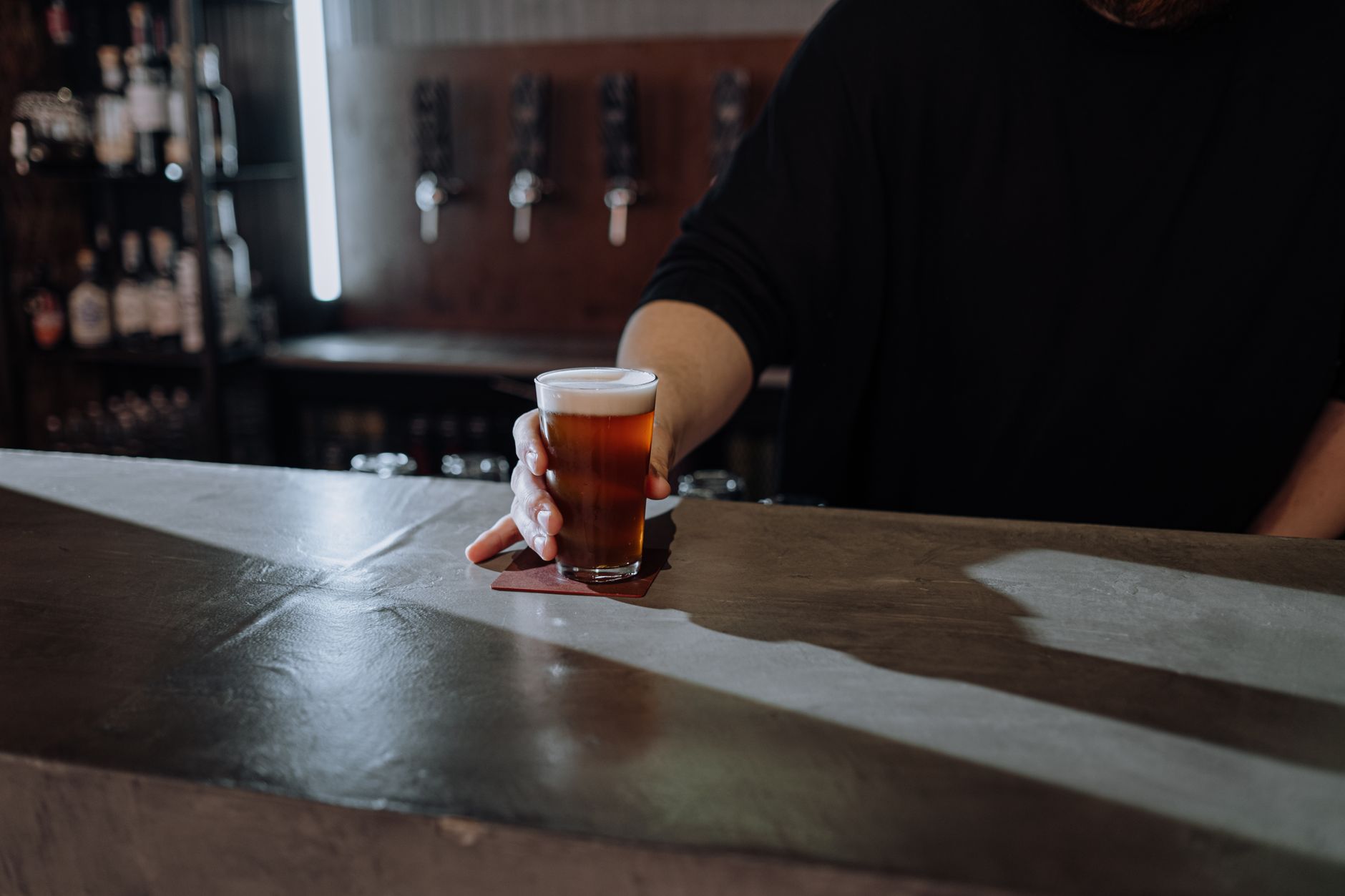
Pilsner is a style of pale lager that originated in the Czech Republic, renowned for its crisp, refreshing taste and golden hue. This guide will explore the meaning of pilsner, its history, flavor profiles, and how it has evolved over time, allowing you to make informed decisions when selecting or brewing this popular beer.
Understanding the characteristics of pilsner can enhance your appreciation of this beer option, whether you are enjoying it with a meal, at a casual gathering, or during a special occasion. This article provides a comprehensive view of what pilsner is all about.
What Does Pilsner Mean?
Pilsner refers to a specific type of pale lager that is produced using bottom-fermenting yeast. The name derives from the city of Pilsen (Plzeň) in the Czech Republic, where the style was first brewed in the mid-19th century. With its distinct flavor and brewing process, pilsner quickly gained acclaim worldwide. Its defining traits include a vibrant golden color, a crisp, clean taste, and a moderate hop bitterness, making it widely popular among beer enthusiasts.
The History of Pilsner
The origins of pilsner date back to 1842 when a new brewing method was introduced in Pilsen. The Bavarian brewer Josef Groll created the first pilsner beer—a golden lager that differed significantly from the darker ales common at the time. The innovative brewing techniques employed by Groll, such as using pale malt and a specific type of Saaz hops, contributed to the beer’s refreshing flavor profile.
As pilsner gained popularity, it became a benchmark for other breweries. The style spread quickly across Europe and eventually to the United States and beyond. Today, it’s not just the Czech Republic that contributes to the legacy of pilsner; many countries have developed their unique interpretations of this classic beer.
Characteristics of Pilsner
Pilsners are characterized by a well-defined profile that includes the following elements:
- Color: Pilsners typically have a pale golden hue, which can vary slightly based on the brewing methods and ingredients used.
- Aroma: The aroma is often floral and herbal, primarily stemming from the use of Saaz hops, which are known for their delicate, earthy qualities.
- Taste: The flavor profile tends to be crisp and clean, with a slight bitterness that balances the malt sweetness. This makes pilsners refreshing, ideal for warm weather.
- Mouthfeel: Pilsners usually have a light to medium body and a moderate carbonation level, contributing to their drinkability.
Types of Pilsner
While pilsner is often associated with its traditional Czech roots, various styles have developed over the years. Here are some major types:
Czech Pilsner
Czech pilsner is the original style, featuring a well-balanced flavor that includes sweet malt and hop bitterness. It’s known for its full-bodied nature and slightly sweet finish, making it an excellent choice for those new to this beer type.
German Pilsner
German pilsners tend to be drier and hoppier compared to their Czech counterparts. They feature a lighter body and a more pronounced bitterness, which provides a refreshing sharpness. These pilsners often utilize a different hop profile, emphasizing a cleaner finish.
American Pilsner
American pilsners are influenced by both Czech and German styles, typically characterized by a lighter body, less malt sweetness, and a higher hop content. These often have citrus and pine notes, appealing to craft beer enthusiasts seeking bolder flavors.
Brewing Process of Pilsner
The brewing process of pilsner follows several key steps that contribute to its unique attributes:
- Malt Selection: Brewers use pale malts, primarily Pilsner malt, to achieve the desired golden color and sweetness.
- Boiling: The malt is boiled with hops (often Saaz or other aromatic varieties) to extract bitterness and flavor.
- Fermentation: Yeast is added after cooling the wort. This stage typically lasts one to two weeks, during which the beer develops its flavor.
- Lagering: After fermentation, the beer is lagered (stored at low temperatures) for several weeks or months to enhance its crispness.
- Filtration and Packaging: The final step involves filtering the beer for clarity and packaging it for distribution.
Food Pairings with Pilsner
The versatility of pilsner makes it an excellent companion for various dishes. When considering food pairings, think about the following options:
- Seafood: The beer’s crispness complements the delicate flavors of shrimp, scallops, and white fish.
- Grilled Meats: Grilled chicken, pork, or sausages work harmoniously with pilsner’s moderate bitterness.
- Spicy Foods: The refreshing qualities of pilsner can offset the heat of spicy cuisines like Thai or Indian dishes.
- Salads: Light salads topped with vinaigrette dressings pair well, enhancing the fresh taste of both the beer and the greens.
How to Serve Pilsner
When enjoying pilsner, serving it right is essential for enhancing the drinking experience. Here are some tips:
- Glassware: Use a tall, narrow glass, such as a pilsner flute or a weizen glass, to showcase the beer’s color and carbonation.
- Temperature: Pilsners are best served chilled, typically between 38°F and 45°F (3°C to 7°C). Serving at the optimal temperature enhances the flavors and aromas.
- Pouring: When pouring, tilt the glass at a 45-degree angle to minimize froth, then straighten it as you fill to create a slight head. A 1-inch head is ideal for releasing the beer’s aromatic qualities.
Common Mistakes When Enjoying Pilsner
To fully appreciate pilsner, avoid these frequent pitfalls:
- Ignoring the Temperature: Serving pilsner too warm can overshadow its crispness and aroma.
- Using Inappropriate Glassware: Using the wrong glass can inhibit the beer’s aroma and carbonation.
- Poor Food Pairing: Some may mistakenly pair pilsner with heavy or overly rich dishes; instead, focus on lighter, refreshing options.
Brewing Your Own Pilsner
For those interested in brewing their own pilsner, here is a simplified overview of the process:
Ingredients
- Pilsner Malt
- Saaz Hops or your preferred hops
- Lager Yeast
- Water
Basic Brewing Steps
- Mash: Combine the malt with hot water to extract sugars. Maintain a temperature of around 150°F (65°C) for about an hour.
- Boil: Bring the mixture to a boil, adding hops according to taste preferences throughout the boiling process.
- Cooling: After boiling for approximately 60 minutes, cool the wort quickly using a wort chiller.
- Fermentation: Transfer the cooled wort to a fermentation vessel, pitch the yeast, and ferment at cooler temperatures (around 50°F or 10°C) for 1-2 weeks.
- Lagering: Lager the beer for 4-6 weeks at temperatures around 35°F (2°C) to enhance flavor.
- Bottling: Add priming sugar before bottling to carbonate or keg the beer for fresh draught serving.
Pilsner in the Craft Beer Movement
While pilsner has a rich history, it continues to evolve within the craft beer movement. Many craft breweries produce their unique interpretations, experimenting with ingredients and techniques to create exciting new varieties. This innovation has led to a growing interest in pilsner as brewers seek to deepen their craft while also respecting traditional methods.
Final Thoughts on Pilsner
Pilsner holds an esteemed place in the world of beer, cherished for its refreshing qualities and adaptability to different occasions. Whether you are enjoying a classic Czech pilsner or trying a unique craft variation, understanding its meaning and history will enhance your experience.
Explore the versatility of pilsner and consider incorporating it into your next meal or gathering. For a delightful food pairing or alternative beer styles, check out our recipes for Saison Recipe and Hazy IPA Recipe.