
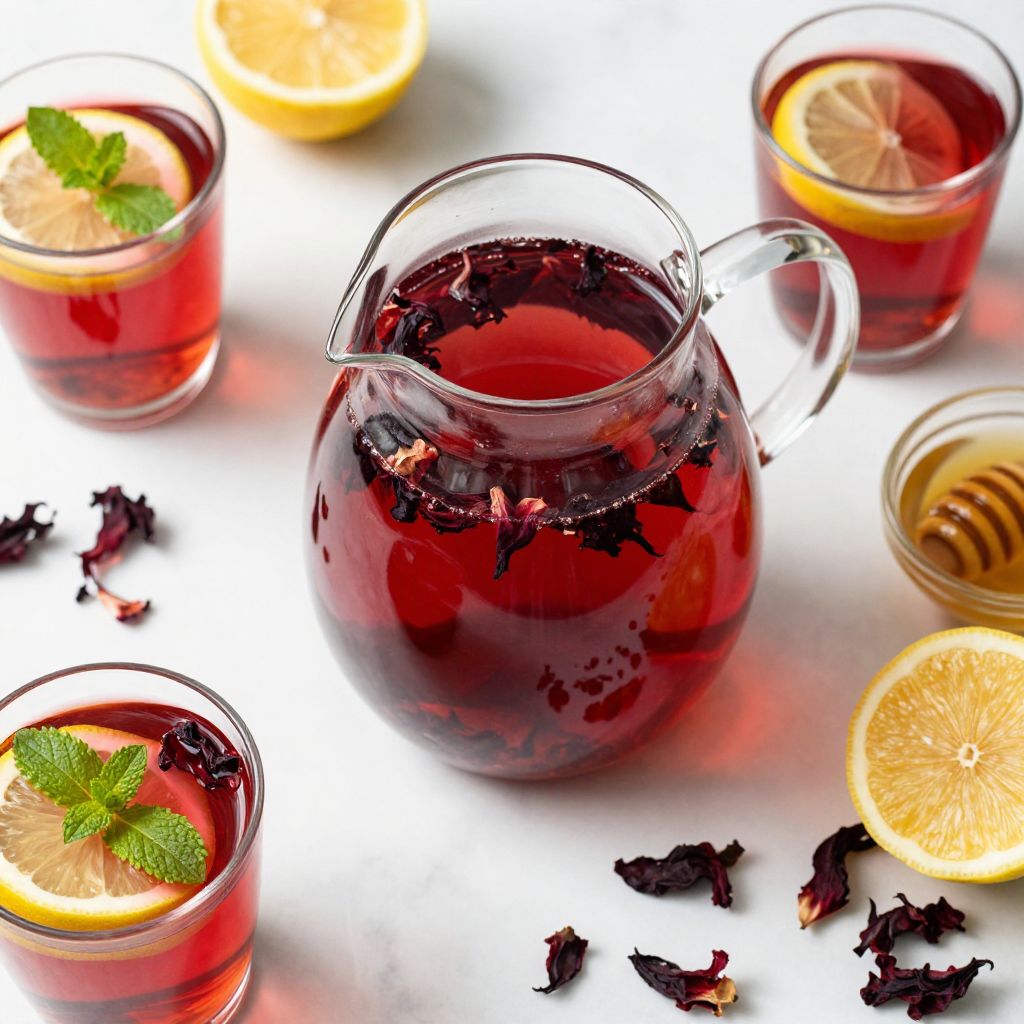
Picture this: a refreshing, tart drink that dances on your taste buds, perfect for sunny days or cozy evenings. The Dried Hibiscus Tea is not just a delightful beverage; it’s a vibrant splash of color and flavor that can brighten up any occasion.
This recipe is a breeze to make and is packed with health benefits, making it a perfect choice for hydration. Enjoy it hot or iced, and let its floral notes and tangy sweetness transport you to a tropical paradise.
Why You’ll Love This Recipe
This recipe stands out for its simplicity and versatility.
- Quick to prepare with minimal ingredients.
- Can be enjoyed hot or cold.
- Rich in antioxidants and vitamin C.
- Perfect for customizing with spices or sweeteners.
- Beautifully vibrant color that impresses guests.
My Experience Making This Recipe
Every time I make Dried Hibiscus Tea, I am reminded of summer picnics and sun-soaked afternoons. The rich, ruby hue and tangy aroma instantly uplift my spirits.
When I served it to friends, their eyes widened at the stunning color, and they couldn’t resist taking sips. The flavor was a hit, leaving everyone asking for more.
Recipe Overview
- Recipe Name: Dried Hibiscus Tea
- Servings: 4
- Prep Time: 5 minutes
- Cook Time: 15 minutes
- Total Time: 20 minutes
- Course: Beverage
- Cuisine: Herbal
- Calories per Serving: 50
Equipment You Will Need
- Medium saucepan
- Measuring cups
- Strainer or fine mesh sieve
- Pitcher or serving container
- Cups for serving
Ingredients for Dried Hibiscus Tea
- Dried hibiscus flowers: 1 cup
- Water: 4 cups
- Sweetener (like honey or sugar): to taste
- Lemon slices: for garnish (optional)
Ingredient Notes and Substitutions
- Dried hibiscus flowers: These are the star of the show, providing that lovely tart flavor. You can substitute with rosehip for a similar flavor.
- Water: Essential for brewing. Filtered water can enhance the taste.
- Sweetener: Adds balance to the tartness. Maple syrup is a great vegan option.
- Lemon slices: They add brightness to the drink. Use lime slices for an interesting twist.
How to Make Dried Hibiscus Tea
Step 1: Boil the Water
Start by bringing 4 cups of water to a rolling boil in a medium saucepan. Boiling the water ensures it reaches the right temperature to properly extract flavors from the hibiscus.
Step 2: Add Dried Hibiscus Flowers
Once boiling, add 1 cup of dried hibiscus flowers to the water. This step is crucial as it allows the flowers to infuse their vibrant color and tart flavor into the tea.
Step 3: Simmer the Mixture
Reduce the heat and let the mixture simmer for 10-15 minutes. Simmering releases the full flavor profile of the hibiscus, creating a rich and fragrant brew.
Step 4: Strain the Tea
Remove the saucepan from heat and strain the tea into a pitcher using a fine mesh sieve. This separates the liquid from the flowers, leaving you with a smooth tea.
Step 5: Sweeten to Taste
Add your preferred sweetener to the strained tea while it’s still warm. This helps the sweetener dissolve easily, balancing the tartness of the hibiscus.
Step 6: Chill or Serve Hot
For iced tea, let the mixture cool to room temperature, then refrigerate. If serving hot, pour it directly into cups.
Step 7: Garnish (Optional)
For a touch of elegance, garnish with lemon slices or fresh mint. This enhances the visual appeal and adds a refreshing hint of flavor.
Step 8: Enjoy!
Take a moment to appreciate the vibrant color and aroma before taking that first sip. Enjoy the refreshing taste of your homemade Dried Hibiscus Tea!
Pro Tip: For a unique twist, try adding a pinch of cinnamon or ginger during simmering for a warm spice note.
Tips for the Best Dried Hibiscus Tea
- Use high-quality dried hibiscus flowers for the best flavor.
- Adjust the sweetness based on your personal preference — start with a little and add more if needed.
- Experiment with different garnishes like mint or lime for added flavor.
- Make a larger batch and store it in the fridge for quick access on hot days.
- Consider using sparkling water instead of still water for a fizzy version.
Common Mistakes to Avoid
- Not simmering long enough — this can result in a weaker flavor.
- Using too much sweetener — it can overpower the natural tartness of the hibiscus.
- Not straining properly — leaving bits of flowers can make the tea gritty.
- Using boiling water directly on flowers — this can scorch the hibiscus and alter the flavor.
Serving Suggestions
This tea pairs beautifully with light dishes and snacks. Enjoy it alongside your favorite treats for a lovely afternoon.
- Fresh fruit salads
- Light sandwiches
- Cheese platters
- Spicy appetizers
- Cookies or pastries
Variations to Try
- Add fresh ginger to the boiling water for a spicy kick.
- Mix in a few mint leaves during the simmering process for a refreshing twist.
- Combine with green tea for a unique flavor profile.
- Infuse with berries like raspberries or strawberries for a fruity version.
- Try a hibiscus lemonade by mixing in fresh lemon juice and more sweetener.
Dietary Adaptations
- Gluten-free: This tea is naturally gluten-free, so enjoy without worry.
- Dairy-free: A perfect choice for those avoiding dairy.
- Vegan/Vegetarian: Use plant-based sweeteners for a vegan version.
- Low-carb/Keto: Use a sugar substitute like erythritol for a low-carb option.
Storage and Reheating
Refrigerator
Store any leftover tea in an airtight container in the fridge. It will stay fresh for up to a week.
- Use a glass or BPA-free plastic container for best results.
- Keep it chilled for refreshing iced tea anytime.
Freezer
For longer storage, freeze the tea in ice cube trays. This is a great way to have concentrated tea on hand.
- Once frozen, transfer cubes to a zip-top bag for easy access.
- Use them to cool down other beverages without diluting flavor.
Reheating
To reheat, simply warm the tea on the stove over low heat. Avoid boiling to retain its flavors.
- Stir occasionally to heat evenly.
- Sweeten again if needed after reheating.
Nutrition Information
| Nutrient | Amount |
|---|---|
| Calories | 50 |
| Total Fat | 0g |
| Saturated Fat | 0g |
| Carbohydrates | 13g |
| Fiber | 0g |
| Sugar | 10g |
| Protein | 0g |
| Sodium | 0mg |
| Cholesterol | 0mg |
This information is an estimate and may vary based on specific ingredients used.
Frequently Asked Questions
Can I use fresh hibiscus flowers instead of dried?
Yes, but you will need to adjust the amount and brewing time as fresh flowers are less concentrated.
How can I make this tea ahead of time?
Simply prepare the tea and store it in the refrigerator for up to a week for quick access.
What if my tea is too tart?
Add more sweetener or try diluting it with water or juice to balance the flavors.
Can I make a larger batch?
Absolutely! Just scale up the ingredients while maintaining the same ratios.
Is this tea kid-friendly?
Yes, just adjust the sweetness to suit their taste preferences.
Final Thoughts
Making Dried Hibiscus Tea is a delightful experience that brings a burst of flavor to your day. I highly encourage you to give it a try and explore the endless variations you can create.
Whether you enjoy it hot or iced, this tea is bound to become a staple in your home. For more refreshing ideas, check out my recipes for cold hibiscus tea and hibiscus lemonade.
Ingredients
Equipment
Method
- Bring 4 cups of water to a rolling boil in a medium saucepan.
- Once boiling, add 1 cup of dried hibiscus flowers to the water.
- Reduce the heat and let the mixture simmer for 10-15 minutes.
- Remove the saucepan from heat and strain the tea into a pitcher using a fine mesh sieve.
- Add your preferred sweetener to the strained tea while it’s still warm.
- For iced tea, let the mixture cool to room temperature, then refrigerate.
- If serving hot, pour it directly into cups.
- Garnish with lemon slices or fresh mint if desired.
- Enjoy your refreshing Dried Hibiscus Tea!