
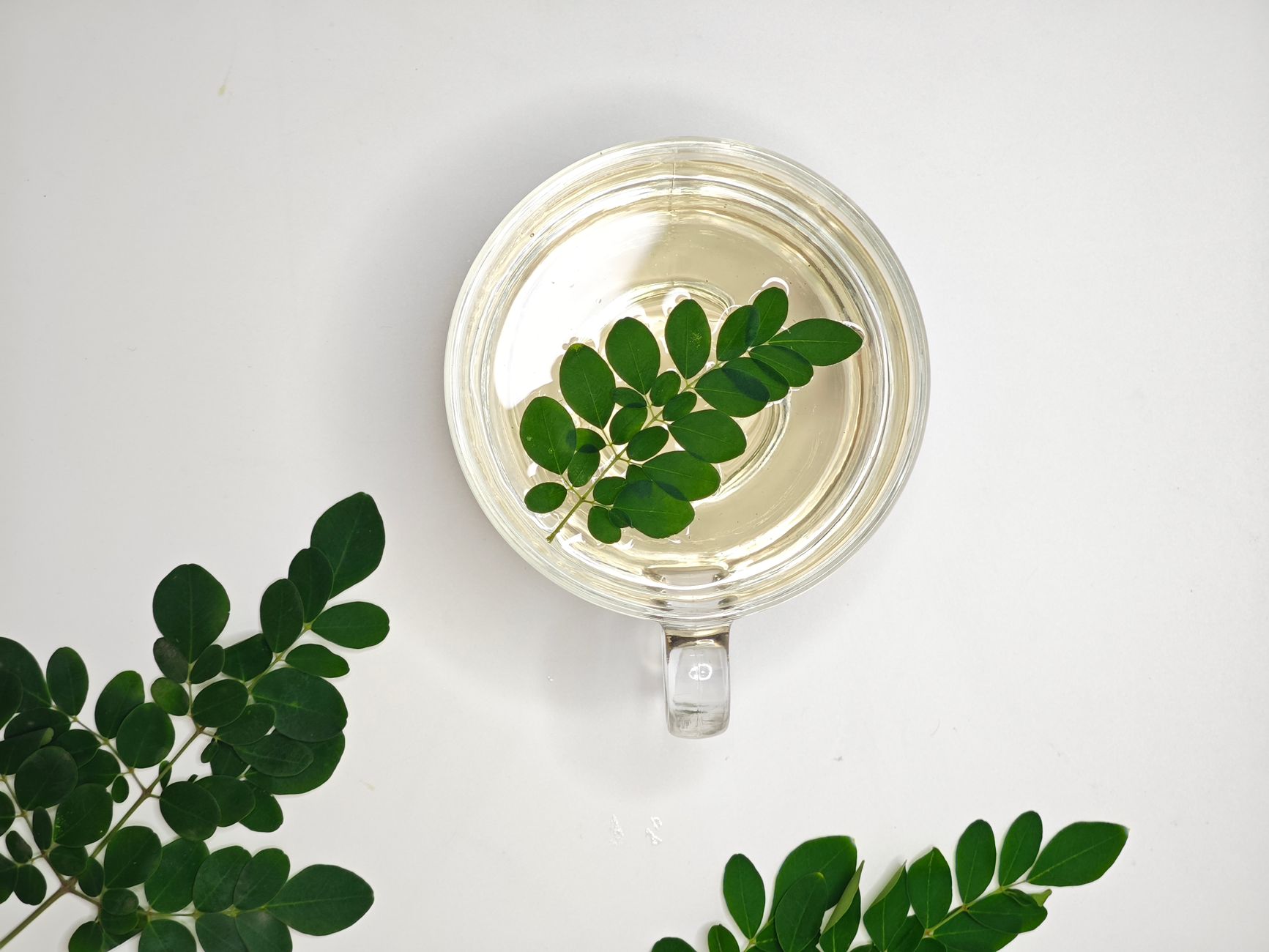
Moringa tea, derived from the leaves of the Moringa oleifera tree, has gained popularity due to its nutrient-rich profile and various health benefits. This article explores the advantages of consuming moringa tea, providing insights into its nutritional elements and how to incorporate it into your daily routine.
Not only is moringa tea a refreshing beverage, but it also boasts a range of potential health benefits. From boosting energy levels to supporting overall wellness, this herbal tea is worth considering as a part of a balanced diet.
What Are The Benefits Of Moringa Tea?
The benefits of moringa tea include improved nutrition, enhanced energy, anti-inflammatory properties, and support for digestive health. Moringa is rich in vitamins, minerals, and antioxidants, making it an excellent addition to a healthy lifestyle.
Nutritional Profile of Moringa Tea
Moringa leaves are dense with nutrients. When brewed into tea, they provide the following essential nutrients:
- Vitamins: High concentrations of Vitamin A, Vitamin C, and several B vitamins, including B2 and B6.
- Minerals: A good source of calcium, potassium, magnesium, and iron.
- Antioxidants: Contains quercetin, chlorogenic acid, and beta-carotene, which help neutralize harmful free radicals in the body.
- Proteins: Despite being brewed in tea form, moringa leaves contain all nine essential amino acids.
Health Benefits of Moringa Tea
1. Rich in Antioxidants
The antioxidants in moringa tea, such as quercetin and chlorogenic acid, combat oxidative stress in the body. This may help reduce the risk of chronic diseases, including heart disease and diabetes. Regular consumption can also enhance skin health and promote a youthful appearance.
2. Anti-Inflammatory Properties
Moringa tea is known for its anti-inflammatory effects, which can be beneficial for those with conditions like arthritis or other inflammatory disorders. Drinking moringa tea may help reduce inflammation and support joint health.
3. Supports Digestive Health
The presence of fiber in moringa leaves aids in digestion. Drinking moringa tea can help promote regular bowel movements and alleviate constipation. Additionally, its anti-inflammatory and antibacterial properties may improve gut health.
4. Enhances Energy Levels
Moringa tea can be an excellent natural energy booster. Its rich vitamin and nutrient profile helps combat fatigue and improve overall mood. The presence of iron also supports healthy blood circulation, which is which influences energy levels.
5. Aids in Blood Sugar Regulation
Preliminary studies suggest that moringa tea may help stabilize blood sugar levels. Compounds found in moringa influence insulin sensitivity and glucose metabolism, making it potentially beneficial for individuals with diabetes.
6. Supports Immune Function
The high levels of Vitamin C and other antioxidants in moringa tea can bolster the immune system. Regularly drinking this tea may help the body ward off infections and promote overall health.
How to Prepare Moringa Tea
Preparing moringa tea is simple, and you can choose between using fresh leaves or moringa powder. Here’s a straightforward recipe for both methods:
Ingredients
- 2 teaspoons of dried moringa leaves or 1 tsp of moringa powder
- 1 cup of hot water
- Optional: honey, lemon, or other natural flavorings
Method
- Boil water in a kettle or pot, ensuring it reaches a temperature of about 175°F (80°C) to avoid scalding the leaves.
- If using dried leaves, place them in a tea infuser or directly in the cup. If using powder, add it to the cup.
- Pour hot water over the moringa and let it steep for 5 to 7 minutes for optimal flavor.
- Remove the infuser or strain the tea to remove any leaf particles.
- Add honey or lemon if desired, and enjoy your cup of moringa tea!
Types of Moringa Tea
Moringa tea comes in several types, each offering distinct flavors and benefits. Here are a few popular variations:
1. Moringa Leaf Tea
Brewing with fresh or dried moringa leaves results in a light, grassy flavor. This traditional form of moringa tea is rich in all the properties of the leaves and is often used for digestive health and increased energy.
2. Moringa Powder Tea
Moringa powder is made from ground moringa leaves and can be added directly to hot water. This type may have a more robust taste than leaf tea and retains most of the nutritional benefits.
3. Moringa Blend Teas
Mixing moringa with other herbal teas or flavors like ginger or lemon can create enjoyable variations. These blends may enhance the taste and provide additional health benefits, such as improved digestion from ginger.
4. Moringa Green Tea
Combining moringa with green tea offers a boost of antioxidants. This blend can provide enhanced health benefits and a unique flavor profile, with the slight bitterness of green tea complementing the earthy taste of moringa.
Practical Tips for Brewing Moringa Tea
Choosing Quality Moringa
When selecting moringa, opt for organic sources to avoid pesticides. Look for vibrant green leaves, whether dried or powdered, which indicate freshness and nutrient density.
Dosage Recommendations
Start with one cup a day and gradually increase to two to three cups, depending on your personal tolerance and health goals. Those who are pregnant or have existing health conditions should consult a healthcare professional before incorporating moringa into their diet.
Storing Moringa
Store dried moringa leaves or powder in an airtight container in a cool, dark place. Proper storage can help retain the nutrients and flavor for several months.
Common Mistakes When Brewing Moringa Tea
A few common pitfalls can affect the overall experience of drinking moringa tea:
- Using water that is too hot: Boiling water can scald the leaves, resulting in a bitter taste. Aim for a temperature of around 175°F for the best flavor.
- Oversteeping the tea: Allowing moringa to steep for too long can lead to astringency. Stick to the recommended steeping time.
- Not straining adequately: If using loose leaves, ensure you strain the tea completely to avoid an unpleasant texture and flavor.
Making Moringa Tea Part of Your Daily Routine
Integrating moringa tea into your daily routine doesn’t have to be complex. Here are some practical ideas:
- Start your morning with a cup of moringa tea instead of coffee for a gentle energy boost.
- Incorporate moringa tea into your afternoon routine as a refreshing pick-me-up.
- Experiment with iced moringa tea by brewing a stronger batch and chilling it, adding flavors like mint or citrus.
Conclusion
Moringa tea is a versatile and nutrient-rich herbal tea that can support overall health and well-being. Its numerous benefits range from antioxidant properties to immune support. By incorporating moringa tea into your diet, you can enjoy a refreshing beverage while taking steps towards a healthier lifestyle. Start experimenting with different types of moringa tea and find the blend that best suits your palate and health goals. Consider exploring related recipes for lymphatic drainage tea or ginger lemon honey tea to add variety to your beverage collection.
For more ideas, check out our lymphatic drainage tea recipe and discover how to make a refreshing ginger lemon honey tea. Enjoy your journey to wellness with these delicious teas!