
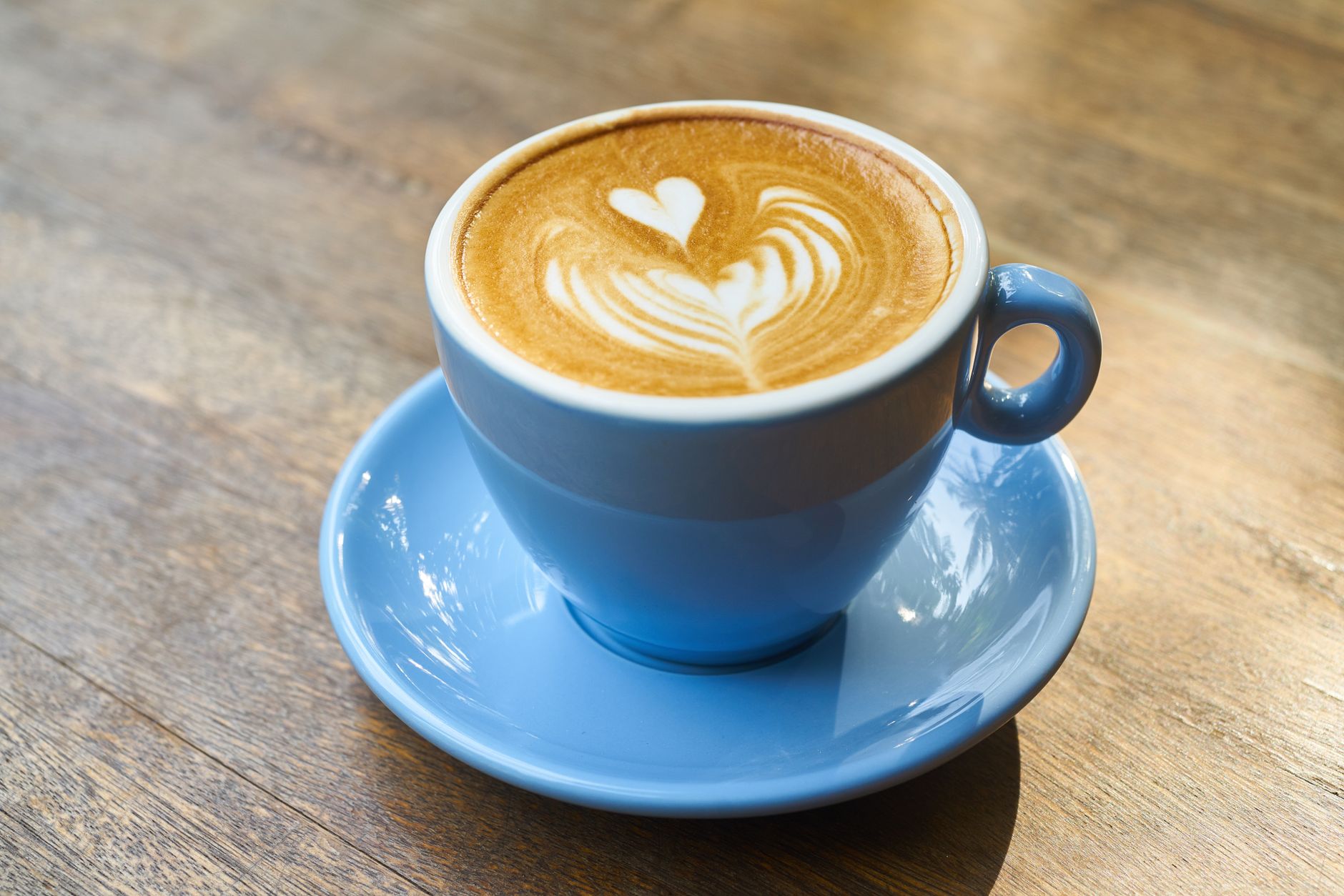
Coffee is one of the most popular beverages worldwide, prized for its rich flavor and energizing effects. However, with so many varieties, brewing methods, and preparation styles, it can be challenging to determine what is the best coffee to drink. Whether you prefer a bold espresso or a mellow cold brew, understanding the nuances of coffee can enhance your enjoyment of this beloved beverage.
In this article, we will explore different types of coffee, their flavor profiles, brewing methods, and tips for selecting the best coffee to suit your palate. From beans to brew, we will cover essential information to help you make informed choices about your coffee consumption.
What Is The Best Coffee To Drink?
The best coffee to drink ultimately depends on personal preference. Factors such as flavor, aroma, caffeine content, and brewing methods play important roles in determining an individual’s ideal cup of coffee. Some popular options include single-origin coffee, blends, flavored coffee, and specialty brews, each offering unique tasting experiences.
Understanding Coffee Types
Before we dive into brewing methods and flavors, it’s essential to understand the primary types of coffee beans available. The two most common coffee bean types are Arabica and Robusta.
Arabica Beans
- Flavor: Generally sweeter and more complex
- Aroma: Floral and fruity notes
- Caffeine: Lower caffeine content than Robusta
- Common Uses: Specialty coffees and premium blends
Robusta Beans
- Flavor: Stronger, bitter taste with earthy undertones
- Aroma: Less fragrant than Arabica
- Caffeine: Higher caffeine content
- Common Uses: Espresso blends and budget coffees
Arabica beans are often considered superior due to their flavor complexity, while Robusta beans are enjoyed for their boldness and higher caffeine levels. Understanding these basics can guide you in your coffee selection.
Flavor Profiles of Coffee
One of the joys of drinking coffee is exploring the range of flavors it offers. The flavor profile of coffee can be influenced by various factors, including the region where it’s grown, how it’s processed, and how it’s brewed.
Geographical Influences
Different coffee-growing regions produce beans with distinct flavor characteristics:
- Latin America: Often bright and fruity, with nutty or chocolatey undertones.
- Africa: Known for floral or fruity flavors, often with a wine-like acidity.
- Asia: Typically earthy, spicy, and full-bodied, with lower acidity.
Processing Methods
The way coffee beans are processed can also affect their flavor:
- Washed (Wet) Process: Produces cleaner, brighter flavors.
- Natural (Dry) Process: Results in fruitier, sweeter tastes.
- Honey Process: Offers a balance of sweetness and acidity.
Brewing Methods: Finding Your Perfect Cup
After selecting your beans, the brewing method plays a significant role in achieving the best coffee. Different techniques can enhance specific flavors and aromas.
Pour-Over
This popular method offers control over the brewing process, allowing you to adjust variables like water temperature and brew time. A pour-over coffee tends to have a clean, bright flavor profile.
- Equipment Needed: Pour-over dripper, filter, kettle, and coffee grinder.
- Steps:
- Boil water to about 200°F (93°C).
- Place the filter in the dripper and add ground coffee (about 1 tablespoon per 6 ounces of water).
- Pour a small amount of water to wet the grounds and allow blooming (30 seconds).
- Slowly pour the remaining water in a circular motion over the coffee grounds.
- Allow the coffee to drip through the filter before removing.
French Press
The French press allows for full-bodied coffee extraction, retaining the coffee’s oils and flavors. It’s a simple yet effective method, especially for those who enjoy robust coffee.
- Equipment Needed: French press and coffee grinder.
- Steps:
- Coarsely grind coffee beans (about 1 tablespoon per 4 ounces of water).
- Boil water and let it cool for a minute.
- Add coffee grounds to the French press and pour in hot water.
- Stir gently and let steep for 4 minutes.
- Plunge down the filter and pour into a mug.
Espresso
Espresso is a concentrated coffee brewed by forcing hot water through finely-ground coffee. It serves as the base for many coffee drinks, including lattes and cappuccinos.
- Equipment Needed: Espresso machine or stovetop Moka pot.
- Steps:
- Finely grind coffee beans for espresso.
- Pack the coffee into the portafilter and tamp evenly.
- Lock the portafilter in place and start brewing.
- It should take around 25-30 seconds to extract a shot of espresso.
Choosing the Right Coffee for Your Taste
Selecting the best coffee to drink means understanding your preferences regarding flavor, strength, and brewing methods. There are several ways to approach this decision.
Explore Different Roasts
Coffee roasts significantly impact the flavor profile. Here are the main roast types:
- Light Roast: Retains most of the bean’s original flavors and is often more acidic.
- Medium Roast: Balances acidity and body, with sweeter flavors developing.
- Dark Roast: Produces bold, smoky flavors, often with diminished acidity.
Test Various Brewing Techniques
Try brewing coffee through different methods, as this can change the experience entirely. Whether opting for a French press, pour-over, or espresso, each method influences your cup.
Consider Specialty Coffees
Specialty coffees can provide unique flavors and characteristics. Many roasters curate limited releases based on unique origins, processing methods, and even varietals. This exploration can lead you to discover what truly resonates with your palate.
Popular Coffee Beverages to Try
While exploring your ideal coffee, consider trying these popular coffee beverages:
- Latte: Espresso with steamed milk, resulting in a creamy texture.
- Cappuccino: Equal parts espresso, steamed milk, and frothed milk, creating a frothy drink.
- Americano: Espresso diluted with hot water, providing a milder coffee experience.
- Cold Brew: Coarsely-ground coffee steeped in cold water for an extended period, producing a smooth and refreshing taste.
Making Coffee at Home: Tips and Tricks
Preparing coffee at home can be a rewarding experience. Here are some tips to help you enhance your coffee-making skills:
Freshness Matters
Use freshly roasted beans for the best flavor. Purchase from local roasters or reputable sources. Grinding the beans just before brewing also ensures optimal freshness.
Measure and Experiment
Experiment with different coffee-to-water ratios until you find your preferred strength. A general guideline is about 1 to 2 tablespoons of coffee per 6 ounces of water; adjust based on taste.
Invest in Good Equipment
Your brewing equipment plays a significant role in the quality of your coffee. Invest in a good grinder and a brewing method that suits your preference, whether it’s a French press, pour-over, or espresso machine.
Common Coffee Mistakes to Avoid
Even experienced coffee drinkers can make mistakes. Here are some common pitfalls to avoid:
Using Stale Beans
Using coffee beans that have been sitting around for too long can lead to a dull flavor. Always choose fresh beans, ideally within two weeks of roasting.
Incorrect Water Temperature
Water that is too hot can scorch the coffee, while water that is too cool can under-extract it. Aim for a temperature of around 195°F to 205°F (90°C to 96°C) for optimal extraction.
Over-Extracting or Under-Extracting
Pay attention to brew times. Over-extraction can result in bitterness, while under-extraction leads to sour flavors. Adjust your brew time based on the method and desired strength.
Storing Coffee for Long-lasting Freshness
Storing coffee beans properly can help maintain their freshness. Here are some guidelines:
Use an Airtight Container
Store your coffee in an airtight container in a cool, dark place to protect it from light, heat, and air intrusion.
Avoid the Fridge or Freezer
While it’s common to store coffee in the fridge or freezer, these environments can introduce moisture, which degrades quality. Instead, find a consistent storage location.
Exploring Unique Coffee Recipes
If you’re feeling adventurous, consider trying out unique coffee recipes. Two exciting options include:
Blueberry Coffee
Blueberry coffee enhances your regular brew with the sweet and tart flavor of blueberries, adding a refreshing twist to your morning rituals.
Matcha Coffee
Combining matcha with coffee delivers a unique blend of earthy matcha flavor and the rich aroma of coffee, offering a delightful alternative caffeine source.
Final Thoughts on Finding Your Best Coffee
Finding the best coffee to drink is a personal journey that involves exploration and experimentation. By considering flavor profiles, trying different brewing techniques, and understanding the brewing process, you’ll be able to refine your preferences.
Whether you are a casual drinker or a devoted coffee enthusiast, there’s a world of flavors and methods to explore. Equip yourself with knowledge, sample various options, and savor each cup as you uncover what truly resonates with your taste.
For more coffee inspiration, consider trying your hand at a blueberry coffee recipe or exploring the unique combination of matcha coffee. These blends offer delicious ways to enjoy your next cup!