
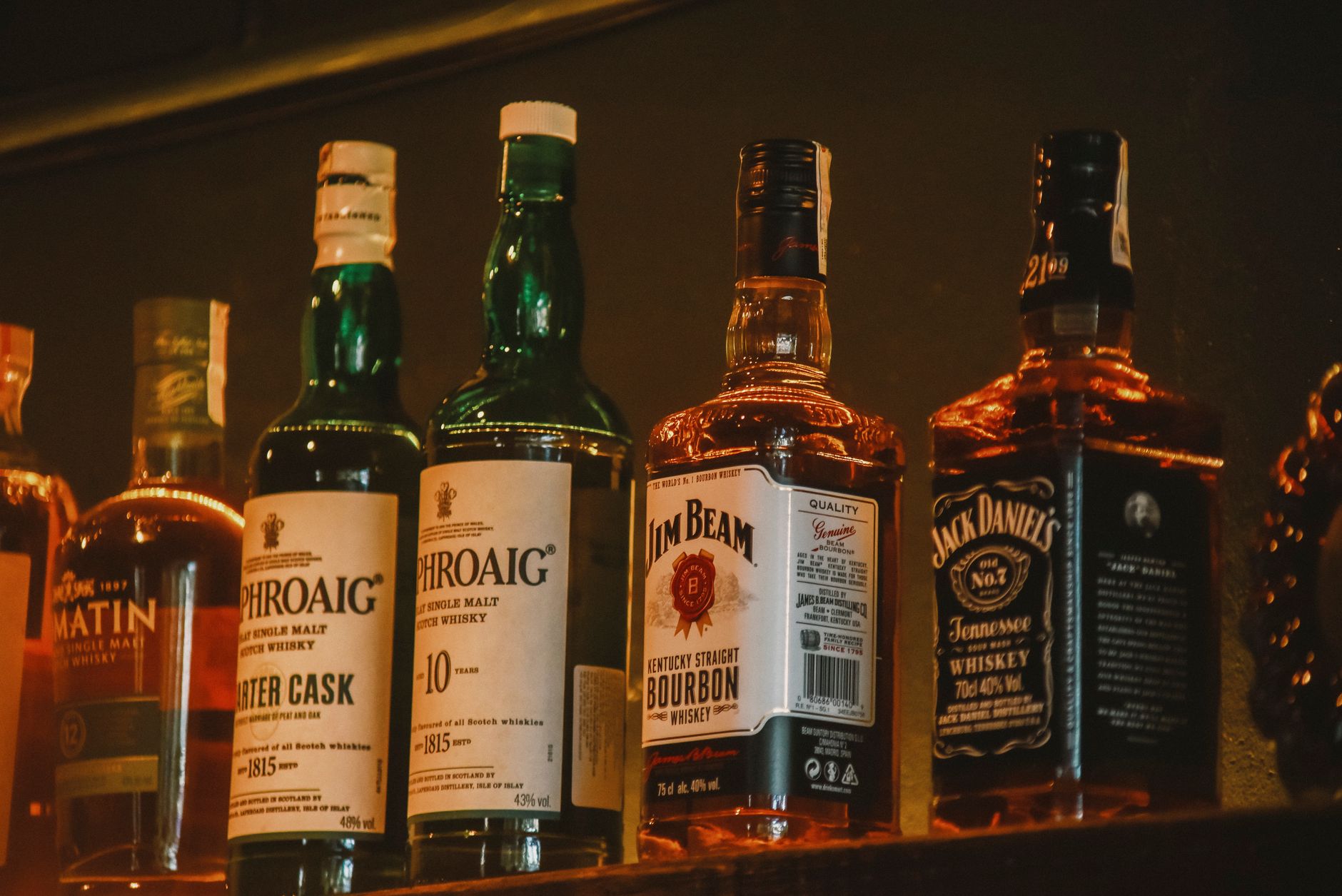
Bourbon, a distinct American whiskey known for its rich flavor profile, is a popular choice for cocktails and sipping alike. Understanding how long bourbon lasts can enhance your enjoyment and prevent waste, especially if you’ve opened a bottle for special occasions but want to savor it over time.
This article delves into the lifespan of bourbon, exploring factors that influence its shelf life, how to properly store it, and tips for enjoying it at its best. Whether you’re a bourbon enthusiast or a casual drinker, knowing these details can elevate your experience.
How Long Is Bourbon Good For?
Bourbon, when stored properly, does not spoil in the same way perishable foods do. An unopened bottle can last indefinitely, while an opened bottle maintains its best quality for approximately 1 to 2 years. Changes in flavor and aroma can occur over time due to oxidation, light, and temperature fluctuations.
Factors Influencing Bourbon Lifespan
Several factors can influence how long bourbon stays good and retains its intended flavor profile:
- Sealing: Unopened bottles are sealed tightly, which helps prevent oxidation and evaporation. Once opened, the exposure to air can lead to gradual changes in flavor.
- Storage Conditions: Temperature, light exposure, and humidity can significantly affect bourbon. Extreme temperatures or direct sunlight can degrade its quality.
- Alcohol Content: Since bourbon contains a high alcohol content (typically around 40-50% ABV), it is more stable than lower alcohol beverages, extending its shelf life.
- Bottle Size: Smaller bottles may oxidize faster than larger ones, as they allow for a higher ratio of air to liquid, accelerating changes in flavor.
Storing Bourbon: Best Practices
Proper storage of bourbon is essential for maximizing its lifespan and flavor. Here are key considerations:
- Keep It Upright: Unlike wines, bourbon should be stored upright to prevent the cork from becoming saturated with liquid, which can lead to spoilage and cork taint.
- Avoid Temperature Fluctuations: Store bourbon in a cool, dark place with a consistent temperature. Ideal storage temperatures are between 60°F and 70°F (15°C – 21°C).
- Limit Light Exposure: Keep bottles away from direct sunlight or bright artificial lights, which can breakdown the quality of the bourbon over time.
- Seal Tightly: After pouring, make sure the cap is on tightly to minimize air exposure, which helps maintain flavor.
Signs That Bourbon Has Gone Bad
While bourbon does not spoil in the traditional sense, its flavor profile can change over time. Here are signs that your bourbon may not be at its best:
- Odor Changes: If you notice a sour or off smell, it may signal degradation. Fresh bourbon should have a sweet, oaky aroma.
- Flavor Deterioration: Taste the bourbon. If it tastes flat or lacks its usual robustness, it may be past its prime.
- Color Changes: While some color change is normal due to aging, if the bourbon appears significantly lighter or darker, it may indicate spoilage.
How to Enhance Your Bourbon Experience
Even with an opened bottle, you can enhance your bourbon enjoyment while it lasts:
- Try Different Cocktails: Experiment with classic bourbon cocktails to enjoy its versatility, such as a Manhattan or a Bourbon Sour.
- Sipping Techniques: Serve bourbon at room temperature or slightly chilled over ice to enhance flavor. Consider using a whiskey tumbler to fully appreciate the aromas.
- Mix with Complementary Flavors: Bourbon pairs well with ingredients like cherries, citrus, and spices. Try mixing with these flavors to create delightful drinks.
Common Bourbon Mistakes and How to Avoid Them
Ensuring that you get the best out of your bourbon involves avoiding common mistakes:
- Storing near Heat Sources: Keep bourbon away from the stove, dishwasher, or any appliances that generate heat, which can negatively impact its integrity.
- Leftover Opened Bottles: Don’t keep opened bottles for too long. Aim to consume them within 1 to 2 years to enjoy optimum flavor.
- Mixing Too Much: While cocktails are delicious, overmixing premium bourbons in aggressive cocktails may mask its complexity. Choose simple recipes to highlight the bourbon’s flavor.
What to Do with Old Bourbon
If you have bourbon that has aged past its preferred drinking time, consider these alternatives:
- Cooking and Baking: Use bourbon in marinades, sauces, or desserts like bourbon pecan pie to enhance flavors.
- Bourbon Infusions: Infuse old bourbon with fruits or spices to create unique spirits that can be used in cocktails.
- Homemade Extracts: Create homemade vanilla or other extracts by soaking vanilla beans or other flavorings in the bourbon.
Bourbon and Its Health Considerations
While enjoying bourbon in moderation is key, understanding its implications on health is also essential. Here are some points to consider:
- Alcohol and Health: Moderate drinking has been associated with certain health benefits, but excessive consumption can lead to various health issues.
- Personal Preferences: Some individuals may have dietary restrictions regarding alcohol consumption. Always drink responsibly and consult a healthcare professional if necessary.
Conclusion
Bourbon is a versatile and enjoyable spirit that, if stored properly, can bring pleasure for years to come. While unopened bottles can last indefinitely, opened ones should ideally be consumed within 1 to 2 years to appreciate their flavors fully. By following proper storage methods, avoiding common mistakes, and considering creative uses for older bourbon, you can enhance your overall bourbon experience.
Whether you’re looking for cocktail inspiration or guidance on specific bourbon-related techniques, explore related recipes or cooking tips to complement your journey into the world of bourbon. Discover the classic Manhattan cocktail or whip up a tasty Bourbon Sour for your next gathering.