
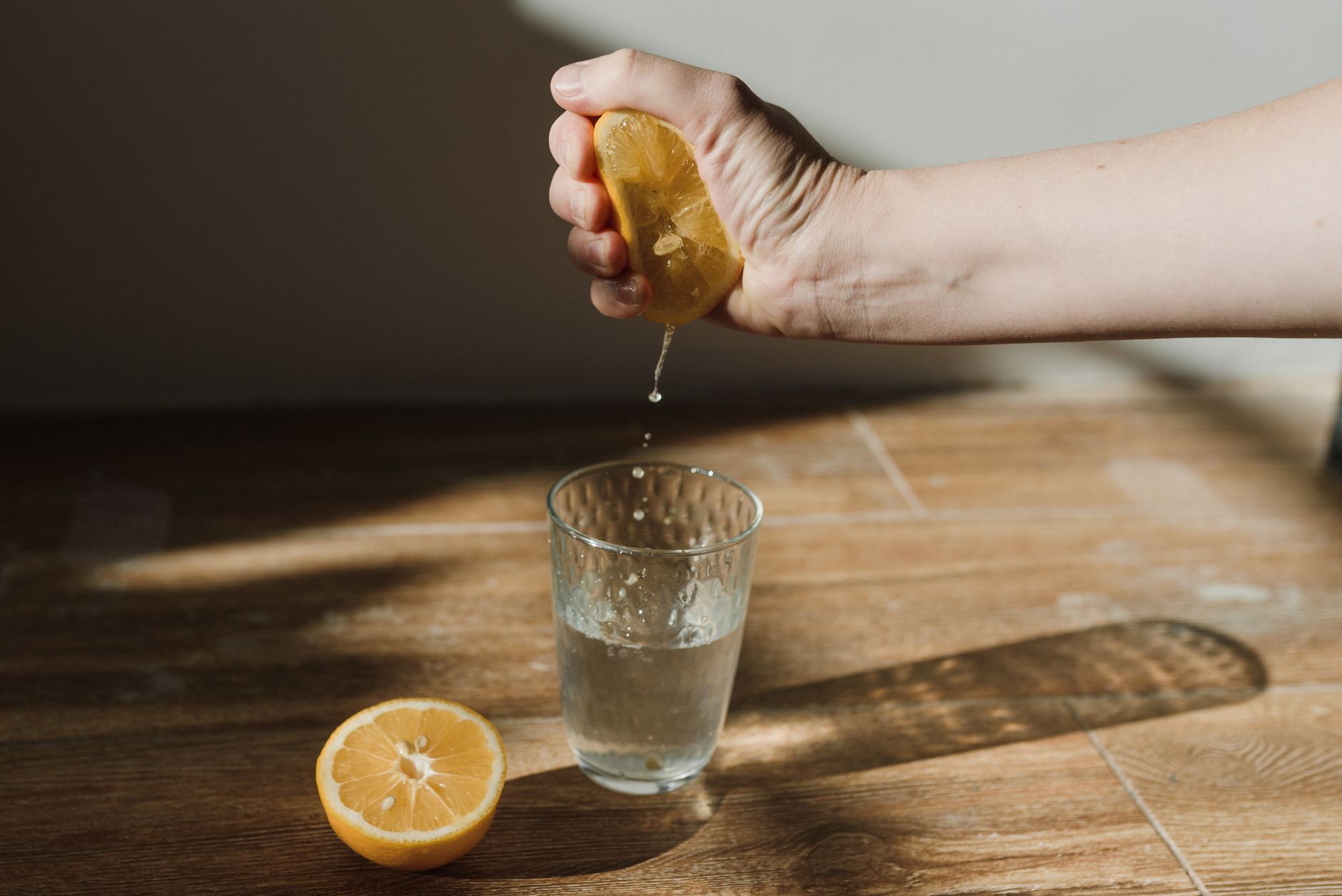
Lemons are a versatile ingredient in many kitchens, known for their bright, zesty flavor and ability to enhance both sweet and savory dishes. Knowing how much juice can be extracted from one lemon is essential for recipes, cooking techniques, and meal planning. This article delves into the details of lemon juice yield, providing insights and practical advice for cooks and bakers alike.
This guide will cover everything you need to know about the quantity of juice in a lemon, the factors that affect it, practical measurements, and how to incorporate lemon juice into your recipes efficiently. Understanding these details ensures that you get the most out of this vibrant citrus fruit.
How Much Is A Juice Of One Lemon?
The amount of juice in one lemon typically ranges from 2 to 3 tablespoons, depending on its size and ripeness. This amount can vary due to several factors including the lemon variety, how the lemon is prepared, and its freshness.
Below, we explore these factors in detail to help you better estimate how much lemon juice you can expect to yield when using this zesty ingredient in your culinary endeavors.
Factors Affecting Lemon Juice Yield
Understanding what influences the amount of juice extracted from a lemon can help you make better choices in the kitchen. Here are the main factors to consider:
1. Size of the Lemon
Different lemons come in various sizes. Typically, a medium lemon yields about 2 tablespoons of juice, while a larger lemon can provide closer to 3 tablespoons. It’s wise to keep the size of your lemons in mind when following recipes that specify juice requirements.
2. Freshness of the Lemon
Fresh lemons yield more juice than those that are older or stored for extended periods. As lemons age, they may dry out, resulting in lesser juice production. Always choose fresh lemons for optimal yield.
3. Variety of the Lemon
Common types of lemons include Eureka, Lisbon, and Meyer lemons. Among these, Meyer lemons are generally sweeter and slightly less acidic, which may affect your decision based on the flavor profile you desire. They typically yield a similar amount of juice, but the flavor notes can differ significantly.
4. Preparation Method
The way you prepare the lemon before juicing can also impact yield. Certain techniques can help you extract more juice efficiently:
- Rolling the lemon on a hard surface to break down the internal structure.
- Microwaving the lemon for approximately 10 to 20 seconds, which helps soften the lemon, making it easier to extract juice.
- Cutting the lemon horizontally, as opposed to vertically, to maximize juice extraction from each half.
How to Juice a Lemon Effectively
Now that you understand the factors influencing the yield, let’s explore effective methods for juicing a lemon. Each method can produce excellent results, so you may choose based on your preferences and available tools.
1. Hand Juicing
Using your hands is one of the simplest methods to juice a lemon without requiring any special equipment.
- Roll the lemon on a hard surface to loosen the juice.
- Cut the lemon in half.
- Hold one half over a bowl, cut side facing down, and squeeze it firmly to release the juice.
- Using a fork, you can twist it into the pulp to extract even more liquid.
2. Using a Manual Juicer
A handheld manual juicer (also known as a citrus press) can help you extract juice more effectively.
- Cut the lemon in half.
- Place one half, cut side down, into the juicer’s concave part.
- Press down the handle and twist to extract juice. The juicer will catch the seeds and pulp.
3. Electric Juicer
If you frequently use lemon juice, an electric juicer may be worth the investment, as it can save time and effort.
- Cut the lemon in half.
- Press each half onto the juicing cone.
- The machine will do the work of extracting juice while separating seeds and pulp.
4. Zesting Before Juicing
You may wish to zest the lemon before juicing to add additional flavor to your dishes. Just be cautious to zest only the yellow outer layer, avoiding the bitter white pith.
- Use a microplane or a zester to remove the yellow rind.
- Juice the lemon as described in previous methods.
How to Store Lemon Juice
If you’ve juiced more lemons than you need for a recipe, storing leftover lemon juice properly helps to retain its freshness and flavor. Here are some effective storage methods:
- Refrigeration: Transfer the juice to a sealed container and store it in the refrigerator, where it will last for about 3 to 5 days.
- Freezing: For longer storage, freeze lemon juice in ice cube trays. Once frozen, transfer the cubes to a resealable plastic bag, and they can be used for future recipes. Frozen lemon juice can last up to 6 months.
- Concentration: If you often find yourself needing lemon juice, consider creating a concentrated lemon juice mixture to add to dishes, which you can store in jars in the refrigerator or freezer.
Using Lemon Juice in Your Cooking and Baking
Lemon juice is more than a simple garnish; it can enhance flavor, provide acidity, and even act as a natural preservative. Here are several practical applications for lemon juice in your cooking and baking:
1. Flavor Enhancement
Lemon juice brightens up soups, sauces, and salad dressings. Adding a splash of lemon juice can elevate even the simplest of dishes, giving them an invigorating twist.
2. Baking
In baking, lemon juice can be used to balance sweetness in recipes, particularly in cakes and pastries. It can also help activate baking soda, providing lift to cakes and cookies.
3. Marinades
Use lemon juice as a tenderizing ingredient in marinades for chicken, fish, or vegetables. The acidity helps break down proteins, resulting in more flavorful and tender meat.
4. Preserving Colors
To prevent browning in sliced apples, avocados, or bananas, drizzle them with lemon juice. The citric acid acts as a natural preservative, keeping fruits fresh and colorful.
Substitutes for Lemon Juice
If you find yourself without fresh lemons, there are solid substitutes you can use in recipes. Each option provides a different flavor profile, so consider the context of your dish:
- Lime Juice: A direct substitute with a similar tartness, lime juice works particularly well in savory recipes and drinks.
- Vinegar: White wine vinegar or apple cider vinegar can mimic acidity in dressings and marinades; use about half the amount of lemon juice called for.
- Citric Acid: A concentrated alternative, citric acid can be used in powdered form, about 1/2 to 1 teaspoon replacing each tablespoon of lemon juice.
- Commercial Lemon Juice: Bottled lemon juice offers convenience but often lacks the freshness of fresh lemons. Use sparingly, adjusting quantities according to taste.
Common Mistakes When Juicing a Lemon
While juicing lemons seems straightforward, there are pitfalls that can lead to less-than-ideal results. Here’s how to avoid these common mistakes:
1. Not Using Fresh Lemons
Always opt for fresh lemons when possible. Old lemons may yield little juice and can have a less vibrant flavor.
2. Overcomplicating the Process
Some cooks may make juicing more complicated than necessary. Stick to simple methods and tools that suit your need, from hand squeezing to using a juicer.
3. Forgetting to Roll the Lemon
Rolling your lemon before cutting helps to break down the segments inside, maximizing the amount of juice you can extract.
4. Not Straining the Juice
To ensure a smooth texture, consider straining the juice if you prefer it pulp-free, especially for cocktails or dressings.
Conclusion
Understanding how much juice you can expect from a lemon is crucial for effective cooking and baking. Typically yielding 2 to 3 tablespoons, the amount can be influenced by size, freshness, and variety. By employing proper juicing techniques and knowing how to store and substitute lemon juice in your recipes, you’re well-equipped to add that refreshing zing to your culinary creations.
For delicious ways to utilize lemon, consider making homemade lemonade syrup or experimenting with a classic lemonade stand recipe for a refreshing treat. Happy cooking!