
There’s something magical about squeezing fresh lemons on a hot summer day, watching the juice catch the sunlight as it drips into a pitcher. A classic lemonade stand recipe is more than just a drink; it’s a memory waiting to happen, whether you’re running your first neighborhood stand or serving refreshing glasses to friends at a backyard party.
This recipe is special because it strikes the perfect balance between tart and sweet, using fresh lemon juice rather than bottled concentrate for authentic flavor. You’ll love how simple the ingredients are, yet how impressive the results taste when you nail the ratios and technique.
Why You’ll Love This Recipe
This lemonade hits every note you want from a summer drink: refreshing, customizable, and absolutely delicious with minimal effort.
- Only four basic ingredients create pure, clean lemonade flavor
- Ready in under 10 minutes from start to first sip
- Perfect for hot days, parties, or your own backyard stand
- Endlessly customizable with fresh herbs, berries, or spices
- Teaches kids the basics of running a small business
My Experience Making This Recipe
I started making this recipe as a kid, and my version has evolved over the years as I learned what separates good lemonade from great lemonade. The biggest breakthrough came when I realized that cold water matters as much as the lemon juice, and that simple syrup dissolves instantly while granulated sugar sits gritty at the bottom.
The first time I served this at a summer gathering, guests literally asked if I’d bought it from a fancy cafe. That reaction stuck with me because it proved that homemade lemonade, when made with intention, beats anything you can grab premade.
My kids now run their own lemonade stand using this exact recipe, and watching them learn to juice lemons, mix the ratios, and connect with customers has been a highlight of every summer. They’ve even started experimenting with variations, which tells me they understand that this recipe is a foundation, not a rigid rulebook.
Recipe Overview
- Recipe Name: Classic Lemonade Stand Lemonade
- Servings: 8
- Prep Time: 10 minutes
- Cook Time: 0 minutes
- Total Time: 10 minutes
- Course: Beverage
- Cuisine: American
- Calories per Serving: 45
Equipment You Will Need
- Cutting board
- Sharp chef’s knife
- Manual citrus juicer or electric juicer
- Large pitcher (2-quart minimum)
- Measuring cups and spoons
- Wooden spoon for stirring
- Fine mesh strainer
- Glasses for serving
Ingredients for Classic Lemonade Stand Lemonade
- Fresh lemons: 8 medium lemons (about 1.5 cups juice)
- Simple syrup: 0.75 cup (made from equal parts sugar and water)
- Cold water: 6 cups
- Sea salt: 1/4 teaspoon
- Ice cubes for serving
Ingredient Notes and Substitutions
- Fresh lemons: Fresh juice gives bright, authentic flavor that concentrate cannot match. If fresh lemons aren’t available, use 1.5 cups bottled fresh lemon juice as a backup, though the taste won’t be quite as vibrant.
- Simple syrup: This dissolves instantly into cold water, creating perfectly smooth lemonade without grittiness. You can use 0.75 cup granulated sugar if you’re in a rush, but stir thoroughly and wait a few minutes for it to dissolve.
- Cold water: Cold water keeps the lemonade refreshing and prevents dilution from excessive melting ice. Filtered or spring water tastes cleaner than tap water if your tap water is heavily chlorinated.
- Sea salt: A tiny pinch of salt amplifies lemon flavor and balances sweetness without making the drink taste salty. Regular table salt works fine if sea salt isn’t on hand.
How to Make Classic Lemonade Stand Lemonade
Step 1: Prepare Your Lemons
Wash all eight lemons under cool running water and gently roll them on the counter, pressing down lightly with your palm. This rolling action softens the flesh inside and makes juice extraction significantly easier and faster.
Step 2: Make Simple Syrup
In a small saucepan, combine 0.375 cup sugar with 0.375 cup water over medium-high heat. Stir constantly until the sugar dissolves completely, which takes about two minutes; once the mixture looks clear, remove it from heat and let it cool for five minutes.
Step 3: Juice Your Lemons
Cut each lemon in half and juice them using a manual juicer, electric juicer, or even a fork if you’re at a lemonade stand without fancy equipment. Aim for about 1.5 cups of juice total, though you can use slightly more or less depending on how tart you like your lemonade.
Step 4: Strain the Juice
Pour the fresh lemon juice through a fine mesh strainer into your pitcher, pressing gently on any remaining pulp to extract maximum juice. This step removes seeds and pulp, creating smooth, refined lemonade that feels polished rather than rustic.
Step 5: Add the Simple Syrup
Pour the cooled simple syrup into the pitcher with the strained lemon juice. Stir well to combine the two, which takes about 30 seconds of gentle stirring.
Step 6: Add Cold Water
Pour six cups of cold water into the pitcher with the lemon juice and syrup mixture. Stir everything together for about one minute to ensure all ingredients are fully combined and the flavors are evenly distributed.
Step 7: Season with Salt
Add a quarter teaspoon of sea salt and stir for another 30 seconds. The salt seems like an unusual ingredient, yet it rounds out the flavor and makes the lemon taste more lemony without adding saltiness.
Step 8: Chill and Taste
Refrigerate the lemonade for at least 30 minutes before serving, or serve immediately over ice if you’re running a stand and customers are waiting. Taste a sample and adjust sweetness or tartness by adding a bit more water if too sweet, or a squeeze of fresh lemon if too mild.
Pro Tip: Make simple syrup the night before and store it in a jar in your refrigerator; this lets you mix lemonade in minutes when you need it on hot days.
Tips for the Best Classic Lemonade Stand Lemonade
- Use room temperature lemon juice for easier mixing, then add the cold water last to keep everything refreshing. Cold lemon juice can feel dense and separate from other ingredients.
- Roll lemons firmly before cutting to break down interior membranes and release more juice per fruit. This simple step can increase your yield by 20 percent.
- Taste the lemonade before serving and adjust the ratios to your preference; some people want tart, others sweet. Keep simple syrup and lemon juice on hand to tweak flavors instantly.
- Serve lemonade in clear glasses filled with ice so customers can see the appealing color and quality. Visual presentation matters more than you’d think at a lemonade stand.
- Keep the pitcher in a cooler with ice packs underneath to maintain temperature all day. This prevents the drink from becoming watered down as ice melts into the pitcher.
- Make a large batch in the morning and store it in the refrigerator for up to three days, which works perfectly for a weekend stand. This saves you from squeezing lemons repeatedly throughout the day.
Common Mistakes to Avoid
- Using bottled lemon juice from the green plastic bottle instead of fresh lemons creates a chemical-tasting drink that tastes nothing like real lemonade. The difference is night and day, and real lemon juice only takes a few extra minutes.
- Adding too much sugar upfront before tasting leads to overly sweet lemonade that tastes like juice instead of lemonade. Always taste before fully committing to sweetness levels.
- Skipping the fine mesh strainer leaves seeds and pulp floating in your pitcher, which looks unprofessional at a stand. Two seconds of straining prevents complaints and improves the experience significantly.
- Using warm water instead of cold water creates diluted lemonade that tastes thin and lacks refreshment. Cold water is essential to the experience.
- Forgetting the salt entirely results in lemonade that tastes one-dimensional and slightly flat. This tiny ingredient makes a surprising difference in how balanced the drink feels.
Serving Suggestions
Serve lemonade ice-cold in tall glasses, ideally with fresh lemon wheels and mint sprigs for garnish. Pair it with warm summer foods like grilled chicken, fresh salads, or light sandwiches for the perfect refreshing contrast.
- Serve alongside grilled burgers and hot dogs at a backyard cookout
- Pair with light salads and fresh fruit for a summer lunch
- Offer at children’s birthday parties or outdoor gatherings
- Serve with lemon bars, shortbread cookies, or light desserts
- Mix into cocktails for adults at evening garden parties
Variations to Try
- Strawberry Lemonade: Blend one pound of fresh strawberries and strain through cheesecloth, then add to the basic lemonade for a beautiful pink color and subtle berry sweetness that complements the tartness.
- Mint Lemonade: Add ten to fifteen fresh mint leaves to the pitcher and let them steep for 15 minutes, then remove them before serving. Mint adds refreshing herbal notes that make the drink feel more sophisticated.
- Ginger Lemonade: Steep a two-inch piece of sliced fresh ginger in the simple syrup while it cools, which infuses warm spice notes. Strain out the ginger before adding the syrup to your pitcher.
- Sparkling Lemonade: Replace half the cold water with sparkling water or club soda, added just before serving. This creates a lightly fizzy drink that feels fancy and celebratory without extra effort.
- Lavender Lemonade: Add one tablespoon of dried culinary lavender to the simple syrup while cooking, then strain it out before mixing with lemon juice. Lavender brings floral notes that feel elegant and special.
Dietary Adaptations
- Gluten-free: This recipe is naturally gluten-free as written since it contains only lemons, water, sugar, and salt. No changes needed for gluten-free diets.
- Dairy-free: This recipe is already completely dairy-free with no animal products of any kind. It works perfectly for vegan and dairy-free lifestyles as is.
- Vegan: The recipe is fully vegan since it uses only plant-based ingredients; no substitutions required.
- Low-carb/Keto: Replace simple syrup with a keto-friendly sweetener like erythritol or monk fruit at the same measurement ratio. This reduces carbs significantly with minimal taste difference, though some people detect a slight aftertaste from sugar alcohols.
- Reduced sugar: Cut the simple syrup to half a cup and add extra water to maintain volume while lowering overall sugar content. You’ll get a more tart lemonade, so taste and adjust sweetness as needed.
Storage and Reheating
Refrigerator
Store lemonade in an airtight pitcher or container in the refrigerator for up to three days. The flavor stays bright and fresh throughout this time period.
- Keep it covered to prevent absorption of refrigerator odors
- Stir before serving if any separation occurred
- Add fresh ice cubes each time you pour a glass
Freezer
You can freeze lemonade in ice cube trays for later use, though it’s not ideal since freezing dilutes the flavor slightly. Use frozen lemonade cubes in water or smoothies rather than trying to serve them as lemonade.
- Freeze in ice cube trays for individual portions
- Transfer cubes to freezer bags after they’re solid
- Use within two months for best flavor
Reheating
Lemonade is a cold beverage that doesn’t require reheating, though you can gently warm a small batch in a saucepan over low heat if you want to serve it warm. Most people prefer lemonade served ice-cold straight from the refrigerator.
- Serve directly from the refrigerator over ice
- Never boil lemonade or heat it above 120 degrees
- If warming, do so gently over low heat and stir occasionally
Nutrition Information
| Nutrient | Amount |
|---|---|
| Calories | 45 |
| Total Fat | 0g |
| Saturated Fat | 0g |
| Carbohydrates | 12g |
| Fiber | 0g |
| Sugar | 11g |
| Protein | 0g |
| Sodium | 65mg |
| Cholesterol | 0mg |
These values are approximate and based on standard ingredients; actual nutrition will vary based on specific brands and measurements used in your kitchen.
Frequently Asked Questions
Can I use bottled lemon juice instead of fresh lemons?
You can technically use bottled juice, but the flavor won’t be nearly as bright or fresh as homemade lemonade. Fresh lemon juice takes only ten minutes and makes an enormous difference in the final taste.
How much lemonade does this recipe make?
This recipe makes eight servings, or about two quarts total, which is perfect for a small lemonade stand or a family gathering. Double the recipe if you’re expecting a larger crowd.
Can I make this lemonade ahead of time?
Yes, you can make it up to three days in advance and store it in the refrigerator in an airtight container. Make simple syrup the night before so you can assemble lemonade in minutes when you need it.
Why is my lemonade cloudy instead of clear?
Cloudiness happens when you skip the straining step, leaving lemon pulp and juice particles suspended in the drink. Use a fine mesh strainer to remove all solids for clear, polished lemonade.
What’s the best way to store lemonade for a full day at an outdoor stand?
Keep the lemonade in a large cooler with ice packs underneath the pitcher to maintain temperature all day without melting ice into the drink. Use a ladle or spoon to serve from the pitcher so you’re not constantly opening the cooler.
Can kids help make this lemonade?
Absolutely, this recipe is perfect for teaching kids how to juice lemons, measure ingredients, and run a simple business. They can handle rolling lemons, measuring water, and stirring, with adult supervision for using the juicer.
Final Thoughts
Making lemonade from scratch connects you to a simpler time, and this recipe gives you all the knowledge you need to nail it every single time. There’s real joy in serving something you created with your own hands, watching people’s faces light up when they taste how good it is.
Set up your stand, perfect your ratios, and get ready to become the neighborhood lemonade legend. Your future customers are waiting, and this recipe is your secret weapon.
Want to explore more refreshing drink recipes? Check out our strawberry lemonade concentrate recipe for a ready-made base that saves time, or try our lemonade syrup recipe for creating flavored versions without extra fuss.
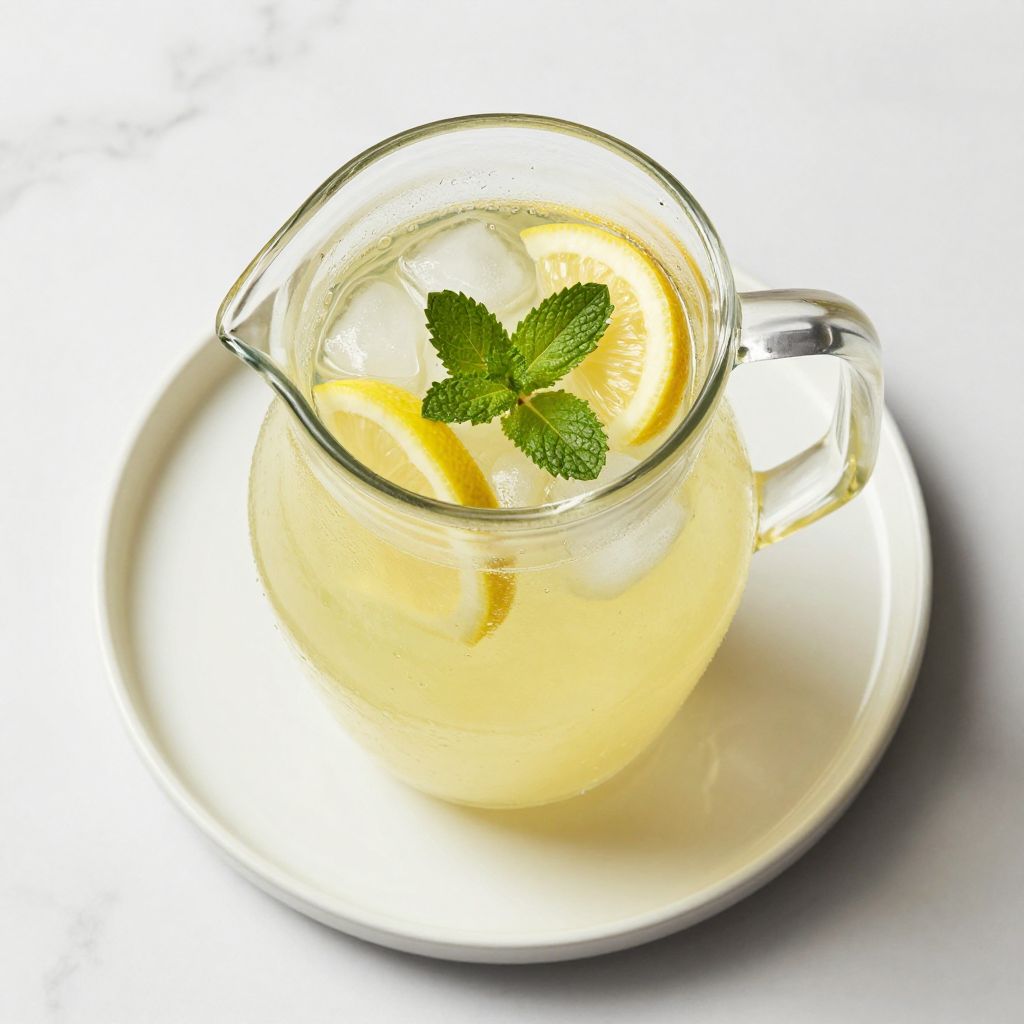
Classic Lemonade Stand Lemonade
Ingredients
Equipment
Method
- Wash all eight lemons under cool running water and gently roll them on the counter to soften before cutting.
- In a small saucepan, combine 0.375 cup sugar with 0.375 cup water over medium-high heat and stir until the sugar dissolves, about 2 minutes, then remove from heat and let cool for 5 minutes.
- Cut each lemon in half and juice them using your preferred juicer or a fork, aiming for about 1.5 cups of juice total.
- Strain the fresh lemon juice through a fine mesh strainer into the pitcher, pressing on the pulp to extract maximum juice and remove seeds.
- Pour the cooled simple syrup into the pitcher with the strained lemon juice and stir gently for about 30 seconds to combine.
- Add six cups of cold water to the pitcher and stir for 1 minute to fully incorporate the ingredients.
- Add 1/4 teaspoon of sea salt and stir for an additional 30 seconds to balance the flavors.
- Chill the lemonade in the refrigerator for at least 30 minutes before serving, or serve immediately over ice and adjust sweetness or tartness to taste.