
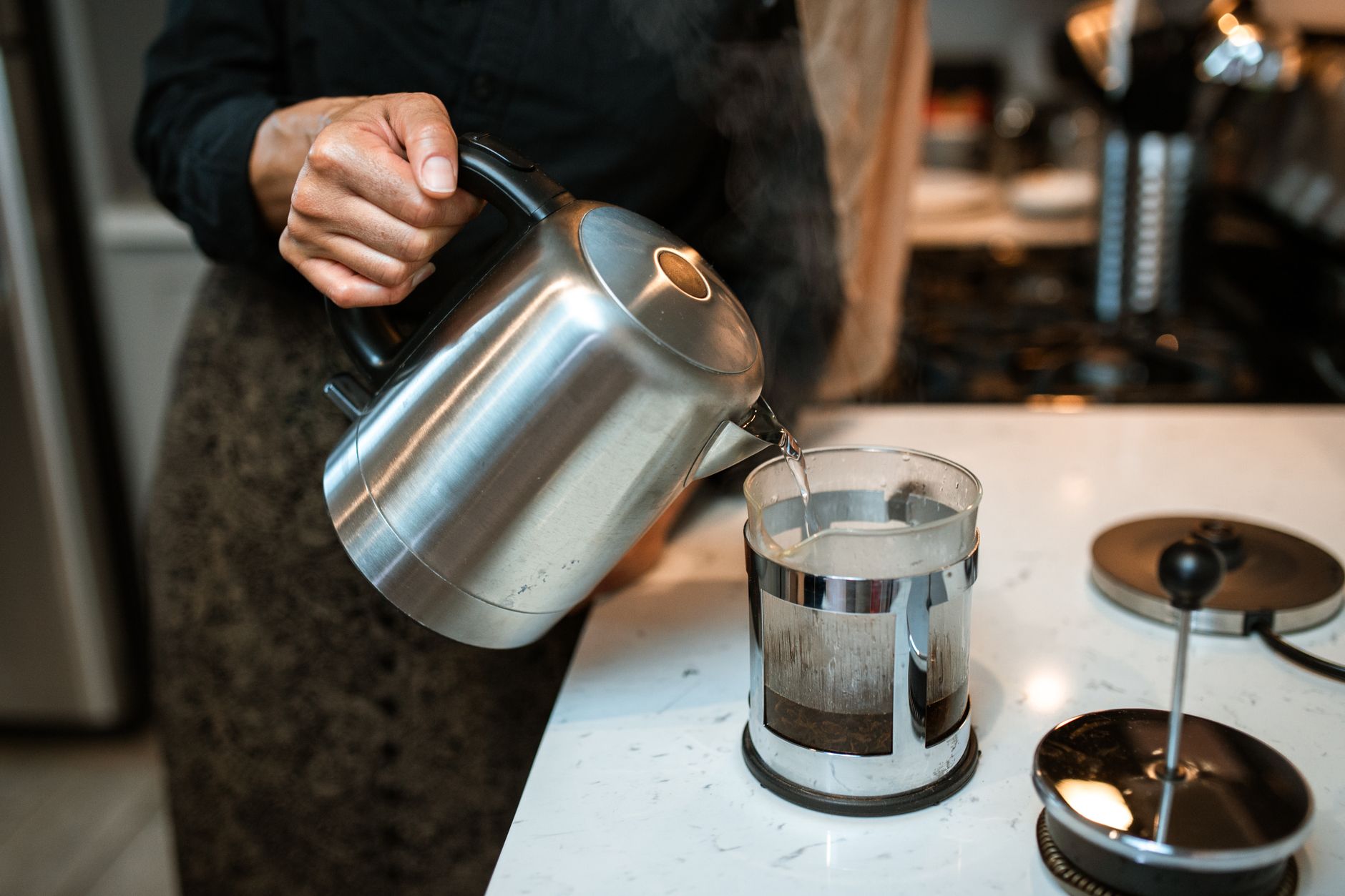
The French press, also known as a press pot or plunger pot, is an iconic brewing method for coffee lovers around the world. French press coffee is known for its rich flavor and full-bodied texture, making it a popular choice among coffee enthusiasts. One crucial aspect of brewing the perfect cup of French press coffee is understanding the optimal water temperature, which can significantly impact the extraction process and the overall flavor profile of your brew.
This article will address the ideal water temperature for French press coffee, explain how it affects the brewing process, and provide helpful tips and techniques for achieving the best results. Whether you’re a seasoned barista or a casual coffee drinker, mastering this technique will take your French press game to the next level.
What Temperature Water for French Press?
The ideal water temperature for brewing French press coffee is between 195°F to 205°F (90°C to 96°C). This temperature range allows for optimal extraction of flavors while avoiding bitterness and over-extraction, producing a balanced and enjoyable cup.
Using water at this temperature ensures that the coffee grounds release their oils and flavors effectively, resulting in a rich and full-bodied brew. Water that is too cold will lead to under-extraction, resulting in a weak and watery coffee, while water that is too hot may cause over-extraction, yielding a bitter taste. Temperature control is crucial to achieving the best flavor from your coffee beans.
Why Water Temperature Matters
Water temperature plays a vital role in coffee brewing because it directly influences the extraction of flavors from the coffee grounds. Here’s a closer look at how temperature affects the brewing process:
1. Under-Extraction
Brewing at temperatures lower than 195°F can lead to under-extraction, making the coffee taste sour, weak, or lacking depth. When water is too cool, the essential oils, acids, and sugars in the coffee grounds do not dissolve properly, resulting in a bland cup.
2. Over-Extraction
On the other hand, water temperature above 205°F can cause over-extraction. This occurs when too many compounds are pulled from the coffee grounds, including unwanted bitterness and astringency. The result can be an unpleasant and off-putting flavor that overshadows the intended characteristics of the coffee.
3. Optimal Extraction
The sweet spot lies within the 195°F to 205°F range, where the balance between sweet, bitter, and acidic flavors aligns to create a harmonious cup of coffee. This temperature range allows for a thorough extraction of desirable compounds while minimizing the chances of bitterness.
How to Achieve the Right Water Temperature
There are various methods to achieve the ideal water temperature for your French press coffee. Here’s a detailed guide to help you reach that sweet spot with ease:
1. Temperature Check with a Thermometer
The most foolproof way to measure water temperature is to use a food or coffee thermometer. Simply heat your water to just below boiling, around 200°F, and then let it cool for about 30 seconds. This will bring the temperature down to the ideal brewing range. Thermometers can offer precise readings, ensuring consistent results.
2. The Boil and Cool Method
- Boil water using a kettle or pot.
- Once it reaches a rolling boil, remove it from heat.
- Let the water sit for about 30 seconds to 1 minute, depending on your stovetop, to reach approximately 200°F.
This method is straightforward and easy to remember.
3. Kettle with Temperature Control
Investing in an electric kettle with temperature control can simplify this process further. Many modern kettles have settings for specific temperatures, allowing you to heat the water to exactly the temperature you desire without guesswork.
4. Visual Cues
If you don’t have a thermometer or specialized kettle, you can rely on visual cues to determine if the water is at the right temperature. When the water starts to produce small bubbles at the bottom and steam rises without reaching a full boil, it’s typically in the optimal range for brewing.
Steps to Brew French Press Coffee
Now that you know the ideal water temperature, here’s a step-by-step guide to brewing French press coffee:
- Ingredients:
- Coarsely ground coffee (1 to 2 tablespoons per 6 ounces of water)
- Hot water (195°F to 205°F)
- Essential Equipment:
- French press
- Coffee grinder (if using whole beans)
- Coffee scale (optional)
- Thermometer (if needed)
- Stirring utensil (non-metal)
- Begin by heating the water to the desired temperature (195°F to 205°F).
- Measure the coffee beans. For optimal flavor, use a coffee-to-water ratio of 1:15 to 1:17 (for example, 30g of coffee to 450ml of water).
- Grind the coffee beans to a coarse consistency. Aim for a texture similar to sea salt, as finer grinds may lead to over-extraction.
- Add the ground coffee to the French press.
- Pour the hot water slowly over the coffee grounds, ensuring all grounds are saturated.
- Stir gently with a non-metal utensil to mix. This helps enhance extraction.
- Place the lid on the French press with the plunger pulled all the way up. Allow the coffee to steep for 4 minutes.
- After 4 minutes, slowly press the plunger down to separate the coffee grounds from the brewed coffee.
- Serve immediately to enjoy the best flavor and aroma.
- Clean your French press thoroughly to maintain its longevity and performance.
Common Mistakes and Troubleshooting
Even with the best intentions, mistakes can happen when brewing coffee. Here are some common pitfalls and how to avoid them:
1. Incorrect Grind Size
Using a grind size that is too fine can lead to a bitter, sludgy coffee because the grounds can escape through the filter mesh. Always opt for a coarse grind to achieve a pleasant brew.
2. Oversteeping Coffee
Steeping the coffee for too long can result in over-extraction and unwanted bitterness. Stick to a 4-minute steep time to avoid this issue.
3. Inconsistent Temperature
Allowing the water temperature to fluctuate during brewing can lead to inconsistent extraction. Ensure you maintain the ideal temperature for the best results, whether by preheating your French press or brewing immediately after heating your water.
4. Not Cleaning the French Press
Failure to clean your French press regularly can lead to a buildup of coffee oils, resulting in off-flavors and bitterness in your brew. Make a habit of rinsing and cleaning your French press after each use.
Personalizing Your French Press Experience
Once you’ve mastered the basics, you can start experimenting with different variables to personalize your French press brewing. Here are some variations and substitutions to consider:
1. Coffee Beans
The flavor of your French press coffee depends heavily on the type of beans used. Experiment with different coffee origins to discover flavors you enjoy, such as fruity, nutty, or chocolate notes.
2. Brewing Time
Try adjusting the brewing time to see how it affects the flavor. Shortening the steep time may yield a brighter and lighter coffee, while lengthening it could deepen the boldness.
3. Coffee-to-Water Ratio
While the general guideline is 1:15 to 1:17, feel free to adjust this ratio to suit your taste. Adding more coffee will result in a stronger brew, while less coffee may create a milder cup.
4. Infusions
You can add spices like cinnamon or cardamom to the grounds before brewing for a unique twist. Some even infuse their French presses with additional flavors like vanilla or cocoa, enhancing the overall experience.
Conclusion
Mastering the water temperature for your French press coffee is key to elevating your brewing skills and truly enjoying the rich flavors this brewing method has to offer. By following the guidelines provided, you can ensure that your coffee is well-balanced and delightful in every cup. Experimentation will help you find the perfect balance that suits your taste preferences.
Next time you brew, pay close attention to the water temperature and actively refine your technique. Don’t hesitate to explore various coffee beans, steeping times, and infusion options to create your ideal cup of French press coffee. If you’re interested in exploring related coffee methods, check out our guide on French Press Cold Brew or learn more about making coffee with a Moka Pot.