
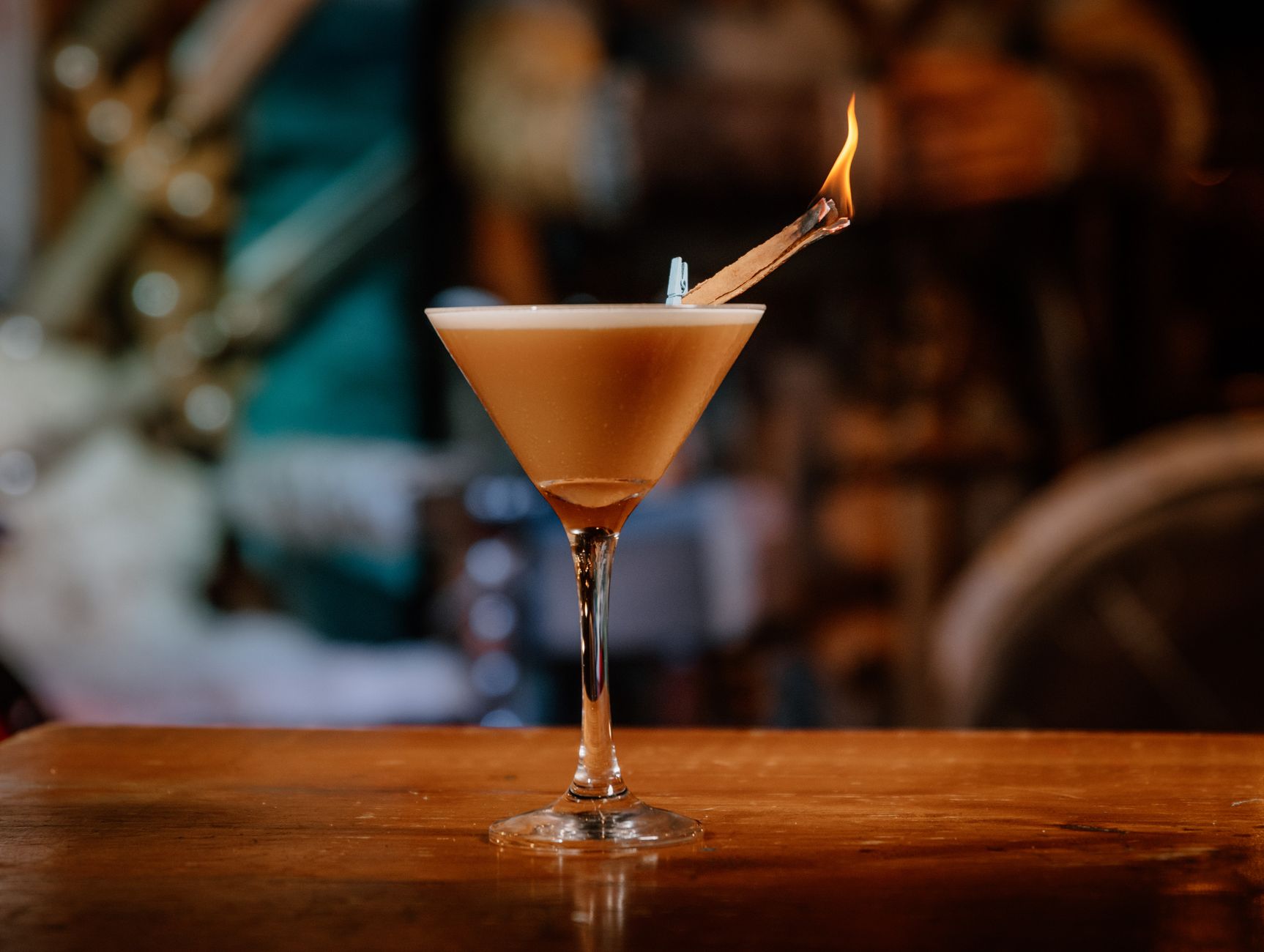
When it comes to cooking with alcohol, understanding its flammability is crucial. The proof of an alcoholic beverage indicates its alcohol content, which directly affects its flammability. Knowing this can help ensure safety in the kitchen when using alcohol in recipes.
In this article, we will delve into the specifics of alcohol proof, when alcohol becomes flammable, and how to safely incorporate it into your cooking. Whether you’re flambéing a dessert or using alcohol in marinades, grasping these concepts can elevate your culinary skills while ensuring a safe cooking environment.
At What Proof Is Alcohol Flammable?
Alcohol generally becomes flammable at around 100 proof, which equates to roughly 50% alcohol by volume (ABV). At this concentration, alcohol can ignite when exposed to an open flame or high heat. However, it’s important to recognize that lower-proof alcohols can also catch fire under certain conditions, especially when heated closely to their ignition points.
For reference, here are some common alcohols and their approximate proof levels:
- Beer: 4-6% ABV (8-12 proof)
- Wine: 12-15% ABV (24-30 proof)
- Fortified wine (like sherry or port): 15-20% ABV (30-40 proof)
- Spirits (vodka, gin, rum): 40% ABV (80 proof)
- High-proof spirits (e.g., Everclear): 60-95% ABV (120-190 proof)
The Science Behind Flammability
To understand why alcohol is flammable, we need to examine its chemical properties. Alcohols, particularly ethanol, vaporize easily and release flammable vapors. At higher temperatures, these vapors can ignite and create a fire hazard. The flash point, the lowest temperature at which vapors can ignite, varies based on the type of alcohol:
- Ethanol: Flash point around 55°F (13°C)
- Isopropyl alcohol: Flash point around 53°F (12°C)
When cooking with alcohol, it’s essential to heat it in a well-ventilated area and always keep a safe distance from open flames or hot surfaces.
Cooking with Alcohol: Techniques and Tips
Using alcohol in cooking can enhance flavors and add complexity to dishes. Here are some popular techniques and tips for incorporating alcohol into your recipes safely:
1. Flambéing
Flambéing involves igniting alcohol to impart flavor and create dramatic presentation. This technique is often used in desserts like bananas foster or savory dishes like coq au vin. Here’s how to flambé properly:
- Choose a high-proof alcohol (at least 100 proof) for flambéing.
- Heat the dish until hot but not boiling to avoid excessive splashing.
- Add the alcohol to the pan while still over heat, then remove the pan from the heat source.
- Carefully ignite the fumes with a long lighter or match. Stand back as the flames will briefly rise.
- Let the flames burn out on their own, or gently shake the pan to extinguish.
2. Deglazing
Deglazing is a technique where you add alcohol to a hot pan after searing meat to dissolve flavorful browned bits. Here’s how to deglaze:
- After cooking your meat, remove it from the pan and pour off excess fat.
- Add a splash of wine, broth, or spirits to the pan while it’s on medium-high heat.
- Scrape the bottom of the pan with a wooden spoon to mix in the browned bits.
- Continue to cook until the liquid reduces to create a rich sauce.
3. Marinades
Alcohol can be an excellent addition to marinades, helping to tenderize meat and add depth of flavor. Use spirits, wine, or beer in marinades and follow these guidelines:
- Combine alcohol with oil, vinegar, and spices to build flavor.
- Marinate the protein for a few hours or overnight based on the type and thickness of the meat.
- Always discard any leftover marinade that has come into contact with raw meat to avoid contamination.
Common Mistakes When Cooking with Alcohol
Even experienced cooks can make missteps when incorporating alcohol into their dishes. Here are some common pitfalls to avoid for safer and more effective cooking:
- Using too low-proof alcohol for flambéing can lead to failed ignitions and unpleasant flavors.
- Failing to heat alcohol properly can result in a harsh taste in the final dish.
- Not allowing enough cooking time for alcohol to evaporate can lead to overly strong flavors.
- Not accounting for the flammability of alcohol near open flames can cause dangerous situations.
Practical Substitutions for Cooking with Alcohol
If you prefer not to use alcohol or need an alternative for certain recipes, there are several effective substitutes depending on the flavor profile you’re aiming for:
Non-Alcoholic Substitutes
- For Wine: Use grape juice, broth, or vinegar diluted with water.
- For Beer: Opt for non-alcoholic beer or a mix of broth with a splash of vinegar.
- For Spirits: Use a mixture of flavored extracts with water to mimic the spirit’s profile.
When substituting, remember to adjust quantities based on the flavor you wish to achieve. Always taste as you go, refining the balance of flavors to your liking.
Storing and Handling Alcohol in the Kitchen
Safeguarding your kitchen when using alcohol is essential. Here are some tips for safe storage and handling:
- Store alcohol in a cool, dark place away from heat sources (stoves, ovens).
- Ensure bottles are tightly sealed to avoid spills and evaporation.
- Keep a fire extinguisher nearby when cooking with high-proof spirits.
- Use clear labeling on bottles to distinguish between cooking alcohol and drinking alcohol.
Legal and Safety Considerations
When using alcohol in cooking, it’s crucial to be aware of local laws regarding alcohol usage and consumption, especially if you’re serving food to others. In addition, consider the following safety recommendations:
- Always store alcohol out of reach of children and pets.
- Be cautious when serving individuals with alcohol sensitivities or who are underage.
- Understand that most cooking methods will reduce the alcohol content in dishes, but not always eliminate it entirely.
Final Thoughts on Cooking with Alcohol
Incorporating alcohol into your culinary repertoire offers a way to enhance flavors, create exciting dishes, and showcase your cooking skills. By understanding the basics of alcohol proof and flammability, as well as employing safe cooking techniques, you can confidently experiment with different recipes.
Moreover, staying informed about alternative ingredients and practical substitutions ensures you can adapt recipes to your preferences while maintaining the essence of flavor. With the right knowledge and care, your culinary adventures with alcohol will be both delicious and safe.
To further explore cooking techniques and ingredient uses, consider checking out delicious cocktail recipes or enhancing your meals with rich flavors. Explore our Dirty Martini Recipe and Boozy Butterbeer Recipe for inspiration igniting your culinary creativity!