
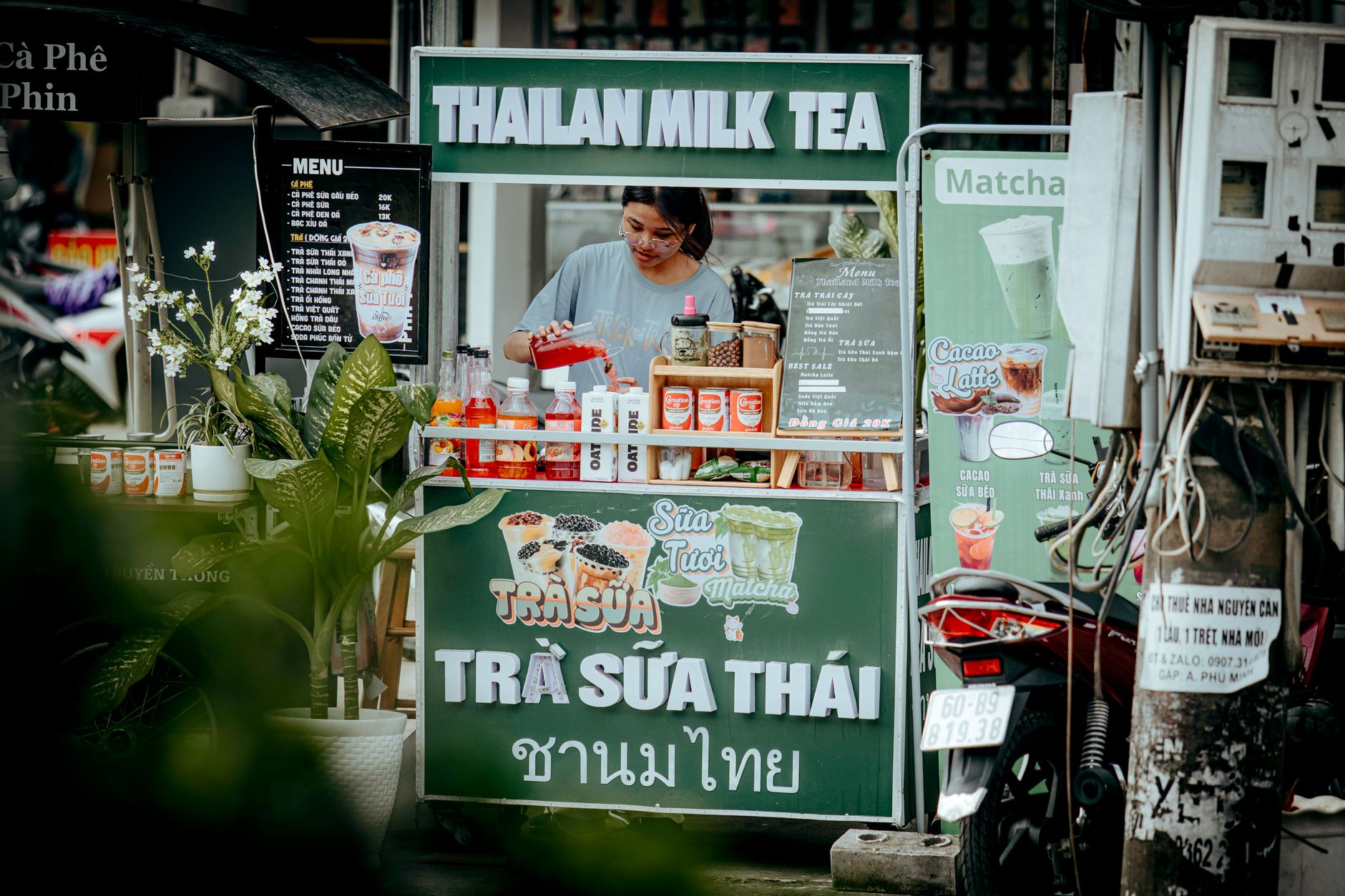
Boba, also known as bubble tea, has gained immense popularity around the world due to its unique texture and delightful flavors. But what actually goes into making boba? Understanding the core ingredients and the process can help both enthusiasts and newcomers appreciate this beloved drink.
This article will break down the primary components of boba, including its traditional and modern variations, how they influence the drink’s taste and texture, and provide tips for making your own boba at home. Whether you’re a longtime fan or curious about trying it for the first time, this guide will cover everything you need to know.
What is Boba Made Of?
Boba is primarily made from tapioca, which is derived from cassava root. The signature chewy pearls are crafted from tapioca starch mixed with water and formed into small balls. In addition to the traditional tapioca pearls, boba can also include flavored variations, other types of pearls, and unique ingredients depending on the drink. Here’s a closer look at the main components.
1. Tapioca Pearls
Tapioca pearls are the quintessential element of boba tea. They give the drink its characteristic chewiness and texture. Here are the essential details:
- Source: Tapioca pearls are made from cassava root, a starchy tuber native to South America.
- Preparation: The starch is extracted, then hydrated with water to form a dough that can be rolled into small balls. These balls are usually cooked by boiling.
- Texture: When properly cooked, tapioca pearls have a chewy, gelatinous texture that contrasts with the smoothness of the tea.
- Flavor: The pearls themselves have a neutral taste but can be sweetened with sugar syrup or flavored during cooking.
Types of Tapioca Pearls
While traditional black tapioca pearls are the most common, there are variations available:
- White Tapioca Pearls: These are made with the same starch but are often less processed, leading to a more translucent appearance.
- Flavored Pearls: These come in various flavors, such as matcha, fruit, or jasmine, and are often used for a creative twist.
- Popping Boba: Unlike the chewy pearls, popping boba has a jelly-like outer layer that bursts with fruit juice when bitten into. These add a burst of flavor and a fun texture.
2. The Tea Base
The tea base is crucial for the flavor profile of the drink. Different types of tea can provide distinct flavors and aromas, making the choice important. Common bases include:
- Black Tea: This is the traditional base for classic bubble tea, providing a strong flavor that pairs well with sweetness.
- Green Tea: This type offers a lighter, more herbal flavor compared to black tea and is often used in fruitier boba teas.
- Oolong Tea: Oolong has a unique flavor profile, ranging between black and green tea, providing a complex taste.
- Herbal and Fruit Teas: These variations are caffeine-free and often have vibrant flavors, perfect for a refreshing take on boba.
Choosing the Right Tea
For the best boba experience, consider the following:
- Flavor Compatibility: Choose a tea that complements the sweetness of the boba and any additional flavors you might add.
- Caffeine Consideration: If you are caffeine-sensitive, herbal or fruit teas can be a great alternative.
- Brewing Time: Ensure that the brewing time and temperature suit the tea type to achieve the best flavor extraction.
3. Sweeteners
Sweeteners play a vital role in enhancing the overall flavor of boba. While traditional boba is commonly served sweetened, there are various options for customization:
- Simple Syrup: Made from equal parts sugar and water, this syrup is a common choice for sweetening the boba and tea.
- Honey or Agave Syrup: Natural sweeteners can add unique flavors and are often preferred for their health benefits.
- Brown Sugar Syrup: This syrup made from brown sugar results in a rich, caramel-like flavor, especially popular in Taiwan.
- Flavored Syrups: Various fruit, floral, or herbal syrups can add an extra layer of sweetness and complexity to the drink.
4. Milk or Creamer
For milk tea variants, the addition of milk or creamer creates a creamy, luscious texture:
- Dairy Milk: Whole milk or reduced-fat options provide richness to the boba tea.
- Non-Dairy Milk: Almond, soy, oat, or coconut milk are excellent dairy-free alternatives that can introduce distinct flavors.
- Creamers: Non-dairy creamers can also be used to add creaminess without dairy.
Finding the Right Milk Option
Consider these tips when selecting your milk:
- Flavor Profile: Each type of milk has its own flavor; for instance, almond milk imparts a nutty taste while coconut milk adds a tropical twist.
- Texture Preference: Full-fat options will result in a creamier texture than skim or plant-based alternatives.
5. Additional Flavorings and Toppings
To create a personalized boba experience, consider incorporating extra elements:
- Fruit Purees: Fresh or frozen fruit purees can be blended into the tea for added flavor.
- Matcha Powder: This powdered green tea is an excellent choice for a unique, earthy taste.
- Chocolate or Caramel Sauce: These can add decadent flavors to the drink.
- Fruit Pieces: Including chunks of fresh fruit can enhance the visual appeal and add fresh flavor.
How to Make Boba at Home
Now that you know what boba is made of, let’s explore how to make boba at home. Here’s a straightforward recipe for preparing the classic tapioca pearls and a delicious milk tea to go with it.
Ingredients
- For Tapioca Pearls:
- 1 cup tapioca starch
- 1/4 cup water (adjusted as needed)
- 1-2 tablespoons brown sugar (optional, for flavor)
- For Tea Base:
- 2 cups water
- 2 bags of black tea (or your choice of tea)
- 1/4 cup simple syrup (or to taste)
- 1/2 cup milk or milk alternative (optional)
Equipment
- Medium pot
- Mixing bowl
- Measuring cups and spoons
- Strainer
- Whisk (optional)
- Serving glass
Instructions
- Make the Tapioca Pearls:
- In a bowl, combine tapioca starch with brown sugar (if using).
- Slowly add water while mixing until it forms a smooth, pliable dough.
- Pinch off small pieces of the dough and roll them into small balls (about the size of a marble).
- Bring a pot of water to a rolling boil, then add the tapioca pearls. Stir gently to prevent sticking.
- Cook the pearls for about 20-25 minutes, or until they float and achieve a chewy texture.
- Once cooked, remove the pearls with a strainer and rinse them in cold water to stop the cooking.
- Prepare the Tea:
- In a separate pot, bring water to a boil.
- Add tea bags and steep for 3-5 minutes for a stronger flavor.
- Remove the tea bags and stir in simple syrup to taste. Optional: Add milk or a milk alternative.
- Assemble the Boba Drink:
- Place the cooked tapioca pearls in a serving glass.
- Pour the prepared tea over the pearls.
- Add ice if desired, and stir gently.
Tips for Every Step
- Make sure to let the tapioca pearls rest in the sugar syrup after cooking to enhance their flavor.
- Experiment with different tea types to find the flavor combination you love most.
- Adjust the sweetness according to your preference, as the amount of syrup can greatly affect the flavor.
Common Mistakes to Avoid
When making boba at home, you may encounter a few challenges. Here are some common mistakes and how to avoid them:
- Overcooking Pearls: Keep an eye on the cooking time; overcooked pearls will become mushy. They should maintain a nice chewy texture.
- Using Too Much Water: When preparing the tea, too much water can dilute the flavor. Ensure you measure accurately.
- Improper Sweetening: Adding sweeteners gradually allows for better flavor adjustment. Taste as you go.
Storage and Reheating Guidance
Understanding how to store boba and the prepared ingredients can help preserve their quality:
- Tapioca pearls are best enjoyed fresh but can be stored in a sugar syrup in an airtight container in the refrigerator for up to 3 days.
- Prepared tea can be stored in the refrigerator for up to 5 days. However, it’s best served fresh to maintain its flavor.
- If boba pearls become too hard in the fridge, you can reheat them in hot water for a few minutes before adding them to your drink.
Exploring Variations of Boba Drinks
Once you master the basic boba, you can experiment with different flavors and combinations. Here are some popular variations to try:
- Fruit Bubble Tea: Substitute part of the tea with fruit puree or natural fruit juice for a refreshing twist.
- Matcha Bubble Tea: Use matcha powder as the base and make it creamy with milk for a delightful beverage.
- Pistachio Boba: Blend pistachio paste into the tea for a nutty, rich flavor.
- Chocolate Boba: For chocolate lovers, adding cocoa powder or chocolate syrup can create a delicious dessert-like drink.
Helpful Tips for a Perfect Boba Experience
To wrap up our exploration of boba, here are some key tips to improve your overall boba-making and consuming experience:
- Experiment with different types of tapioca pearls, as some might prefer the traditional chewy texture while others may enjoy popping boba.
- Don’t hesitate to play around with additional toppings like jelly, fresh fruit, or even ice cream for a thicker beverage.
- Invest in quality ingredients, as good tea and tapioca pearls can significantly enhance the flavor profile.
- Host a boba-making party with friends to explore different flavor combinations and share tips with one another.
Boba is more than just a drink; it’s a fascinating experience of flavors and textures that you can enjoy homemade or at various tea shops. With this guide, you are now equipped with the knowledge to explore and create your own boba experiences.
If you’re looking to try your hand at unique boba recipes, consider checking out a delicious strawberry popping boba recipe or indulge in a delightful taro boba recipe for more inspiring ideas. Enjoy your journey into the world of boba!