
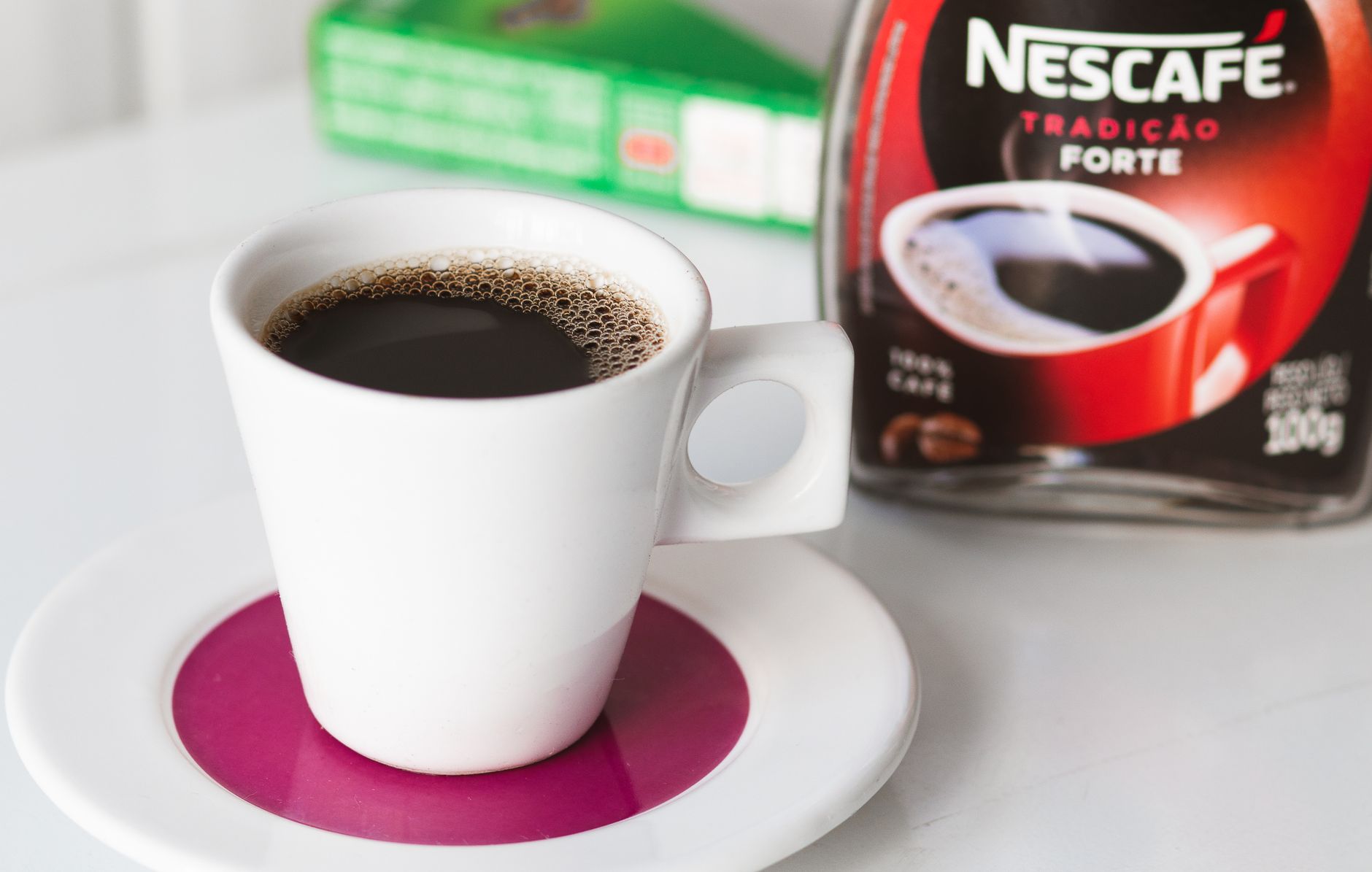
Caffeine content can be a crucial factor for many coffee drinkers, particularly those who enjoy instant coffee for its convenience. Understanding how much caffeine is in a cup of instant coffee can help you gauge your daily intake and make informed choices about your caffeine consumption.
This article delves into the caffeine levels found in instant coffee, providing you with comparisons to other coffee types, variances based on brands and preparation methods, and tips on managing your caffeine intake effectively.
How Much Caffeine Is in a Cup of Instant Coffee?
The average caffeine content in a cup of instant coffee ranges from 30 to 90 milligrams per 8-ounce serving. This variability depends on factors such as the brand, the type of coffee used, and how strong you prefer your brew.
To put things into perspective, a typical cup of brewed coffee can contain between 95 and 200 milligrams of caffeine. Thus, instant coffee generally contains less caffeine than regular brewed coffee, making it a potentially preferable choice for individuals looking to moderate their caffeine intake.
Factors Affecting Caffeine Content in Instant Coffee
Several factors influence the caffeine content in instant coffee:
- Type of Coffee Beans: The type of coffee bean used in instant coffee can affect caffeine levels. Arabica beans typically have less caffeine compared to Robusta beans, which are often used in instant coffee.
- Processing Method: Instant coffee is made by brewing coffee and then removing the water. The brewing time and temperature can affect how much caffeine is extracted from the coffee grounds.
- Brand Variations: Different brands have different coffee blends, which can result in varying caffeine levels. Some brands intentionally increase caffeine for a stronger flavor, while others focus on milder blends.
- Preparation Method: The way you prepare instant coffee can also change its caffeine content. Using more coffee granules per serving will yield a stronger brew with higher caffeine levels.
Comparison of Caffeine in Instant Coffee vs. Other Coffee Types
Understanding how instant coffee compares to other coffee types can help you make better decisions about your caffeine intake. Here’s a comparison:
| Coffee Type | Caffeine Content (per 8 oz) |
|---|---|
| Instant Coffee | 30-90 mg |
| Brewed Coffee | 95-200 mg |
| Espresso | 63 mg |
| Decaffeinated Coffee | 2-5 mg |
| Cold Brew Coffee | 100-200 mg |
Popular Brands of Instant Coffee and Their Caffeine Content
When it comes to instant coffee, not all brands are created equal. Here are some popular brands and their average caffeine content per serving:
- Nescafé Classic: Approximately 60-70 mg
- Starbucks Via: About 95 mg
- Sanka: Contains approximately 20-25 mg
- Keurig K-Cups (instant): Varies, typically between 75-120 mg depending on the variety
- Maxwell House: Roughly 50 mg
These values can vary. Manufacturers usually provide caffeine content on the packaging, so checking the label is always a good practice if you’re concerned about your consumption.
How to Prepare Instant Coffee for Maximum Flavor and Caffeine
Preparing instant coffee might seem straightforward, but there are ways to enhance both flavor and caffeine content. Here are some tips to consider:
- Use Boiling Water: Use water that is just off the boil (around 200°F) to dissolve the coffee granules effectively. Too little heat may result in a weaker flavor and less caffeine extraction.
- Adjust the Coffee-to-Water Ratio: If you prefer a stronger cup, increase the amount of instant coffee granules you use. A standard ratio is two teaspoons for an 8-ounce cup, but you can increase this as desired.
- Let It Steep: Allow the coffee to steep for a minute before mixing it thoroughly. This gives it more time to extract flavor and caffeine.
- Add Extras: Consider adding additional flavorings, like cocoa powder or cinnamon, to enhance the overall experience without significantly impacting caffeine levels.
Managing Your Caffeine Intake with Instant Coffee
If you’re conscious about your caffeine consumption, managing your intake is straightforward with instant coffee. Here are some strategies:
- Calculate Your Daily Limit: The FDA suggests a maximum of 400 mg of caffeine per day for most adults. Keep track of how many cups of instant coffee you consume and factor it into your total daily consumption.
- Choose Decaf Options: If you still enjoy the taste of coffee but want to reduce caffeine, consider opting for decaffeinated instant coffee brands, which can have about 2-5 mg of caffeine per cup.
- Time Your Intake: Avoid consuming caffeine too late in the day, as it can interfere with sleep. Consider limiting your instant coffee to the morning or early afternoon.
- Stay Hydrated: Drinking plenty of water can help offset some of caffeine’s negative effects, such as dehydration or jitters.
Common Myths About Instant Coffee and Caffeine
There are several myths regarding instant coffee that can lead to misconceptions:
- Myth 1: Instant Coffee Has No Caffeine: This is false. Instant coffee contains caffeine, though generally less than brewed coffee.
- Myth 2: All Brands Have the Same Caffeine Content: As discussed, caffeine content can vary significantly between brands and types of instant coffee.
- Myth 3: Instant Coffee Is Less Healthy: Instant coffee has similar health benefits to regular coffee, including antioxidants, as long as it is consumed in moderation.
Instant Coffee in Different Diets
Instant coffee can fit well into various diets, but it’s essential to consider any dietary requirements:
- Low-Carb and Keto Diets: Instant coffee is low in calories and can easily fit into a low-carb or ketogenic meal plan.
- Intermittent Fasting: Drinking black instant coffee may aid in fasting due to its low calorie content.
- Gluten-Free and Vegan Diets: Most instant coffees are gluten-free and suitable for vegans, but always check labels to ensure no unwanted additives exist.
Alternative Coffee Options
If you’re looking for alternatives to instant coffee, here are a few options:
- Freshly Brewed Coffee: Offers a richer flavor and aroma but generally contains more caffeine.
- Coffee Pods: These are convenient and often available in various flavors and caffeine levels.
- Cold Brew: This brewing method results in a smoother coffee with a different flavor profile, often containing more caffeine than traditional brewed coffee.
Conclusion
Knowing how much caffeine is in a cup of instant coffee can help you control your caffeine consumption effectively. With an average caffeine content of 30-90 mg per cup, instant coffee is a convenient option compared to brewed coffee.
Choose your brand wisely, prepare it to suit your taste, and manage your intake according to your personal needs. Whether you’re a casual drinker or a caffeine enthusiast, instant coffee can be a versatile part of your beverage options.
For more beverage ideas, visit our guides on making cold brew coffee concentrate and perfecting a Coffee Nudge cocktail. Enjoy your coffee journey!