
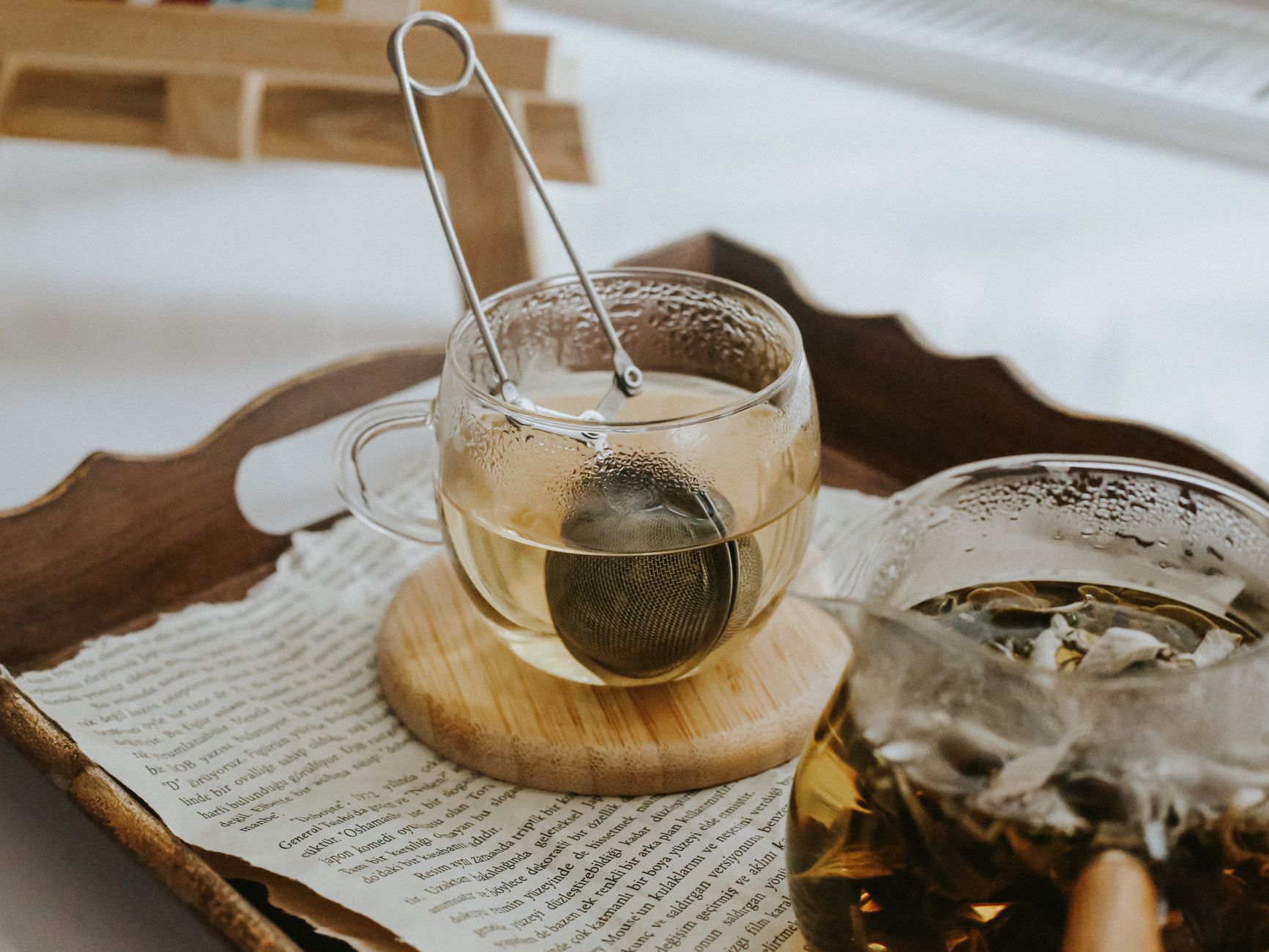
Finding the right tea to drink before bed can enhance your evening routine and promote better sleep. Many types of tea are known for their calming properties and can help relax both the mind and body. Selecting the best tea not only contributes to a peaceful night’s sleep but also provides warmth and comfort during the evening hours.
In this guide, we will explore some of the best teas to consume before bedtime, discussing their benefits, flavors, and preparation methods. Whether you prefer herbal blends or specific teas known for their soothing qualities, there’s something for everyone.
What Is The Best Tea To Drink Before Bed?
The best tea to drink before bed includes herbal varieties such as chamomile, valerian root, and lavender tea. These teas are caffeine-free and contain compounds that promote relaxation and sleepiness while being aromatic and comforting.
Herbal Tea Options for a Good Night’s Sleep
When it comes to bedtime tea, herbal options generally reign supreme. Herbs lack caffeine, making them ideal for evening consumption. Below are some of the most popular herbal teas that can help you wind down and prepare for sleep.
Chamomile Tea
Chamomile tea is perhaps the most widely recognized bedtime tea. It is known for its mild flavor and calming effects.
- Flavor: Light, floral, and slightly sweet.
- Benefits: Chamomile contains antioxidants that promote sleepiness, reduce anxiety, and help with digestion.
- Preparation: Steep one chamomile tea bag or 1 teaspoon of dried chamomile flowers in hot water for about 5 minutes.
Valerian Root Tea
Another effective option, valerian root tea is known for its sedative properties. Many people use it as a natural remedy for insomnia.
- Flavor: Earthy and somewhat pungent.
- Benefits: Valerian root can improve sleep quality and reduce the time it takes to fall asleep.
- Preparation: Steep 1-2 teaspoons of dried valerian root in boiling water for about 10-15 minutes.
Lavender Tea
The soothing aroma of lavender is not just pleasing; it is also calming, making lavender tea an excellent choice for bedtime.
- Flavor: Floral and slightly sweet.
- Benefits: Lavender tea can help with anxiety, promote relaxation, and improve sleep quality.
- Preparation: Steep 1-2 teaspoons of dried lavender buds in hot water for 5-10 minutes.
Non-Herbal Teas to Consider
While herbal teas are often preferred, there are non-herbal options that can also be suitable for bedtime. These teas typically contain lower levels of caffeine or are specifically blended to be soothing.
Decaffeinated Green Tea
Decaffeinated green tea offers the health benefits of green tea without the stimulating effects of caffeine.
- Flavor: Grassy and bright, similar to traditional green tea.
- Benefits: Contains L-theanine, an amino acid that promotes relaxation and alertness without drowsiness.
- Preparation: Steep a decaffeinated green tea bag in hot water for about 3 minutes.
Rooibos Tea
Rooibos, a naturally caffeine-free tea from South Africa, has a rich, nutty flavor.
- Flavor: Sweet, rich, and slightly woody.
- Benefits: Rooibos is full of antioxidants and may help reduce stress levels.
- Preparation: Steep 1 teaspoon of rooibos tea in boiling water for about 5-7 minutes.
Additional Ingredients to Enhance Your Bedtime Tea
Mixing in other ingredients can enhance the flavor and benefits of your chosen tea. Below are some common additions that can complement your tea selection.
Honey
A natural sweetener, honey not only adds flavor but also has soothing properties that can help with throat irritation.
- Benefits: Honey is antibacterial and can promote digestion.
- Usage: Stir in one teaspoon of honey into your warm tea before serving.
Milk or Non-Dairy Alternatives
Adding milk or a non-dairy alternative can create a creamier texture and more satisfying flavor.
- Benefits: The calcium in milk can promote relaxation.
- Usage: Add a splash of milk or a non-dairy equivalent like almond or oat milk to your tea.
Common Mistakes to Avoid When Brewing Bedtime Tea
Even though making tea seems simple, there are some pitfalls that you may encounter.
- Using Water That Is Too Hot: Boiling water can scorch delicate herbs. Aim for temperatures around 190°F (88°C) for most herbal teas.
- Steeping Time: Steeping teas for too long can result in bitterness. Always follow the recommended steeping time for each type of tea.
- Overlooking Quality: Low-quality tea may lack flavor and benefits. Invest in high-quality tea from reliable providers.
Practical Tips for Enjoying Bedtime Tea
To make the most of your bedtime tea ritual, consider the following tips:
- Set a Routine: Try to drink your tea at the same time each evening to signal to your body that it is time to wind down.
- Use a Cozy Mug: A favorite mug can enhance the comfort of your tea-drinking experience.
- Mind Your Portions: Stick to one cup of tea to avoid frequent trips to the bathroom during the night.
Best Practices for Storing Tea
Proper storage is essential for maintaining the flavor and potency of your tea. Use these best practices:
- Keep It Airtight: Store tea in airtight containers to preserve freshness.
- Avoid Light and Moisture: Tea should be kept in a cool, dark place away from humidity.
- Label Your Teas: If you have multiple varieties, labeling containers can help you easily select your preferred tea before bedtime.
Creating Custom Tea Blends
For those interested in exploring, creating your tea blends can be a fun and relaxing activity. Here’s how to get started:
- Choose a Base: Start with a herbal or non-herbal tea as your base.
- Add Complementary Herbs: Incorporate ingredients that complement the flavor of your base. For example, combine chamomile with a hint of lavender.
- Experiment with Proportions: Adjust the quantities until you find a blend that suits your taste.
Conclusion
Choosing the best tea to drink before bed can greatly improve your nighttime routine. Whether you gravitate towards chamomile, valerian root, or a comforting blend, the right tea can help prepare your body for restful sleep.
If you’re looking to enhance your tea-drinking experience further, consider trying different herbal combinations or additives like honey and milk. Explore and enjoy the journey of finding your perfect bedtime brew. For more tea recipes, check out this lymphatic drainage tea recipe or this ginger cinnamon tea recipe.