
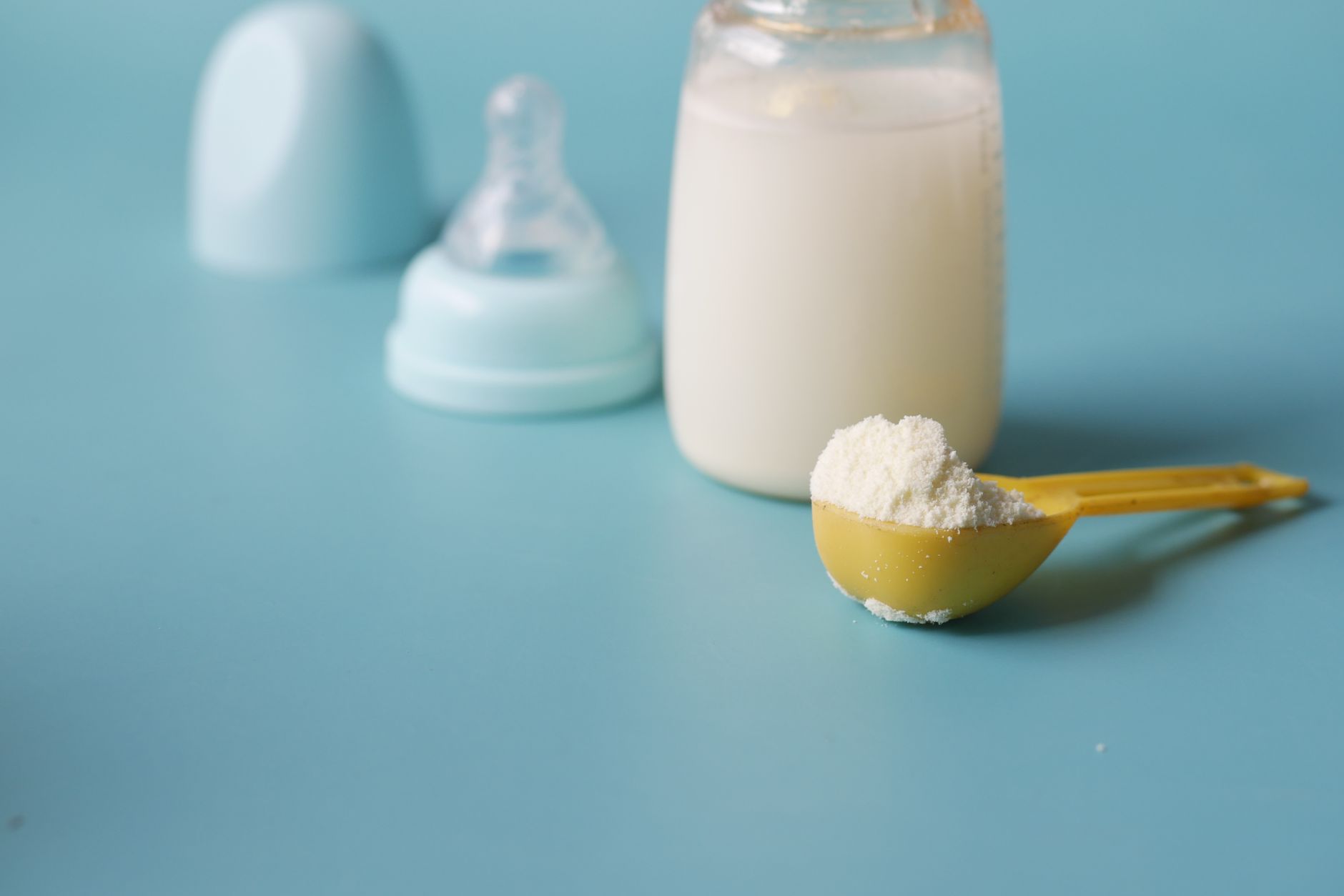
When preparing baby formula, choosing the right water is just as important as selecting the right formula powder. Since your little one’s health and nutrition are top priorities, understanding the different types of water available can help ensure safe and nutritional feeding practices.
In this article, we will explore the best water options for mixing with baby formula, providing you with a detailed understanding of each type. This guide will also cover important considerations, safety tips, and common questions to help you make informed decisions.
What Water Is Best For Baby Formula?
The best water for baby formula is typically distilled or purified water. These types of water undergo rigorous filtration and treatment processes to remove impurities, chemicals, and microorganisms that may pose health risks to infants. However, parental preferences and local water quality can also influence choices.
Types of Water for Baby Formula
When mixing baby formula, the type of water used can significantly impact your baby’s health. Here’s a breakdown of the most common types of water you may consider:
1. Distilled Water
Distilled water is created by boiling water and then collecting the vapor, which condenses back into liquid. This process removes impurities, minerals, and microorganisms. Generally, distilled water is considered a safe choice for preparing baby formula.
2. Purified Water
Purified water has undergone filtration to remove contaminants such as chemicals, bacteria, and other impurities. Both reverse osmosis and distillation are common methods for purifying water. Like distilled water, purified water is safe for use in baby formula.
3. Bottled Water
Some bottled waters are suitable for baby formula, but it is essential to check labels. Look for bottled water labeled as “purified” or “distilled.” Waters with high mineral content, especially those rich in sodium or sulfate, should be avoided.
4. Tap Water
Tap water can be a convenient choice, but its safety depends on the local water supply. Before using tap water for baby formula, consult local health advisories and check if the water is tested regularly for contaminants. If using tap water, consider boiling it for one minute to kill any potential pathogens.
5. Spring Water
Spring water comes from natural springs and is bottled at the source. While it may have some beneficial minerals, it can also contain higher levels of sodium and sulfates, which are not recommended for infants. Always check the label and avoid spring water with high mineral content.
Why Water Quality Matters for Infants
Infants have sensitive digestive systems and unique nutritional needs. Babies rely on formula to get essential nutrients during their early development stages. The water used to make formula can introduce harmful contaminants, so it’s crucial to select high-quality water.
Contaminants to Avoid
- Heavy Metals: Lead and arsenic can be present in tap water, especially in older plumbing systems.
- Microorganisms: Bacteria and viruses may exist in untreated water sources.
- Chlorine and Chloramines: Used to disinfect water, these chemicals can affect taste and may not be suitable for infants.
- Fluoride: While beneficial for older children and adults, excessive fluoride can lead to dental issues in infants.
Preparing Baby Formula Safely
Proper preparation of baby formula is essential to ensure the safety and wellbeing of your child. Here are some key steps and tips for making formula with water:
1. Gather Your Materials
Before preparing baby formula, ensure you have:
- Safe water (distilled, purified, or approved bottled water)
- Formula powder
- Clean mixing tools (bottles, measuring scoops, etc.)
2. Boil & Cool If Necessary
If you’re using tap water, it is recommended to boil the water for one minute and allow it to cool to room temperature before mixing it with formula. This step destroys any harmful microorganisms.
3. Measure Carefully
Follow the formula preparation instructions on the packaging closely. Measure the correct amount of water and formula carefully to ensure proper nutrition.
4. Mix Thoroughly
Once you’ve added the formula powder to the water, shake or stir the bottle until the formula is well mixed. Be careful to minimize any air bubbles, as these can cause gas discomfort for your baby.
5. Check Temperature
Before feeding, always check the formula’s temperature. It should feel warm, not hot, when dripped on your wrist. An ideal temperature is around body temperature.
Common Questions About Water and Baby Formula
As a parent, you may have numerous questions regarding the use of water for baby formula. Here are some frequently asked questions and concise answers:
Is it safe to use spring water for baby formula?
Spring water is not typically advisable due to higher levels of minerals, particularly sodium and sulfate. If using spring water, closely examine the label and ensure it fits within acceptable limits.
Can I use filtered water from a tap?
If your tap water is filtered effectively, it may be safe to use. Look for filters that target heavy metals and microorganisms, and still consider boiling the water as an added safety measure.
Why avoid fluoridated water?
While fluoride is beneficial for older children, excessive intake in infants can lead to dental fluorosis. It’s best to minimize fluoride exposure in infant formula.
How long can prepared formula be stored?
Prepared baby formula should be used within 2 hours if stored at room temperature. If refrigerated, use it within 24 hours. Discard leftovers after feeding your baby.
Tips for Choosing Safe Water for Baby Formula
Here are some practical tips to help you choose the right water for preparing baby formula:
- Consult with your pediatrician about water options and best practices for formula preparation.
- Read the labels of bottled water carefully. Look for certifications or testing results.
- If in doubt about the local tap water quality, consider using bottled or distilled water instead.
- Keep all equipment clean and sterile to avoid contamination when preparing formula.
Water Safety Recommendations
Ensuring the safety of water not only benefits your infant but also contributes to a healthier family environment. Take the following safety precautions when choosing and using water:
- Regularly test your tap water for contaminants if using it as a formula mixture.
- Purchase water from reputable brands. Check for compliance with safety standards.
- If using home water filters, change filters according to the manufacturer’s guidelines to maintain effectiveness.
Storage Tips for Water and Formula
To maintain water quality and prepared formula safety, consider these storage tips:
Water Storage
- Store bottled water in a cool, dry place away from direct sunlight.
- Avoid using bottles past their expiration date, as this can affect water quality.
Formula Storage
- Store unopened formula in a cool, dry place. Check expiration dates regularly.
- Once opened, follow storage instructions provided on the packaging, typically requiring refrigeration.
Conclusion
Choosing the right water for preparing baby formula is a critical aspect of ensuring your child’s health and nutrition. Generally, distilled or purified water is the best option due to its safety and low impurity levels. Always double-check labels if opting for bottled water and follow safe preparation practices to maintain optimal nutrition.
For further insights on recipes, cooking tips, or safety guidelines, feel free to explore more resources available through our blog.