
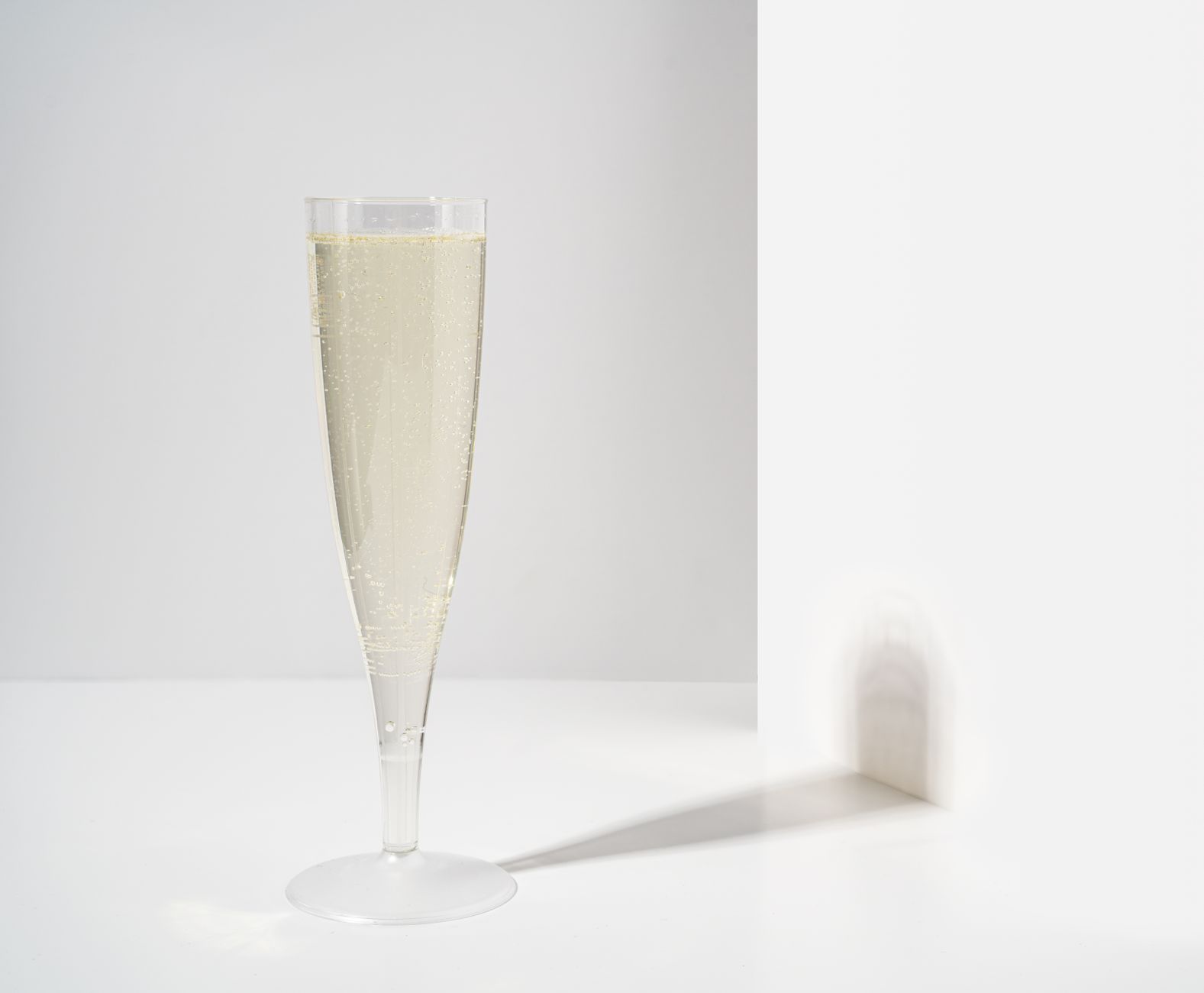
Champagne, often considered the pinnacle of sparkling wines, is a drink synonymous with celebration. But what exactly constitutes good champagne? This guide delves into the nuances of champagne, helping you discern quality from mediocrity, along with tips on selecting, serving, and enjoying this esteemed beverage.
Whether you’re planning a special occasion or simply wish to broaden your knowledge, understanding the characteristics of good champagne will enhance your experience. From its origin in the Champagne region of France to its various styles and labels, let’s explore what makes a bottle worthy of your toast.
What Is Good Champagne?
Good champagne is defined by its quality, complexity, and craftsmanship. It typically features a harmonious balance of acidity, sweetness, and depth, reflecting the terroir of the Champagne region. Quality champagnes often have finer bubbles, which create a delicate mouthfeel and an enhanced aromatic profile.
The Basics of Champagne
Before diving into what makes good champagne, it’s essential to understand its basic components. Champagne is a sparkling wine produced exclusively in the Champagne region of France and follows strict regulations regarding its production. Here are the key elements:
- Varietals: The primary grape varieties used are Chardonnay, Pinot Noir, and Pinot Meunier.
- Production Method: Good champagne undergoes the méthode champenoise, or traditional method, where secondary fermentation occurs in the bottle.
- Terroir: The unique soils and climate of the Champagne region affect the flavor profile of the wine.
- Ageing: Quality champagnes are often aged for extended periods, which adds complexity and depth to their flavors.
Identifying Good Champagne
Identifying good champagne involves considering its aroma, flavor profile, appearance, and texture. Here’s how to examine each aspect:
Aroma
Good champagne will have a complex bouquet of aromas. Look for:
- Fruity notes, such as apple, pear, or citrus.
- Floral aromas like jasmine or honeysuckle.
- Yeasty or bready scents, a result of the secondary fermentation process.
- Mineral qualities, often attributed to the terroir.
Flavor Profile
The tasting experience should be balanced and layered. Pay attention to:
- The level of acidity, which helps to refresh the palate.
- Sweetness, indicated by the dosage (liquid sugar added after fermentation), which can range from brut (dry) to doux (sweet).
- Subtle flavors that unfold in layers, such as toastiness, nuttiness, or caramel.
Appearance
The visual appeal of champagne is also a marker of quality. Assess the:
- Color: Good champagne can range from pale yellow to golden hues, depending on the grape and aging process.
- Bubbles: Tiny, persistent bubbles indicate quality. Champagne should have a fine, lively effervescence.
Texture
The mouthfeel of good champagne should be creamy and smooth. It should not feel overly harsh or thin. Quality bubbles create a luxurious sensation on the palate.
Types of Champagne
Understanding the different types of champagne can guide your selection. Here are the main categories:
- Non-Vintage (NV): This style blends wines from multiple years, ensuring consistency in flavor. It’s usually more affordable and ideal for everyday drinking.
- Vintage: Made from grapes harvested in a single, exceptional year, vintage champagnes are often more complex and age-worthy.
- Prestige Cuvée: The top-tier offering of a champagne house, these are made from the best grapes and often have extended aging. Examples include Dom Pérignon and Krug.
- Grower Champagne: Produced by the same estate that grows the grapes, these often showcase the unique terroir and are smaller in production quantity.
Choosing Good Champagne
When selecting good champagne, consider several factors to ensure you make an informed choice. Here are some tips:
Establish Your Budget
Good champagne can vary significantly in price. Generally speaking, you can expect to spend:
- $40 to $80 for quality non-vintage options.
- $80 to $150 or more for vintage champagnes.
- Above $150 for prestige cuvées.
Read Labels and Understand Terms
Champagne labels can be a little cryptic. Here are some terms to look for:
- Brut: Indicates the level of sweetness, with brut being the driest.
- Grand Cru: Refers to grapes sourced from premier vineyards, acknowledging higher quality.
- Extra Brut: Even less sweet than brut, ideal if you prefer dry champagne.
Buy from Reputable Sources
Purchasing champagne from well-known retailers or directly from reputable producers ensures authenticity and quality. Avoid unauthorized sellers to steer clear of counterfeit products.
Serving Good Champagne
How you serve champagne significantly impacts the overall experience. Follow these best practices:
Optimal Temperature
Chilling champagne correctly is crucial. Aim for a serving temperature of:
- 45°F to 50°F (7°C to 10°C) for non-vintage.
- 50°F to 55°F (10°C to 13°C) for vintage and prestige cuvées.
Glassware Matters
While many people associate champagne with flutes, broader vessel options are available. Consider using:
- Flutes: Ideal for preserving bubbles, but can limit aroma.
- White wine glasses: Allow for more aroma and flavors to unfold.
- Coupe glasses: Often viewed as stylish, but may lose bubbles quickly.
Popping the Cork
Opening champagne is an art in itself. To do it safely:
- Remove the foil carefully.
- Hold the cork firmly and twist the bottle (not the cork) to ease it out gently.
- Avoid letting the cork fly off; the aim is a quiet sigh, not a loud pop!
Food Pairings with Champagne
Pairing champagne with food can elevate a meal. Here are some classic pairings:
- Seafood: Oysters and champagne are a match made in heaven, as the acidity cuts through the richness.
- Cheese: Soft cheeses, such as Brie or Camembert, pair beautifully with bubbly’s crispness.
- Poultry: The versatility of champagne complements chicken and duck dishes alike.
- Desserts: Light desserts, such as fruit tarts or cakes, work well with sweeter styles.
Common Mistakes to Avoid
As you explore the world of champagne, here are a few common pitfalls to avoid:
- Serving champagne too cold or too warm can mute flavors and aromas.
- Using poor-quality glassware can affect the overall experience.
- Ignoring the vintage or the producer’s reputation can lead to disappointing choices.
Storing Champagne
Proper storage ensures champagne maintains its quality. Here are key storage guidelines:
- Store bottles upright to prevent cork deterioration if they are not stored for long periods.
- Keep champagne in a cool, dark place, ideally between 45°F and 65°F (7°C to 18°C).
- Avoid fluctuating temperatures and direct sunlight which can spoil the wine.
Ageing and Vintage Champagne
Some champagnes can benefit from aging, particularly vintage and prestige cuvées. Consider these factors regarding aging:
- Not all champagnes are designed for aging; most non-vintage options are best enjoyed young.
- Vintage champagnes, when stored properly, can develop complex flavors over time.
- Look for aged characteristics such as nuttiness, richness, and toasty notes.
Enjoying Champagne Responsibly
As you indulge in the world of champagne, remember to enjoy it responsibly. Cheers to good company and extraordinary experiences!
Finding good champagne requires a little knowledge, but the reward is a delightful sensory experience that enhances any celebration. Start your journey by selecting prestigious labels, experimenting with food pairings, and exploring various styles to identify what suits your palate.
For those ready to craft your next special meal, consider exploring related topics like our guides on selecting the right cheese or perfect pairings for seafood. Elevate your culinary adventures and let good champagne take center stage during your celebrations!