
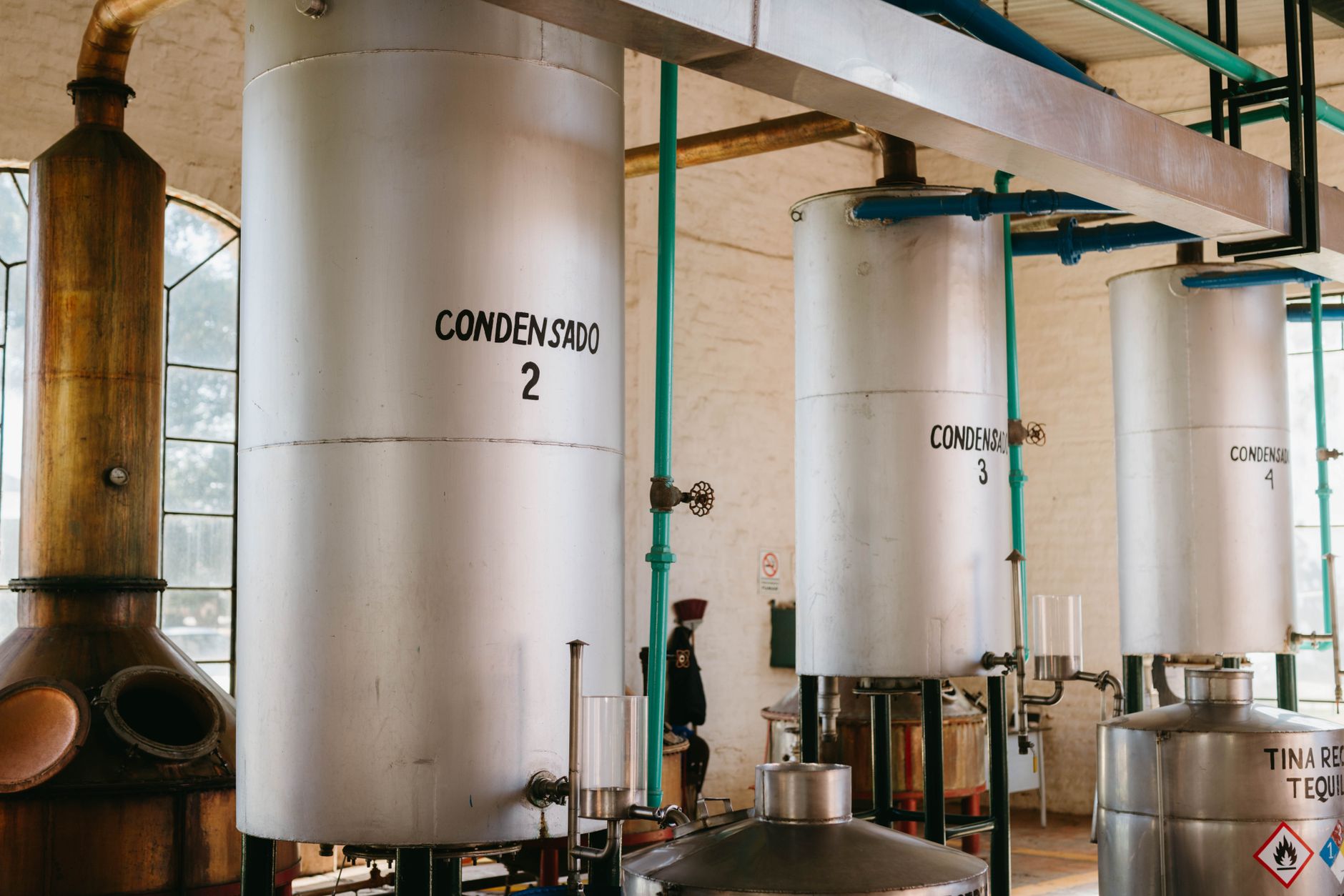
Vodka is one of the most popular spirits globally, known for its smooth taste and versatility in cocktails. But where is vodka made and what factors influence its production? This complete guide delves into the regions known for vodka production, how the beverage is crafted, and offers helpful tips on selecting quality vodka.
From its origins in Eastern Europe to modern-day production facilities across the globe, vodka is not just a simple spirit. Understanding where and how vodka is made can deepen your appreciation for this beloved drink and inform your choices when selecting a bottle.
Where Is Vodka Made?
Vodka is traditionally made in Eastern Europe, particularly in countries like Russia, Poland, and Ukraine. Nowadays, vodka production has spread worldwide, with countries like the United States, Sweden, and France producing notable varieties. The location impacts the ingredients used, the distillation process, and the flavor profile of the final product.
Historical Context of Vodka Production
Vodka’s history traces back to the 8th or 9th century in Eastern Europe. Initially, it was made for medicinal purposes, resembling more of a spirit than the refined drink we know today. The earliest records of vodka come from Russia and Poland, where it was distilled from grains or potatoes.
As vodka gained popularity, each region developed unique methods and ingredients. For example, Russian vodka is often characterized by its purity and strong alcohol content, while Polish vodka might highlight flavors from locally sourced ingredients.
Key Regions of Vodka Production
Each vodka-producing country has its own regulations and traditional methods. Here’s a breakdown of some of the main regions where vodka is produced:
Russia
Russia is perhaps the most famous nation for vodka production. Russian vodka is often distilled from wheat or rye, contributing to its smooth texture and subtle flavor. In Russia, vodka is sometimes enjoyed neat, accompanied by traditional snacks.
Poland
Poland is also known for its high-quality vodka, often derived from potatoes, rye, or barley. Polish vodkas come in a wide range of flavors and styles, including fruit-infused varieties. The country has strict regulations regarding vodka production, which contribute to its reputation for quality.
Ukraine
Ukraine’s vodka industry is robust, with many brands still using traditional methods. Ukrainian vodka often features local grains and is designed to be enjoyed straight. It has a unique character due to the skilled art of distillation passed down through generations.
Scandinavia (Sweden and Finland)
In Scandinavia, vodka is crafted from high-quality ingredients, like soft winter wheat or fresh glacial water. Swedish vodka, for instance, is known for its rigorous quality standards and may be flavored with herbs or spices, making it distinct from its Eastern European counterparts.
The United States
In recent years, the United States has become a significant player in vodka production, offering a range of craft vodkas. American distillers often use corn as a base, resulting in a slightly sweeter flavor. Many U.S. brands focus on artisanal production methods and unique flavor profiles.
France
French vodka may surprise some, as the country is more commonly associated with wine and cognac. However, some French producers create vodka from grapes, giving it a distinctive taste that differs from grain or potato-based vodkas.
The Vodka Production Process
The production of vodka can vary slightly by region, but the following steps are generally common across all producers:
- Fermentation: The process begins with fermenting the chosen base ingredient (grains, potatoes, or even fruits). This fermentation process converts sugars into alcohol.
- Distillation: The fermented liquid is then distilled, usually multiple times, to enhance its purity. This process removes impurities and increases the alcohol content.
- Filtration: Post-distillation, vodka undergoes filtration to remove remaining trace elements that could affect taste. Some distillers use charcoal or other natural materials for this process.
- Dilution: After distillation and filtration, the vodka is typically diluted with water to achieve the desired alcohol content, usually around 40% ABV.
- Bottling: Finally, the vodka is bottled and labeled, ready for distribution.
Types of Vodka
Vodka can be categorized into several types based on the ingredients used or its flavor profile:
Plain Vodka
Plain vodka is the standard form with no added flavors. It is often used as the base in cocktails and mixed drinks.
Flavored Vodka
Many brands offer flavored vodkas infused with fruits, herbs, or spices. These variations can add a fun twist to cocktails and are popular for creating unique drinks.
Premium Vodka
Premium vodka brands typically focus on quality and purity, using the finest ingredients and rigorous distillation processes. They aim for a smooth mouthfeel and subtle flavor, making them ideal for sipping.
Craft Vodka
Craft vodka is produced by small distilleries that often emphasize unique ingredients and artisanal production methods. These vodkas can feature local grains, flavored with regional herbs or fruits.
Choosing Quality Vodka
Knowing where vodka is made can influence your choice when selecting a bottle. Here are some tips to consider when shopping for vodka:
- Look for Origin: Check the label for the country of origin. Countries renowned for their vodka tend to offer higher quality.
- Check Ingredients: Higher-quality vodkas typically use natural ingredients. Avoid products with additives or artificial flavors.
- Assess Clarity: Quality vodka should be clear and free from impurities. A cloudy appearance could indicate poor filtration.
- Price Point: While not always an indicator of quality, extremely low-priced vodkas may compromise on taste and purity.
- Taste Test: If possible, do a tasting test. High-quality vodka should have a smooth finish and no harsh aftertaste.
Storing Vodka
Proper storage of vodka is essential for maintaining its flavor and quality:
- Keep it Cool: Store vodka in a cool, dark place, ideally at room temperature. Some prefer to keep vodka in the freezer for serving, which can enhance its smoothness.
- Avoid Light: Exposure to light can affect the vodka’s flavor and quality, so opt for a dark cupboard or liquor cabinet.
- Seal it Tight: Ensure the bottle is tightly sealed to prevent air from affecting the quality over time.
How to Enjoy Vodka
Vodka is incredibly versatile and can be enjoyed in numerous ways. Here are some popular methods:
Neat
For those who appreciate the spirit’s flavor, vodka is often enjoyed neat, especially premium varieties. Serve it chilled for optimal taste.
In Cocktails
Vodka is a popular ingredient in many classic cocktails, including:
- Moscow Mule: Vodka, ginger beer, and lime juice served in a copper mug.
- Vodka Martini: A simple combination of vodka and dry vermouth, garnished with olives or a lemon twist.
- Bloody Mary: A savory mix of vodka, tomato juice, and spices, garnished with various toppings.
As a Mixer
Vodka’s neutral flavor makes it a great mixer for various soft drinks, fruit juices, or flavored sodas. Experiment with different combinations to find your favorites.
Common Mistakes When Drinking Vodka
There are several mistakes consumers often make with vodka that can affect their experience:
- Chilling Inadequately: Vodka should be served chilled, but over-chilling may dull its flavors. Aim for a balanced temperature.
- Using Low-Quality Mixers: Pairing high-quality vodka with cheap mixers can diminish the overall taste. Opt for fresh-squeezed juices or quality sodas.
- Overloading with Flavors: When mixing vodka, a light touch with flavors is essential. Too many ingredients can overwhelm the vodka’s profile.
Conclusion
Understanding where vodka is made and how it is produced can significantly enhance your appreciation for this smooth spirit. Whether you prefer it neat, in cocktails, or mixed with other flavors, knowledge about its origins and methods can help you choose better quality vodka. For a refreshing start, why not try making a Vodka Cranberry or Vodka Margarita with your newly selected premium vodka?
Explore more recipes and tips such as the Vodka Cranberry Recipe and the Vodka Margarita Recipe to elevate your cocktail game!