
Picture the rich aroma of a Belgian brew filling your kitchen, a warm reminder of cozy pubs and lively gatherings. The Oud Bruin is a delightful blend of sweet and sour, showcasing a beautiful balance of fruitiness and maltiness that makes it truly special. This traditional Belgian dark ale is perfect for sipping during cool evenings or sharing with friends on special occasions. With its layered flavors and gorgeous deep color, you’ll find it’s a rewarding brew to make at home. Let’s dive into how to create this unique beer right in your own kitchen!
Why You’ll Love This Recipe
This recipe is a fantastic introduction to homebrewing with its approachable ingredients and methods.
- Deliciously complex flavor profile.
- Perfect for sharing with friends or enjoying solo.
- Customizable to suit your taste preferences.
- Great project for both beginners and experienced brewers.
My Experience Making This Recipe
When I first attempted the Oud Bruin, I was thrilled by the enticing aroma wafting through my home. The dark, rich color of the brew as it fermented was a sight to behold, and I could hardly wait to take that first sip.
After a few weeks of patiently waiting, I poured my first glass and was blown away by the depth of flavor. It was much more rewarding than any store-bought beer and made me proud to share it with friends.
Recipe Overview
- Recipe Name: Oud Bruin
- Servings: Approx. 48 ounces
- Prep Time: 30 minutes
- Cook Time: 1 hour
- Total Time: 6 weeks (including fermentation)
- Course: Beverage
- Cuisine: Belgian
- Calories per Serving: Approximately 200
Equipment You Will Need
- Large brew kettle (at least 5 gallons)
- Fermentation vessel with airlock
- Sanitizing solution
- Thermometer
- Hydrometer
- Bottles and caps or a kegging system
- Stirring spoon
Ingredients for Oud Bruin
- 8 lbs Pale Malt
- 1 lb Crystal Malt (40L)
- 1 lb Munich Malt
- 0.5 lb Chocolate Malt
- 1 oz Hallertau Hops (bittering)
- 0.5 oz Saaz Hops (flavor)
- 1 packet Belgian yeast (e.g., Wyeast 1214)
- 3/4 cup corn sugar (for bottling)
Ingredient Notes and Substitutions
- Pale Malt: Provides the base for the beer; you can substitute with Pilsner malt for a lighter body.
- Candy Sugar: Adds sweetness and unique flavor; brown sugar can be a substitute, but it alters the color.
- Belgian yeast: Gives the characteristic fruity flavor; any high-attenuating ale yeast will work in a pinch.
How to Make Oud Bruin
Step 1: Prepare Your Equipment
Start by sanitizing all your equipment with a good sanitizing solution. This step is crucial to prevent any unwanted bacteria from spoiling your brew.
Step 2: Heat Your Water
In your brew kettle, heat about 3 gallons of water to approximately 160°F. This temperature will help extract the sugars from the grains effectively.
Step 3: Mash the Grains
Add the crushed grains to the hot water and maintain the temperature around 150°F for about 60 minutes. This process converts the starches in the grains to fermentable sugars.
Step 4: Sparge the Grains
After mashing, rinse the grains with hot water to extract as much sugar as possible. This step is called sparging, and it maximizes your yield.
Step 5: Boil the Wort
Bring the liquid (now called wort) to a boil and add the Hallertau hops. Boil for 60 minutes to extract bitterness and flavor from the hops.
Step 6: Add Flavor Hops
In the final 10 minutes of the boil, add the Saaz hops. This addition will impart a more aromatic quality to your beer.
Step 7: Cool the Wort
Once boiling is complete, cool the wort quickly using an immersion chiller or an ice bath. This step prevents contamination and prepares the wort for fermentation.
Step 8: Ferment the Beer
Transfer the cooled wort into your fermentation vessel and pitch the yeast. Seal it and let it ferment in a dark, cool place for about 4-6 weeks.
Pro Tip: Be patient during fermentation; rushing this step can lead to undesirable flavors.
Tips for the Best Oud Bruin
- Use fresh ingredients for the best flavor; stale hops or old yeast can ruin your brew.
- Monitor fermentation temperature; keeping it stable helps achieve the desired flavor profile.
- Don’t skip the sanitization process; cleanliness is key in brewing.
- Consider barrel aging for added complexity; it can introduce wonderful oak flavors.
- Take notes during brewing; this helps you improve your technique for future batches.
Common Mistakes to Avoid
- Rushing the fermentation; this can lead to off-flavors and a less enjoyable beer.
- Not sanitizing equipment; contamination can ruin an entire batch.
- Boiling for too long; excessive boiling can lead to unwanted bitterness.
- Skipping the hydrometer reading; without this, you won’t know your alcohol content.
Serving Suggestions
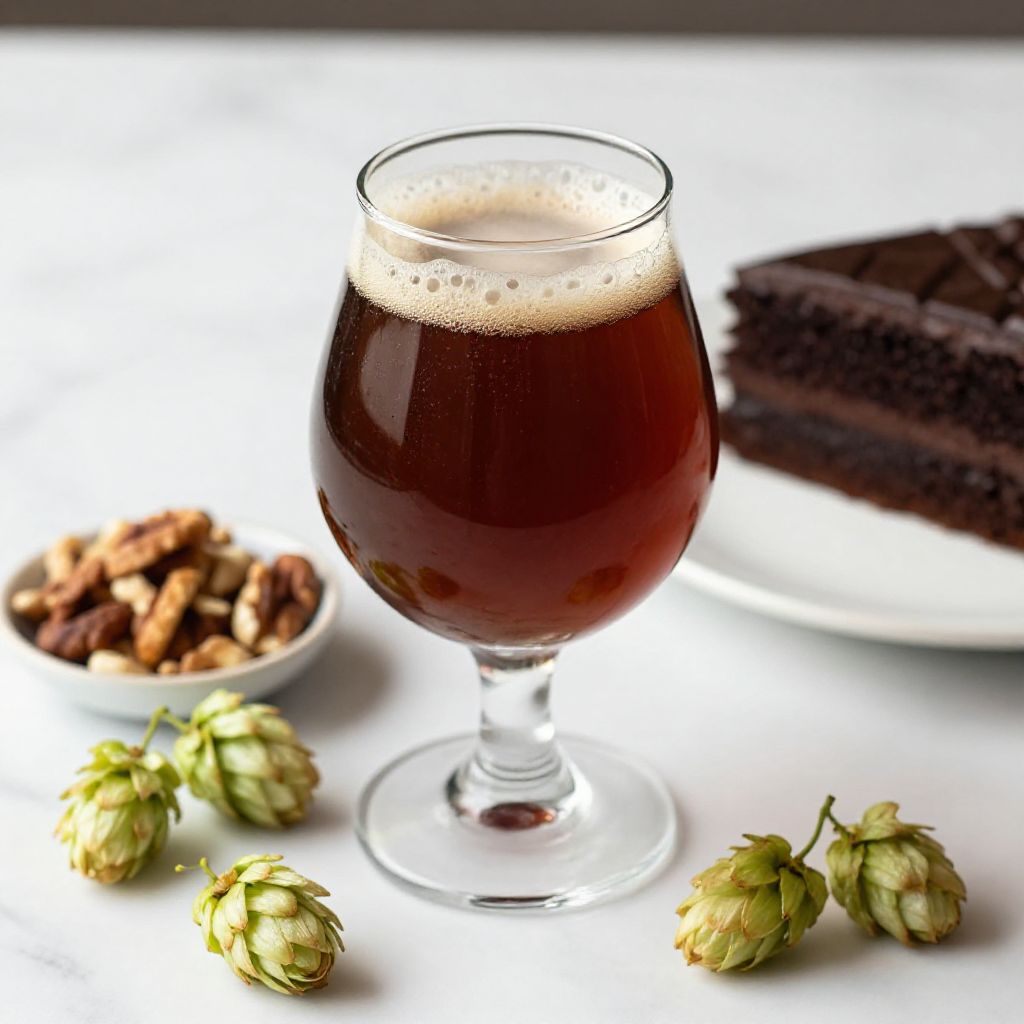
Serve your Oud Bruin chilled in a tulip glass to enhance the aroma and flavor. Pair it with a rich cheese platter or dark chocolate desserts for a delightful experience.
- Strong cheeses like Gouda or aged cheddar.
- Chocolate desserts, especially dark chocolate cake.
- Roasted meats for a hearty meal.
- Nuts for a simple snack pairing.
Variations to Try
- Add fruit during fermentation for a fruity twist; cherries or raspberries work beautifully.
- Experiment with different hop varieties for unique flavors.
- Try adding spices like cinnamon or vanilla for added depth.
- Use different malts to alter the sweetness and body of the beer.
Dietary Adaptations
- Gluten-free: Use gluten-free grains like sorghum or rice malt.
- Dairy-free: This recipe is naturally dairy-free; no substitutions needed.
- Vegan/Vegetarian: All ingredients are plant-based.
- Low-carb/Keto: Use low-carb malt alternatives, though traditional Oud Bruin is not low-carb.
Storage and Reheating
Refrigerator
Store your beer upright in a cool, dark place. It will stay fresh for several months.
- Keep it away from light to prevent skunking.
- Avoid temperature fluctuations for best quality.
Freezer
Freezing beer is not recommended, as it can alter the flavor and carbonation.
- Instead, use the refrigerator for long-term storage.
Reheating
Reheating beer is not applicable; serve it cold and enjoy it as is.
Nutrition Information
| Nutrient | Amount |
|---|---|
| Calories | 200 |
| Total Fat | 0g |
| Saturated Fat | 0g |
| Carbohydrates | 15g |
| Fiber | 0g |
| Sugar | 2g |
| Protein | 1g |
| Sodium | 5mg |
| Cholesterol | 0mg |
This nutritional information is an estimate and can vary based on specific ingredients used.
Frequently Asked Questions
Can I use different types of hops?
Yes, different hops can alter the flavor profile; just be aware of the bitterness level.
How can I make this beer ahead of time?
Brewing in advance is possible; just ensure proper storage to maintain freshness.
What should I do if my beer is too sour?
Too much acidity can come from wild yeast; blending with a sweeter beer can help balance it out.
Can I use a different yeast strain?
Definitely! Just choose a yeast that complements the flavors you want in the beer.
How long can I store my Oud Bruin?
It can last several months if stored properly, though it may improve with age.
Final Thoughts
Brewing your own Oud Bruin is an adventure that can lead to incredible flavors and rewarding experiences. I encourage you to try this recipe and share your results with fellow beer lovers.
If you enjoyed this, explore more about mead-making with our raspberry mead recipe or check out a classic mead recipe for a gallon. Happy brewing!
Oud Bruin
Ingredients
Equipment
Method
- Start by sanitizing all your equipment with a good sanitizing solution.
- In your brew kettle, heat about 3 gallons of water to approximately 160°F.
- Add the crushed grains to the hot water and maintain the temperature around 150°F for about 60 minutes.
- After mashing, rinse the grains with hot water to extract as much sugar as possible.
- Bring the liquid (now called wort) to a boil and add the Hallertau hops. Boil for 60 minutes.
- In the final 10 minutes of the boil, add the Saaz hops.
- Once boiling is complete, cool the wort quickly using an immersion chiller or an ice bath.
- Transfer the cooled wort into your fermentation vessel and pitch the yeast. Seal it and let it ferment in a dark, cool place for about 4-6 weeks.