
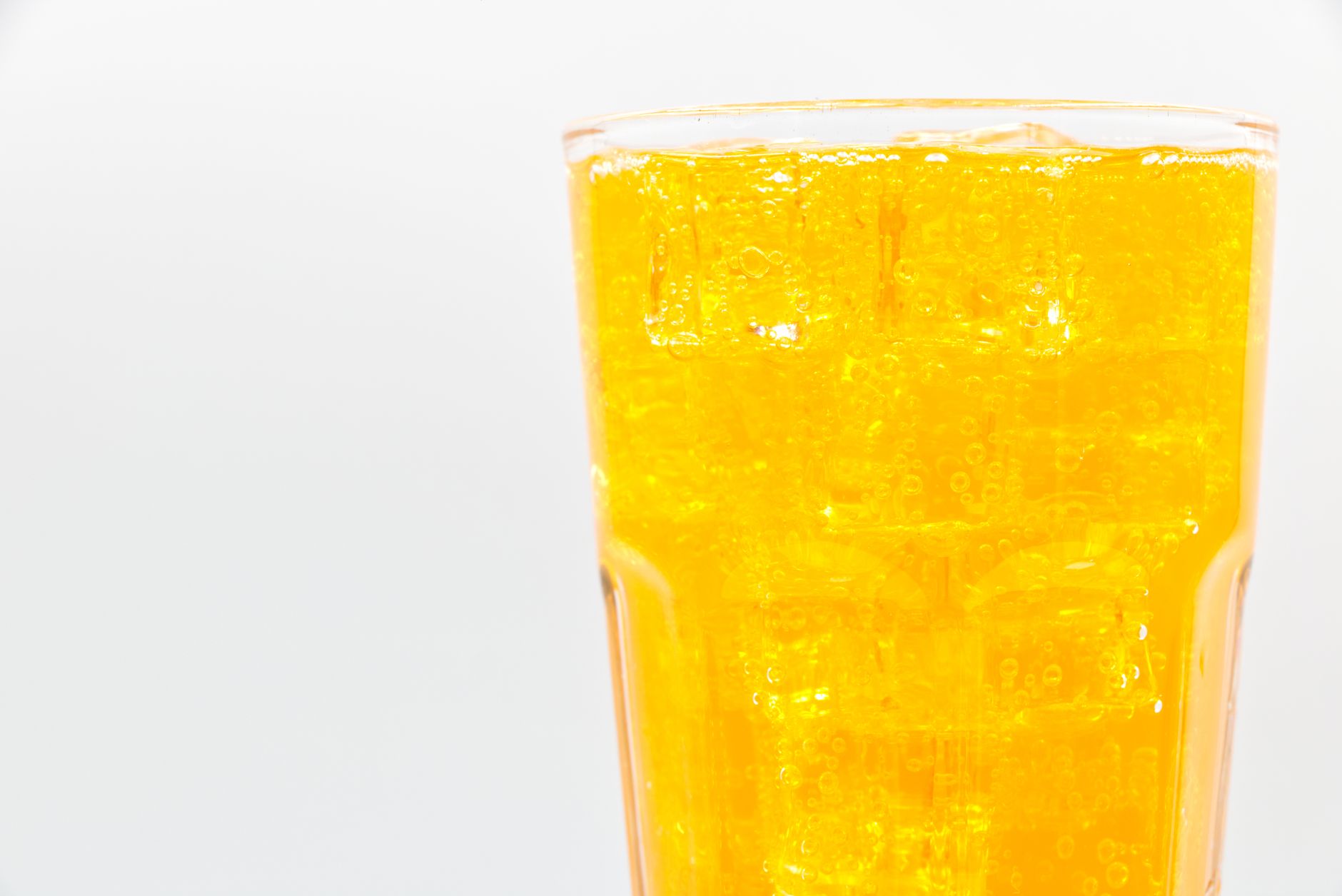
Soda is a popular beverage enjoyed by many, known for its effervescence and refreshing qualities. One of the key ingredients that contributes to the fizzy sensation is carbon dioxide, which plays a significant role in both the flavor and experience of drinking soda.
This article will explore the presence of carbon dioxide in soda, its effects on the beverage, and answer common questions regarding carbonation. Understanding how carbon dioxide works in soda can enhance your appreciation for this bubbly drink.
Is Carbon Dioxide In Soda?
Yes, carbon dioxide is indeed present in soda. It is added during the carbonation process, where it dissolves in the liquid under pressure. This carbonation gives soda its characteristic bubbles and slight acidity, which contribute to its unique taste.
What Is Carbonation?
Carbonation refers to the process of dissolving carbon dioxide gas into a liquid under pressure. When the pressure is released, as happens when you open a soda can or bottle, the gas escapes and forms bubbles. This process not only enhances the texture and mouthfeel of the beverage but also influences its flavor profile.
How Is Carbon Dioxide Added to Soda?
The carbonation process involves several steps:
- Preparation of the Soda Base: The base often consists of carbonated water, sweeteners, and flavorings. The initial solution is manipulated to be ready for carbonation.
- Carbonation Process: The soda base is chilled and mixed with carbon dioxide under high pressure in a carbonation tank. This allows the gas to dissolve into the liquid.
- Bottling or Canning: The carbonated liquid is immediately packaged in cans or bottles to maintain the pressure and keep the carbon dioxide dissolved.
Why Is Carbon Dioxide Important in Soda?
Carbon dioxide serves multiple purposes in soda:
- Texture: The bubbles produced by carbon dioxide create a tingling sensation on the palate, making the drink more enjoyable.
- Flavor: Carbon dioxide slightly lowers the pH of the beverage, giving sodas a unique taste balance between sweetness and acidity.
- Preservation: The carbonation helps inhibit the growth of bacteria, thus extending the shelf life of the beverage.
Types of Carbonated Sodas
There are several types of carbonated sodas, each with unique characteristics:
- Cola: A dark beverage flavored with caramel, kola nuts, and spices, featuring a strong sweetness and carbonation.
- Fruit-flavored Sodas: These sodas are typically sweet and have a vibrant taste, with flavors ranging from orange to grape and beyond.
- Club Soda: This is plain carbonated water, often used as a mixer in cocktails.
- Tonic Water: A carbonated beverage that contains quinine, giving it a distinct bitter flavor often used in mixed drinks.
- Diet Sodas: These are sugar-free alternatives sweetened with artificial sweeteners but still contain carbon dioxide for fizz.
How to Make Your Own Carbonated Soda
If you’re interested in making your own soda, you can do so at home using a soda maker or by following a simple recipe. Here’s a basic method:
Yield:
This recipe yields approximately 1 liter of soda.
Preparation time:
5 minutes (not including chilling time)
Ingredients:
- 1 liter of chilled water
- 1-2 tablespoons of your preferred sweetener (sugar, honey, or a sugar substitute)
- Flavorings (e.g., fruit juice, syrups, or extracts as desired)
- Carbon dioxide source (a home soda maker or carbon dioxide cartridges)
Essential Equipment:
- Soda maker or carbon dioxide cartridge system
- Mixing container
- Bottle for storage
Instructions:
- In a mixing container, combine the chilled water, sweetener, and any flavorings.
- Follow the instructions of your soda maker to carbonate the water mixture. If using cartridges, ensure you read the safety guidelines for proper use.
- Once carbonated, carefully pour it into the bottle for storage, and seal tightly to maintain carbonation.
- Serve chilled, and enjoy your homemade soda!
Common Mistakes While Carbonating Soda
When carbonating your own soda or handling store-bought sodas, there are some typical pitfalls to avoid:
- Using Warm Water: Always start with chilled water. Warm water holds less carbon dioxide, resulting in fewer bubbles.
- Over-carbonating: Be cautious not to add too much carbon dioxide, which can lead to excessive foam and spilling.
- Storing in Heat: Keep carbonated sodas cool and store them upright to maintain their fizz.
How Long Does Carbonation Last?
Once a soda is opened, it starts to lose carbonation quickly, typically within a few hours to days depending on storage conditions. To preserve fizz:
- Seal the bottle tightly after pouring.
- Refrigerate leftover soda to slow down the loss of carbonation.
Understanding Carbonated Beverage Variations
Different regions have unique takes on carbonated beverages, with variations in flavor and ingredients:
- Italian Soda: Made with flavored syrups and carbonated water, often topped with cream.
- Swedish Hop Soda: An herbal soda flavored with hops, offering a savory twist.
- Mexican Soda: Known for natural cane sugar as a sweetener, providing a distinct flavor profile.
Health Considerations of Carbonated Beverages
While enjoying soda, it’s essential to be aware of health considerations:
- Dental Health: The acidity in carbonated drinks can contribute to tooth enamel erosion, so moderation is key.
- Sugar and Caloric Intake: Regular sodas can contain high amounts of sugar, which can lead to weight gain if consumed excessively.
- Artificial Sweeteners: Diet sodas may use artificial sweeteners, which have mixed opinions on long-term health effects.
Popular Carbonated Drink Myths
There are many myths surrounding carbonated drinks. Here are a few common misconceptions:
- Myth: Carbonated Drinks Dehydrate You: While the caffeine in some sodas can be dehydrating, the liquid content generally helps with hydration.
- Myth: Carbonated Drinks Are Bad for Bone Health: Recent studies suggest the link between carbonation and bone health is not as strong as once thought, though overconsumption of sugary drinks should still be avoided.
Exploring the World of Mixers: Beyond Soda
Soda is often used as a mixer for cocktails. Here are a few popular soda-based drinks:
- Whisky Soda: A mixture of whisky and soda that highlights the whiskey’s flavor.
- Mimosa: A refreshing cocktail made with sparkling wine and orange soda.
- Rum and Coke: A simple yet classic combination of dark rum and cola.
Conclusion
Understanding the role of carbon dioxide in soda enhances the appreciation of this beloved beverage. Whether you’re enjoying a store-bought can or making your own, carbonation adds unique qualities that create a delightful experience. Experiment with flavors, mix with cocktails, and understand how to preserve the fizz!
For more beverages, consider trying your hand at making homemade Orange Soda or learn how to mix a classic Whisky Soda. Explore our guides to further expand your knowledge on drinks!