
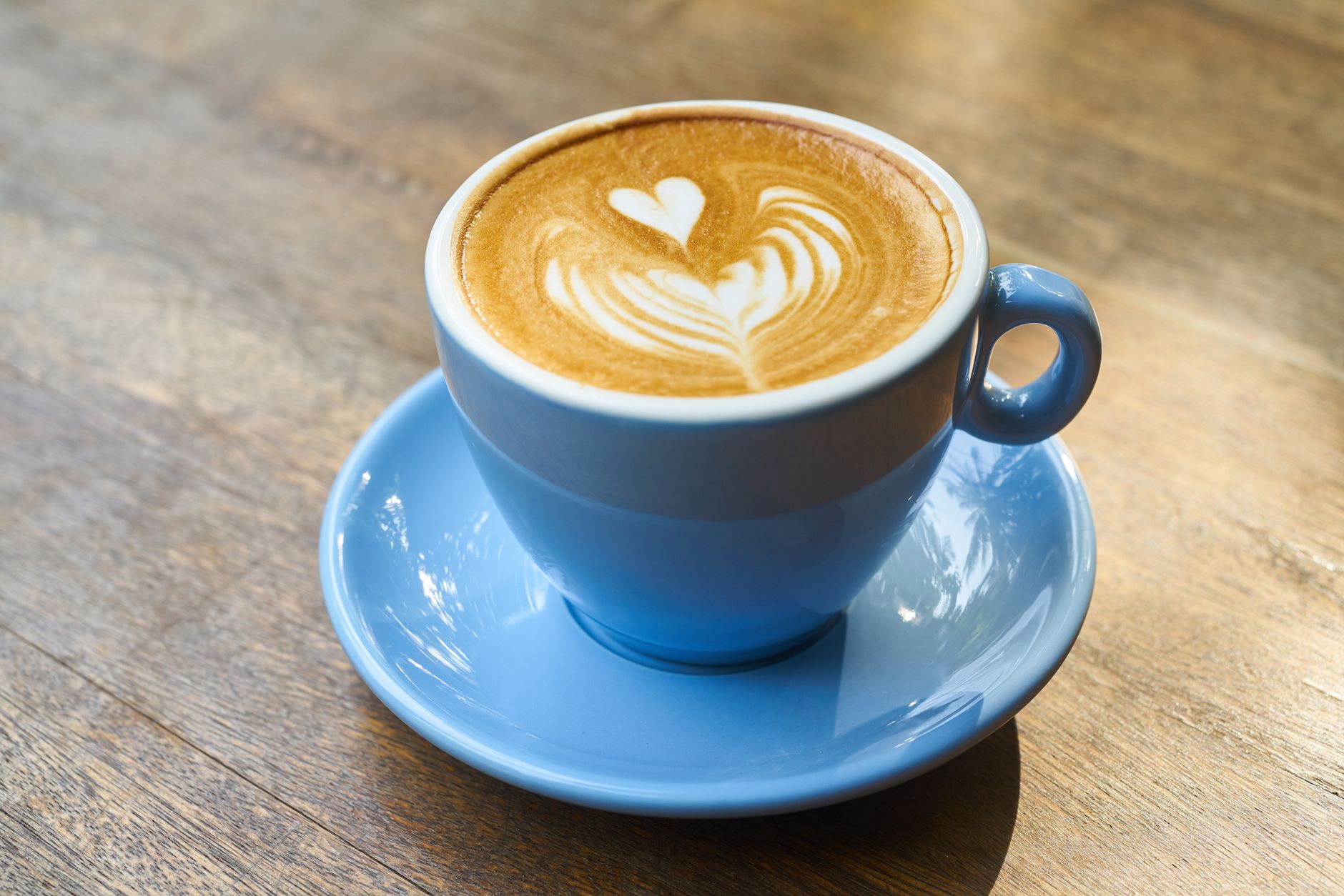
Cappuccinos are beloved coffee beverages known for their rich flavors and frothy consistency. Many coffee enthusiasts often wonder about their caffeine content and how it compares to other drinks. Understanding whether a cappuccino has caffeine—and how much—can help you make informed choices about your coffee consumption.
This article will explore the caffeine content in cappuccinos, how they are made, variations available, and factors that can influence their caffeine levels. We aim to provide you with all the necessary information to understand this popular drink fully.
Does A Cappuccino Have Caffeine In It?
Yes, a cappuccino does contain caffeine. Typically, a cappuccino is made with one shot of espresso, which usually contains about 63 mg of caffeine. However, the exact caffeine content can vary depending on several factors, including the type of coffee beans used and the serving size.
Understanding Cappuccino and Its Composition
A cappuccino is an espresso-based drink that originates from Italy. It consists of equal parts of espresso, steamed milk, and milk foam, creating a creamy texture and rich flavor. Here, we will break down the key components that make up a cappuccino:
1. Espresso
The foundation of a cappuccino is espresso. Espresso is made by forcing hot water through finely-ground coffee beans, resulting in a concentrated coffee shot. A standard single shot of espresso generally measures about 1 ounce and contains around 63 mg of caffeine.
2. Steamed Milk
Steamed milk is added to the espresso, softening its intensity and contributing to the creamy texture. The amount of steamed milk can vary based on personal preference but is typically equal to half the volume of the espresso.
3. Milk Foam
The final touch is the milk foam, which is created by aerating the milk as it is steamed, trapping air bubbles. This foam is essential for giving a cappuccino its distinct layer of creamy foam on top. It adds to the drink’s overall texture and mouthfeel.
Caffeine Content in Different Coffee Drinks
To understand how cappuccinos stack up against other coffee drinks in terms of caffeine content, let’s explore the irregularities found in other popular espresso-based beverages:
- Espresso: A single shot (1 oz) has about 63 mg of caffeine.
- Latte: A latte typically contains one shot of espresso and more steamed milk, providing a similar amount of caffeine (around 63 mg), but diluted by the larger volume of milk.
- Macchiato: A traditional macchiato consists of a single shot of espresso topped with a small amount of foam, also providing about 63 mg of caffeine.
- Drip Coffee: A standard 8 oz cup of drip coffee can range from 95 to 200 mg of caffeine, depending on the brewing method and type of coffee beans.
Factors Affecting Caffeine Content in Cappuccinos
Several factors can influence the caffeine content of your cappuccino:
1. Type of Coffee Beans
The type of coffee beans used can significantly impact the caffeine content. Generally, Arabica beans contain less caffeine than Robusta beans. If your cappuccino is made with Robusta beans, it may have higher caffeine content.
2. Number of Espresso Shots
Baristas often customize cappuccinos to meet individual preferences, and they may add more than one shot of espresso. Therefore, a double shot cappuccino will approximately contain 126 mg of caffeine.
3. Serving Size
While a standard cappuccino typically contains one shot of espresso, some coffee shops serve larger sizes that may contain additional espresso shots, further increasing the caffeine level.
4. Brewing Time
The brewing time and method of preparation can also impact caffeine extraction. A longer brewing time can draw more caffeine from the coffee grounds, affecting the final caffeine content of the espresso shot used in the cappuccino.
Health Considerations: Caffeine Intake
Understanding your caffeine consumption is vital for overall health. While moderate caffeine intake can offer several benefits, excessive consumption can lead to issues such as anxiety, insomnia, and increased heart rate.
Recommended Caffeine Intake
The FDA states that up to 400 mg of caffeine per day is considered safe for most adults, which is about four to five servings of coffee, depending on the strength. If you are sensitive to caffeine, you should monitor your intake closely.
Possible Side Effects of Caffeine
While many enjoy the stimulating effects of caffeine, it’s essential to be aware of potential side effects, especially for those who consume excessive amounts:
- Increased Heart Rate: High caffeine intake can lead to palpitations or a rapid heartbeat.
- Anxiety: Some individuals may experience heightened anxiety levels when consuming caffeine.
- Insomnia: Consuming caffeine too close to bedtime can interfere with sleep patterns.
- Dependence: Regular high consumption could lead to caffeine dependence, resulting in withdrawal symptoms like headaches and fatigue.
How to Make a Cappuccino at Home
Cappuccinos can be easily prepared at home. Below is a simple recipe and method you can follow:
Ingredients
- 1 shot of espresso (1 oz)
- 2 oz steamed milk
- 2 oz milk foam
Equipment Needed
- Espresso machine or stovetop espresso maker
- Milk frother or steam wand
- Coffee grinder (if using whole beans)
- Coffee cup
Method
- Prepare one shot of espresso using your espresso machine or stovetop espresso maker.
- While the espresso is brewing, steam the milk until it’s hot and has a velvety texture.
- Using the milk frother, create a thick foam by aerating the milk.
- In a coffee cup, pour the espresso first, followed by the steamed milk.
- Top with the milk foam, creating a layered appearance. Optionally, sprinkle cocoa powder or cinnamon for flavor.
- Serve immediately and enjoy your homemade cappuccino!
Variations of Cappuccino
There are several delightful variations to enjoy a cappuccino:
1. Flavored Cappuccino
Add syrups or flavored extracts like vanilla, hazelnut, or caramel to change the flavor profile while maintaining the classic cappuccino structure.
2. Iced Cappuccino
For a refreshing twist, prepare an iced cappuccino. Brew the espresso, let it cool, and then combine it with cold milk and ice. Top with foam for a cool treat.
3. Mocha Cappuccino
To add a chocolatey richness, mix in some cocoa powder or chocolate syrup along with the steamed milk. This adds a delightful sweetness and chocolate flavor.
Common Mistakes When Making a Cappuccino
While making a cappuccino is straightforward, certain pitfalls can affect the final product:
- Using low-quality coffee beans can lead to lackluster flavor.
- Not frothing the milk properly can result in flat, less enjoyable foam.
- Poor espresso extraction can create a bitter taste; ensure proper grind size and brewing time.
- Overheating milk will scorch it, resulting in a burnt taste; aim for a target temperature of about 150°F (65°C).
Storing Espresso and Milk
Proper storage of your ingredients enhances the quality of your cappuccino:
Storing Coffee Beans
Keep coffee beans in an airtight container, stored in a cool, dark place. This helps preserve their freshness, flavor, and aroma.
Storing Milk
Milk should be stored in the fridge and used within its expiration date. If you have leftover steamed milk, it’s best to discard it after about 30 minutes to avoid spoiling and bacteria growth.
Exploring Alternatives to Cappuccino
If you are looking for alternatives to traditional cappuccinos or want to try something new, consider these options:
- Latte: A latte features more steamed milk, making it creamier and less intense compared to a cappuccino.
- Flat White: Originating from Australia, a flat white combines a strong espresso base with steamed milk, typically featuring microfoam for a velvety texture.
- Macchiato: For those who want just a hint of milk, a macchiato has less milk foam and is often served as a single or double shot of espresso topped with foam.
Conclusion: Enjoying Your Cappuccino Mindfully
Cappuccinos are a delicious treat that includes caffeine, primarily from espresso. Understanding the composition, preparation, and variations can enhance your coffee experience. Always be aware of your caffeine intake to enjoy your cappuccino without adverse effects.
Next time you’re in the mood for a creamy and delightful coffee, consider making your cappuccino at home. Feel free to get creative with flavors or explore other variations like the iced cappuccino or mocha cappuccino!
For more exciting recipes, take a look at our delicious Espresso Martini Recipe or indulge in our Peppermint Mocha Coffee Recipe.