
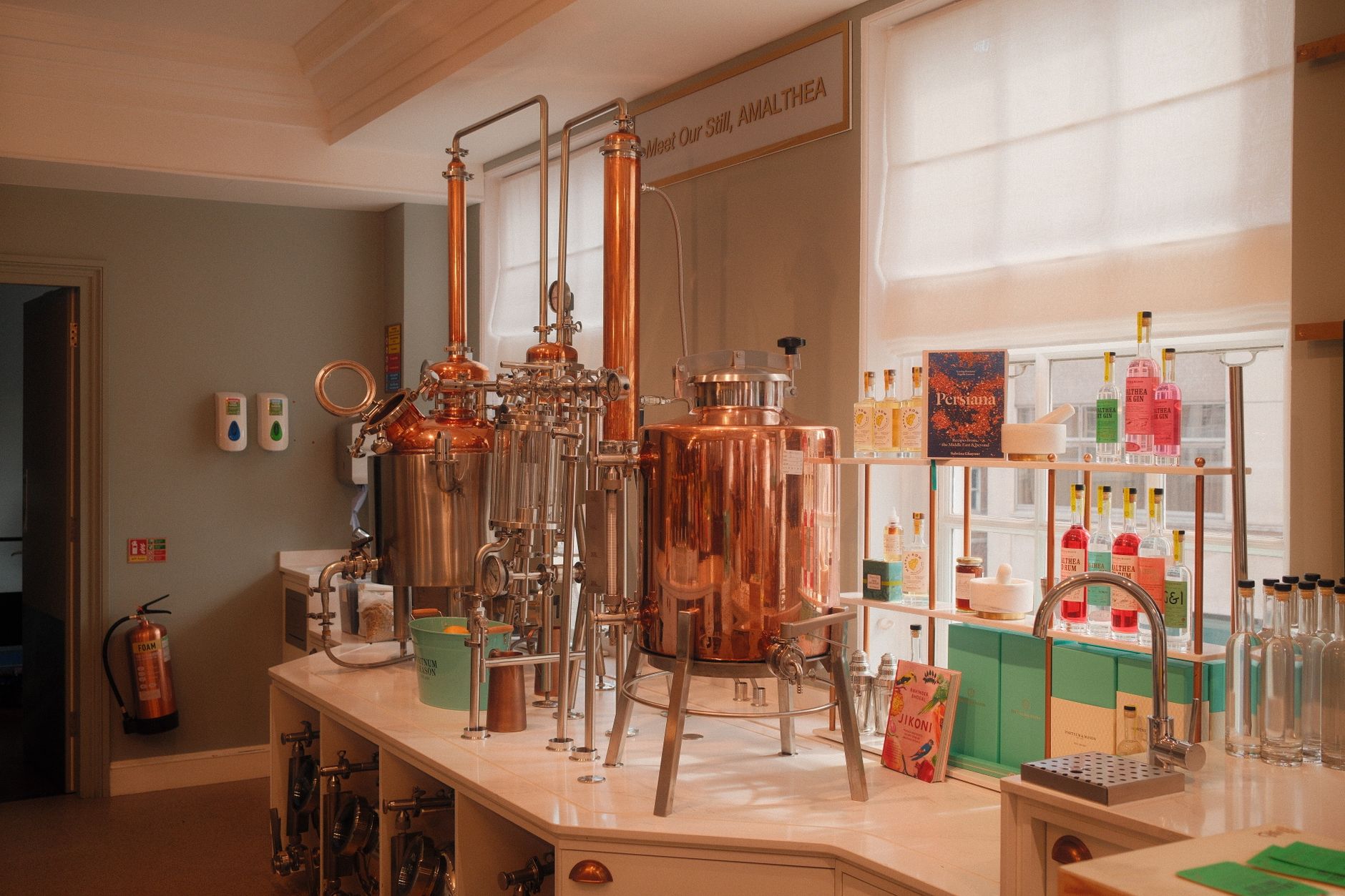
Gin is a beloved spirit known for its distinctive botanical flavors and versatility in cocktails. Originating in Europe, this aromatic drink has a rich history that intertwines with various cultural practices. Understanding where gin comes from can enhance your appreciation for this spirit and inform your choices when selecting different varieties.
In this article, we will explore the origins of gin, its historical evolution, production methods, the different styles available today, and some helpful tips for enjoying and incorporating gin into your beverage repertoire.
Where Does Gin Come From?
Gin originated from the Netherlands, specifically from a Dutch spirit known as “jenever” or “genevre.” It gained popularity in England during the 17th century and evolved into the gin we recognize today. The spirit is deeply rooted in European culture and has a fascinating history that reflects its growth and transformation through the ages.
The Historical Background of Gin
Gin’s journey begins in the early 1600s when Dutch physicians began distilling juniper berries with malted barley to create jenever, a medicinal elixir. Initially, this spirit was used for its purported health benefits and was often prescribed for various ailments.
As trade and cultural exchanges increased, the drink crossed into England in the late 17th century. Popularity surged during the reign of King William of Orange, who encouraged the importation of jenever. By the early 18th century, gin had become a staple among the British populace, leading to the infamous “Gin Craze,” where consumption skyrocketed, especially in urban areas.
The Evolution of Gin in England
During the 18th century, gin underwent several changes. The introduction of the gin act in 1736 aimed to curb excessive production and consumption, yet it backfired, leading to a rise in illegal distilling.
By the late 1800s, the process for producing gin had improved significantly. The invention of the column still allowed for a higher purification and extraction of flavors, paving the way for the creation of London Dry Gin, a style characterized by its aromatic profile and juniper-forward taste.
The Distillation Process of Gin
Gin is primarily made from three ingredients: grain, water, and botanicals. The distillation process involves several key steps to create the final product.
Ingredients Used in Gin Production
- Grains: The base of gin is typically made from grains like barley, corn, rye, or wheat, which are fermented and distilled to produce a neutral spirit.
- Water: Pure, soft water is crucial for diluting the spirit and ensuring the final product’s smoothness.
- Botanicals: Juniper is the most critical botanical in gin, providing its signature flavor. Other common botanicals include coriander, angelica root, citrus peels, and various herbs and spices.
Step-by-Step Distillation Process
- Malt Selection: Select high-quality grains that will be mashed and fermented to produce alcohol.
- Fermentation: The grains are mashed and combined with yeast, which converts the sugars into alcohol.
- Distillation: The fermented mixture is distilled in pot or column stills, separating alcohol from impurities and concentrating flavors.
- Botanical Infusion: During distillation, the chosen botanicals are added to the still. The alcohol vapor absorbs the flavors of the botanicals, creating the character of the gin.
- Filtration and Dilution: After distillation, the gin is filtered and diluted with water to achieve the desired alcohol content, usually around 40% ABV.
- Bottling: Finally, the gin is bottled and labeled for distribution and sale.
Different Styles of Gin
Gin is not a one-size-fits-all beverage. Various styles cater to different palates and preferences, each with its distinguishing characteristics.
London Dry Gin
London Dry Gin is perhaps the most recognized style and is known for its strong juniper flavor. It is produced without any added sugar after distillation and typically showcases a crisp, clean profile with botanical notes that can include coriander, citrus, and various herbs.
Old Tom Gin
Old Tom Gin is a slightly sweeter style that was popular in the 18th century. It balances the juniper flavor with botanicals that provide additional sweetness, making it a versatile option for cocktails, especially classic gin drinks.
Geneva
Geneva, the original style of gin, has a malty flavor profile derived from the use of malted grains. It tends to be richer and sweeter than standard gins, appealing to those who appreciate a deeper, more complex spirit.
Sloe Gin
Sloe gin is a fruit liqueur made by infusing gin with sloe berries (the fruit of the blackthorn bush). It is sweeter and fruitier, making it perfect for sipping or mixing in cocktails.
Cask-Aged Gin
As the name suggests, cask-aged gin matures in wooden barrels, similar to whiskey. This aging process imparts additional flavors and colors to the gin, resulting in a spirit with rich, complex characteristics that differ from traditional styles.
How to Enjoy Gin: Cocktails and Pairings
Gin’s versatility makes it an ideal base for a wide range of cocktails. Here are a few classic drinks that highlight gin’s unique flavors.
Classic Gin & Tonic
The gin and tonic is a refreshing combination that pairs well with the herbal and citrus notes of gin. Use quality tonic water and garnish with fresh lime or grapefruit to elevate the flavors.
Dry Martini
The dry martini is a sophisticated choice. Typically made with gin and dry vermouth, this cocktail allows the gin’s botanical notes to shine through. Serve it chilled in a coupe glass and garnish with an olive or a lemon twist.
For a complete recipe on a Dry Gin Martini, check out the Dry Gin Martini Recipe.
Negroni
The Negroni is a bitter-sweet drink that combines gin, Campari, and sweet vermouth. It’s an old-fashioned Italian aperitif that delivers a complex and balanced taste.
Gin Fizz
The gin fizz is a refreshing cocktail made with gin, lemon juice, sugar, and soda water. Shake the ingredients with ice and strain into a glass for a bubbly and tangy treat.
Helpful Tips for Choosing and Storing Gin
Whether you are a gin enthusiast or a newcomer, these tips will help you select and store gin to maintain its quality:
Choosing the Right Gin
- Understand Your Preferences: Pay attention to your flavor preferences. Do you enjoy a traditional juniper-forward gin, or are you looking for something floral or citrusy?
- Sampling Different Brands: Explore various artisanal and craft gin brands to discover unique flavor profiles and styles.
- Consider the Intended Use: Think about whether you plan to sip it neat, mix it in cocktails, or create a punch when selecting a gin.
Storing Gin
- Keep It Cool: Store gin in a cool, dark place away from direct sunlight to preserve its flavors.
- Airtight Seal: Ensure the bottle is sealed tightly to prevent oxidation and maintain its quality.
- Use Within a Reasonable Time: While gin can last indefinitely, try to consume it within a couple of years for the best taste.
Common Mistakes to Avoid with Gin
When it comes to gin, a few common mistakes can detract from your enjoyment:
- Using Subpar Tonic Water: Not all tonic waters are created equal. Opt for high-quality tonic with less sugar to enhance your gin.
- Overloading with Botanicals: When making cocktails, be careful not to overpower the gin with too many additional flavors.
- Serving at the Wrong Temperature: Ensure gin is served chilled unless specified otherwise in a cocktail recipe.
The Global Influence of Gin
In today’s global landscape, gin continues to evolve. Different countries have adopted gin-making techniques, producing unique regional varieties. For instance, Spain has embraced the gin and tonic culture, often serving it with extravagant garnishes. Meanwhile, countries like Japan have developed distilleries that focus on craftsmanship and artistry in their gin production.
Conclusion
Gin has a storied history and versatile applications that make it a favorite among spirits worldwide. Understanding where gin comes from, its historical significance, and the various styles available can deepen your appreciation for this intriguing beverage. By selecting quality ingredients and employing proper storage techniques, you can enjoy gin to its fullest.
For a refreshing spin on cocktails, consider trying our Gin and Juice Recipe. Explore the world of gin and discover what makes it so beloved across cultures!