
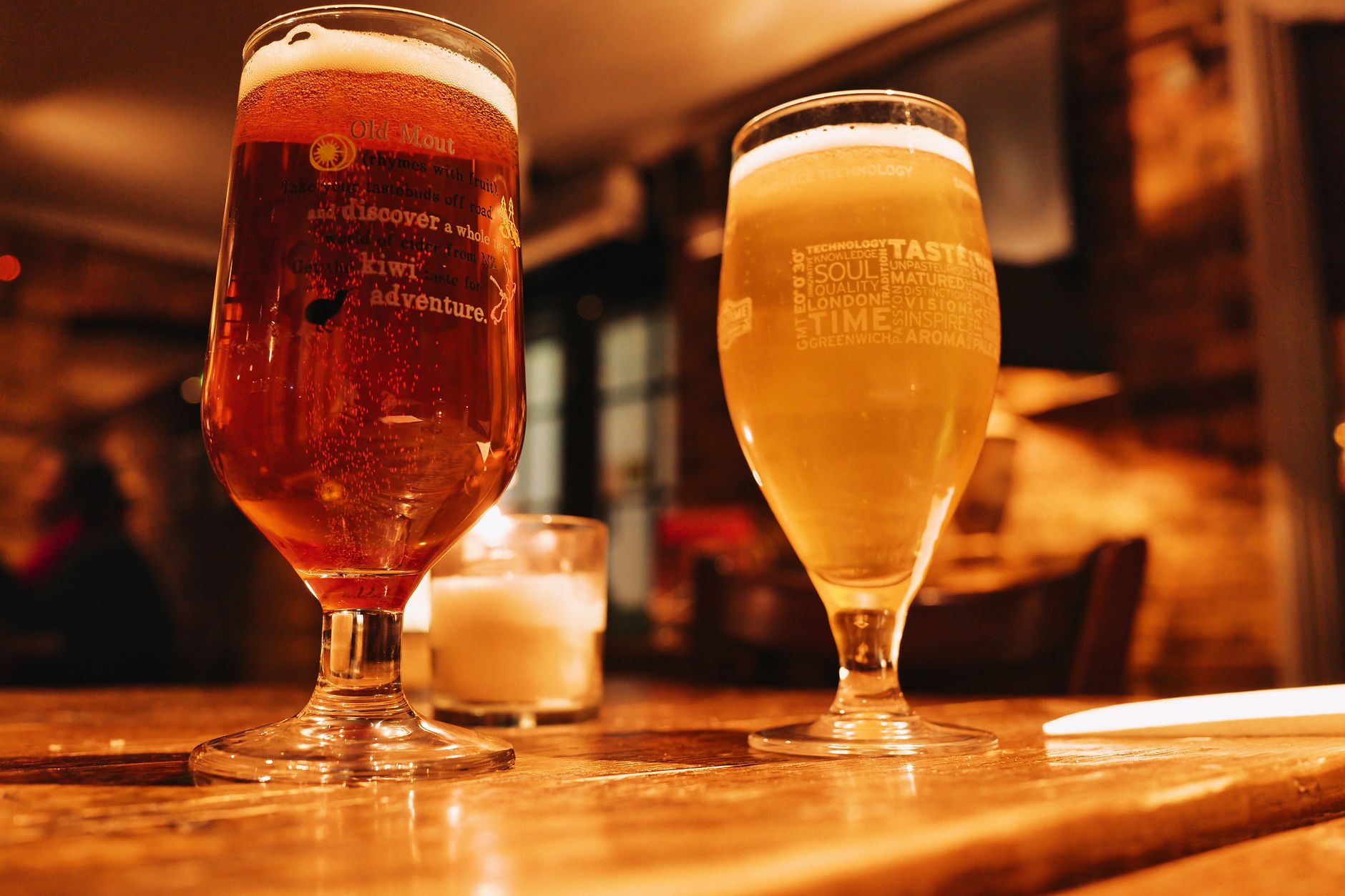
Beer and ale are two popular beverages that often leave consumers scratching their heads when it comes to their differences. While both beverages are brewed using similar ingredients, the methods of fermentation and specific characteristics set them apart. This article explores what differentiates beer from ale, including key components, brewing methods, and flavor profiles.
Understanding the differences can enhance your appreciation for these beverages, whether you are choosing the perfect drink for a meal, planning a beer tasting, or even venturing into homebrewing. Let’s delve into the details.
What Is The Difference Between Beer And Ale?
The primary difference between beer and ale lies in the fermentation process. Ale is a type of beer that is brewed using top-fermenting yeast at warmer temperatures, while beer is a general category that encompasses all fermented beverages made from grains, including lagers and ales. This fermentation method affects the flavor, aroma, and overall profile of the beverage.
The Basics of Beer
Beer is the overarching term used to describe a variety of fermented beverages made from grains, primarily barley, which is malted to create sugars needed for fermentation. Key ingredients in beer production include:
- Water: The main component, making up about 90% of the beverage.
- Malt: Barley or other grains that have been sprouted and dried, providing sugars for fermentation.
- Hops: Flowers used for bitterness, flavor, and aroma, balancing the sweetness of malt.
- Yeast: Microorganisms responsible for fermentation, converting sugars into alcohol and carbon dioxide.
Beer can be divided into several categories, including ales, lagers, stouts, and porters, each with unique characteristics based on the fermentation process and ingredients used.
Ale: The Top-Fermenting Option
Ale is a type of beer characterized by its use of top-fermenting yeast, usually Saccharomyces cerevisiae. This yeast rises to the top during fermentation and works best at warmer temperatures, typically between 60°F and 75°F (15°C to 24°C). The result is a brew that is often fruity, complex, and rich in flavor.
Common styles of ale include:
- Pale Ale: Known for its balanced taste of malt and hops, with moderate alcohol content.
- India Pale Ale (IPA): Hoppy and often higher in alcohol, IPAs range from fruity to bitter.
- Brown Ale: Rich and malty, often with notes of caramel and chocolate.
- Porter: Dark ale with flavors of chocolate and coffee.
- Stout: Even darker than porters, stouts can be rich and creamy, with flavors that range from bitter to sweet.
The Lager Distinction
In contrast to ale, lager is brewed using bottom-fermenting yeast, typically Saccharomyces pastorianus. This yeast settles at the bottom of the fermentation vessel and thrives at cooler temperatures, around 45°F to 55°F (7°C to 13°C). Lagers tend to have a cleaner taste, with a crisp finish and more subtle flavors compared to ales.
Styles of lager include:
- Pilsner: A crisp, light lager with a pronounced hop bitterness.
- Helles: A maltier alternative to pilsner, with a balanced flavor profile.
- Dunkel: A dark lager with hints of caramel and toasty flavors.
- Bock: A strong lager that is malty and rich.
Fermentation Explained
The fermentation process is the heart of brewing and significantly affects the final product. Let’s break down the differences in fermentation for ale and lager:
Ale Fermentation
- Yeast is added to the wort (the liquid extracted from the malt), which begins fermentation at warmer temperatures.
- The yeast consumes the sugars, producing alcohol and carbon dioxide.
- Fermentation typically lasts from a few days to two weeks, depending on the desired flavor profile.
- Ales may undergo a conditioning period, where additional flavors develop, often resulting in a more complex taste.
Lager Fermentation
- Yeast is pitched into the wort at cooler temperatures, promoting a slower fermentation.
- The yeast works more slowly, resulting in a cleaner profile with fewer esters and phenols.
- Primary fermentation can take one to three weeks, followed by a lagering phase of several weeks to months where the beer matures and clarifies.
Flavor Profiles
The flavor profiles of ales and lagers vary dramatically due to the fermentation process and the ingredients used. Ales are often fruitier and more aromatic, owing to the warmer fermentation temperatures that produce higher levels of esters and phenols.
On the other hand, lagers tend to exhibit a cleaner, crisper taste due to the cooler fermentation conditions. This difference can be notable when pairing with food, as ales often complement richer, spiced dishes, while lagers pair better with lighter, more subtle flavors.
Food Pairings with Ales and Lagers
Understanding the differences in flavor can help you make informed decisions when pairing beer with food. Here are suggestions for pairing ales and lagers:
Ale Pairings
- Pale Ale: Great with grilled meats, spicy dishes, and rich cheeses.
- IPA: Pairs well with bold flavors like spicy curries and rich barbecued meats.
- Brown Ale: Perfect with roasted nuts, caramel desserts, and hearty stews.
- Stout: Complementary with chocolate desserts, grilled meats, or even a rich beef stew.
Lager Pairings
- Pilsner: Pairs nicely with seafood, light salads, and grilled chicken.
- Helles: Fantastic with pretzels, sausages, and mild cheeses.
- Dunkel: Great with roasted meats, barbecue, and chocolate desserts.
- Bock: Works well with hearty flavors like caramelized onions, rich burgers, and even pastries.
Crafting Your Own Beer
If you’re interested in exploring the world of beer more intimately, homebrewing can be a rewarding endeavor. Whether you choose to make ale or lager, understanding the foundational differences will be key to producing a quality beverage. Here’s a general overview of the homebrewing process:
Basic Homebrewing Steps
- Gather Equipment: You’ll need a fermentation vessel, stirring tools, boiling pot, bottles, and caps.
- Sanitize: Cleanliness is crucial in brewing to avoid contamination.
- Heat Water: Bring water to a specific temperature and add your malt to extract sugars.
- Add Hops: Introduce hops at various stages for bitterness and aroma.
- Cool the Wort: Quickly cool the mixture to prepare for fermentation.
- Add Yeast: Pitch your chosen yeast after cooling.
- Ferment: Allow wort to ferment for the specified period, monitoring temperature and gravity.
- Bottle and Condition: Transfer to bottles, add priming sugar, cap them, and let them condition.
When making ales, you typically have a faster turnaround, while lagers require more time due to the lagering phase. Each type has its nuances, but the fundamental principles apply.
Common Mistakes in Brewing
When venturing into homebrewing, there are common pitfalls to avoid:
- Poor Sanitation: Not thoroughly cleaning your equipment can lead to contamination.
- Ignoring Temperature: Fermenting at the wrong temperature can alter the flavor profile significantly.
- Improper Bottling: Not adding the correct amount of priming sugar can lead to flat or over-carbonated beer.
- Testing for Readiness: Not waiting long enough for fermentation can result in unbalanced flavors.
Exploring Flavor Variations
While understanding the basics of ale and lager is essential, the brewing world is vast, with many variations and experimental styles emerging. For example, innovative brewers are creating hybrids such as American wheat ales and hybrid lagers. Here are some other flavor and style variations:
- Fruit Beers: Ales or lagers brewed with fruits can add unique flavors.
- Spiced Ales: Hints of spices or herbs can create seasonal or specialty brews.
- Smoked Beers: Use of smoked malt can impart a unique flavor profile.
Conclusion
Understanding the differences between beer and ale provides insight into the brewing process and flavor profiles of these two beverages. Knowing how these categories interact can enhance your beer tasting experience and help you pair selections with food effectively. Whether you opt for the fruity complexity of ales or the clean crispness of lagers, both offer unique experiences worth exploring.
To further enrich your knowledge and skills, consider diving into our featured recipes such as Saison Recipe or indulge in the depth of flavors with our Black Manhattan Cocktail Recipe. Each of these links provides insights into delicious concoctions that pair wonderfully with different types of beers.