
There’s nothing quite like the crisp, refreshing taste of a dry gin martini as you unwind after a long day. This classic cocktail is elegant, simple, and a true testament to the art of mixology, boasting a perfect balance of botanical flavors and a touch of vermouth.
Why You’ll Love This Recipe
This recipe stands out for its simplicity and sophistication. It’s a timeless drink that never fails to impress.
- Quick to prepare, needing only a few ingredients.
- Perfectly customizable to suit your taste.
- Refreshing with a subtle herbal twist.
- Ideal for both casual sips and formal occasions.
My Experience Making This Recipe
When I first decided to make a dry gin martini, I was surprised by how easy it was to create something so classic at home. The aroma of the gin mingling with the vermouth was simply intoxicating.
As I took my first sip, I was transported to a cozy bar, complete with dim lights and soft jazz. Friends who joined me couldn’t help but compliment the drink, eagerly asking for the recipe.
Recipe Overview
- Recipe Name: Dry Gin Martini
- Servings: 1
- Prep Time: 5 minutes
- Cook Time: 0 minutes
- Total Time: 5 minutes
- Course: Cocktail
- Cuisine: American
Equipment You Will Need
- Mixing glass or cocktail shaker
- Bar spoon or stirring stick
- Jigger or measuring tool
- Strainer
- Cocktail glass
Ingredients for Dry Gin Martini
- 2.5 ounces of dry gin
- 0.5 ounces of dry vermouth
- Ice cubes
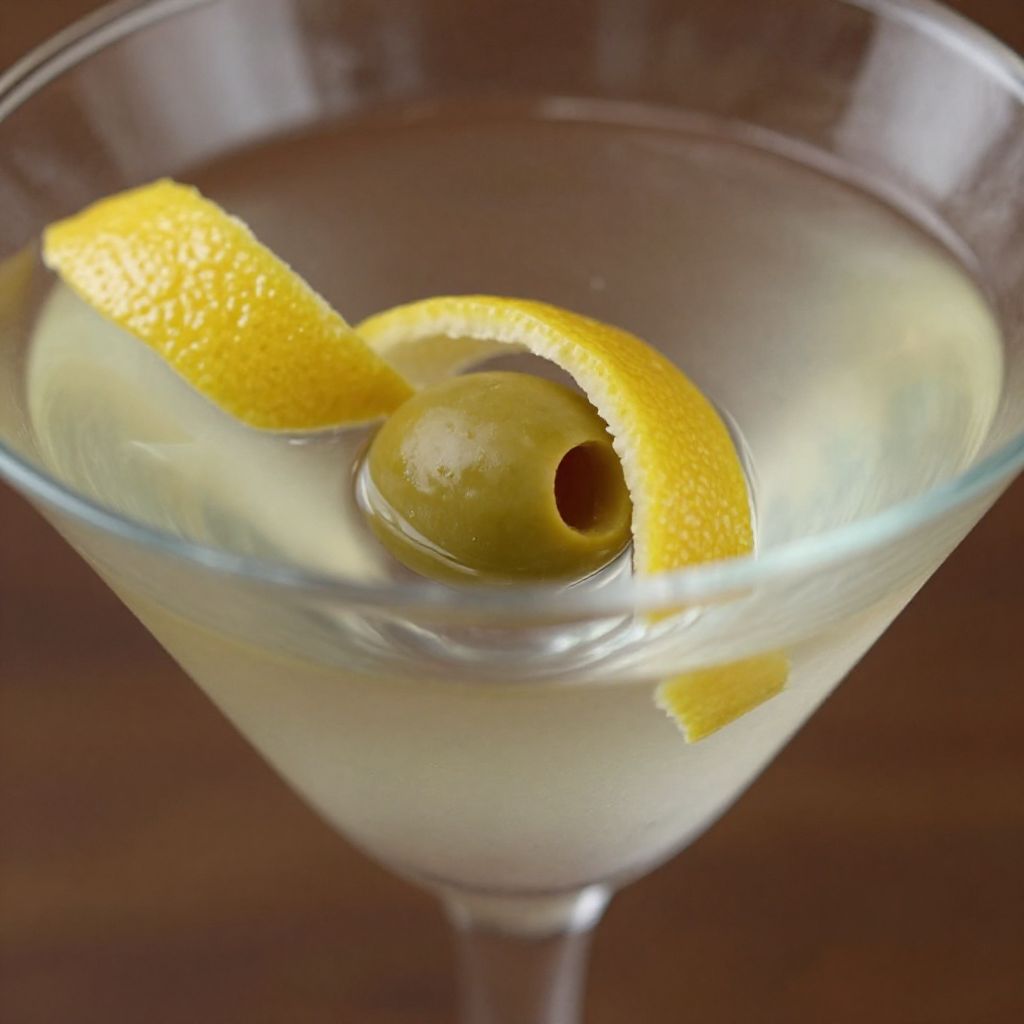
- Olive or twist of lemon peel for garnish
Ingredient Notes and Substitutions
- Dry gin: This is the star of the show, bringing aromatic flavors. A good substitute is a high-quality London dry gin.
- Dry vermouth: It adds complexity and sweetness. You can use a different type of vermouth, but the flavor profile will change.
- Ice: Essential for chilling the drink quickly. Any fresh ice will work, but avoid ice that has been sitting out.
- Garnish: An olive adds a savory note, while lemon provides brightness. Choose based on your personal preference.
How to Make Dry Gin Martini
Step 1: Chill Your Glass
Start by chilling your cocktail glass. This keeps your drink cool longer, enhancing your sipping experience.
Step 2: Prepare Your Mixing Glass
Add ice cubes to your mixing glass or cocktail shaker. This allows the drink to chill and dilute slightly, achieving the perfect balance.
Step 3: Measure the Gin
Pour in 2.5 ounces of dry gin using a jigger. A precise measurement ensures that your martini hits that sweet spot between strong and smooth.
Step 4: Add the Vermouth
Add 0.5 ounces of dry vermouth to the glass. This ingredient complements the gin, creating a harmonious blend of flavors.
Step 5: Stir the Mixture
Using a bar spoon, gently stir the mixture for about 30 seconds. Stirring instead of shaking keeps the drink crystal clear and silky smooth.
Step 6: Strain Into Glass
Using a strainer, pour the mixture into your chilled cocktail glass. This keeps any ice shards out and presents a polished drink.
Step 7: Garnish Your Drink
Garnish with an olive or a twist of lemon peel. This adds a final touch that enhances both aroma and flavor.
Step 8: Enjoy Your Martini
Take a moment to appreciate your creation before sipping. The first taste is always the best part, so cheers!
Pro Tip: For a dryer martini, reduce the vermouth to a splash or even rinse the glass with it.
Tips for the Best Dry Gin Martini
- Use high-quality gin for a smoother taste.
- Chill everything: the glass, the mixing tool, and the ingredients.
- Experiment with different gins to find your favorite flavor profile.
- For a twist, try adding a dash of orange bitters.
- Always stir, never shake, to maintain clarity.
Common Mistakes to Avoid
- Using low-quality gin can ruin the drink’s flavor.
- Neglecting to chill the glass results in a warm martini.
- Over-shaking can lead to a cloudy drink.
- Skipping the garnish means missing out on added flavor.
Serving Suggestions
A dry gin martini is perfect on its own, but it also pairs beautifully with a few light snacks.
- Olives or stuffed peppers for a savory bite.
- Cheese platter with sharp cheeses.
- Seafood appetizers like shrimp cocktail.
- Bruschetta for a fresh, crunchy element.
Variations to Try
- Gibson: Replace the olive with a pickled onion for a unique twist.
- Dirty Martini: Add a splash of olive brine for a salty kick.
- Vesper: Mix in vodka for a different base spirit.
- Herbal Twist: Experiment with flavored gins infused with herbs.
Dietary Adaptations
- Gluten-free: Most gins are gluten-free, just check the label.
- Dairy-free: This recipe is naturally dairy-free.
- Vegan: A classic dry gin martini is vegan-friendly.
- Low-carb/Keto: Enjoy without any mixers for a low-carb option.
Storage and Reheating
Refrigerator
Martinis are best served fresh, but you can refrigerate leftover ingredients.
- Keep the gin and vermouth sealed in a cool, dark place.
- Garnishes should be used promptly for the best flavor.
Freezer
A cocktail glass can be stored in the freezer for optimal chilling.
- Do not freeze the martini itself; it is best enjoyed immediately.
Reheating
Reheating is not applicable for this cocktail, as it should always be served cold.
- Make fresh batches for the best experience.
Nutrition and Serving Notes
I have not provided a calculated nutrition panel for this recipe. Actual calories and carbohydrate content depend on the ingredient brands, measured quantities and serving size. Alcohol contributes calories as well as juices, syrups and liqueurs. A sugar-free substitution for one mixer does not make the whole drink sugar-free or establish that it fits a particular carbohydrate target.
Understanding the Gin-to-Vermouth Balance
I treat the measured gin and vermouth as the starting point for this version. Dry describes the drink’s proportion and flavor; it does not mean every martini must contain virtually no vermouth. Changing that amount changes the herbal, wine-like component as well as the strength of the finished drink. Make one measured serving first, record any adjustment, and repeat that proportion when mixing for someone else.
Vermouth is an aromatized wine, so the condition of an opened bottle matters. Follow the producer’s refrigeration and use-after-opening instructions. A bottle that has been sitting warm for a long time is not a neutral ingredient: its flavor may have changed. Keep the same gin and vermouth during comparisons so you are assessing the proportion rather than several changes at once.
Stirring, Ice and Serving Temperature
Stirring chills the drink and adds water as ice melts. That dilution is part of making the cocktail, rather than a fault to eliminate entirely. A chilled glass slows warming after the pour, but it cannot correct a warm mixture that was never stirred adequately. Use sound, clean ice and a mixing glass with enough room to stir without splashing. Strain when the drink is cold rather than leaving it on melting ice while preparing garnishes.
Ice cubes vary in size and temperature, so a fixed number of cubes is not a universal measure of cooling or dilution. I focus on repeatable conditions: the same mixing vessel, similar ice, measured liquids and a similar stirring approach. When making several servings, keep the glasses ready and mix manageable batches. A very full mixing glass makes it harder to stir evenly and pour accurate portions.
Choosing and Preparing the Garnish
A lemon twist adds aroma from the peel. Wash the fruit, cut a shallow strip that avoids excessive white pith, and express the peel over the finished glass if that is the presentation you want. Prepare the garnish before stirring so the finished drink can be served promptly. An olive creates a different savory finish; olive brine is an additional ingredient and changes this into a dirty variation rather than an equivalent garnish swap.
I keep garnishes separate from the mixing glass to make the base recipe easier to repeat. If someone wants less citrus aroma or no garnish, that preference can be accommodated without changing the measured spirit and vermouth. For dietary restrictions, check packaged olives and other additions as well as the two principal bottles.
Frequently Asked Questions
Can I Use Flavored Gin for This Recipe?
Absolutely! Flavored gins can add an interesting twist, but start with a small amount to see how it blends.
Can I Make This Ahead of Time?
It is best to prepare martinis fresh, but you can pre-measure your ingredients for convenience.
How Should I Store Leftover Vermouth?
Store opened vermouth in the refrigerator to maintain its flavor for a longer time.
What If My Martini Is Too Strong?
If it’s too strong, try adding a splash more vermouth next time, or serve it with a bit of water on the side.
Can I Skip the Vermouth?
You can, but the vermouth adds necessary depth and flavor to the drink.
Final Thoughts
Making the perfect dry gin martini at home is easier than you think and truly rewarding. Enjoy this classic cocktail as you unwind or impress your friends with your bartending skills.
If you enjoyed this recipe, check out more options like an crisp martini recipe or explore the related recipes linked throughout this page for more delightful beverages.

Dry Gin Martini
Ingredients
Equipment
Method
- Chill your cocktail glass in the freezer for at least 5 minutes.
- Fill a mixing glass or cocktail shaker with ice cubes.
- Pour in 2.5 ounces of dry gin into the mixing glass using a jigger.
- Add 0.5 ounces of dry vermouth to the mixing glass.
- Stir the mixture gently with a bar spoon for about 30 seconds.
- Strain the mixture into the chilled cocktail glass using a strainer.
- Garnish with an olive or a twist of lemon peel.
- Serve immediately and enjoy your dry gin martini.