
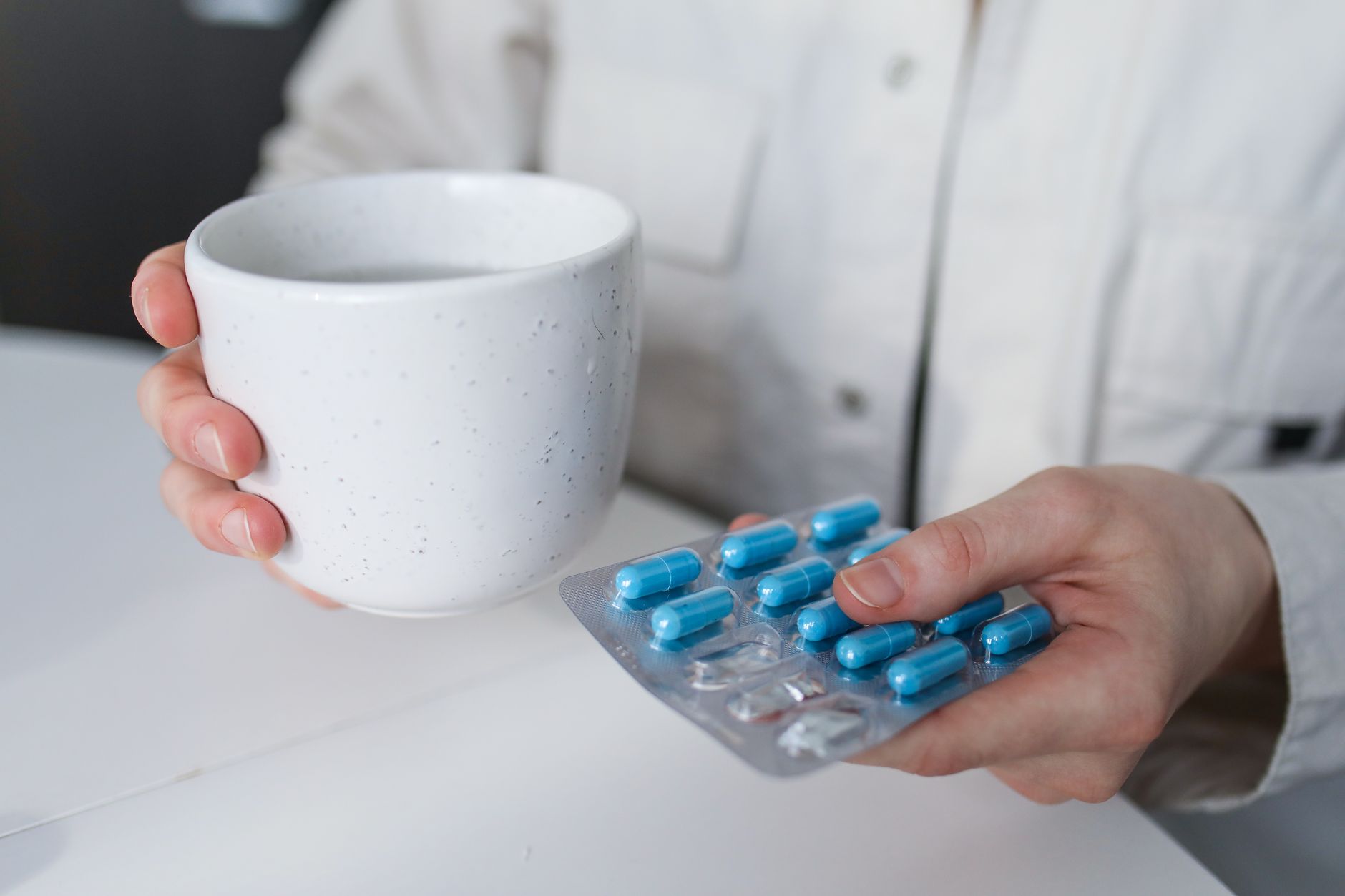
Coffee is a beloved beverage enjoyed by many, often serving as a morning pick-me-up or a mid-afternoon boost. However, if you find yourself on a course of antibiotics, you may wonder if sipping that daily cup of joe is a good idea. This article will explore the relationship between coffee and antibiotics, addressing both potential concerns and guidelines to keep in mind.
Understanding the interaction between coffee and antibiotics can help you make informed decisions about your health and ensure that your recovery remains on track. Let’s dive into the specifics of whether you can drink coffee while on antibiotics and what you should consider before doing so.
Can I Drink Coffee While Taking Antibiotics?
Yes, you can generally drink coffee while taking antibiotics. However, certain types of antibiotics may interact with caffeine, leading to potential side effects. It’s vital to consult with your healthcare provider or pharmacist to understand any specific concerns related to the particular antibiotic prescribed to you. In most cases, moderation is key.
Understanding Antibiotics and Their Function
Antibiotics are medications used to treat bacterial infections. They work by killing bacteria or inhibiting their growth. However, they do not affect viral infections, such as the common cold or flu. When taking antibiotics, it’s important to complete the entire prescribed course to prevent the development of antibiotic-resistant bacteria.
Different classes of antibiotics can have varying mechanisms of action, including:
- Penicillins: Commonly used for respiratory infections, skin infections, and urinary tract infections.
- Cefalosporins: Often prescribed for more serious infections, such as pneumonia or skin infections.
- Macrolides: Frequently used for respiratory infections and certain sexually transmitted infections.
- Tetracyclines: Effective against infections like acne and certain respiratory infections.
How Caffeine Interacts with Antibiotics
Caffeine is a central nervous system stimulant found in coffee and other beverages. While caffeine consumption is generally safe, it can interact with some medications, including certain antibiotics. Here’s a closer look at how this interaction operates:
Potential Interactions
The interaction between antibiotics and caffeine is not common but can occur. Here are some key points to consider:
- Ciprofloxacin: This antibiotic may increase caffeine levels in the body, leading to heightened effects such as insomnia, nervousness, or increased heart rate.
- Theophylline: Sometimes used in respiratory conditions, it can interact with several antibiotics, impacting how caffeine is metabolized.
- Doxycycline and Minocycline: Though primarily not known to interact significantly with caffeine, high caffeine intake could exacerbate side effects like jitteriness.
Factors to Consider
When weighing the decision to drink coffee while on antibiotics, consider these factors:
- Your Health Condition: If your body is already dealing with an infection, consuming extra caffeine may lead to insomnia or increased anxiety, potentially impacting your healing process.
- Dosage of Antibiotics: Higher doses are more likely to result in interactions, so if you are on a stronger antibiotic, it might be wise to reduce caffeine intake.
- Your Caffeine Tolerance: If you regularly consume coffee, you may be more accustomed to its effects. For those less tolerant, even small amounts of caffeine may be overwhelming.
When Is It Best to Avoid Coffee?
While many antibiotics do not interact significantly with caffeine, some situations warrant caution. It’s best to limit or avoid coffee if:
- You experience side effects such as nausea, dizziness, or insomnia while taking the antibiotic.
- Your healthcare provider advises against caffeine due to specific interactions with the prescribed antibiotic.
- You are treating a severe infection, and your body needs rest. Caffeine can disrupt sleep and impede recovery.
Best Practices for Consuming Coffee While on Antibiotics
If you decide to continue drinking coffee while on antibiotics, consider these best practices to minimize any negative effects:
Moderate Your Intake
Limiting your coffee consumption to one to two cups a day can help balance both enjoyment and your body’s reaction to antibiotics. Pay attention to how your body responds after consuming coffee while on these medications.
Time Your Coffee Consumption
To reduce interference with the absorption of antibiotics, consider drinking coffee at times away from when you take your medication. For example, if you take your antibiotics in the morning, wait a couple of hours before enjoying your coffee.
Monitor Side Effects
Be vigilant regarding any changes in how you feel when consuming coffee while taking antibiotics. If you notice increased jitteriness, insomnia, or heart palpitations, consider cutting back or discussing your symptoms with a healthcare provider.
Maintain a Balanced Diet
Ensure that your diet includes a variety of nutrients to support healing. Foods rich in probiotics, such as yogurt and fermented products, can help restore gut health which is often affected during antibiotic treatment. Pairing your coffee with nutritious snacks may enhance overall health during recovery.
Alternatives to Coffee
If you’re advised to limit coffee while on antibiotics, or if you simply want a change, consider these caffeine alternatives:
- Herbal Teas: Many herbal teas are naturally caffeine-free and can provide comforting flavors without the jittery effects.
- Decaffeinated Coffee: Similarly tasting but with lower caffeine content, decaf can allow you to enjoy your coffee ritual without the adverse effects.
- Golden Milk: Created with turmeric, ginger, and warm milk or a milk alternative; it’s a delicious way to enjoy a warming beverage packed with anti-inflammatory benefits.
- Rooibos Tea: Naturally caffeine-free and rich in antioxidants, it can be enjoyed hot or iced as a refreshing alternative.
Common Mistakes and Troubleshooting
There are common misconceptions and mistakes regarding coffee consumption during antibiotic treatment. Here’s how to avoid them:
Forgetting Drug Interactions
Some may overlook the importance of checking with a healthcare provider about potential interactions. Discussing all medications and habits, including caffeine consumption, is crucial during your next visit.
Assuming All Antibiotics Interact
Not all antibiotics negatively interact with caffeine. It’s vital to get the specifics on your prescribed medication, as generalizations may create unnecessary anxiety.
Ignoring Symptoms
If you notice adverse symptoms like increased heart rate, agitation, or gastrointestinal discomfort after coffee or antibiotics, don’t dismiss these signs. Consulting with a healthcare provider about your observations is always wise.
Conclusion
For most individuals, drinking coffee while taking antibiotics is safe, but moderation and awareness of specific medications are essential. Always consult with your healthcare provider regarding any concerns or potential interactions, and monitor your body’s response throughout your treatment. Making thoughtful choices about your beverage intake can help ensure you recover efficiently.
If you’re curious about delicious drink recipes that offer warmth and comfort, explore our recipes for soothing drinks like the Medicine Ball, or invigorate your daily routine with flavorful options like our Ginger Bug recipe, designed to brighten up your beverage choices.