
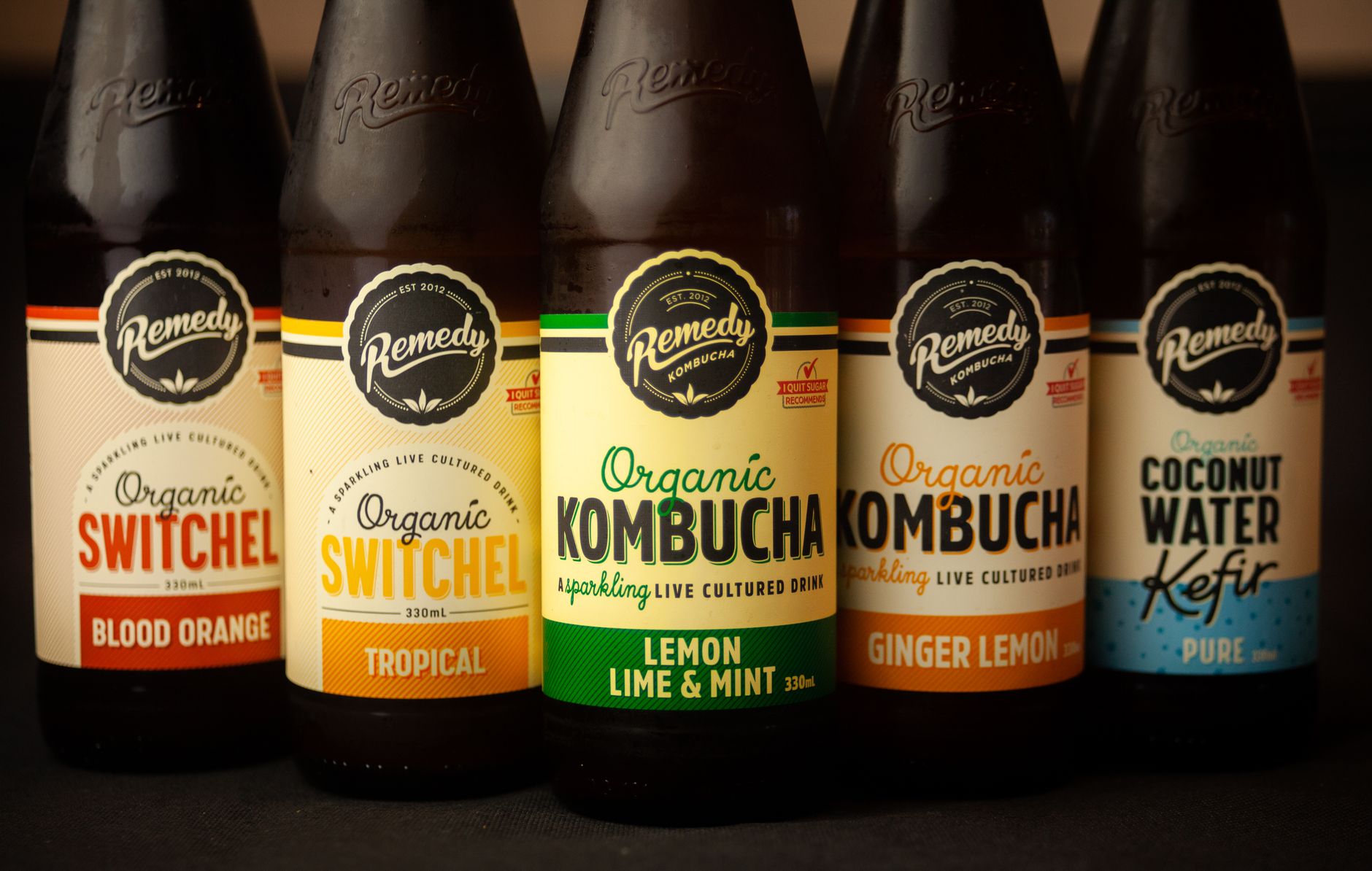
Kombucha has gained immense popularity as a health drink, often touted for its potential benefits. However, there are important questions regarding its safety and whether it can make you sick. Understanding the fermentation process, potential contaminants, and individual reactions can help clarify whether you should indulge in this fizzy beverage.
This article explores the safety of kombucha, how it’s made, possible health effects, and guidelines for consuming it safely. By the end, you’ll have a comprehensive understanding of the risks and benefits associated with this trendy drink.
Can Kombucha Make You Sick?
Yes, kombucha can potentially make you sick if not prepared or consumed correctly. Factors such as contamination, improper fermentation, and individual health conditions can lead to adverse effects. This section will delve into these factors in detail.
What is Kombucha?
Kombucha is a fermented tea beverage that has been consumed for thousands of years. It is made by fermenting sweetened tea using a SCOBY, or Symbiotic Culture Of Bacteria and Yeast. This fermentation process produces a variety of compounds, including probiotics, organic acids, and carbonation, which contribute to its unique flavor and purported health benefits.
The Fermentation Process
Understanding the fermentation process is crucial in evaluating kombucha’s safety. The two primary ingredients—tea and sugar—are the foundation of the fermentation. Here’s a breakdown of the key steps involved in making kombucha:
- Tea Preparation: Brew a batch of tea (black, green, or herbal) and dissolve sugar into the hot liquid. Allow it to cool.
- Adding the SCOBY: Once the tea is cooled, add the SCOBY and some starter kombucha from a previous batch.
- Primary Fermentation: Cover the mixture with a cloth and let it ferment for 7 to 14 days. During this time, yeast and bacteria convert sugar into alcohol and acids.
- Tasting and Secondary Fermentation: After the primary fermentation, taste to determine the desired flavor. For fizziness, you can bottle the kombucha for secondary fermentation with additional sugar, fruit, or flavors.
- Final Product: After bottling, the drink is left to ferment for a few more days before being cooled and consumed.
Potential Risks of Kombucha
While kombucha has many enthusiasts, it does come with potential risks. Here’s a closer look at what may lead to illness:
Contamination
Improper sanitation during the brewing process can lead to contamination with harmful bacteria or mold. If not adequately sterilized, the brewing equipment might harbor pathogens that could spoil the kombucha and make you sick. It’s essential to ensure all tools are thoroughly cleaned before use.
Alcohol Content
The fermentation process produces a small amount of alcohol, typically less than 0.5%. However, homebrews can have higher alcohol levels, which might pose risks for sensitive individuals. Pregnant women, those with alcohol sensitivities, or those avoiding alcohol for health reasons should be cautious.
Acidity
Kombucha is naturally acidic due to the presence of acetic acid and other organic acids. For some individuals, particularly those with gastroesophageal reflux disease (GERD) or other digestive issues, the acidity can lead to discomfort or exacerbation of symptoms.
Excess Sugar and Calories
Some commercially available kombucha brands contain added sugars or flavors that may make them high in calories. Consuming these beverages in moderation is crucial to avoid excess sugar intake and potential blood sugar spikes.
Possible Allergens
Ingredients in kombucha, such as fruit juices or flavorings, may contain allergens. Always check labels if you have known allergies, particularly to ingredients like ginger, citrus, or other flavor additives.
How to Brew Kombucha Safely
If you’re interested in brewing your own kombucha, following a few safety tips can reduce the risk of illness:
- Use Quality Ingredients: Select high-quality tea and sugar. Avoid herbal teas that may not be safe for fermentation.
- Sanitize Equipment: Boil tools, jars, and utensils before use. Consider using vinegar or a solution designed for brewing to sterilize the equipment.
- Monitor Fermentation: Keep the kombucha in a warm, dark place and monitor the fermentation process closely. Taste regularly to judge when it’s ready.
- Write Down Your Process: Keep records of your brewing process, including temperatures and times, to avoid variations that could lead to contamination.
- Store Properly: Once bottled, store the kombucha in a refrigerator to halt fermentation and preserve its taste and safety.
Signs of Spoilage
Learning to identify spoilage is important to prevent health issues. Here are some signs that your kombucha may be spoiled:
- Off Smell: If you notice a strong or unpleasant odor that differs from the usual fermented smell, it might be spoiled.
- Mold Growth: Check for any fuzzy or spotty growth, particularly on or around the SCOBY. If mold is visible, discard the entire batch.
- Unusual Flavor: If the kombucha tastes off, overly bitter, or rancid, it would be best not to consume it.
- Bubble Fizzing: An excess of fizz or unpleasant bubbles could indicate an issue with carbonation or fermentation.
Health Considerations
While kombucha is popular for its probiotic qualities, it’s important to consider individual health conditions before enjoying it. Here are some factors to keep in mind:
Probiotics and Gut Health
Kombucha contains live bacteria that can support gastrointestinal health. However, for those with compromised immune systems, it might not be advisable to consume raw probiotic-rich foods until consulting a healthcare provider.
Interactions with Medications
Some individuals may experience interactions between kombucha and medications, especially those that affect the liver or are metabolized by the liver. It’s wise to speak with your healthcare provider about potential effects.
Pregnancy and Kombucha
Due to the alcohol content and presence of probiotics, pregnant women should exercise caution. Consulting with a healthcare professional before consuming kombucha during pregnancy is recommended.
Commercial vs. Homemade Kombucha
Many people choose to buy commercially prepared kombucha, believing in its safety and consistent quality compared to homemade versions. However, not all commercial brands are created equal. Here’s what you should consider:
- Ingredients List: Always read the label for any added sugars, preservatives or artificial flavors that could negate health benefits.
- Alcohol Content: Some brands may exceed the federal specification of 0.5% alcohol content, especially craft or hard kombucha varieties.
- Reputable Brands: Choose kombucha from reputable brands known for quality control and safe production practices.
Safe Consumption Guidelines
If you’re new to kombucha, moderation is key. Here are some best practices:
- Start Slow: If it’s your first time, start with a small amount (3 to 4 ounces) and observe how your body reacts.
- Limit Serving Size: Consider limiting consumption to one 8-ounce serving per day to minimize adverse effects.
- Check for Symptoms: Pay attention to your body’s reactions. If you experience any adverse symptoms, cease consumption and consult a healthcare provider.
Conclusion
Kombucha can make you sick under certain conditions, particularly if it’s contaminated or not properly brewed or stored. By understanding the brewing process, being cautious of potential risks, and observing how your body responds, you can enjoy kombucha as a delicious and potentially beneficial drink. Always prioritize safety over trends, and when in doubt, consult a healthcare professional.
For those interested in exploring more beverages, consider trying a hard kombucha recipe or delve into crafting a ginger bug for fermentation. Both can add unique flavors and healthful nutrients to your diet.
Explore more with our hard kombucha recipe or check out our ginger bug recipe for some exciting drink ideas!