
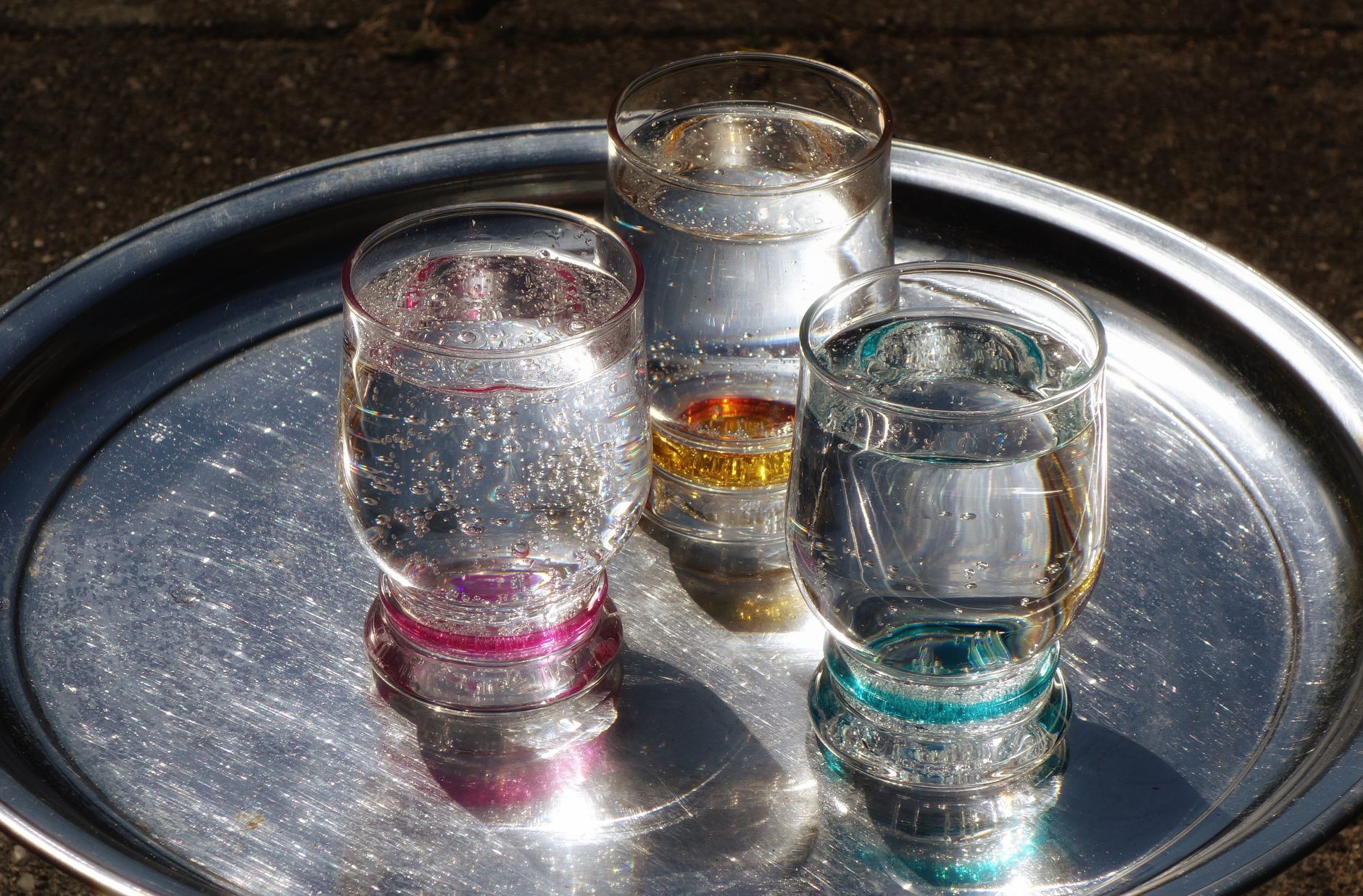
Sparkling water has gained popularity as a refreshing beverage choice, but many may wonder about its health implications. Understanding the effects of sparkling water on the body can help you make informed decisions about incorporating it into your daily routine.
From its hydration benefits to potential drawbacks, this guide explores the essential information you need to know about sparkling water and its role in a healthy diet.
Is Sparkling Water Good For You?
Yes, sparkling water can be a healthy and hydrating alternative to sugary drinks. It provides the same hydration benefits as still water, without added calories or sugar. However, it’s important to consider individual health needs and preferences when incorporating sparkling water into your diet.
What is Sparkling Water?
Sparkling water, also known as carbonated water, is water that has been infused with carbon dioxide gas under pressure, resulting in bubbles. It can come in various forms, including:
- Natural Sparkling Water: Sourced from mineral springs, this type contains natural carbonation and minerals.
- Club Soda: Carbonated water with added minerals like sodium bicarbonate, giving it a slightly salty taste.
- Seltzer Water: Plain carbonated water without any added minerals or flavors.
- Tonic Water: A sweetened carbonated beverage that contains quinine, often used as a mixer in cocktails.
Hydration Benefits of Sparkling Water
One of the primary benefits of sparkling water is its ability to hydrate the body effectively. Hydration is crucial for numerous bodily functions, including digestion, temperature regulation, and nutrient absorption.
For some, the fizz in sparkling water makes it more enjoyable to drink than still water, which can lead to increased water intake overall. Staying hydrated plays a vital role in maintaining energy levels and cognitive function.
Caloric and Sugar Content
Unlike sugary sodas and juices, sparkling water typically contains zero calories and sugar, making it a healthier choice. Opting for flavored sparkling water without added sugars or artificial sweeteners can also satisfy cravings for something fruity or refreshing without the extra calories.
Potential Drawbacks
While sparkling water has several benefits, there are some potential drawbacks to consider:
Acidity and Dental Health
The carbonation process creates a slight acidity in sparkling water. This acidity can erode tooth enamel over time, especially in flavored versions that may have added citric acid. To mitigate this risk, it is advisable to:
- Drink it in moderation.
- Use a straw to minimize contact with teeth.
- Rinse your mouth with water after drinking to help neutralize acidity.
Digestive Issues
For some individuals, sparkling water may cause bloating or gas due to the carbon dioxide bubbles. This sensation may be uncomfortable for people with sensitive stomachs or certain gastrointestinal conditions. Pay attention to how your body reacts and moderate your consumption accordingly.
Is Sparkling Water as Good as Still Water?
While both sparkling and still water hydrate effectively, which one is better for you depends on your personal preferences and health needs. Some people find that sparkling water satisfies their thirst more than still water, leading them to drink more overall, while others may prefer the traditional taste of tap or filtered water.
Remember that the key to hydration is to consume enough water throughout the day, regardless of form. Aim for 8-10 cups (about 2-2.5 liters) daily, adjusting for activity levels and climate conditions.
Flavored Sparkling Water Options
If you enjoy adding flavor to your drinks, you may be considering flavored sparkling water options. Here are some things to keep in mind when choosing flavored varieties:
- Check the Ingredients: Look for options that do not contain added sugars or artificial sweeteners.
- Consider Organic Brands: If you’re concerned about pesticide residues or additives, organic sparkling waters can be a safer choice.
- DIY Flavored Sparkling Water: You can easily add natural flavors at home by infusing sparkling water with fresh fruits, herbs, or spices.
How to Make Your Own Sparkling Water
Creating homemade sparkling water allows you to control the ingredients and flavors. Here’s a simple method to create your own natural bubbly drink:
Equipment Needed:
- soda maker
- carbonated water vessels
- measuring cups
Ingredients:
- Filtered water
- Fresh fruits or herbs (optional for flavor)
Instructions:
- Fill the carbonated water vessel with filtered water to the fill line.
- Insert the vessel into the soda maker and carbonate according to the manufacturer’s instructions.
- For added flavor, add slices of fruits like lemon, lime, or berries, or herbs like mint or basil to the carbonated water.
- Stir gently and let sit for a few minutes before enjoying.
Meal Pairings with Sparkling Water
Sparkling water can be enjoyed with a variety of meals and snacks. Here are some delicious pairings to consider:
- Salads: Sparkling water enhances refreshing salads, particularly those with citrus vinaigrettes.
- Seafood: The effervescence complements light seafood dishes, such as shrimp cocktails or grilled fish.
- Light Snacks: Enjoy with fresh veggies, dips, or popcorn for a delightful munching experience.
Common Myths About Sparkling Water
Despite its popularity, several myths exist about sparkling water. Here are some facts to dispel common misconceptions:
Myth 1: Sparkling Water is Bad for Your Bones
Research indicates that carbonated water does not negatively affect bone mineral density. It is often flavored soda and cola that pose concerns due to high phosphorus content and added sugars.
Myth 2: It Causes Weight Gain
Drinking non-caloric sparkling water does not contribute to weight gain. It can be an excellent tool for reducing calorie intake when switching from sugary drinks.
Conclusion
Sparkling water can be a delicious and health-conscious choice for hydration. With zero calories and sugars, it serves effectively as an alternative to traditional sugary drinks. While it provides numerous benefits, moderation is key to alleviating potential drawbacks. Ultimately, your hydration needs are best met through a variety of beverages, including still and sparkling water.
Explore other flavorful options, such as our tonic water recipe or refreshing agua fresca recipe to enhance your beverage repertoire.