
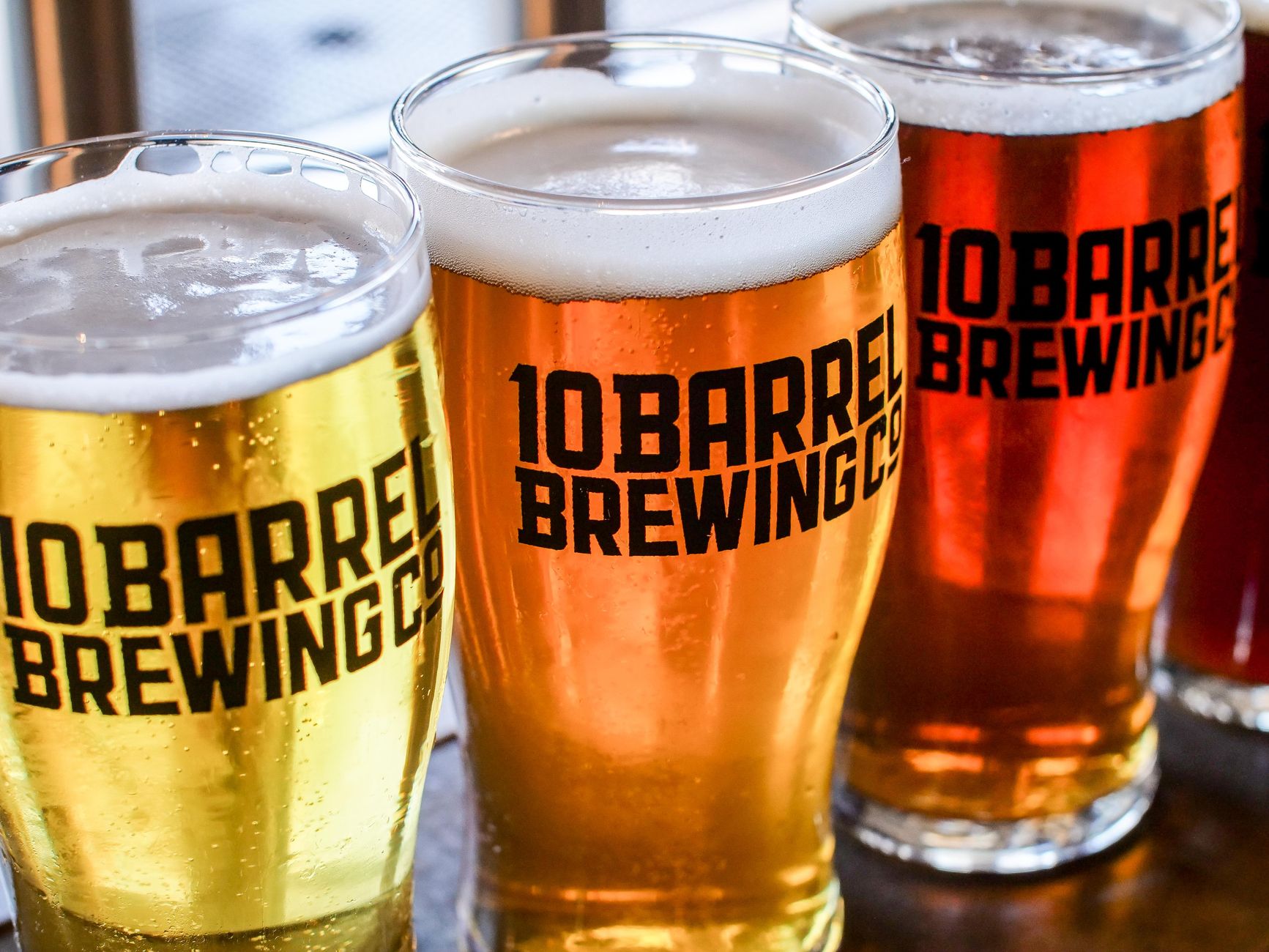
Beer is one of the oldest and most widely consumed alcoholic beverages in the world. It is brewed from four primary ingredients: water, malted grains, hops, and yeast, each contributing to its unique flavor profile. Understanding the basics of beer can enhance your appreciation and guide your choices when pairing it with food.
This article explores the fundamental components of beer, its brewing process, various styles, tasting tips, and food pairings to help you fully enjoy this diverse and beloved beverage.
What Is a Beer?
A beer is an alcoholic drink created by fermenting sugars, primarily derived from grains, with yeast and flavored with hops. The fermentation process converts sugars into alcohol and carbonation, resulting in the drink we know as beer. Beer varies in flavor, color, and alcohol content depending on its ingredients and brewing methods.
The Key Ingredients of Beer
The four core ingredients that form the basis of all beers are:
- Water: The main component of beer, typically making up about 90-95% of the beverage. The mineral composition of water can significantly influence the final flavor of the beer.
- Malted Grains: Barley is the most common grain used, but other grains like wheat, corn, and rice can also be utilized. The grains are malted, or soaked in water to start germination, and then dried, which develops sugars necessary for fermentation.
- Hops: These are the flowers of the hop plant and provide bitterness to balance the sweetness of the malt. Hops also contribute aroma and flavor, with different varieties offering distinctly floral, citrusy, or piney notes.
- Yeast: Microorganisms that carry out fermentation by consuming the sugars from the malt, producing alcohol and carbon dioxide as byproducts. Different yeast strains can produce varying flavors and aromas in the beer.
The Brewing Process
The brewing process generally consists of several steps that transform these ingredients into beer. Here’s a breakdown of the standard brewing process:
- Mashing: The malted grains are ground and mixed with hot water in a mash tun. This process activates enzymes that convert starches into fermentable sugars.
- Boiling: The liquid, known as wort, is separated from the grains and brought to a boil. Hops are added during this stage for bitterness and aroma, with varying times of addition influencing their effect.
- Cooling: After boiling, the wort is rapidly cooled to a temperature suitable for fermentation.
- Fermentation: Yeast is added to the cooled wort. Fermentation can take anywhere from a few days to several weeks, during which the yeast converts sugars into alcohol and carbon dioxide.
- Conditioning: The beer is conditioned to develop its flavors and carbonation before it is filtered and packaged.
Depending on the style, specific methods and variations may be applied throughout the brewing process, allowing for an incredible range of beer varieties.
Types of Beer
Beer styles can be broadly categorized into two main families: ales and lagers. Each category has its own unique sub-styles that differ in flavor, aroma, color, and alcohol content. Here are some of the most notable types:
Ales
- Pale Ale: Characterized by a balanced use of malt and hops, with many variations like American Pale Ale (APA) and English Pale Ale.
- India Pale Ale (IPA): Known for its prominent hop flavor and aroma, IPAs often have a fruity or floral character.
- Porter: Dark and rich with notes of chocolate, coffee, and caramel, typically brewed using roasted malts.
- Stout: Similar to porters but often darker and denser, stouts can have flavors ranging from coffee to cream, like the famous Irish Dry Stout.
- Wheat Beer: Brewed with a significant proportion of wheat, resulting in a light and refreshing beer, such as Hefeweizen or Witbier.
Lagers
- Pale Lager: Light-bodied and crisp, pale lagers are the most popular beer style worldwide, including varieties like American Lager and Pilsner.
- Darker Lager: Styles like Dunkel and Schwarzbier provide richer, maltier flavors, often featuring caramel and toasty notes.
- Bock: A strong lager with a malty flavor profile, often brewed in the winter months for seasonal celebrations.
Tasting Beer: A Guide
Tasting beer can be a delightful experience if done properly. Here are some steps and tips to enhance your beer tasting experience:
- Glassware: Choose the right glass for the beer style. Different shapes can enhance or mute specific flavors and aromas.
- Look: Observe the beer’s color, clarity, and head. The appearance can give clues about the beer’s style and flavor.
- Smell: Swirl the beer gently in your glass to release its aroma. Take a moment to identify the scent notes, looking for hints of the malt, hops, and yeast used.
- Taste: Take a sip and let it roll across your palate. Note the flavors you experience, focusing on sweetness, bitterness, acidity, and other elements.
- Finish: Pay attention to the aftertaste and how long it lingers. A clean finish or complex aftertaste can tell you a lot about the beer.
Try to describe what you taste using specific terms instead of generic descriptors, which can help you develop your palate over time.
Food Pairing with Beer
Beer can enhance a meal when paired correctly, much like wine. Here are some general pairing recommendations as well as specific examples:
Pairing Guidelines
- Complementary: Choose a beer that matches the flavor profile of the dish. For example, a hoppy IPA pairs well with spicy foods.
- Contrast: Select a beer that contrasts with the dish to balance flavors. A rich stout can balance the saltiness of aged cheese.
- Weight: Match the beer’s body and intensity with that of the food. Light beers work well with lighter foods, while heavy beers are suitable for richer dishes.
Specific Pairing Examples
- Pale Ale: Pairs well with fried foods, barbeque chicken, or spicy shrimp tacos.
- IPAs: Best with spicy curries or zesty dishes, as the hops can help cool the spices.
- Porters and Stouts: Excellent with chocolate desserts, BBQ ribs, or hearty stews.
- Wheat Beers: Complement light salads, seafood, or summertime dishes.
- Pilsners: Versatile with many foods, good for pairing with pizza, burgers, or soft cheeses.
Choosing the Right Beer
When selecting a beer, consider the occasion, your personal preferences, and what you plan to pair with it. Here are a few tips:
- Understand your palette: Experiment with various styles to discover your favorites. Preferences can vary widely among different individuals.
- Local Breweries: Explore local craft breweries that offer a rotating selection of fresh and unique beers.
- Check Reviews: Read reviews and ratings online to help guide your selections, especially for unfamiliar styles.
Common Mistakes When Choosing Beer
Be aware of some common pitfalls when selecting and enjoying beer:
- Overcooling: Many beers, especially ales, are better served slightly warmer than the typical refrigerator temperature.
- Ignoring Food Pairing: Not considering the food being served can lead to mismatched flavors. Always try to think ahead about pairings.
- Not Exploring: Limiting yourself to just one or two types can hinder your experience. Be adventurous and try different styles!
Storing and Serving Beer
Proper storage and serving of beer can significantly impact its taste. Here are some guidelines:
Storage Tips
- Temperature: Store beer in a cool, dark place. Generally, lagers are best stored at cooler temperatures than ales.
- Upright Position: Always store bottles upright to minimize contact with the cap and reduce oxidation.
- Enjoy Fresh: Many beers are brewed to be enjoyed fresh, especially hop-forward styles like IPAs.
Serving Temperature
Serving temperature varies by beer style. Here are some general guidelines:
- Light Lagers and Wheat Beers: 38-45°F (3-7°C)
- Pale Ales and IPAs: 45-50°F (7-10°C)
- Porters and Stouts: 50-55°F (10-13°C)
- Strong Ales and Barleywines: 55-60°F (13-16°C)
Exploring Homebrewing
If you have a passion for beer and want to explore its possibilities, consider trying your hand at homebrewing. Homebrewing allows you to experiment with flavors and styles to create unique brews. While the process can be complex, it becomes simpler with practice.
- Start Small: Begin with a basic recipe kit to familiarize yourself with equipment and processes.
- Research: Utilize books, online resources, and homebrew communities to gather knowledge and tips.
- Be Patient: Brewing is both an art and a science; allow time for fermentation to ensure the best results.
Conclusion
Beer is a multifaceted beverage steeped in history and craft, providing a sensory experience that enhances food and culture. Whether enjoying a refreshing lager on a hot day, sipping a hoppy IPA, or indulging in the depth of a stout, understanding beer’s components and pairings enriches your enjoyment. As you explore the world of beer, consider experimenting with different styles and food combinations.
For further exploration of unique beverages, consider trying your hand at brewing a Saison or learning about mead making. Each of these makes for exciting additions to your culinary repertoire. To find out more about brewing, check out the Saison recipe and discover the process of creating your own drink with the mead recipe.