
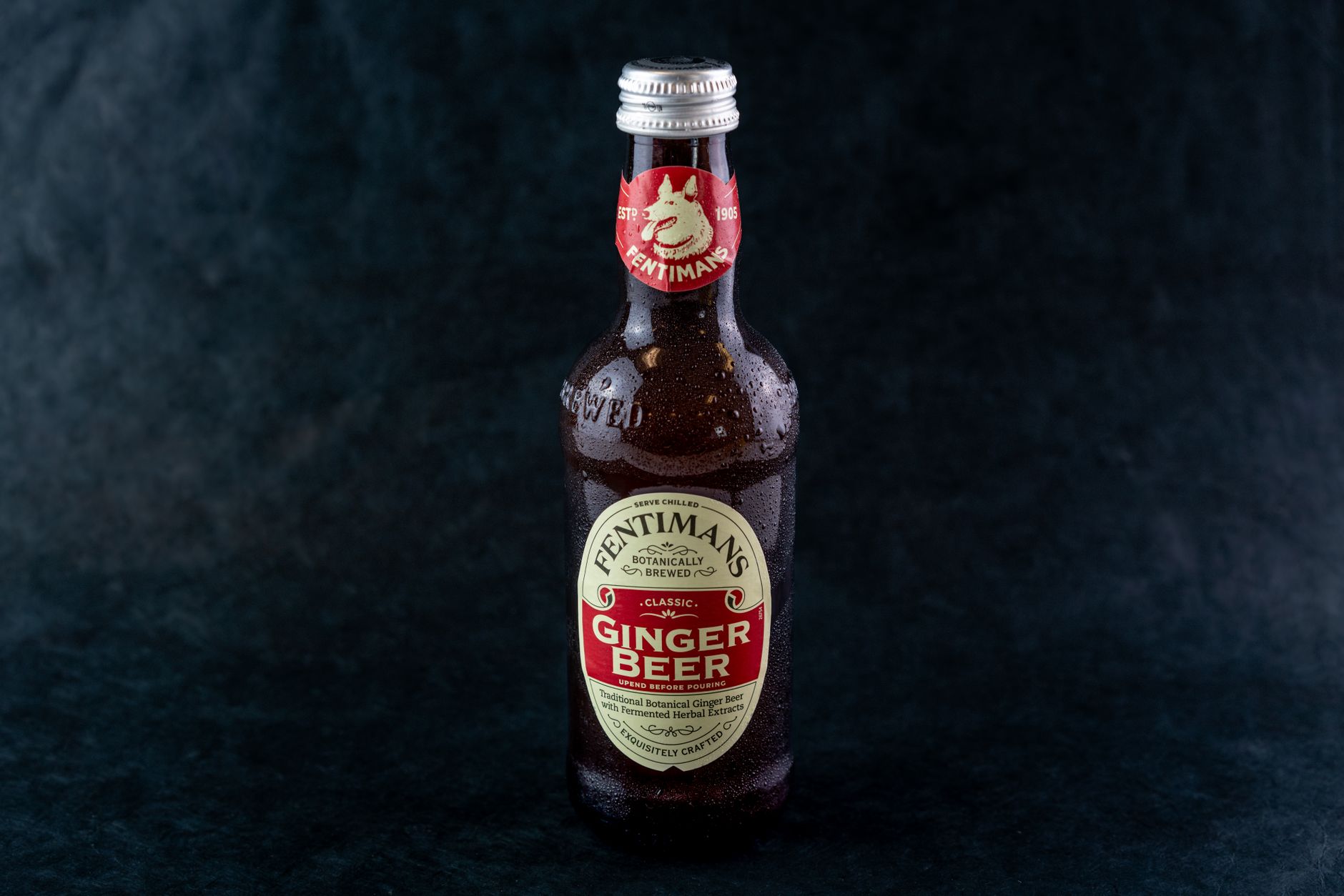
When you’re feeling under the weather, the quest for remedies often leads to foods and drinks that offer comfort and relief. One such beverage is ginger ale, known for its fizzy sweetness and ginger flavor. As many seek solace in this bubbly drink when sick, a common question arises: Is ginger ale good for you when sick?
In this article, we’ll explore the potential benefits of ginger ale during illness, clarify its components, and discuss other considerations. By the end, you’ll have a better understanding of whether this popular soft drink is a suitable choice when you’re feeling ill.
Is Ginger Ale Good For You When Sick?
Ginger ale can offer some benefits when you are sick, especially if your illness involves nausea or an upset stomach. The ginger content is known to help alleviate these symptoms. However, it’s essential to examine its sugar content and carbonation, which might not be suitable for everyone. Overall, moderation and awareness of your specific illness play crucial roles in determining if ginger ale is a good option.
Understanding Ginger Ale: Composition and Variants
Ginger ale is a carbonated soft drink flavored primarily with ginger. It typically comes in two main varieties:
- Golden Ginger Ale: This version is brewed using real ginger and often has a more robust flavor profile with a slight spiciness.
- Dry Ginger Ale: Generally lighter and less spicy, this variant is often found as a mixer in cocktails.
Regardless of the type, ginger ale often contains additional sweeteners and flavor enhancers. It is common to find both high-fructose corn syrup and real cane sugar in these beverages. This mix can affect the drink’s health benefits, especially when consuming it while sick.
The Role of Ginger in Ginger Ale
Ginger, the primary flavoring agent in ginger ale, has been praised for its potential health benefits. Here are some aspects of ginger that can be beneficial:
Nausea Relief
Ginger is well-known for its anti-nausea properties. Research has shown that it can help alleviate nausea caused by various issues, including motion sickness, pregnancy, and certain medical treatments like chemotherapy.
Anti-Inflammatory Properties
Ginger contains compounds called gingerols and shogaols, which have anti-inflammatory properties. This can aid in reducing inflammation in the body, which might occur during illness, helping to improve overall comfort.
Improved Digestion
Ginger is known to promote digestion and stimulate saliva and bile production. When you are sick, problems with digestion can occur, and ginger may help ease discomfort related to digestive upset.
Immune System Support
Some studies indicate that ginger can also contribute to improved immune function. The antioxidants present in ginger may aid the body in fighting off infections and illnesses more efficiently.
Considerations When Drinking Ginger Ale While Sick
While ginger ale does provide certain benefits, several considerations must be accounted for:
Sugar Content
Many mainstream ginger ales contain significant amounts of sugar. This sugar can lead to dehydration, especially if one is already ill, as excessive sugar can exacerbate the lack of fluids in the body. Opting for lower-sugar or natural versions of ginger ale is advisable when seeking the benefits of ginger without the drawbacks of added sugars.
Carbonation
The carbonation in ginger ale can lead to bloating and gas, which might not be comfortable when dealing with symptoms like nausea or upset stomach. It’s worth considering whether to consume flat ginger ale by letting it sit out for a while or stirring it gently to reduce carbonation.
Artificial Ingredients
Some ginger ales contain artificial flavoring and preservatives that may not be beneficial for overall health, especially when the body is already under stress due to an illness. Always check the ingredients list for any potentially harmful additives.
Ginger Ale vs. Other Soothing Beverages
When sick, ginger ale isn’t the only option. Several alternatives can be equally soothing and beneficial. Here are some examples:
Ginger Tea
Making ginger tea from fresh ginger root is an excellent alternative. Brewing fresh ginger provides more gingerol and shogaol than ginger ale, and it can be tailored to include honey or lemon for additional health benefits.
Herbal Teas
Certain herbal teas, such as chamomile or peppermint, can help soothe an upset stomach and promote relaxation, making them good choices when feeling unwell.
Bone Broth
Rich in nutrients and easy to digest, bone broth is another comforting option when sick. It helps hydrate and provides essential amino acids that support the immune system.
When Is Ginger Ale a Good Option?
Despite its potential drawbacks, ginger ale can be a suitable beverage under certain conditions:
- If you’re experiencing mild nausea and need something gentle on the stomach.
- When you’re unable to keep food down and need some calories and hydration.
- If you enjoy the taste and it brings you comfort while recovering from a cold or flu.
How to Choose the Right Ginger Ale
If you decide to include ginger ale in your recovery plan, consider these tips for choosing a better option:
Look for Natural Ingredients
Select brands that use real ginger and avoid those with artificial flavors and preservatives. Ingredients such as “natural ginger flavor” may not offer the same benefits as real ginger.
Check the Sugar Content
Opt for ginger ale that is lower in sugar or sweetened with natural alternatives like honey or agave. Some brands advertise themselves as ‘diet’ or ‘zero-sugar’—be cautious as these products may contain artificial sweeteners.
Consider Brewing Your Own
For a fresher option, consider making your own ginger ale. You can control the sweetness and flavor by using real ginger, sugar, or natural sweeteners, along with carbonation if desired.
A Simple DIY Ginger Ale Recipe
If you want to harness the benefits of ginger while controlling the ingredients and sugar level, here’s a straightforward recipe for homemade ginger ale:
Homemade Ginger Ale Recipe
Yield:
Approximately 4 servings
Preparation Time:
10 minutes
Cooking Time:
20 minutes (for the ginger syrup)
Total Time:
30 minutes plus chilling
Ingredients:
- 1 cup fresh ginger, peeled and thinly sliced
- 1 cup sugar (adjust for sweetness option, or substitute with honey)
- 1 cup water
- 4 cups carbonated water
- Lemon slices and mint for garnish (optional)
Essential Equipment:
- Medium saucepan
- Strainer
- Bottle or jar for storage
Method:
- In a medium saucepan, combine the ginger, sugar, and water.
- Bring to a boil, then reduce heat and let simmer for about 20 minutes, until syrupy.
- Strain the syrup into a bottle or jar and let it cool.
- To serve, mix about 1 part ginger syrup with 3 parts carbonated water.
- Optional: Add lemon slices and fresh mint for garnish.
This homemade version provides the benefits of ginger without the excess sugars and ingredients that often accompany commercial ginger ales.
Final Thoughts: Moderation Is Key
In summary, ginger ale can provide some comfort when you’re sick, particularly for nausea. However, it’s important to choose wisely, considering its sugar content and potential for carbonation-related discomfort. When in doubt, natural remedies such as ginger tea, herbal infusions, or homemade ginger ale can often serve as effective alternatives without the drawbacks.
Feeling sick is never easy, but knowing which beverages can provide comfort without negatively impacting your health can be beneficial. Whether or not you choose ginger ale when sick, look for options that nourish and soothe your body effectively.
For more beverages that can help you feel better, check out the Medicine Ball recipe or learn how to make your own ginger bug for a probiotic-rich soda option. There are many ways to make sick days more bearable while ensuring you are giving your body what it needs to heal.