Ingredients
Equipment
Method
- Sanitize all equipment by soaking the carboy, airlock, stopper, and all utensils in a sanitizing solution for at least 30 minutes, then rinse thoroughly with filtered water.
- Mix 1 teaspoon of dried koji spores with 100 milliliters of warm (40°C/104°F) filtered water in a bowl and let sit for 15 minutes to rehydrate and activate the spores.
- Rinse 1.5 kilograms of rice under cold running water until the water runs mostly clear, then add the rice to a large pot with 2 liters of filtered water, bring to a boil, reduce heat, and simmer for 20 minutes until fully cooked but still holding its shape.
- Spread the cooked rice on a clean sheet or shallow pan and let it cool to around 28°C (82°F) over 2 to 3 hours at room temperature.
- Pour the prepared koji culture into the cooled rice, mix thoroughly to distribute the spores evenly, and transfer the mixture to the sanitized carboy.
- Cover the carboy loosely with a cloth and place it in a warm (25–28°C/77–82°F), ventilated area for 5–7 days, checking daily for white mold growth on the rice.
- Add 1 liter of additional filtered water to the carboy and gently mix; rehydrate the sake yeast in 50 milliliters of warm water for 10 minutes, then add the yeast and 1/4 teaspoon yeast nutrient (if using) to the carboy.
- Insert the rubber stopper fitted with an airlock into the carboy opening and maintain fermentation at 18–22°C (64–72°F) for 2 to 3 weeks, observing bubbling in the airlock within 12 to 24 hours.
- After 10–14 days, when primary fermentation slows, siphon the sake into a clean carboy, leaving sediment behind, to begin secondary fermentation.
- Let the sake sit for another 7–10 days in secondary fermentation until bubbling essentially stops, then siphon the clear sake into sanitized dark glass bottles, leaving any remaining sediment behind.
Notes
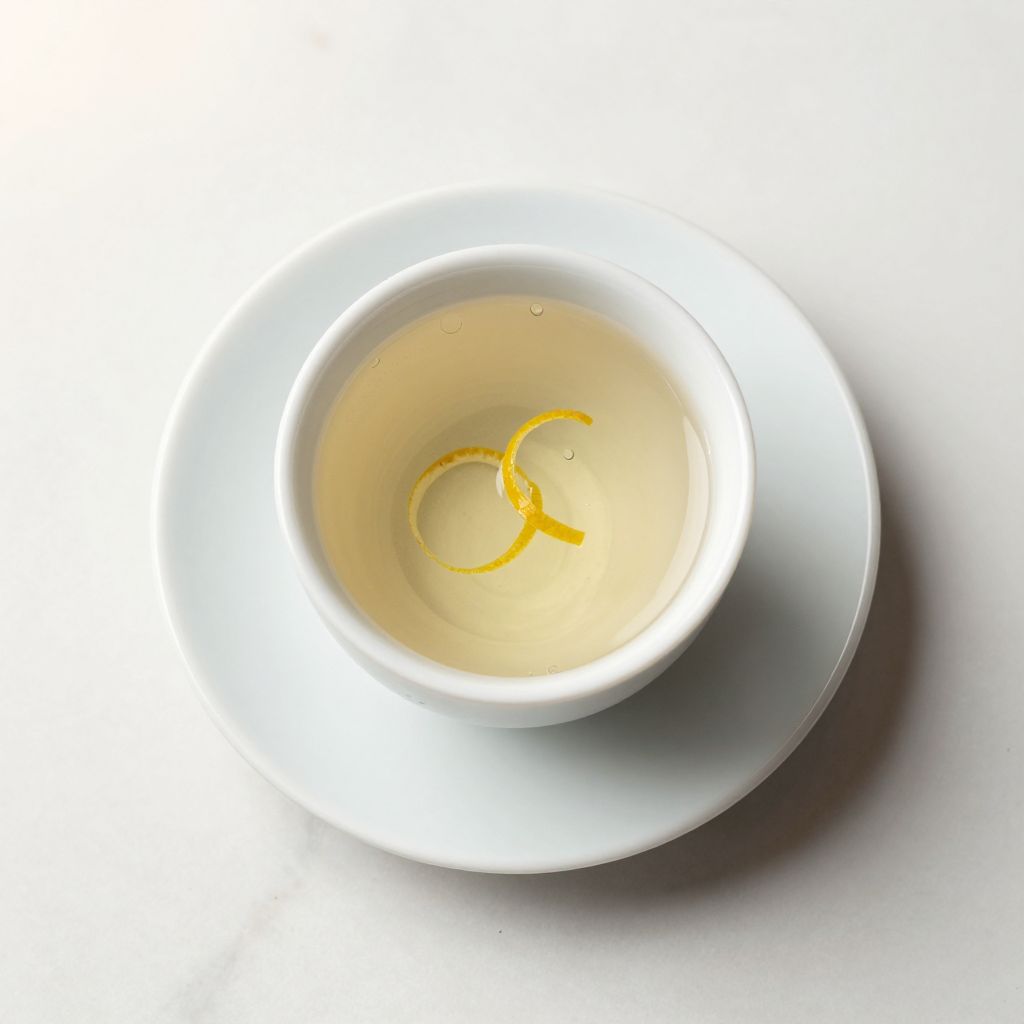
Chill sake to 8–12°C and serve in small ceramic cups; store in dark glass bottles for up to 12 months.