
There’s something magical about sipping a warm cup of winter melon tea on a cold afternoon, the delicate sweetness melting away tension and refreshing your whole body from the inside out.
This recipe has been a staple in Asian households for centuries, prized for its light, naturally sweet flavor and soothing properties that feel less like medicine and more like a gentle hug in a cup.
What makes this tea special is its simplicity: just a handful of quality ingredients transform into something that tastes like it took hours to prepare, yet comes together in under 30 minutes.
Whether you’re looking for a caffeine-free afternoon pick-me-up, a remedy for seasonal dryness, or simply a comforting drink to share with loved ones, this recipe delivers genuine warmth and flavor without any fuss.
Why You’ll Love This Recipe
Winter melon tea hits that sweet spot between wholesome and indulgent, offering a refreshing escape that feels nourishing rather than heavy.
- Naturally sweet with no added sugar needed, thanks to the winter melon and rock sugar working together beautifully.
- Ready in under 30 minutes, making it perfect for busy schedules when you crave something homemade.
- Caffeine-free, so you can enjoy it any time of day without affecting your sleep.
- Adaptable to your taste, working equally well with dried seafood, herbs, or fruit additions.
- Budget-friendly and uses ingredients you can find at most Asian markets or mainstream groceries.
My Experience Making This Recipe
The first time I made this tea, I was skeptical that something so simple could taste so good.
I diced the winter melon, tossed everything into a pot, and walked away to do other things, letting the magic happen on its own.
When I came back 20 minutes later, my kitchen smelled incredible, and the liquid had transformed into something silky and subtly sweet that tasted nothing like what I expected.
My roommate took one sip and asked if I’d bought it from a fancy cafe, which was honestly the highest compliment.
Now I make it weekly, sometimes adding a few dried scallops for depth, and it’s become the drink I offer guests when they need something calming and real.
Recipe Overview
- Recipe Name: Winter Melon Tea
- Servings: 4 to 6
- Prep Time: 10 minutes
- Cook Time: 20 minutes
- Total Time: 30 minutes
- Course: Beverage
- Cuisine: Asian
- Calories per Serving: 45
Equipment You Will Need
- Large pot (at least 2 quarts)
- Sharp knife and cutting board
- Wooden spoon or ladle for stirring
- Fine mesh strainer or cheesecloth
- Measuring cups and spoons
- Small bowl for soaking dried ingredients (optional)
Ingredients for Winter Melon Tea
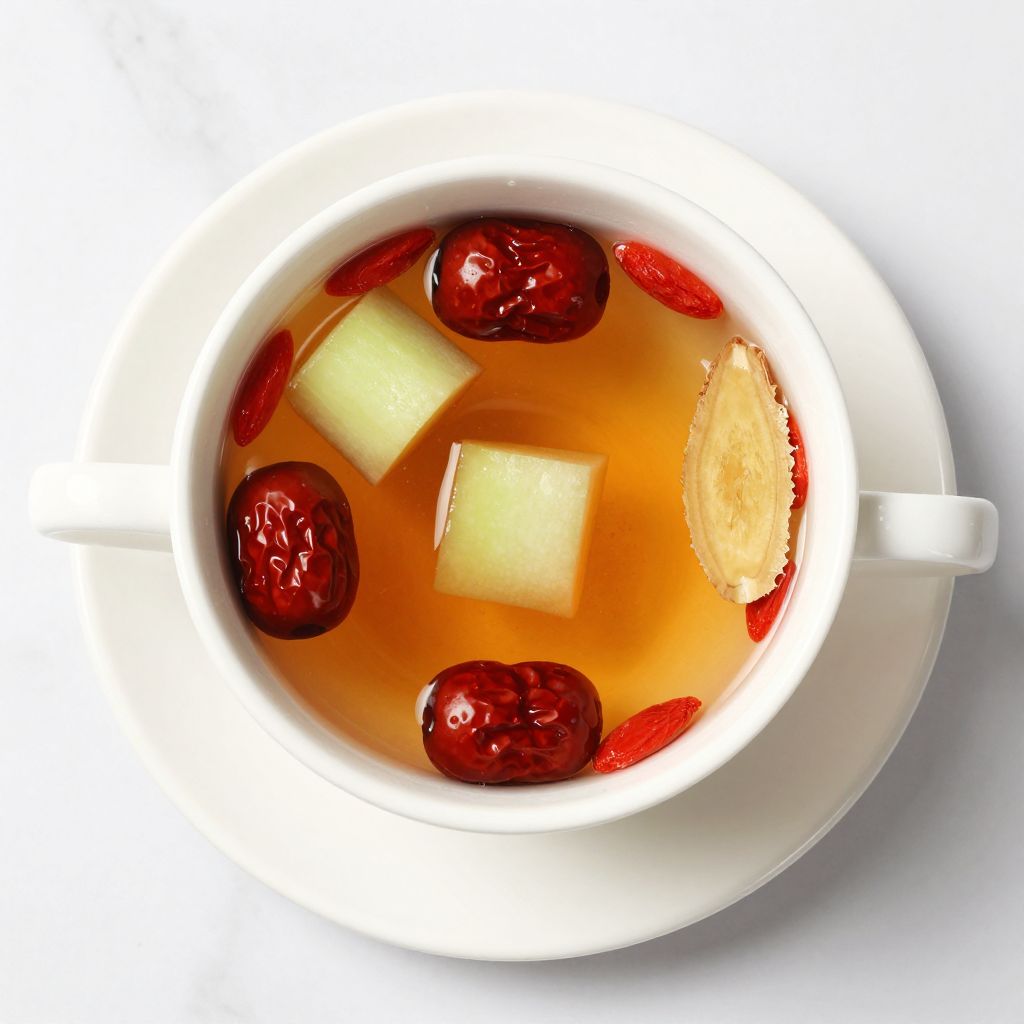
- Winter melon: 1 pound, peeled, seeded, and cut into 1-inch cubes
- Rock sugar: 3 to 4 ounces, or adjust to taste
- Water: 6 cups, filtered or tap
- Dried red dates (jujubes): 3 to 4 pieces, pitted
- Goji berries: 1 tablespoon (optional but recommended)
- Dried ginger slices: 2 to 3 slices (optional, for warmth)
- Salt: a pinch to balance flavors
Ingredient Notes and Substitutions
- Winter melon: This mild, slightly sweet gourd is the star and provides the tea’s smooth base and delicate flavor. You can substitute with honeydew melon in a pinch, though the flavor will be slightly sweeter and less neutral.
- Rock sugar: Its larger crystals dissolve slowly, creating a cleaner sweetness than granulated sugar. Regular white sugar works as a substitute but use slightly less, as it’s more concentrated in sweetness.
- Dried red dates: These add natural sweetness and a subtle earthy note that deepens the flavor. Dried apricots or a few dried goji berries alone can replace them.
- Goji berries: They contribute a slight tartness and bright color that balances the melon’s mildness. Dried cranberries offer similar tartness if needed.
- Dried ginger: It adds warmth and digestive benefits without overpowering the tea. Fresh ginger works but use less (one thin 1-inch slice), as it’s much more potent.
How to Make Winter Melon Tea
Step 1: Prepare the Winter Melon
Start by cutting the winter melon in half and scooping out all the seeds and soft pulp with a spoon. Peel away the thick, waxy green skin using a sharp vegetable peeler or knife, then cut the flesh into small 1-inch cubes.
Smaller pieces mean faster cooking and better flavor extraction, so don’t skip the cutting step.
Step 2: Rinse the Dried Ingredients
Place the dried red dates and goji berries in a small bowl and cover them with warm water for 2 to 3 minutes. This quick rinse removes any dust and helps them release their flavors more easily during cooking.
Drain well before adding to the pot.
Step 3: Bring Water to a Boil
Pour the 6 cups of cold water into your large pot and bring it to a rolling boil over high heat. You want the water hot before adding ingredients so the cooking time stays consistent.
This also helps the rock sugar dissolve more evenly.
Step 4: Add the Winter Melon Cubes
Carefully add all the winter melon cubes to the boiling water and give them a gentle stir. The water will stop boiling for a moment; let it come back to a gentle boil, which usually takes 1 to 2 minutes.
The melon needs time to soften and release its subtle sweetness into the liquid.
Step 5: Add Rock Sugar and Aromatics
Once the water returns to a boil, add the rock sugar, rinsed red dates, goji berries, and dried ginger slices (if using). Stir gently until the rock sugar begins to dissolve.
The red dates and goji berries add complexity, while the ginger provides a warming undertone that complements the melon’s coolness.
Step 6: Reduce Heat and Simmer
Lower the heat to medium-low and let the tea simmer gently for 15 to 20 minutes. You want a steady, gentle simmer, not a vigorous boil, which would make the tea cloudy and break down the delicate flavors.
The longer you simmer, the deeper and richer the flavor becomes, though 15 minutes is usually enough.
Step 7: Taste and Adjust Sweetness
After 15 minutes, take a small sip of the broth to check the sweetness level. If you prefer it sweeter, add a bit more rock sugar and stir until dissolved.
Remember that the tea will taste slightly less sweet once it cools, so aim for just barely sweet rather than obviously sweet.
Step 8: Strain the Tea
Pour the entire pot slowly through a fine mesh strainer or cheesecloth into a large bowl or pitcher, catching all the solids while letting the liquid flow through. If you like, you can serve some of the cooked winter melon pieces in each cup for added texture and flavor.
Most people strain completely, but a few soft pieces of melon at the bottom add a pleasant touch.
Step 9: Serve Warm or Chilled
Pour the strained tea into cups and serve warm, or let it cool to room temperature and chill it in the refrigerator for 1 to 2 hours. Both versions are equally delicious, so choose based on the weather and your mood.
A warm cup on a cold day feels like pure comfort, while a chilled version refreshes on warmer afternoons.
Pro Tip: Don’t throw away the cooked winter melon pieces after straining, they’re soft, subtly sweet, and make a lovely light snack or addition to desserts.
Tips for the Best Winter Melon Tea
- Use fresh, firm winter melon that feels heavy for its size, as these have the best flavor and texture. Avoid any with soft spots or blemishes.
- Cut the melon into uniform sizes so everything cooks at the same rate and you get consistent flavor throughout the batch.
- Don’t skip the gentle simmer; rushing with high heat damages the delicate taste and can make the tea taste bitter or burnt.
- Taste the tea before serving and adjust sweetness, as different batches of melon and preferences vary. It’s easier to add rock sugar than to remove it.
- Use filtered or bottled water if your tap water is heavily chlorinated, as it can mask the subtle sweetness of the melon.
- Make a large batch and refrigerate it; the flavor actually improves slightly as it sits, and you’ll have it ready for several days.
Common Mistakes to Avoid
- Using over-ripe or mushy winter melon that falls apart during cooking, turning the tea cloudy and creating an unpleasant texture. Choose firm melons with a pale green skin.
- Boiling the tea too vigorously, which breaks down the melon too quickly and creates a cloudy appearance that makes the drink look less appealing.
- Adding too much rock sugar at the start without tasting first, resulting in an overly sweet drink that masks the melon’s subtle flavor. Start with less and add gradually.
- Forgetting to rinse the dried red dates and goji berries, which can add dust or debris that clouds the final tea.
- Cooking for too long, which turns the melon into mush and makes the tea overly thick and heavy instead of light and refreshing.
Serving Suggestions
Winter melon tea stands beautifully on its own, but pairing it with complementary foods elevates the experience and creates a balanced, satisfying moment.
- Serve alongside light dim sum like har gow or siu mai for a traditional pairing that feels elegant and balanced.
- Pair with delicate cookies or almond biscuits, which add a subtle crunch without overpowering the tea’s gentle flavor.
- Offer as an afternoon refreshment with fresh fruit like lychee or dragon fruit to echo its cooling properties.
- Serve chilled as a palate cleanser between courses during a multi-course meal or dinner party.
- Enjoy simply on its own when you want a moment of calm and clarity without distraction.
Variations to Try
- Seafood Winter Melon Tea: Add 2 to 3 dried scallops (soaked and shredded) or a small handful of dried shrimp for umami depth. The briny, savory notes create a more complex tea that feels more like a light soup.
- Herbal Version: Add a small piece of dried ginseng, a few dried shiitake mushrooms, or 1 teaspoon of dried white fungus for additional health benefits and earthiness.
- Fruity Twist: Add 2 to 3 dried apricots or a handful of dried cranberries along with the red dates for tartness that balances the melon’s sweetness.
- Honey Finish: Skip the rock sugar and sweeten the finished tea with 1 to 2 teaspoons of honey per serving for a floral sweetness and additional soothing benefits.
- Spiced Version: Add a 2-inch piece of fresh ginger (sliced), 2 to 3 star anise pieces, or a few peppercorns for warmth and complexity that transforms the tea into something more grounding.
Dietary Adaptations
- Gluten-Free: This recipe is naturally gluten-free, as it contains only whole ingredients with no processed additives or thickeners.
- Dairy-Free: Winter melon tea contains no dairy by default, making it perfect for anyone avoiding lactose or following a plant-based diet.
- Vegan and Vegetarian: The basic recipe is fully vegan and vegetarian; only skip the seafood variations if following these diets.
- Low-Sugar: Use less rock sugar or skip it entirely, relying instead on the natural sweetness of the red dates and melon, which keeps the tea under 20 calories per serving.
- Keto-Friendly: While winter melon contains some carbs, you can reduce the amount and increase the proportion of rock sugar replacement with monk fruit or stevia to keep the tea low-carb.
Storage and Reheating
Refrigerator
Pour the cooled tea into an airtight glass container and store it for up to 5 days in the refrigerator. The flavor remains bright and the tea actually deepens slightly as it sits.
- Keep it in a sealed glass pitcher or bottle to prevent absorbing odors from the fridge.
- If the tea separates or cloudiness appears, this is normal and doesn’t affect taste.
Freezer
Winter melon tea freezes well for up to 3 months if you pour it into ice cube trays or freezer-safe containers. This is perfect for making smoothies or having ready-to-thaw portions.
- Leave some headspace in containers, as the liquid expands when frozen.
- Thaw overnight in the refrigerator before reheating for best results.
Reheating
Gently warm the tea in a pot over low to medium heat, stirring occasionally, until it reaches your desired temperature. Never use a microwave, as it can create hot spots and damage the delicate flavors.
- Heat slowly and avoid boiling, which can make the tea taste slightly bitter.
- If serving chilled, simply pour from the refrigerator into glasses with ice.
Nutrition Information
| Nutrient | Amount |
|---|---|
| Calories | 45 |
| Total Fat | 0g |
| Saturated Fat | 0g |
| Carbohydrates | 11g |
| Fiber | 1g |
| Sugar | 8g |
| Protein | 1g |
| Sodium | 25mg |
| Cholesterol | 0mg |
These values are estimates based on standard USDA data for winter melon, rock sugar, and dried red dates divided equally among 5 servings. Actual nutrition varies based on exact ingredients and portion size.
Frequently Asked Questions
Can I use frozen winter melon?
Yes, frozen winter melon works perfectly well and saves you prep time. Thaw it first before cutting and cooking, as it may be slightly softer but will still create a delicious tea.
How far in advance can I make this tea?
You can prepare it up to 5 days ahead and store it in the refrigerator, making it ideal for meal prep or entertaining. The flavor actually improves as it sits and the ingredients fully infuse.
What if my tea comes out cloudy?
Cloudiness usually comes from boiling too vigorously or cooking melon that’s too ripe. You can strain it through cheesecloth twice, but it’s purely a visual thing and doesn’t affect taste.
Can I add regular sugar instead of rock sugar?
Yes, regular granulated sugar dissolves quickly and works fine, but use about 20% less since it’s more concentrated. Rock sugar dissolves more slowly and creates a cleaner flavor, which is why it’s traditional.
Is winter melon tea actually healthy?
Winter melon tea is low in calories and natural in sweetness, making it a much better choice than sugary beverages. While it’s not a miracle cure, it’s hydrating, gentle on the digestive system, and provides vitamins and minerals from the ingredients.
Can I make this in a slow cooker or instant pot?
Yes, an Instant Pot works well: add all ingredients and pressure cook on high for 8 minutes, then quick release. A slow cooker also works but requires 3 to 4 hours on low heat, which risks overcooking the melon.
Final Thoughts
Winter melon tea might be one of the easiest ways to create something that tastes genuinely special without needing fancy skills or hard-to-find ingredients. The beauty lies in its simplicity and the way it soothes both body and mind with every sip.
Make a batch this week and discover why this humble tea has been cherished for generations, then come back and try the variations once you fall in love with the original.
For more tea inspiration, explore our lymphatic drainage tea recipe for wellness-focused beverages or discover the refreshing qualities of our peppermint tea recipe for something with a completely different flavor profile.
Winter Melon Tea
Ingredients
Equipment
Method
- Cut the winter melon in half, scoop out seeds, peel the skin, and cut the flesh into 1-inch cubes.
- Place the dried red dates and goji berries in a small bowl, cover with warm water, and soak for 3 minutes; then drain.
- Fill a large pot with 6 cups of water and bring it to a rolling boil over high heat (about 212°F).
- Add the winter melon cubes to the boiling water, stir gently, and allow the water to return to a boil.
- Stir in the rock sugar, drained red dates, goji berries, dried ginger slices, and a pinch of salt until the sugar dissolves.
- Reduce the heat to medium-low and simmer the tea gently for 15 minutes, ensuring a steady simmer but not a vigorous boil.
- Taste the tea and add additional rock sugar if you prefer it sweeter, stirring to dissolve.
- Strain the tea through a fine mesh strainer or cheesecloth into a pitcher, reserving the melon pieces in the pot if desired.
- Serve the tea warm immediately, or let it cool to room temperature and chill in the refrigerator for at least 1 hour before serving cold.