
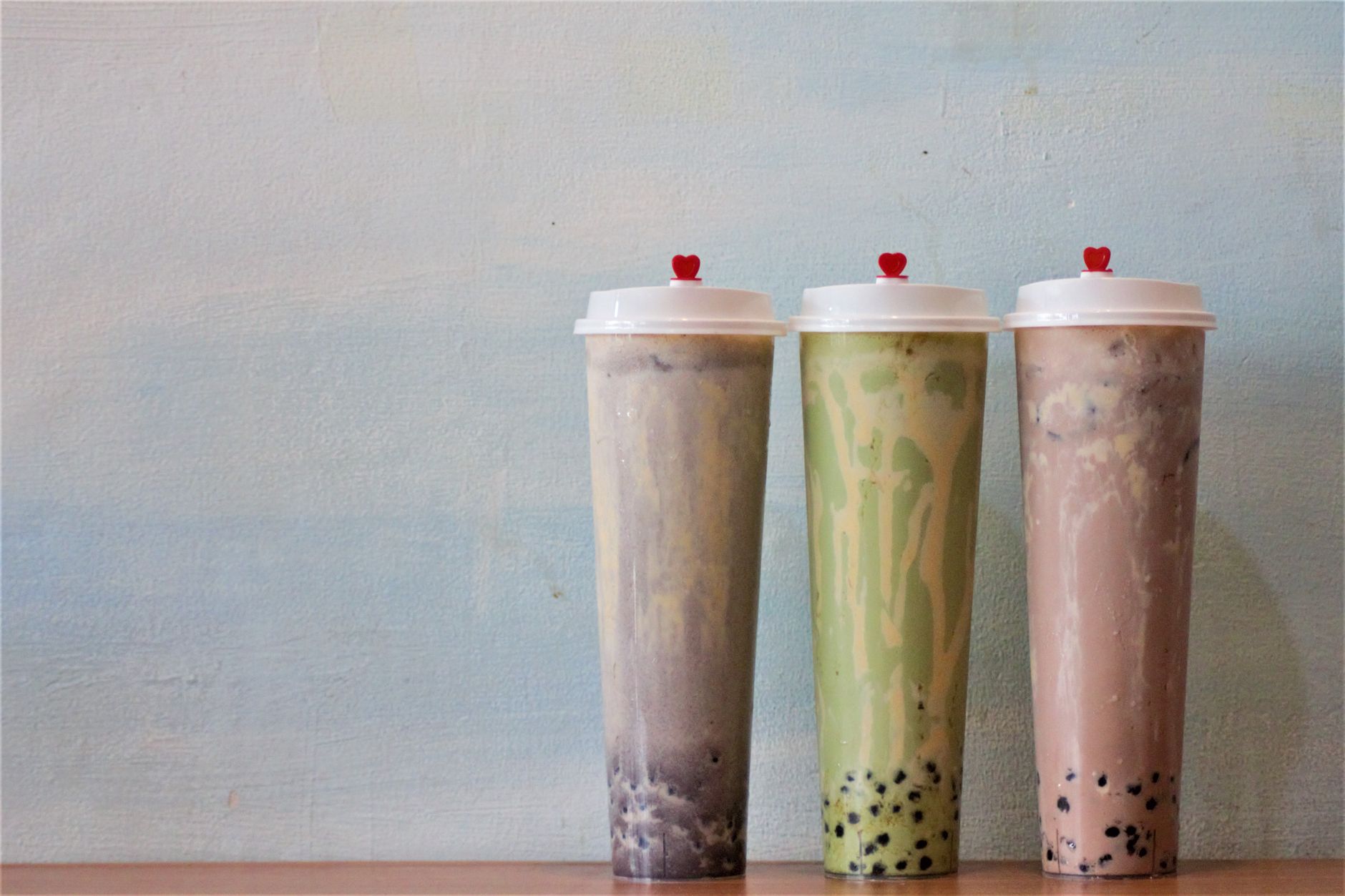
Boba, often referred to as bubble tea, has gained popularity globally, captivating taste buds with its unique texture and delightful flavor combinations. But have you ever wondered where boba originates from? The answer not only involves a geographical journey but also a cultural one, full of traditions and innovation.
This article explores the history of boba, its origins, and how it has evolved over time, along with the safety aspects, health benefits, and tips for enjoying this beloved drink.
Where Does Boba Originate From?
Boba originates from Taiwan, where it was first created in the 1980s. The invention is credited to several vendors in the city of Taichung, but the true genesis involves a fusion of tea culture and innovative dessert-making that has since influenced drinks worldwide.
Initially, boba was made from tapioca pearls, which are small, chewy spheres derived from cassava root. These pearls are combined with tea and milk to create bubble tea, marking the beginning of a new trend in beverage culture.
Historical Background of Boba
The origin story of boba is often split into two narratives, with each claiming to be the first to offer this beloved delicacy. One of the most recognized claims is that of the “Ten Ren Tea,” a tea shop that began incorporating tapioca pearls into their drinks around the early 1980s. Another popular account attributes its invention to a vendor named Lin Hsiu Hui, who experimented with adding sweetened tapioca pearls to milk tea.
Initially limited to Taiwan, the craze soon spread to other Asian countries. By the 1990s, boba was making waves in places like Hong Kong, Singapore, and Japan. Eventually, immigrants introduced the trend to the Western world, particularly to the United States, where it has since become a staple in Asian-American culture.
What Exactly is Boba?
Boba refers to the chewy tapioca pearls that are typically found in bubble tea. The term has evolved to include a wide range of drink styles, each showcasing varied flavors, textures, and combinations. Boba drinks combine sweetened tea (black, green, or herbal) with milk or fruit flavors and are often shaken to create a frothy texture, hence the name bubble tea.
The Ingredients of Boba
The primary ingredients in boba drinks include:
- Tapioca Pearls: Made from tapioca starch, offering a chewy texture.
- Tea: Can be black, green, oolong, or flavored teas.
- Milk or Cream: Used to create a richer, creamier drink.
- Sweeteners: Sugar, honey, or flavored syrups for sweetness.
- Flavoring: A variety of fruits or syrups to add unique flavors.
How is Boba Made and Served?
The preparation of boba involves a simple but precise method that ensures each drink is delicious and enjoyable. Here’s a breakdown of the process:
How to Make Boba Pearls
- Ingredients: Tapioca starch, water, and sugar.
- Boil Water: Bring water to a boil in a pot.
- Mix Starch: Gradually add tapioca starch to the boiling water while stirring continuously.
- Knead Dough: Once the mixture becomes a dough-like consistency, let it cool before kneading.
- Shape Pearls: Roll the dough into small balls, roughly the size of marble.
- Cook Pearls: Boil the shaped pearls in water for about 15-20 minutes until they become translucent.
- Sweeten: Drain and mix cooked pearls with sugar syrup for added flavor.
Making Bubble Tea
- Prepare Tea: Brew your choice of tea and let it cool.
- Mix Ingredients: In a shaker, combine tea, milk or cream, and sweetener. Adjust the sweetness according to your preference.
- Shake: Shake the mixture vigorously to combine the ingredients well.
- Add Pearls: Place a scoop of cooked boba pearls in the bottom of your serving glass.
- Pour Tea Mixture: Carefully pour the shaken tea mixture over the pearls.
- Serve: Serve with a wide straw for easy sipping of the pearls.
Safety Considerations with Boba
When making and consuming boba, it is essential to adhere to food safety guidelines to ensure a safe experience:
- Storage: Cooked boba pearls should be stored in a sugar syrup to prevent them from hardening. Do not store pearls in water, as they can disintegrate over time.
- Cooling: Always allow tea to cool before adding milk to prevent curdling.
- Freshness: Boba is best enjoyed fresh, ideally within a few hours of cooking, to maintain the chewy texture.
- Bowling Temperature: Boil tapioca pearls thoroughly, ensuring they are cooked through to avoid any digestive issues.
Health Benefits of Boba
While boba drinks are often seen as indulgent treats, they can also offer some surprising benefits when prepared mindfully:
- Energy Boost: The tea used in boba can provide a caffeine boost, promoting alertness.
- Antioxidants: Tea is rich in antioxidants, which can contribute to overall health.
- Customizable Nutrients: Using milk alternatives or adding fruit can enhance nutritional value.
However, moderation is key, as many bubble tea drinks contain added sugars and calories. Opting for less sweetened variations can help you enjoy this beverage without overindulging.
Popular Variations of Boba
Since its inception, boba has evolved into various flavors and styles. Here are a few popular variations:
- Taro Boba: Made with taro root, offering a delightful purple hue and a sweet, nutty flavor.
- Fruit Teas: These often contain fresh fruit, providing refreshing flavors and a lighter alternative to milk tea.
- Cheese Foam Boba: A luxurious layer of whipped cheese foam on top, creating a deliciously creamy contrast.
Tips for Making the Best Boba
To enhance your boba-making experience, keep the following tips in mind:
- Quality Ingredients: Use high-quality tea and ingredients to achieve the best flavor.
- Experiment: Feel free to mix different flavors and types of tea to create your own signature drinks.
- Adjust Sweetness: Always taste as you go to find the perfect sweetness balance.
- Try Different Pearls: Explore variations like flavored or colored tapioca pearls for visual appeal.
Common Mistakes to Avoid
Here are some pitfalls to watch out for when preparing boba:
- Overcooking: Cooking pearls too long can cause them to become mushy. Follow timing recommendations closely.
- Ignoring Tea Quality: Low-quality tea can ruin the flavor of your drink. Invest in good tea leaves.
- Skipping Sugar Syrup: Not sweetening the pearls can result in a bland experience. Always sweeten them after cooking.
Storing and Reheating Boba
Boba is best enjoyed fresh, but if you have leftovers, follow these guidelines:
- Storage: Keep cooked boba in an airtight container with sugar syrup and refrigerate. Consume within 48 hours for the best texture.
- Reheating: To reheat, place boba in a bowl of hot water for a few minutes until warmed through. Avoid microwaving, as this can change the texture.
The Future of Boba: Trends and Innovations
The boba industry is continuously evolving, with new trends emerging regularly. Some current trends include:
- Health-Conscious Options: More shops are introducing alternatives like sugar-free syrups, plant-based milks, and boba made from alternative flours.
- Unique Flavors: Experimental flavors such as matcha, black sesame, and lavender are gaining popularity.
- Eco-Friendly Practices: Many boba shops are adopting sustainable practices, offering biodegradable cups and straws to reduce waste.
Conclusion
Boba’s story is one of creative innovation, cultural fusion, and immense popularity that has spanned continents. Whether you’re sipping it at a local tea shop or making your own at home, knowing its origins enhances your appreciation for this delightful drink. So next time you crave a refreshing bubble tea, remember its rich history and enjoy experimenting with flavors and textures.
For a fun twist, explore making delicious strawberry popping boba or a creamy taro boba at home, which can add a unique touch to your bubble tea creations.