
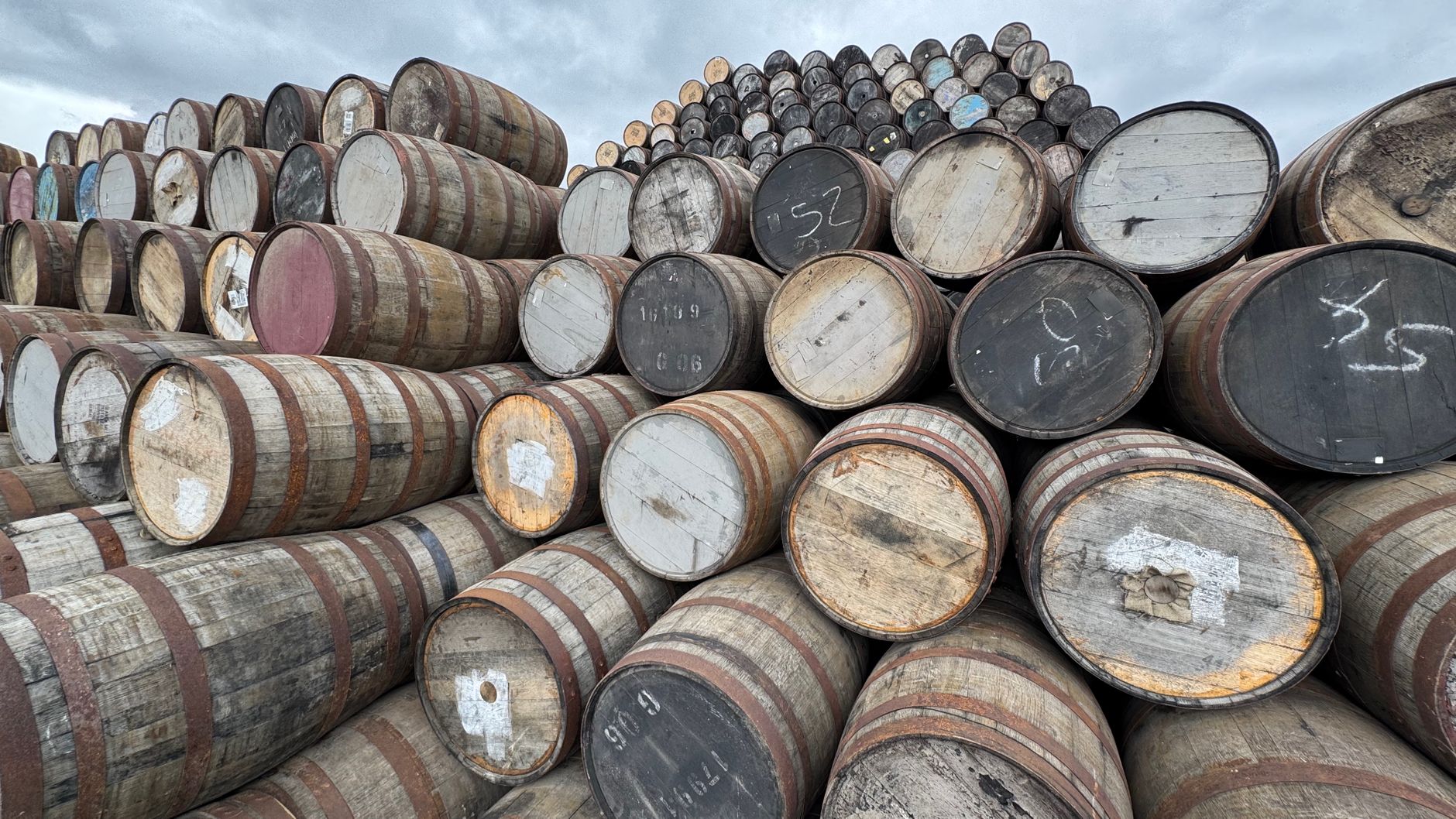
Whisky, a beloved spirit enjoyed around the world, has a rich history that captures the essence of its origins and development. Understanding where whisky originated not only enhances appreciation for this refined drink but also informs choices when it comes to tasting and mixing. This article explores the fascinating journey of whisky, detailing its origins, traditional production methods, regional varieties, and the cultural significance it holds.
Join us as we delve into the world of whisky, unpacking its storied past and the diverse styles that have emerged from various corners of the globe.
Where Did Whisky Originate?
Whisky originated in Ireland and Scotland, with both countries claiming to be the birthplace of this iconic spirit. Although there is a debate over the exact timeline, evidence indicates that whisky production dates back to the early medieval times in both regions, as early as the 12th century.
Irish monks are often credited with introducing distillation techniques to the Celtic lands, while Scottish whisky production is heavily tied to the traditions and innovations of the Scots. Regardless of its exact origin, whisky has become a significant part of cultural heritage in both Ireland and Scotland, with each region developing its unique styles and flavors over centuries.
The History of Whisky Production
The word “whisky” is derived from the Gaelic term “uisge beatha,” which translates to “water of life.” It’s believed that whisky-making techniques were brought to Ireland by monks who learned the art of distillation during their travels in Mediterranean countries such as Greece and Italy. These initial distillations often produced a spirit used for medicinal purposes.
By the 15th century, distillation became more widespread, and the first recorded mention of whisky in Ireland was in 1405. A tax law was introduced in 1556, which required distillers to pay a tax for their spirits, further evidence of whisky’s growing popularity. At this time, whisky was produced in small rural distilleries and consumed locally.
In Scotland, the production of whisky is believed to have begun around the same time, with early records citing the sale of “aqua vitae,” another term for the spirit. The Scots excelled in perfecting distillation techniques by the late 17th century, leading to significant advances in the production of whisky.
The Evolution of Whisky Styles
As whisky production flourished in Ireland and Scotland, distinct regional styles began to emerge. Each region incorporated unique factors such as local grains, water sources, and aging practices, resulting in a diverse range of flavors and profiles. The major types of whisky include:
- Irish Whiskey: Typically triple-distilled for smoothness, Irish whiskey is known for its light and fruity flavor. It often uses a mix of malted and unmalted barley.
- Scotch Whisky: Made primarily from malted barley, Scotch whisky is distilled twice and boasts a smoky flavor from the use of peat during the malting process. There are several subcategories, including Single Malt, Single Grain, Blended Malt, and Blended Grain.
- Bourbon: A type of American whiskey, bourbon is made from at least 51% corn and aged in new charred oak barrels, imparting a rich, sweet flavor profile.
- Rye Whiskey: Made primarily from rye grain, this spirit has a spicier taste and is prevalent in both American and Canadian varieties.
Traditional Production Methods
The art of whisky-making involves several key steps, each crucial for developing the spirit’s flavor and quality. Here’s an overview of the traditional whisky production process:
- Mashing: The first step involves mashing the grains (barley, corn, etc.) with hot water. This process converts starches into fermentable sugars, resulting in a sugary liquid known as wort.
- Fermentation: The wort is transferred to fermentation vessels, where yeast is added. The yeast consumes the sugars and converts them into alcohol, producing a low-alcohol liquid called “wash.”
- Distillation: The wash is then distilled, typically in pot stills or column stills, to separate the alcohol from impurities. This process is usually done twice, resulting in a higher alcohol content.
- Aging: The distilled spirit is placed in oak barrels to mature. Aging imparts various flavors and colors to the whisky. The duration and type of barrels used can significantly influence the final product.
- Bottling: Once the whisky has matured to the desired flavor profile, it is filtered and diluted to the appropriate alcohol content before being bottled for sale.
Whisky Around the World
While Ireland and Scotland are renowned for their whisky heritage, the spirit has spread globally, with several countries producing their own interpretations. Here are some notable whisky-producing regions:
United States
The U.S. is known for producing a variety of whiskies, including bourbon, rye, and Tennessee whiskey. Each type has its regulations and production methods, but all emphasize the use of quality grains and aging in new charred oak barrels. American whiskeys often showcase a sweeter flavor profile compared to their European counterparts.
Canada
Canadian whisky typically consists of a blend of grains with rye being a common component. It is often lighter and smoother than other whiskies, making it popular for mixing in cocktails. Canada’s whisky regulations allow for diverse production methods and flavor profiles.
Japan
Japanese whisky has gained international acclaim over the past few decades, with distillers inspired by Scottish whisky-making traditions. Japanese whisky brands often emphasize meticulous craftsmanship, producing delicate spirits that are balanced and complex in flavor.
Whisky Tasting and Pairing
Understanding whisky characteristics can enhance your tasting experience. Various factors influence the flavor profile of whisky, including grain type, distillation method, fermentation time, and aging process. Here are some tips for tasting and enjoying whisky:
- Appearance: Observe the whisky’s color, which can range from pale gold to deep amber, depending on the aging process and barrel type.
- Aroma: Swirl the glass gently and take note of the aromas. Common notes include vanilla, oak, caramel, fruit, and spices.
- Taste: Take a small sip and let it coat your palate. Consider the initial flavor, body, and finish. Does it have a sweet, smoky, or spicy profile?
- Pairing: Whisky can pair beautifully with foods such as dark chocolate, grilled meats, aged cheeses, and nuts. Experiment with different pairings to discover new flavor combinations.
Common Mistakes When Enjoying Whisky
To fully appreciate whisky, it’s essential to avoid common tasting pitfalls. Here are a few tips to ensure an enjoyable experience:
- Using the Wrong Glass: A tulip-shaped glass helps concentrate aromas, enhancing the tasting experience. Avoid wide-mouthed glasses that disperse aroma.
- Adding Too Much Water: While a few drops of water can help open up flavors, adding too much can dilute the whisky excessively. Start with a small amount and adjust according to preference.
- Over-Chilling: Freezing whisky can numb its flavors. Instead, enjoy it at room temperature or with a single ice cube to maintain flavor integrity.
Conclusion
Whisky’s journey from ancient distillation techniques in Ireland and Scotland to present-day varieties around the world highlights its rich history and the craftsmanship involved in production. Understanding whisky’s origins, traditional methods, and tasting techniques enhances the experience of enjoying this beloved spirit.
Next time you savor a glass of whisky, you’ll appreciate the culture, tradition, and artistry that has shaped this iconic drink. For a delightful pairing, try your hand at a bourbon vanilla extract recipe or a refreshing whisky soda recipe.