
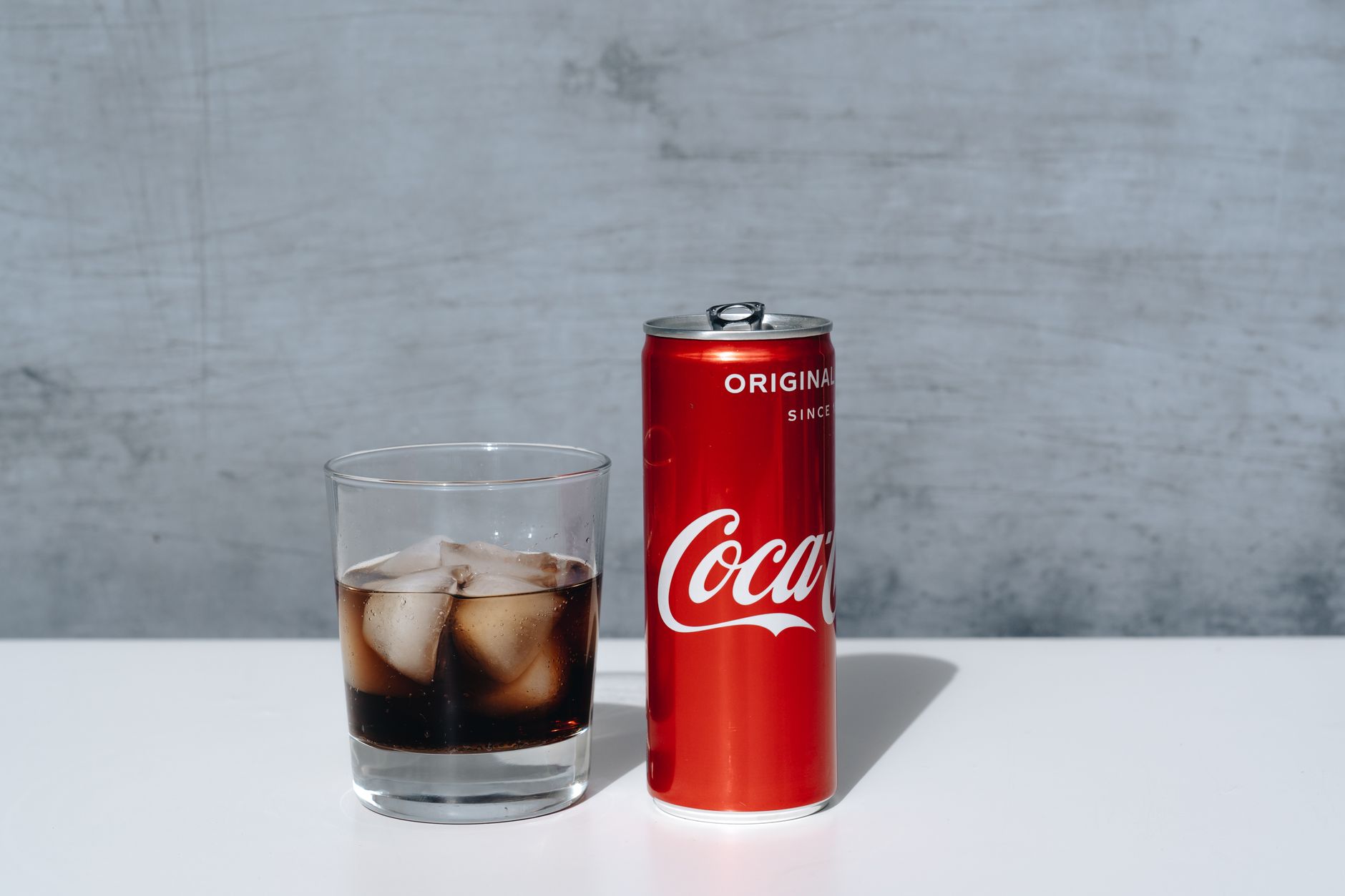
Coca-Cola is one of the most recognized beverages in the world. Its rich history dates back to the late 19th century and intertwines with American culture in various ways. This article will explore when Coca-Cola was invented, its key ingredients, its uses, and interesting facts surrounding the iconic soft drink.
The origins of Coca-Cola are grounded in innovation and entrepreneurial spirit. From its creation by a pharmacist to its evolution into a global phenomenon, understanding the timeline of Coca-Cola helps appreciate its place in the food and drink landscape today.
When Was Coca-Cola Invented?
Coca-Cola was invented on May 8, 1886, by Dr. John Stith Pemberton, a pharmacist in Atlanta, Georgia. Initially created as a medicinal tonic, it soon became a popular refreshment, marking the beginning of its journey to becoming a staple in American households and beyond.
The Story of Coca-Cola’s Invention
The journey of Coca-Cola began when Dr. Pemberton sought to create a drink that could serve as a remedy for various ailments, including headaches and nervous disorders. He formulated a syrup containing coca leaf extract and kola nut, both known for their stimulating properties.
By mixing the syrup with carbonated water, Coca-Cola was born. The drink was initially sold at Jacobs’ Pharmacy in Atlanta, where it was marketed as a tonic for various health issues. Due to its refreshing taste and the invigorating effect of its ingredients, Coca-Cola rapidly gained popularity among locals.
Key Ingredients of Coca-Cola
Coca-Cola’s unique flavor comes from a well-guarded formula, but the primary ingredients include:
- Carbonated water
- Sugar (or high fructose corn syrup in some regions)
- Caffeine
- Coca leaf extract
- Kola nut extract
- Natural flavors, including vanilla and caramel
- Phosphoric acid
- Citric acid
The combination of these components contributes to the distinctive taste of Coca-Cola that many people enjoy today. Each ingredient has its role, from the sweetness of sugar to the tangy acidity from phosphoric and citric acids.
Uses of Coca-Cola
Coca-Cola is primarily known as a refreshing beverage, enjoyed in various settings – from family meals to festive celebrations. However, it has several applications beyond quenching thirst:
1. Culinary Uses
Coca-Cola can be used in cooking and baking. Its flavor profile enhances several dishes; here are a few examples:
- Marinades: The sweetness and acidity of Coca-Cola make it an excellent base for marinades, especially for meats like chicken and pork.
- Baking: Some dessert recipes incorporate Coca-Cola for added moisture and flavor, like Coca-Cola cake, which utilizes the beverage to create a rich chocolate cake.
- Glazes: Coca-Cola can be simmered to create a sweet glaze for roasted meats, adding a delightful caramelized finish.
2. Mixology
Coca-Cola is a versatile mixer in cocktails. It pairs well with several spirits, making it a popular choice in bars worldwide. Here are some drinks where Coca-Cola shines:
- Rum and Coke: A classic combination that balances the sweetness of Coca-Cola with the depth of rum.
- Whiskey and Coke: A simple yet delightful mix for whiskey enthusiasts looking for a refreshing twist.
- Cuba Libre: This cocktail combines rum, lime, and Coca-Cola for a perfect balance of flavor and zest.
3. Carbonated Beverage Alternatives
For those looking to incorporate a sweet touch into their beverages, Coca-Cola can replace other sodas in various recipes, providing a similar sweetness and carbonation.
Benefits of Coca-Cola
While Coca-Cola is often scrutinized for its sugar content and potential health concerns, it does offer some benefits when consumed in moderation:
- Quick Energy Source: The sugar and caffeine content provide a quick boost of energy, making it a popular choice for those needing an immediate pick-me-up.
- Social Beverage: Coca-Cola is often present at gatherings, parties, and events, serving as a social lubricant that brings people together.
- Culinary Versatility: Its unique flavor enhances several recipes beyond just being a drink, providing versatility in various culinary applications.
Interesting Facts About Coca-Cola
Coca-Cola has a fascinating history filled with milestones that have etched it into popular culture:
- The Secret Formula: Despite its widespread popularity, the exact formula of Coca-Cola remains a closely guarded secret, locked in a vault that few have accessed.
- Global Reach: Coca-Cola is sold in over 200 countries around the world, making it one of the most recognized brands globally.
- Coca-Cola’s Advertising: From the iconic polar bears to the classic “I’d Like to Buy the World a Coke” campaign, Coca-Cola has a legacy of memorable advertisements.
- Non-Drink Products: Coca-Cola has expanded its product line to include various beverages, such as Diet Coke, Coca-Cola Zero Sugar, and flavored variants like cherry and vanilla.
Common Misconceptions About Coca-Cola
Many myths surround Coca-Cola and its consumption. Here are some clarifications on common misconceptions:
- Weight Gain: While regular consumption of sugary drinks like Coca-Cola can contribute to weight gain, moderate consumption is generally okay for most people.
- Cleansing Properties: Some believe Coca-Cola can be used for cleaning, but it’s not a substitute for proper cleaning agents. It can, however, help remove rust in some cases.
- Health Risks: Like all sugared beverages, frequent Coca-Cola consumption may pose health risks, particularly regarding dental health and weight management. Moderation is key.
Tips for Storing and Serving Coca-Cola
To maintain the optimal flavor and carbonation of Coca-Cola, follow these tips for storage and serving:
- Storage: Store Coca-Cola in a cool, dry place, away from direct sunlight. Once opened, it is best consumed within a few days for maximum freshness.
- Serving Temperature: Serve Coca-Cola chilled for the best taste experience. A cold drink enhances the refreshing qualities and fizz.
- Glassware: While Coca-Cola is commonly served in cans or plastic bottles, using glassware can elevate the experience, allowing for better aroma and flavor perception.
Cooking with Coca-Cola: A Simple Recipe
If you’re looking to try cooking with Coca-Cola, consider this easy recipe for Coca-Cola chicken. It’s a simple yet flavorful dish that showcases the beverage’s unique qualities.
Ingredients
- 4 chicken thighs or breasts
- 1 cup Coca-Cola
- 1/2 cup soy sauce
- 1/4 cup ketchup
- 3 cloves garlic, minced
- 1 tablespoon vegetable oil
- Salt and pepper, to taste
Equipment Needed
- Large skillet or frying pan
- Measuring cups and spoons
- Wooden spoon for stirring
- Serving platter
Instructions
- Heat the vegetable oil in a large skillet over medium heat.
- Season the chicken thighs or breasts with salt and pepper, then add them to the skillet. Sear the chicken for 4-5 minutes on each side until golden brown.
- In a bowl, mix the Coca-Cola, soy sauce, ketchup, and minced garlic. Stir until well combined.
- Pour the Coca-Cola mixture over the chicken in the skillet. Bring to a gentle simmer.
- Cover and cook for 25-30 minutes, or until the chicken is cooked through and tender. The sauce will thicken as it cooks.
- Once done, remove the chicken from the skillet, and let it rest for a few minutes before serving.
- Serve the Coca-Cola chicken on a platter, drizzling any remaining sauce over the top.
Common Mistakes When Cooking with Coca-Cola
When preparing dishes with Coca-Cola, avoid these common mistakes to ensure a successful outcome:
- Not Adjusting Seasoning: Coca-Cola can add sweetness, so taste your dish as you cook and adjust the seasoning accordingly.
- Too Much Liquid: If you’re unfamiliar with cooking with Coca-Cola, be mindful not to add too much, as it can overwhelm the other flavors.
- Cooking on High Heat: Cooking at too high of a heat can cause the sauce to burn before the chicken is cooked through. Maintain a medium heat for even cooking.
Storage and Reheating Tips
If you have leftovers from your Coca-Cola chicken, follow these tips for storage and reheating:
- Storage: Allow the chicken to cool completely, then store it in an airtight container in the refrigerator for up to 3 days.
- Reheating: Reheat in the microwave or on the stovetop over medium heat until warmed through, adding a splash of water if the sauce has thickened too much.
The invention of Coca-Cola marked a significant milestone in beverage history. Its evolution from a medicinal tonic to a globally recognized soft drink illustrates the impact of innovation and marketing. Whether enjoyed as a refreshing drink, used in culinary endeavors, or sipped at social gatherings, Coca-Cola continues to be a beloved choice for many across the globe.
Explore more about cooking with beverages by diving into our drink-inspired recipes such as a Cuba Libre recipe or learn how to make a classic Cadillac Margarita.